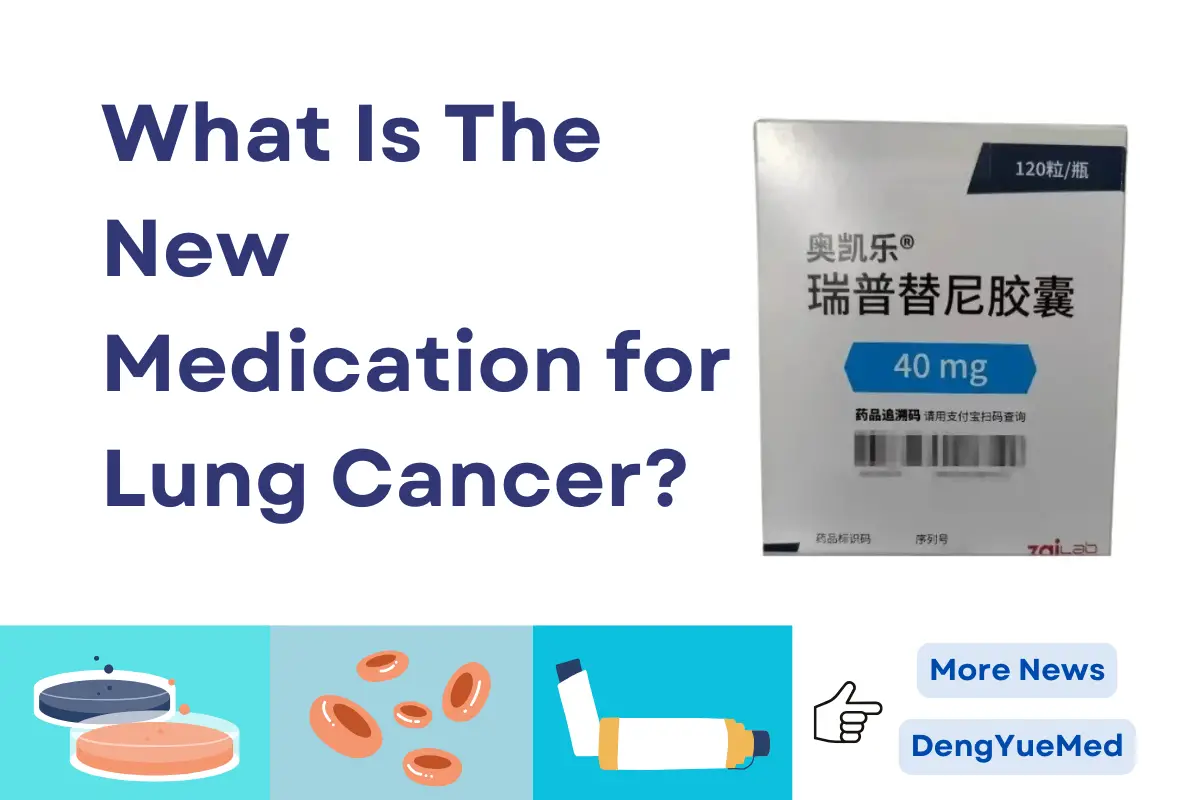
New Medication for Lung Cancer: Latest Treatments and Innovations You Need to Know
Introduction
Lung cancer is one of the most common and serious types of cancer, but thanks to modern medicine, there have been significant advances in new medication for lung cancer over the past few years.
Whether you’re living with non-small cell lung cancer (NSCLC), or you’re looking for information about the newest treatments for lung cancer, this guide will help you better understand your options, from pill for lung cancer to new drug for lung cancer innovations.
In this article, HK DengYueMed will break down the latest treatment for lung cancer and offer hope for a better future.
What is Lung Cancer?
Lung cancer happens when abnormal cells in the lungs start to grow uncontrollably. There are two main types: non-small cell lung cancer (NSCLC) and small cell lung cancer (SCLC).
Among these, NSCLC is the most common, accounting for around 85% of lung cancer cases.
If you or a loved one have been diagnosed with lung cancer, understanding the disease and the treatments available is essential.
Advances in new medication for lung cancer have led to the development of better treatments, including new drugs and therapies for both early-stage and stage 4 lung cancer.
What Are the New Medication for Lung Cancer?
Over the years, the treatment landscape for lung cancer has evolved dramatically. Many new lung cancer treatments are now available, offering patients better chances of survival and improved quality of life.
Non-Small Cell Lung Cancer Medicine
For those diagnosed with non-small cell lung cancer (NSCLC), there are numerous new drugs designed to target specific mutations in cancer cells.
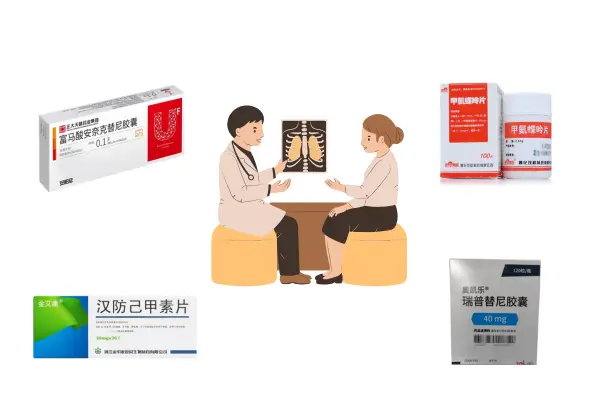
Unecritinib Fumarate Capsules and Chloroxoquinoline Capsules are among the targeted therapies that have shown promise in treating lung cancer.
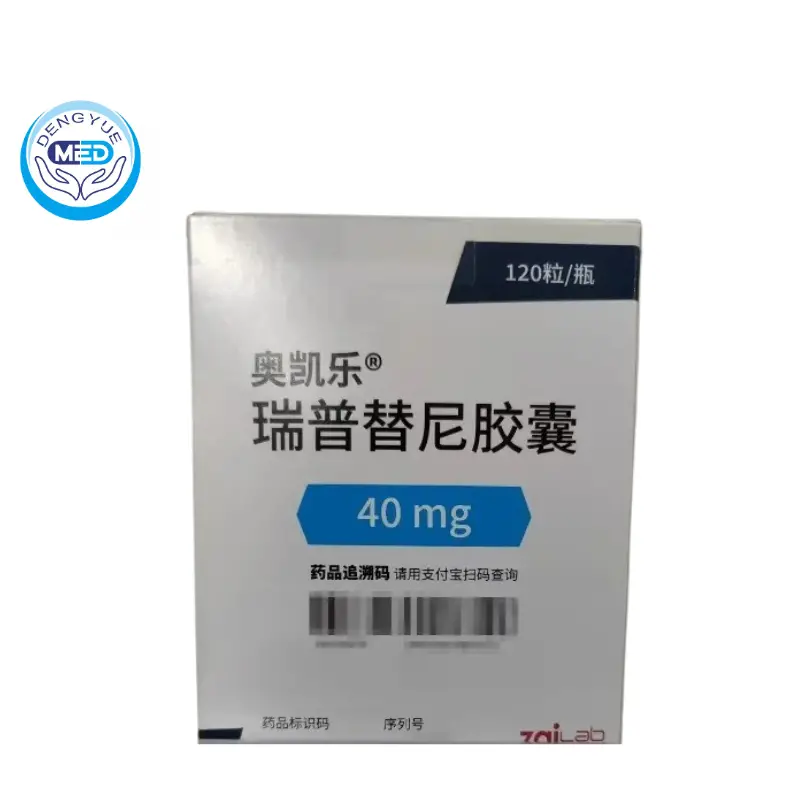
Repotrectinib, a next-generation tyrosine kinase inhibitor, has also emerged as a key treatment option for patients with ROS1-positive or NTRK-positive NSCLC, particularly those who have developed resistance to earlier therapies.
Additionally, Tetrandrine Tablets, originally used for anti-rheumatism, have also been explored for their potential benefits in lung cancer treatment.
These medications often come in the form of cancer pills for lung cancer, making them easier to take than traditional IV chemotherapy treatments.
In cases where injections are necessary, options like Transfer Factor Injection, which is used for various tumor types, and Vindesine Sulfate for Injection, commonly used in melanoma but sometimes applicable in lung cancer regimens, provide additional therapeutic approaches.
Meanwhile, chemotherapy drugs like Methotrexate 2.5mg Tablets, Compound Cyclophosphamide Tablets, and Etoposide Soft Capsules continue to play a role in broader cancer treatments, including lung cancer, depending on the patient’s specific needs.
Key Types of Treatments:
- Targeted Therapy: This approach targets specific genetic mutations in cancer cells. For example, medications that target EGFR or ALK mutations have been shown to slow cancer growth and improve survival rates.
- Immunotherapy: Immunotherapy drugs help boost the body’s immune system, enabling it to recognize and attack cancer cells more effectively. PD-1 inhibitors, like pembrolizumab (Keytruda), have shown great promise for lung cancer patients, even in later stages.
Pills for Lung Cancer: A Game-Changer
One of the most exciting breakthroughs in lung cancer treatment is the development of pills for lung cancer, which can be taken orally at home, rather than requiring a hospital visit for IV treatments.
These pills are new drugs for lung cancer that target cancer cells with fewer side effects, making them easier for patients to tolerate.
While chemotherapy can be harsh and cause significant side effects, pill for lung cancer treatments are less disruptive to daily life.
These pills are designed to target cancer at the molecular level, ensuring that they attack the tumor without harming healthy cells.
Some of the most well-known pill for lung cancer options include:
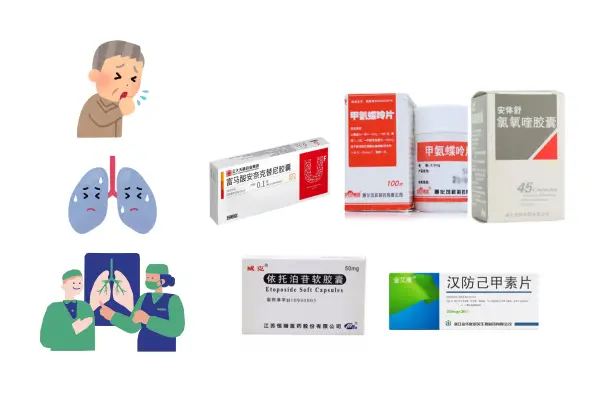
- Tarceva (Erlotinib) – A targeted therapy for non-small cell lung cancer (NSCLC) with EGFR mutations, taken orally as a pill.
- Iressa (Gefitinib) – An EGFR inhibitor used to treat NSCLC with EGFR mutations, commonly prescribed as a once-daily oral tablet.
- Alecensa (Alectinib) – A targeted therapy for ALK-positive NSCLC, often used when other ALK inhibitors like crizotinib are no longer effective.
- Unecritinib Fumarate Capsule – Targeted therapy for lung cancer
- Chloroxoquinoline Capsule – Used in lung cancer treatment
- Tetrandrine Tablet – Originally for anti-rheumatism, also explored for lung cancer
- Etoposide Soft Capsule – A chemotherapy drug used in certain cancers, including lung cancer in some cases
- Methotrexate 2.5mg Tablet – Used in cancer chemotherapy, including lung cancer treatment in specific protocols
The above new medication for lung cancer works best for patients with specific genetic mutations, such as EGFR mutations, that drive cancer growth.
What Are the Latest Treatments for Lung Cancer Stage 4?
When lung cancer spreads to other parts of the body, it is classified as stage 4 lung cancer, a more advanced and challenging stage to treat.
However, recent advances in treatment have given hope to patients living with stage 4 lung cancer.
New Treatments for Lung Cancer Stage 4
At this stage, doctors may recommend a combination of treatments, which may include:
- Chemotherapy: Chemotherapy drugs can still be a crucial part of treatment for stage 4 lung cancer. Newer forms of chemotherapy are more effective and less toxic than older versions.
- Immunotherapy: For patients with advanced lung cancer, immunotherapy has been a changer. Drugs like Opdivo (nivolumab) and Keytruda (pembrolizumab) can help the body’s immune system recognize and destroy cancer cells.
- Targeted Therapy: For patients with mutations like EGFR or ALK, targeted therapies may be an option. These drugs are designed to block cancer cells’ signals to grow.
The Promise of New Lung Cancer Cures
While a complete cure for lung cancer is still elusive, there have been significant strides in the development of treatments that improve survival rates and quality of life.
New Lung Cancer Treatment Options:
- Personalized Treatment Plans: Advances in genetic testing mean that doctors can now tailor treatment plans based on a patient’s unique genetic makeup.
This ensures that the new lung cancer treatment is as effective as possible. - Combination Therapy: Many doctors are combining different treatment approaches, such as chemotherapy, immunotherapy, and targeted therapy, to give patients the best possible chance of survival.
Though we may not have a final cure for lung cancer yet, these treatments offer hope for people living with the disease.
What Are the Latest Cures for Lung Cancer?
While there is no single latest cure for lung cancer, new lung cancer treatments are continuously improving.
Researchers are working on creating more effective medications that target the root causes of cancer cells, offering the potential for longer-term remission and even eventual cures.
For example, some experimental treatments involve:
- Gene Therapy: This is a cutting-edge approach that aims to repair or replace the genes responsible for cancer.
- CAR-T Cell Therapy: A new form of immunotherapy that has shown promise in treating blood cancers and is now being investigated for lung cancer.
- Newer Therapies: Repotrectinib NTRK, a next-generation ROS1/TRK inhibitor, has shown promise in treating patients with ROS1-positive non-small cell lung cancer (NSCLC), particularly those resistant to earlier treatments.
What Can You Expect from the New Medication for Lung Cancer?
With so many new medication for lung cancer available, it’s important to understand how these treatments can impact your life.
Many patients experience better outcomes and fewer side effects with modern treatments compared to traditional methods. For example:
- Pill for Lung Cancer: These pills are generally easy to take and have fewer side effects, making them a good option for many patients.
- Targeted and Immunotherapies: These treatments offer hope by targeting cancer directly, rather than using broader, more harmful approaches like chemotherapy.
While every patient’s journey is unique, the progress in lung cancer treatment offers hope for a better future.
Conclusion: The Future of Lung Cancer Treatment
In conclusion, new medication for lung cancer are continually improving, offering patients hope for a brighter future.
From non-small cell lung cancer medicine to newest treatments for lung cancer, the landscape is changing rapidly.
If you or someone you know is battling lung cancer, it’s important to stay informed about the latest advancements in treatment and talk to your doctor about the best options for your specific situation.
If you’re interested in learning more about a new drug for lung cancer or latest treatment for lung cancer, talk to your healthcare provider or visit trusted medical websites like HK dengyue for updates.
Together, we can continue the fight against lung cancer.