

Gemcitabine Hydrochloride Injection: A Powerful Weapon in the Fight Against Cancer
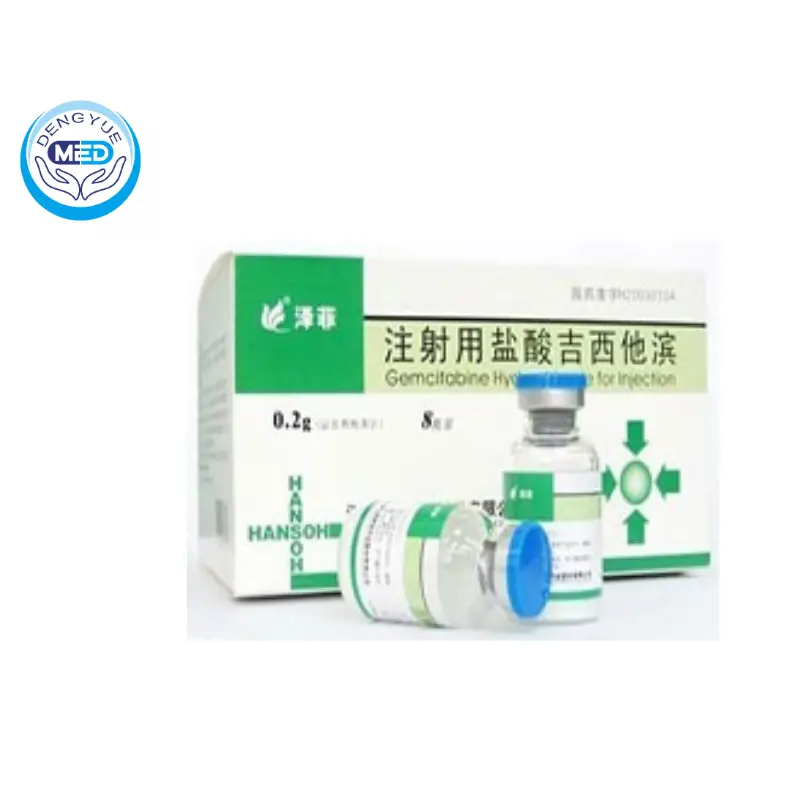
Gemcitabine Hydrochloride Injection, a chemotherapy drug, continues to be a cornerstone in the treatment of various cancers, offering hope to thousands of patients battling life-threatening conditions.
Known for its efficacy in treating cancers like non-small cell lung cancer, pancreatic cancer, and ovarian cancer, gemcitabine has proven to be one of the most versatile and widely used chemotherapy agents in oncology.
What is Gemcitabine Hydrochloride Injection?
Gemcitabine Hydrochloride is a synthetic nucleoside analogue, classified as an antimetabolite chemotherapy drug.
It works by interfering with the DNA synthesis in cancer cells, ultimately preventing their replication and causing cell death.
It is typically administered intravenously, which allows it to directly enter the bloodstream, making it effective against a variety of solid tumors and hematologic malignancies.
The drug is often used in combination with other chemotherapy agents to enhance its effects and address a broader range of cancers.
It is available in injection form, which is administered under the supervision of a healthcare professional in a hospital or clinical setting.
Approved Uses and Indications
Gemcitabine Hydrochloride Injection is approved for the treatment of several types of cancer, including:
- Non-Small Cell Lung Cancer (NSCLC): It is commonly used in advanced or metastatic non-small cell lung cancer, either alone or in combination with other drugs like cisplatin.
- Pancreatic Cancer: It is one of the standard treatments for advanced pancreatic cancer, where it is often combined with other agents like nab-paclitaxel (Abraxane) to improve survival rates.
- Ovarian Cancer: It is used in combination with other chemotherapy drugs for advanced or recurrent ovarian cancer.
- Bladder Cancer: The drug is sometimes employed in combination with cisplatin for advanced bladder cancer.
- Breast Cancer: Though not a first-line treatment, it is used in certain settings for metastatic breast cancer.
Its role in combination therapies has been critical, as it enhances the effectiveness of other chemotherapy drugs and reduces the risk of cancer recurrence.
How Does Gemcitabine Work?
Gemcitabine acts as a nucleoside analog that mimics natural nucleosides required for DNA synthesis. Once inside a cancer cell, it is phosphorylated to its active form, which then integrates into the growing DNA strand. This halts the DNA replication process and triggers cell death.
The drug primarily targets rapidly dividing cells, which is why it is so effective against cancer cells, as these cells tend to proliferate more quickly than normal cells.
However, because normal fast-dividing cells, such as those in the bone marrow and gastrointestinal tract, are also affected, gemcitabine’s use can lead to side effects.
Dosage and Administration
Gemcitabine Hydrochloride Injection is administered through an intravenous infusion, typically over 30 minutes.
The exact dosage and schedule depend on the type of cancer being treated, the patient’s overall health, and the use of any other medications.
For non-small cell lung cancer, the common dosing regimen is 1000 – 1250 mg/m² administered once a week for 3 weeks, followed by a 1-week rest period. Dosing may vary based on specific patient factors, such as response to treatment and tolerance.
Since gemcitabine is often used in combination with other chemotherapy drugs, the treatment regimen will be adjusted accordingly.
For example, it may be combined with cisplatin for lung cancer or nab-paclitaxel for pancreatic cancer, depending on the treatment protocol.
Side Effects and Adverse Reactions
Like all chemotherapy drugs, Gemcitabine Hydrochloride Injection has a range of potential side effects, some of which can be severe. The most common side effects include:
- Fatigue and Weakness: Many patients report feeling tired or weak during treatment.
- Gastrointestinal Issues: Nausea, vomiting, and loss of appetite are common and can be managed with medications.
- Bone Marrow Suppression: One of the more serious side effects is a reduction in the number of blood cells, including white blood cells (which fight infection), red blood cells (which carry oxygen), and platelets (which help with clotting). This can increase the risk of infections, anemia, and bleeding.
- Flu-like Symptoms: Fever, chills, and body aches may also occur after the administration of the drug.
- Hair Loss (Alopecia): While not as common as with some other chemotherapy agents, gemcitabine can lead to temporary hair loss.
Severe reactions are rare but can occur, including lung toxicity (e.g., interstitial pneumonitis), liver toxicity, and severe allergic reactions.
Patients undergoing treatment with gemcitabine are closely monitored for these side effects, and supportive care measures (such as growth factors for blood cell counts or anti-nausea medications) are often used to manage symptoms and keep the patient comfortable.
Drug Interactions and Precautions
Gemcitabine should be used with caution in combination with other chemotherapy drugs that cause bone marrow suppression, such as paclitaxel or docetaxel, as this can increase the risk of infections or bleeding.
Patients should be monitored for signs of infection, and dosages may need to be adjusted based on lab results.
Patients with a history of lung disease or those at risk for pulmonary toxicity should use gemcitabine with caution, as the drug has been associated with lung fibrosis in rare cases.
It is also essential to inform the healthcare team of any medications being taken, as interactions with certain drugs, including antivirals and anticoagulants, can affect the metabolism and efficacy of gemcitabine.
The Future of Gemcitabine Hydrochloride Injection
Gemcitabine’s role in cancer treatment continues to evolve.
Researchers are studying its use in combination with targeted therapies and immunotherapies, which are helping to improve the overall survival rate and quality of life for cancer patients.
Newer formulations and delivery methods, including nanoparticle-based versions of gemcitabine, are also being explored to reduce side effects and improve targeting to cancer cells.
Moreover, ongoing clinical trials are investigating its use in treating other cancers, as well as its potential for extending survival and preventing recurrence in patients with advanced or metastatic disease.
Conclusion
Gemcitabine Hydrochloride Injection remains one of the most important treatments available for several types of cancer.
With its proven efficacy, particularly when used in combination with other chemotherapy agents, it continues to offer hope to patients around the world.
While side effects are common, advancements in supportive care have made its use more manageable.
As research continues, the potential for gemcitabine to improve cancer treatment outcomes is greater than ever, solidifying its place as a cornerstone of modern oncology.
However, DengYue‘s efforts to increase the affordability of the medicine are critical to ensuring that more patients benefit from it. So please feel free to inquiry us to buy Gemcitabine Hydrochloride Injection.
Information from DengYueMedicine, HongKong Drug Wholesale Distributor offers this information as a guide, not a substitute for professional medical advice. Consult your doctor before any treatment.