
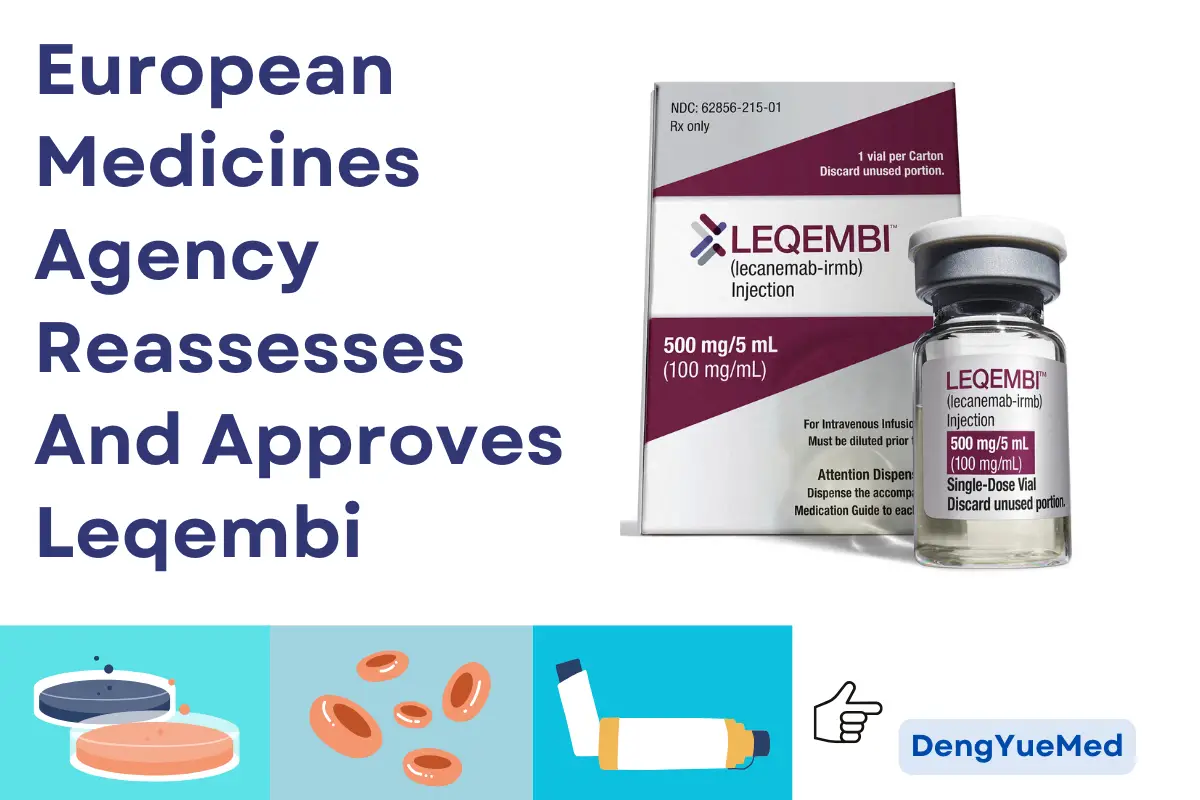
European Medicines Agency Reassesses And Approves Leqembi
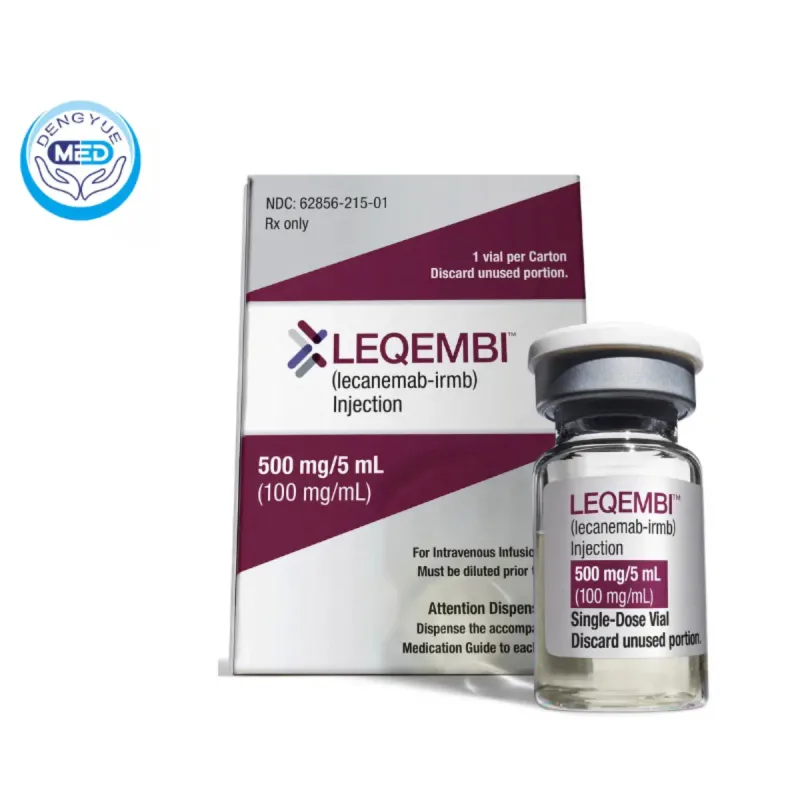
Leqembi was recommended for approval by the European Medicines Agency’s (EMA) Committee for Medicinal Products for Human Use (CHMP) in November 2024 for the treatment of early-stage Alzheimer’s disease, targeting patients with mild cognitive impairment or mild dementia.
This decision followed a previous refusal in July 2024 due to concerns about serious brain-related side effects, such as amyloid-related imaging abnormalities (ARIA).
The reassessment concluded that Leqembi offers a clinically meaningful benefit in slowing cognitive and functional decline in certain patient groups.
What Is Leqembi?
As of now, Leqembi lecanemab has been approved in the United States, Japan, China, South Korea, Hong Kong, Israel, United Arab Emirates, and Great Britain.
In the United Kingdom, the Medicines and Healthcare products Regulatory Agency (MHRA) granted marketing authorization in August 2024 but recommended genetic testing before use to avoid administering the drug to patients with two copies of the ApoE ε4 allele, as they have a higher risk of developing ARIA.
However, the National Health Service (NHS) has stated that it will not fund the drug due to its limited efficacy and high cost.
Leqembi Safety And Economic Considerations
While Leqembi shows promise in slowing Alzheimer’s disease progression, its safety and cost-effectiveness remain subjects of discussion.
Clinical trials have reported side effects such as ARIA, necessitating regular MRI monitoring. Additionally, the leqembi alzheimer’s drug high price has raised questions about its value.
For instance, the Scottish Medicines Consortium (SMC) recently decided not to approve lecanemab-irmb for NHS use due to uncertainties about its modest clinical benefit and high cost.
Future Outlook: Development Of Injectable Forms
To enhance patient convenience, Eisai is seeking Leqembi approval from the U.S. Food and Drug Administration (FDA) for a subcutaneous injection form of Leqembi.
This new form could allow patients to administer the drug at home, reducing the frequency of hospital visits.
Early trials indicate that subcutaneous injections may result in fewer systemic side effects and improved plaque clearance.
However, patients would still require regular MRI scans to monitor potential side effects like ARIA.
In summary, Leqembi approval offers new hope for Alzheimer’s disease treatment, but its safety, cost-effectiveness, and practical application require further evaluation in clinical practice.
However, DengYue’s efforts to increase the affordability of the medicine are critical to ensuring that more patients benefit from it.
We welcome you to reach out to us to get leqembi price. DengYueMedicine is here to provide detailed medicine information, pricing, and support to ensure a smooth and reliable buying experience.
Feel free to contact us anytime to discuss your needs or ask any questions about the medicine.
Information from DengYueMed, China Drug Import and Export Wholesaler offers this information as a guide, not a substitute for professional medical advice. Consult your doctor before any treatment.