

Compound Cyclophosphamide: A Key Drug in Cancer Treatment and Autoimmune Disorders
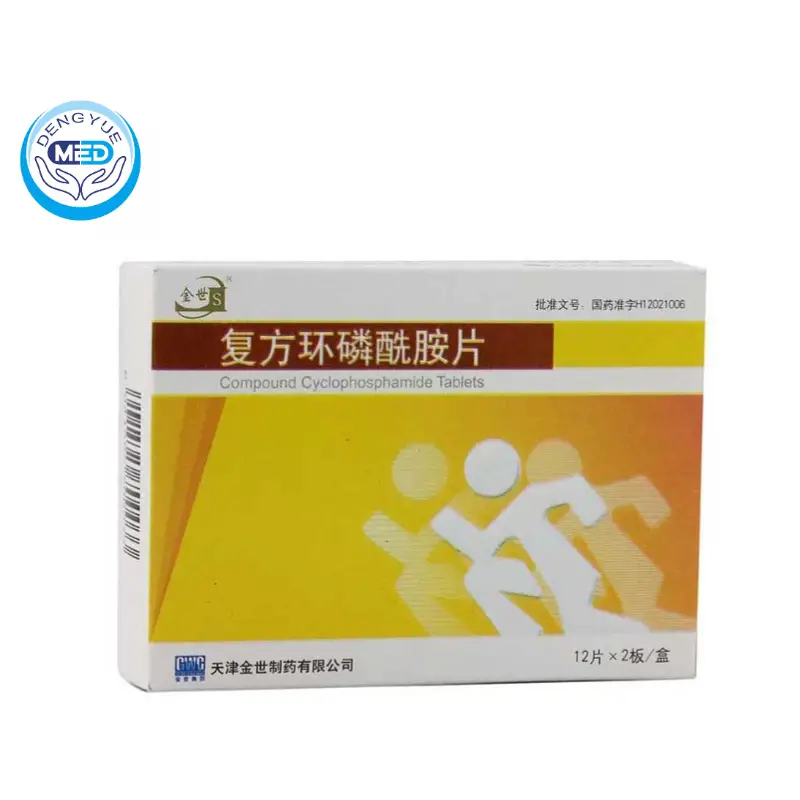
Compound Cyclophosphamide, a powerful chemotherapy drug, continues to play a central role in the treatment of various cancers and autoimmune diseases.
As one of the most effective alkylating agents, this compound is helping thousands of patients worldwide battle aggressive cancers and immune-related conditions.
Despite the growing array of treatment options, Compound Cyclophosphamide remains a mainstay in oncology due to its broad spectrum of action and ability to treat both hematologic and solid tumors.
What is Compound Cyclophosphamide?
Compound Cyclophosphamide is a modified form of cyclophosphamide, a chemotherapy drug that has been used for over half a century.
As an alkylating agent, it interferes with the DNA of rapidly dividing cells, including cancer cells, to prevent their growth and division.
Originally developed for the treatment of cancer, its applications have expanded to include autoimmune conditions such as lupus and vasculitis.
When administered, Cyclophosphamide is metabolized in the liver to produce active metabolites, which then exert their cytotoxic effects on cancer cells.
Its ability to cross-link DNA strands effectively leads to cell cycle arrest and eventual cell death, making it especially effective against tumors with rapid cell turnover.
Uses in Cancer Treatment
Compound Cyclophosphamide is commonly used to treat a wide range of cancers, either as a single agent or in combination with other chemotherapy drugs. Some of the most common cancers treated with this medication include:
- Leukemia and Lymphoma: Compound Cyclophosphamide is frequently used in the treatment of both acute and chronic leukemia, as well as Hodgkin’s and non-Hodgkin’s lymphoma. Its inclusion in chemotherapy regimens has significantly improved survival rates for these cancers.
- Breast Cancer: It is commonly incorporated into chemotherapy protocols for both early-stage and metastatic breast cancer. When combined with drugs like doxorubicin or fluorouracil, it has been shown to enhance therapeutic effectiveness.
- Ovarian Cancer: Compound Cyclophosphamide is also a key component of combination treatments for ovarian cancer, where it helps shrink tumors and reduce the risk of recurrence.
- Sarcomas and Other Solid Tumors: For soft tissue and bone sarcomas, Compound Cyclophosphamide can be used in combination with other agents to provide a more comprehensive treatment plan.
Its broad spectrum of action against both solid tumors and hematologic cancers makes Compound Cyclophosphamide an essential part of cancer treatment regimens.
Mechanism of Action
Compound Cyclophosphamide works by attaching an alkyl group to DNA molecules, which causes cross-linking between the DNA strands.
This action prevents the DNA from uncoiling properly and stops the cancer cell from dividing.
As a result, the affected cancer cells are forced into a state of cell cycle arrest, followed by apoptosis (programmed cell death).
However, the drug doesn’t discriminate between cancer cells and normal fast-growing cells, which is why chemotherapy often leads to side effects like hair loss, nausea, and immune suppression.
Despite these drawbacks, its ability to kill cancer cells makes it an invaluable tool in oncology.
Side Effects and Safety Considerations
While Compound Cyclophosphamide has proven to be an effective treatment for various cancers, it does come with a range of potential side effects. Some of the most common include:
- Bone Marrow Suppression: This can lead to a reduction in the production of red and white blood cells and platelets, increasing the risk of infections, anemia, and bleeding.
- Gastrointestinal Symptoms: Nausea, vomiting, and loss of appetite are commonly experienced by patients undergoing chemotherapy with Compound Cyclophosphamide. Anti-nausea medications are often given to mitigate these symptoms.
- Hair Loss (Alopecia): One of the most visible side effects of chemotherapy, alopecia occurs because the drug targets rapidly dividing cells, including those in hair follicles.
- Bladder Toxicity: Hemorrhagic cystitis, a condition where the bladder becomes inflamed and may bleed, is a known risk with cyclophosphamide treatment, particularly at high doses.
Patients are often advised to drink plenty of fluids and take medications like mesna to reduce the risk. - Increased Risk of Secondary Cancers: Long-term use of alkylating agents like Compound Cyclophosphamide has been associated with an increased risk of developing secondary cancers, particularly leukemia, many years after treatment.
The potential for these side effects requires close monitoring during treatment. Oncologists often adjust the dosage or administer supportive treatments to manage side effects and ensure the patient’s safety.
Applications in Autoimmune Diseases
In addition to its use in oncology, Compound Cyclophosphamide has found a role in the treatment of autoimmune disorders.
Diseases such as systemic lupus erythematosus (SLE), rheumatoid arthritis, and vasculitis can be treated with this drug when the immune system attacks the body’s own tissues.
By suppressing the activity of the immune system, Compound Cyclophosphamide helps to reduce inflammation and prevent the body from causing further damage to its organs.
This immunosuppressive action can be life-saving in patients with severe autoimmune diseases, especially those that are resistant to other treatments.
The Future of Compound Cyclophosphamide
Despite the availability of newer and more targeted therapies in cancer treatment, Compound Cyclophosphamide continues to be an essential part of the chemotherapeutic arsenal.
However, the increasing focus on personalized medicine and targeted therapies may shape the future of chemotherapy.
In some cases, Compound Cyclophosphamide may be used in combination with immunotherapies or targeted therapies to maximize effectiveness while minimizing side effects.
Innovative drug delivery methods, such as nanoparticle-based formulations, are also being explored to enhance the targeting of cancer cells and reduce the drug’s impact on healthy tissue.
Researchers are working to refine its use and find ways to reduce the long-term risks associated with its administration.
Conclusion
Compound Cyclophosphamide remains one of the most potent and widely used chemotherapy drugs in the treatment of cancer and autoimmune diseases.
Its ability to tackle a wide range of cancers and its use in life-threatening autoimmune conditions underscore its significance in modern medicine.
While its side effects are significant, advances in supportive care and drug combinations have made it a vital component of effective treatment plans.
As research continues into optimizing its use and minimizing adverse effects, Compound Cyclophosphamide’s role in cancer treatment is likely to endure, helping patients continue their fight against both malignancies and autoimmune conditions.
However, DengYue’s efforts to increase the affordability of the medicine are critical to ensuring that more patients benefit from it. So please feel free to inquiry us to buy Compound Cyclophosphamide.
Information from DengYueMedicine, HongKong Drug Wholesale Distributor offers this information as a guide, not a substitute for professional medical advice. Consult your doctor before any treatment.