
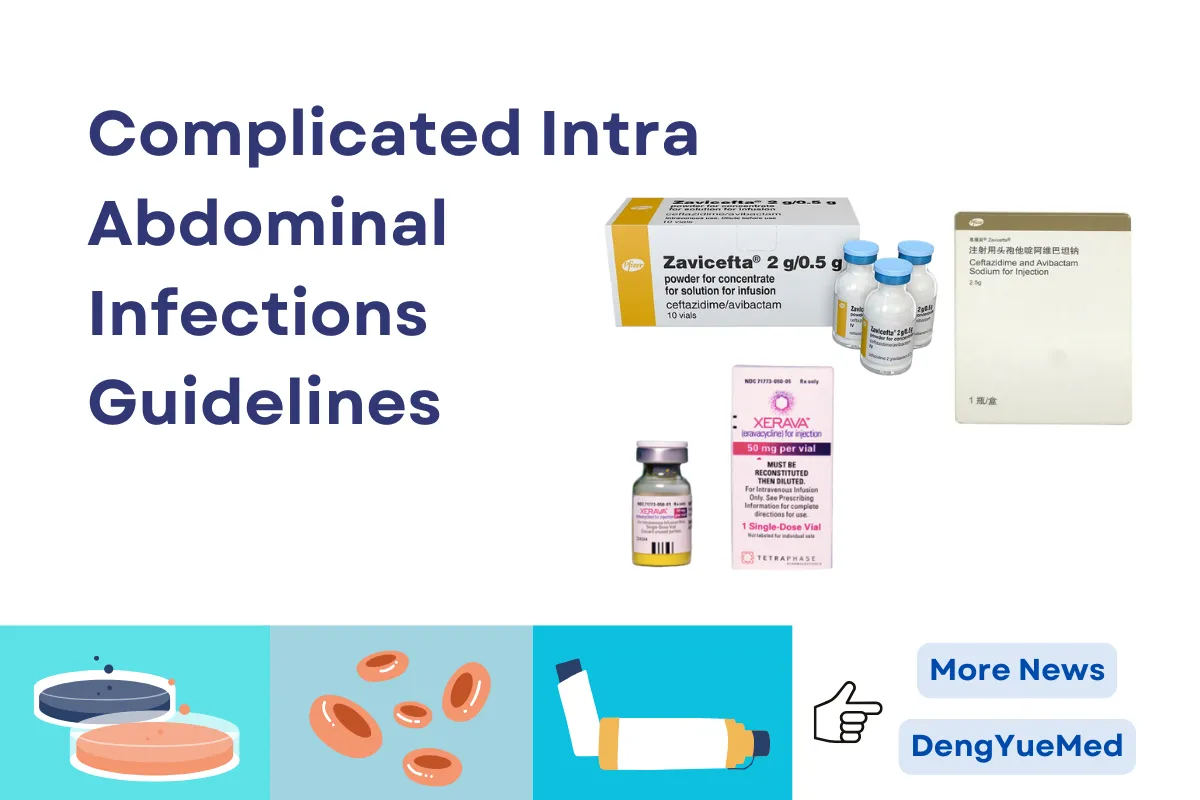
Complicated Intra Abdominal Infections Guidelines
Table of Contents
Introduction
One hundred years ago, the mortality rate from complicated intra abdominal infections (cIAI) was as high as 90%.
In the last century, more aggressive surgical approaches, intensive care management, and the advent of multiple antibiotics with different effects have reduced the mortality rate to less than 25%.
However, by the end of the first decade of the 21st century, cIAI was still the cause of 20% of severe sepsis in intensive care units (ICUs).
As a result, cIAI is the second most common infectious cause of morbidity and mortality after pneumonia.
What Are Complicated Intra-abdominal Infections (cIAI)
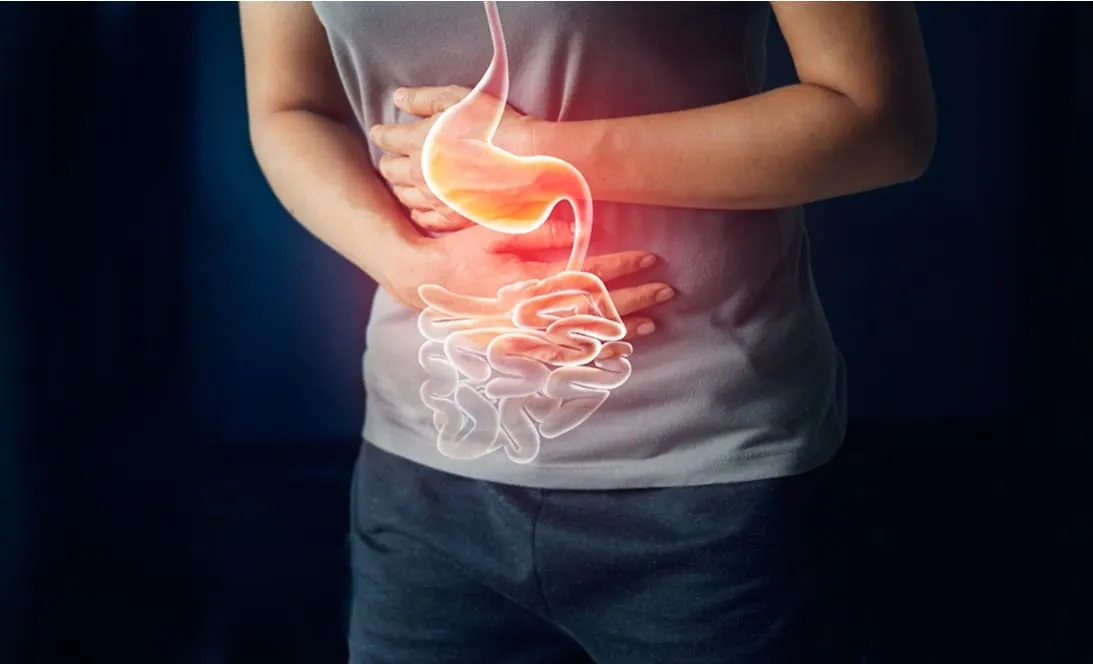
Complicated intra-abdominal infections extend beyond an organ—affecting peritoneal spaces, frequently resulting in abscesses or peritonitis.
They pose a serious risk of sepsis, often involving resistant Gram-negative organisms such as Enterobacteriaceae and anaerobes. Empirical therapy must be broad, targeted, and take resistance patterns into account.
Types Of Abdominal Infection
Intra‑abdominal infections (IAIs) cover a wide spectrum of conditions ranging from simple organ‐confined infections to life‑threatening diffuse peritonitis and abscesses. Here’s a refined breakdown:
1. Uncomplicated IAIs
- Definition: Infection localized within a single intra‑abdominal organ (e.g., acute appendicitis or cholecystitis) without peritoneal spread.
- Management: Often resolved with surgical removal alone; antibiotics may be optional postpartum
2. Complicated IAIs
Infections extend beyond the originating organ into adjacent spaces—requiring both antibiotics and source control.
2.1 Peritonitis
- Primary Peritonitis: Monomicrobial infection of peritoneum without organ disruption (e.g., SBP in cirrhosis). Organisms often E. coli, Klebsiella .
- Secondary Peritonitis: Most common type; polymicrobial due to perforation or contamination from bowel, gallbladder, etc. Mixed flora seen
- Tertiary Peritonitis: Persistent/recurrent infection occurring >48 h after adequate control of secondary peritonitis; often nosocomial and antibiotic‑resistant
2.2 Intra-abdominal Abscesses
Encapsulated collections of pus in various compartments (intraperitoneal, retroperitoneal, pelvic, hepatic, splenic, etc.)
- Primary Abscesses: Ruptured organ abscesses (e.g., appendiceal abscess)
- Secondary Abscesses: Infected fluid collections post-surgery or pancreatitis .
- Tertiary Abscesses: Recurrent or persistent post-treatment, often nosocomial .
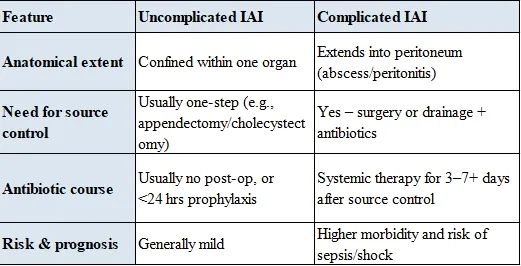
Complicated vs Uncomplicated Intra Abdominal Infections
Complicated Intra Abdominal Infection Symptoms
The following are key symptoms and clinical features that help identify complicated intra-abdominal infections (cIAI), such as secondary or tertiary peritonitis and intra-abdominal abscesses:
Core Symptoms
Severe abdominal pain, often diffuse or localized, worsening with movement and accompanied by rigidity and guarding—hallmarks of peritonitis
Abdominal distension, bloating, and reduced or absent bowel sounds (ileus) .
Systemic signs: fever or hypothermia, chills, tachycardia, tachypnea, and sometimes hypotension—in severe cases, progressing to sepsis/shock
Gastrointestinal Manifestations
Nausea and vomiting, often intense.
Poor appetite, anorexia, and general malaise.
Altered bowel patterns, including diarrhea or constipation depending on ileus or inflammation
Laboratory and Imaging Clues
Leukocytosis, elevated C-reactive protein, possible electrolyte imbalance, and signs of organ dysfunction (e.g., renal impairment, acidosis) .
CT scanning confirms diagnosis, distinguishing localized abscess, perforation, or diffuse peritonitis from uncomplicated disease
Abscess-Specific Signs
Palpable abdominal mass or localized tenderness.
Persistent or recurrent fever after initial treatment or surgery.
Signs of nutritional compromise (weight loss, malnutrition) in chronic cases
Tertiary Peritonitis & Severe cIAI
Typically occurs >48 h post-source control.
Presents with fever, tachycardia, hypotension, confusion, and signs of ongoing sepsis
⚠️ Red Flags Indicating Severity
Signs of sepsis or septic shock: hypotension, altered mental status, end-organ dysfunction.
Diffuse peritoneal signs: rigidity, rebound tenderness, inability to walk or breathe comfortably.
Failure to improve (>48–72 hrs) after initial interventions—suggests complications or inadequate source control.
Complicated Intra Abdominal Infections Prevalence
Here’s a detailed look at the prevalence of complicated intra‑abdominal infections (cIAIs):
Global Prevalence
In a Somali tertiary hospital, cIAI made up 5.3% of all surgical admissions, aligning closely with a 5.7% ICU prevalence in global studies.
The CIAOW study, a six-month observational analysis across 68 centers worldwide, documented 702 patients, finding that approximately 87.6% of IAIs were community-acquired and 12.4% were healthcare-associated.
In Germany, estimates suggest around 120,000 intra‑abdominal infections annually, many of which are complicated cIAIs.
Data from Indonesia indicates a higher institutional prevalence—with cIAI comprising up to 10–12% of emergency surgical cases.
Regional & Institutional Rates
The CIAO study (Europe-based) enrolled 2,152 patients, finding 79% community-acquired and 21% hospital-acquired cIAIs.
Of these, 36.5% presented with generalized peritonitis, while 63.5% had localized peritonitis or abscesses
A Jakarta HPB surgery center reported 10.6% of 453 cases were cIAIs—mainly liver or pancreatic infections—with an 18.8% mortality rate.
Nationwide in Italy (IRIS study), thousands of cases were documented, reinforcing that cIAIs remain a frequent and serious surgical emergency, though precise percentage breakdown wasn’t specified.
Treatment of Complicated Intra Abdominal Infections
Now, let’s go further to explore 2 useful medicines:
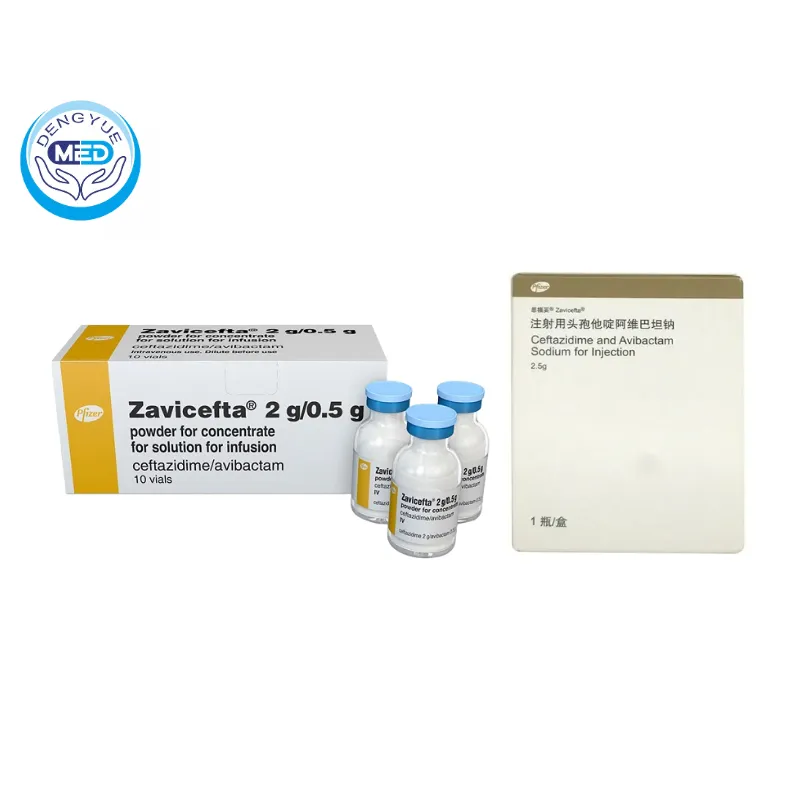
Zavicefta (Ceftazidime and Avibactam Sodium) is ideal for targeting resistant Gram-negative pathogens in cIAI.
Approved for complicated intra‑abdominal infections—typically given with metronidazole to cover anaerobes—with demonstrated cure rates (~92–94%) comparable to meropenem.

Xerava (Eravacycline) offers a broad-spectrum, effective, and well-tolerated alternative—especially useful when MDR organisms are suspected and carbapenem use is to be minimized.
FDA‑approved for adult complicated intra‑abdominal infections. In pivotal trials (IGNITE 1 & 2), it matched ertapenem/meropenem in cure rates (~87–92%) and was well tolerated.
*Note: Prescription drugs must be purchased from designated suppliers with a doctor’s prescription.
About DengYueMed – HK Drug Wholesale Distributor
As a legally compliant drug import and export company, DengYueMed is certified by the Pharmacy & Poisons Board of Hong Kong — you can verify our qualification on their official website.

Our efforts to improve the affordability of complicated intra abdominal infections treatment aim to ensure that more patients can benefit from this important medication.
HK DengYue provides detailed medicine information, transparent pricing, and responsive support to ensure a smooth and reliable buying experience.
Feel free to reach out anytime to discuss your needs or ask questions about the medicine. We welcome you to contact us for a consultation.
FAQ about Complicated Intra Abdominal Infections
What Are the Classification of Intra abdominal Infections?
Intra-abdominal infections are classified based on their extent and origin into uncomplicated, complicated intra abdominal infections, and peritonitis is further subdivided into primary (spontaneous), secondary (following visceral rupture), and tertiary (persistent or recurrent >48 h post source control).
What Is the Difference between Complicated and Uncomplicated IAI?
Complicated IAI extends beyond the wall of a hollow viscus into the peritoneal cavity—causing localized or diffuse peritonitis or abscess and requiring both source control and systemic antibiotics—whereas uncomplicated IAI is confined within a single organ without peritoneal involvement and often resolves with surgery or limited antibiotics.
What Are the Complications of Intra-abdominal?
Intra-abdominal infections can lead to serious complications, including peritonitis, intra-abdominal abscesses, sepsis, septic shock, multi-organ dysfunction, bowel obstruction, fistula formation, and chronic pain, particularly when diagnosis and treatment are delayed.
What Bacteria Causes Intra-abdominal Infections?
Intra-abdominal infections (IAIs) are primarily caused by a combination of aerobic and anaerobic bacteria originating from the gastrointestinal tract.