From Quantity to Quality: China Pharmaceutical Innovation Enters a Golden Decade
Over the past decade, China pharmaceutical innovation has moved from “follower” to “parallel runner” and is now on the path to becoming a global “front-runner.”
According to the Ten-Year Development Report on China Pharmaceutical Innovation released by the Menet Research Group, the nation’s pharmaceutical industry is entering a pivotal stage of globalization and high-quality growth, driven by innovation, supportive policy, and international collaboration.

A Decade of Leap: China Pharmaceutical Innovation on the Global Stage
In the past decade, China’s innovative drug industry has witnessed exponential growth.
From 2015 to 2024, the number of domestically approved Category-1 new drugs increased from 2 to 40, with over a quarter demonstrating “First-in-Class” potential.
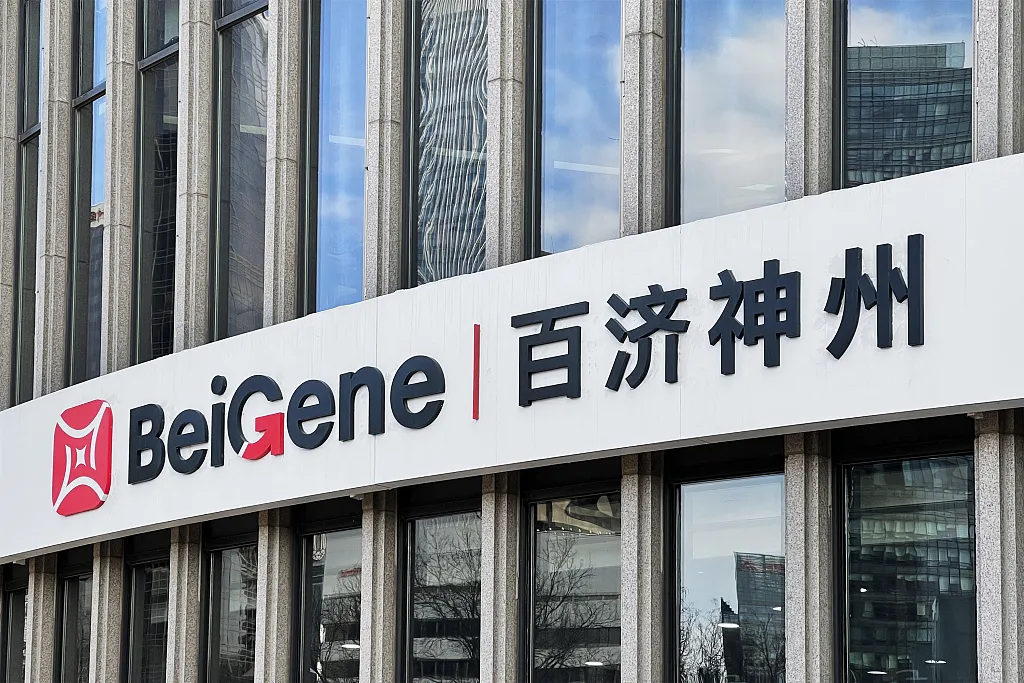
BeiGene’s BTK inhibitor, Zebutinib, which outperformed ibrutinib in global clinical trials, symbolizes China’s transition from “Me-too” to “Best-in-class” innovation.
Rising Pipelines: Technological Breakthroughs Meet Global Partnerships
Over the past decade, Chinese innovative drug pipelines have undergone a fundamental transformation—from a “follow-up” model to a “platform-driven” innovation model.
New-generation technologies such as ADCs, bispecific and multispecific antibodies, RNA-based therapeutics, and AI-driven drug design are becoming the engines of China’s biopharma leap.
✅ Particularly in the ADC and T-cell engager fields, Chinese companies have built end-to-end capabilities from molecular design to large-scale manufacturing.
👉 Meanwhile, the integration of AI in target identification, molecule screening, and clinical prediction has significantly accelerated R&D efficiency.
Behind these breakthroughs lies a rapidly globalizing innovation ecosystem.
🤝 Since 2020, co-development partnerships between Chinese pharma and multinational giants have tripled, evolving from simple out-licensing deals to deep strategic collaborations.
Growing Influence: Academic and Clinical Advancements
In 2025, China’s voice in the global scientific community has grown from a “regional echo” to a “worldwide resonance.”
At top-tier events such as ASCO, ESMO, and the JP Morgan Healthcare Conference, presentations led by Chinese enterprises and researchers have reached record highs—showcasing robust clinical data and signaling China’s growing influence in setting global medical standards.
Simultaneously, the internationalization of China’s clinical research has accelerated.
Increasing numbers of homegrown innovative drugs are conducting pivotal trials in the U.S., Europe, and Japan, with results incorporated into major clinical guidelines such as NCCN and ESMO.
✨China’s innovations are shifting from supplementing global standards to defining them.
The Next Decade: A New Golden Cycle for Chinese Pharma
The report forecasts that in the next decade, China’s pharmaceutical innovation will shift from “quantitative expansion” to “qualitative breakthroughs”:
- 🌐 Faster globalization—from independent expansion to collaborative co-development;
- 🖥️ AI empowerment—Artificial intelligence and digital regulation will reshape R&D and review systems;
- 📃 Reformed healthcare—improved pricing and multi-tier insurance coverage for innovative drugs;
- ➕ Integrated ecosystem—Stronger synergy among industry, capital, and academia for higher innovation efficiency.
Dengyue Pharma: A Chinese Force in Global Innovative Drug Distribution
As one of the key players advancing China’s pharmaceutical globalization, DengYueMed is actively contributing to the international expansion of innovative medicines.
Specializing in global distribution and clinical value transformation, the company is committed to bringing more Chinese-origin drugs to patients worldwide.
HK DengYue is accelerating its strategic presence in the Middle East, Latin America, and Southeast Asia, establishing integrated distribution and compliance systems.
It is also strengthening its focus on chronic and rare diseases while building a digitalized and intelligent supply chain.
Looking ahead, Dengyue aims to enhance the global accessibility and commercialization of Chinese innovative drugs, driving the transformation of China’s pharmaceutical industry from “Made in China” to “Created in China.”
Conclusion
From “imitation” to “innovation,” and now to “global leadership,” China’s pharmaceutical industry is reaching new heights.
The next decade will mark a golden era where China transitions from “quantity” to “quality” and from “domestic innovation” to “global influence.”
Companies like Dengyue Pharma are poised to play a pivotal role in this historic transformation.