
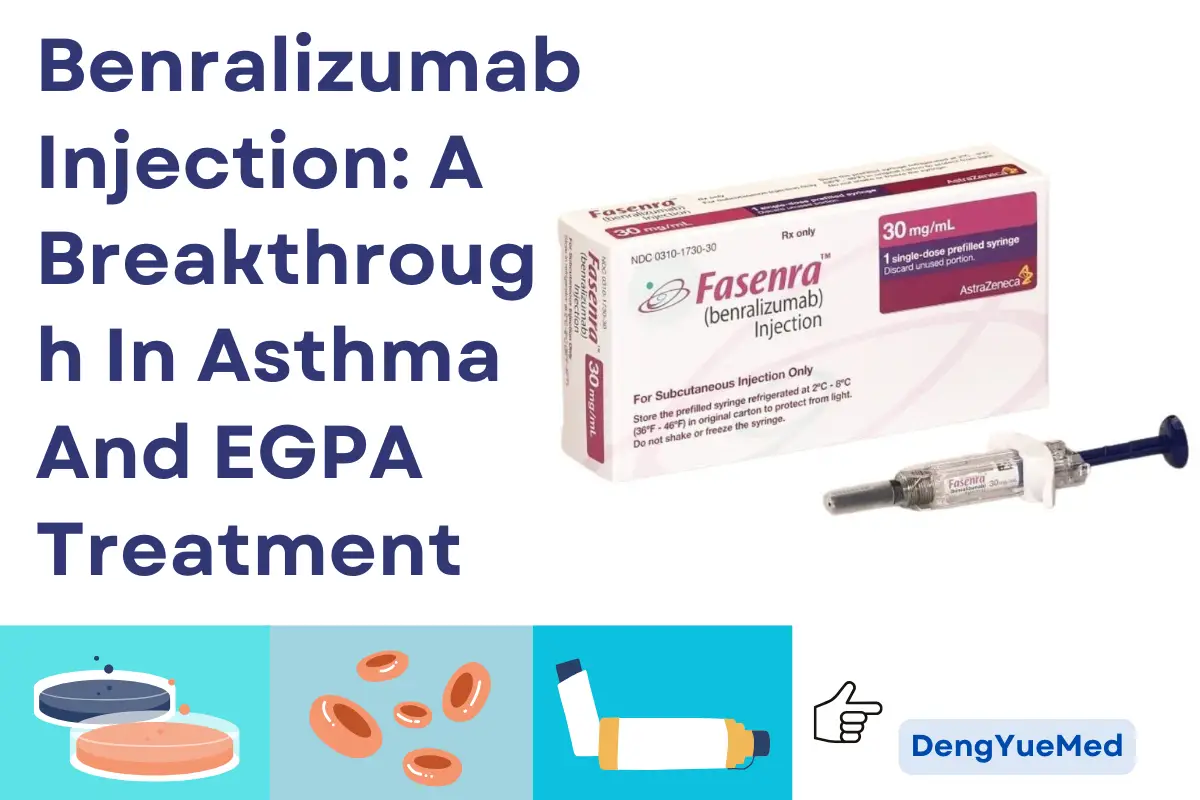
Benralizumab Injection: A Breakthrough In Asthma And EGPA Treatment
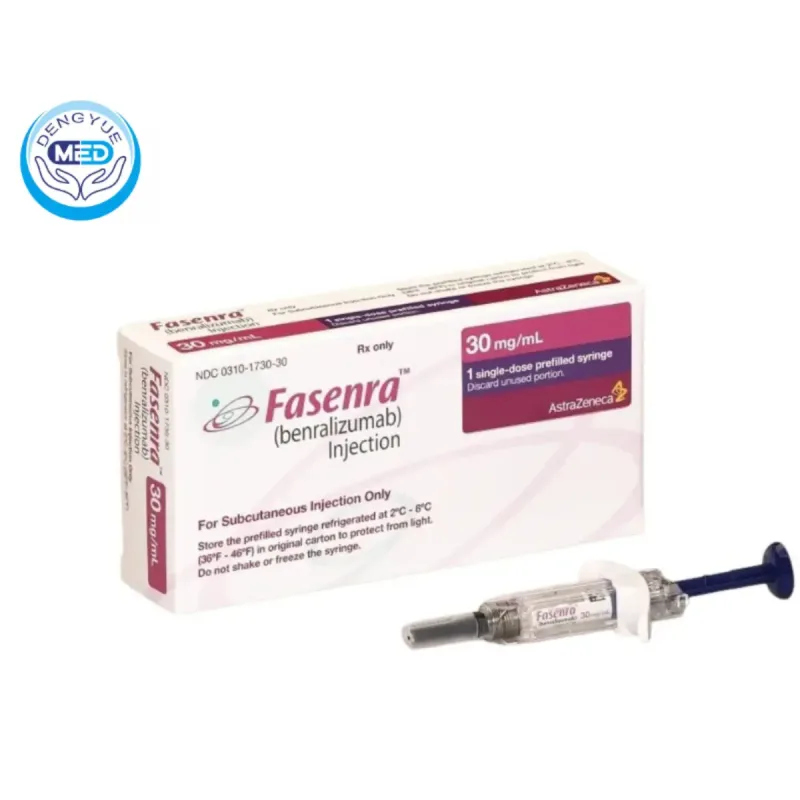
In the world of immunology and asthma management, Benralizumab Injection has emerged as a game-changer for patients struggling with severe eosinophilic asthma and eosinophilic granulomatosis with polyangiitis (EGPA).
This monoclonal antibody, developed by AstraZeneca in collaboration with AbbVie, is revolutionizing the way clinicians approach treatment for these chronic, often debilitating conditions.
What Is Benralizumab Injection?
Benralizumab Injection is a humanized monoclonal antibody that targets interleukin-5 receptor alpha (IL-5Rα), a key protein involved in the activation and survival of eosinophils, a type of white blood cell responsible for inflammation in diseases like asthma.
By binding to the IL-5Rα receptor, it reduces the number of eosinophils in the blood and tissues, directly addressing the root cause of inflammation in eosinophilic asthma and EGPA.
For patients with asthma, the reduction of eosinophil levels leads to fewer asthma attacks, improved lung function, and enhanced quality of life.
In EGPA, Benralizumab Injection helps to manage inflammation and prevent flare-ups, providing a new hope for patients with this rare and severe condition.
Benralizumab FDA Approval And Indications
Benralizumab approval is by the U.S. Food and Drug Administration (FDA) in 2017 for the treatment of severe eosinophilic asthma, specifically for patients who are not adequately controlled with inhaled corticosteroids and long-acting beta-agonists.
In addition, it received expanded approval for the treatment of eosinophilic granulomatosis with polyangiitis (EGPA) in 2020.
Severe eosinophilic asthma is a subtype of asthma characterized by elevated eosinophil levels, often resulting in poor asthma control and frequent exacerbations.
Benralizumab’s ability to target and deplete eosinophils offers a promising solution for patients who have not responded well to conventional treatments. Similarly, EGPA, a rare systemic vasculitis that involves eosinophilic inflammation, can be significantly improved with Benralizumab’s targeted action.
Benralizumab Clinical Trials, Administration And Dosage
Benralizumab Injection is administered as a subcutaneous injection and is typically given in a clinical setting, although it can also be self-administered at home after proper training.
The typical dosing schedule for severe eosinophilic asthma is an initial dose of 30 mg every 4 weeks for the first 3 doses, followed by maintenance dosing of 30 mg every 8 weeks.
For EGPA, the dosing regimen is similar, with an initial 30 mg dose administered every 4 weeks after the first three doses.
The transition to maintenance therapy is dependent on the patient’s clinical response. Patients are encouraged to follow up regularly with their healthcare provider to ensure optimal treatment outcomes.
Benralizumab Side Effects And Safety Profile
As with any medication, Benralizumab Injection may cause side effects. Common side effects include headache, pharyngitis (sore throat), fever, and injection site reactions (such as pain, redness, or swelling). These reactions are typically mild and manageable.
However, serious side effects such as hypersensitivity reactions (including anaphylaxis), infections, and parasitic infections have been reported, though they are relatively rare.
As a precaution, patients are monitored for signs of infection during treatment. Health providers may recommend screening for latent tuberculosis before initiating therapy.
The safety of Benralizumab drug during pregnancy and breastfeeding has not been fully established, so it should only be used during pregnancy if the potential benefit outweighs the potential risks.
Market Impact And Future Prospects
Benralizumab Injection has already made a significant impact in the treatment of eosinophilic asthma and EGPA. As a biologic therapy, it represents a major step forward from traditional inhaled corticosteroids and oral medications.
The ability to target a specific immune pathway responsible for inflammation offers a much more precise treatment option, especially for patients who have not responded well to conventional therapies.
Looking to the future, Benralizumab’s efficacy in treating other eosinophil-driven conditions, such as chronic rhinosinusitis with nasal polyps (CRSwNP) and other rare eosinophilic diseases, is being explored.
Ongoing studies are investigating the potential benefits of Benralizumab drug in broader immunological conditions, which may expand its therapeutic reach.
Conclusion
Benralizumab drug is more than just a treatment for severe eosinophilic asthma and EGPA — it is a breakthrough in precision medicine, targeting the root cause of these diseases and offering a new standard of care.
With its proven efficacy and well-established safety profile, Benralizumab drug is improving the lives of many patients, helping them breathe easier and live better.
As the treatment landscape for asthma and eosinophilic disorders continues to evolve, Benralizumab Injection is set to remain a cornerstone of therapy, offering hope and long-term relief for those who need it most.
However, HK DengYue’s efforts to increase the affordability of the medicine are critical to ensuring that more patients benefit from it.
We welcome you to reach out to us to get Benralizumab Injection Price. DengYueMedicine is here to provide detailed medicine information, pricing, and support to ensure a smooth and reliable buying experience.
Feel free to contact us anytime to discuss your needs or ask any questions about the medicine.
Information from DengYueMed, China Drug Import and Export Wholesaler offers this information as a guide, not a substitute for professional medical advice. Consult your doctor before any treatment.