

With 60% Affected by Gastritis, How to Shield Your Stomach Health
Dengyuemed stresses that early steps not only save sight but also enhance life quality and cut long-term costs.
Gastric diseases remain highly prevalent in China. According to surveys, the incidence of ulcers in the population is about 10%, while gastritis affects as many as 60% of individuals, with 40% of cases classified as severe.
Living with stomach disease is painful—not only does it compromise overall health by disrupting normal digestion and nutrient absorption, but it also leads to symptoms such as stomach pain and bloating that interfere with daily work and life.
More concerning is the risk of progression to gastric cancer, posing a serious threat to life.
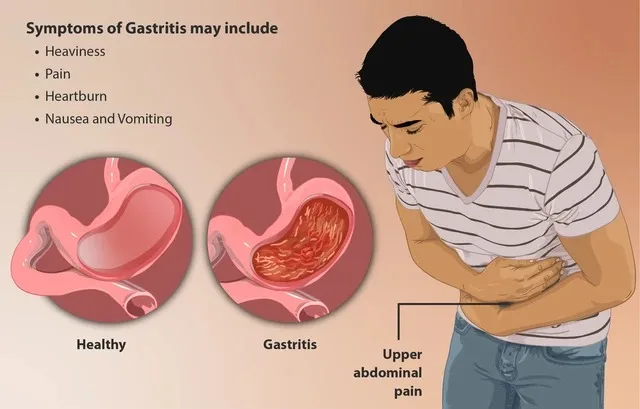
Why Stomach Health Matters
The high prevalence of stomach ailments—such as gastritis, affecting nearly 60% of the population in China, and peptic ulcers occurring in about 10%—has made gastrointestinal health a pressing public health issue.
Beyond common discomforts like pain, bloating, and indigestion, poor stomach function can disrupt nutrient absorption and weaken the body’s overall energy supply, impacting immunity and physical resilience.
In more severe cases, chronic neglect of stomach health may contribute to serious complications, including bleeding, perforation, or even the development of gastric cancer.
Protecting your stomach is not just about relieving symptoms—it’s essential to sustaining long-term health and preventing life-threatening conditions.
Daily Habits for Gastritis
Eat on Schedule and in Moderation
Stomach acid secretion follows a natural rhythm aligned with meal times. Frequent snacking disrupts this cycle and may lead to long-term issues. Stick to three balanced meals a day at consistent times, and avoid overeating or skipping meals.
Limit Smoking and Alcohol
Smoking reduces blood flow to the stomach and weakens the mucosal barrier, increasing the risk of damage. If you already have digestive issues, it’s best to quit entirely. While low-alcohol drinks like wine or beer may be consumed in moderation, excess alcohol can cause inflammation, erosion, or bleeding in the stomach lining.
Prioritize Food Hygiene
Maintaining strict food hygiene is one of the most effective ways to prevent stomach infections and support long-term gastrointestinal health. Always wash your hands thoroughly with soap and clean water before eating and after using the restroom.
When handling food, ensure all raw fruits and vegetables are rinsed under running water to remove pesticides, dirt, and potential pathogens. Avoid consuming spoiled, moldy, or improperly stored foods, as these can harbor harmful bacteria such as E. coli or H. pylori—a known contributor to gastritis and ulcers. Additionally, use separate cutting boards for raw and cooked foods to prevent cross-contamination, and ensure all meats are fully cooked before eating.
These simple yet essential practices significantly reduce the risk of bacterial infection and help maintain a healthy digestive system.
Use Medications Cautiously
Protecting your stomach involves being mindful of the medications you use. Common over-the-counter and prescription drugs—such as aspirin, ibuprofen, naproxen, and corticosteroids—are known to irritate the gastric mucosa, disrupt the protective barrier of the stomach, and stimulate excess acid production. Over time, these effects can contribute to conditions ranging from mild gastritis to more serious ulcers or gastrointestinal bleeding.
To minimize risks, always consult your doctor or pharmacist before starting new medications, especially if you already have stomach concerns.
Ask whether stomach-friendly alternatives are available, such as paracetamol (acetaminophen) instead of NSAIDs for pain relief. If you must use these drugs, take the lowest effective dose for the shortest duration possible, and always with food or a stomach-protecting agent as advised.
Never combine multiple NSAIDs or take them with alcohol, as this significantly increases the potential for stomach injury. Your gastric health depends on informed and cautious medication use.
Conclusion: Small Steps, Big Protection
Cultivating mindful daily routines—such as eating regularly, practicing good hygiene, and being cautious with medications—can significantly reduce your risk of stomach disorders.
Dengyue, your trusted China medicine wholesaler, cares about your gut. We believe that a stomach with gastritis deserves attentive care. Starting your wellness journey early is the key to reclaiming comfort and health.