
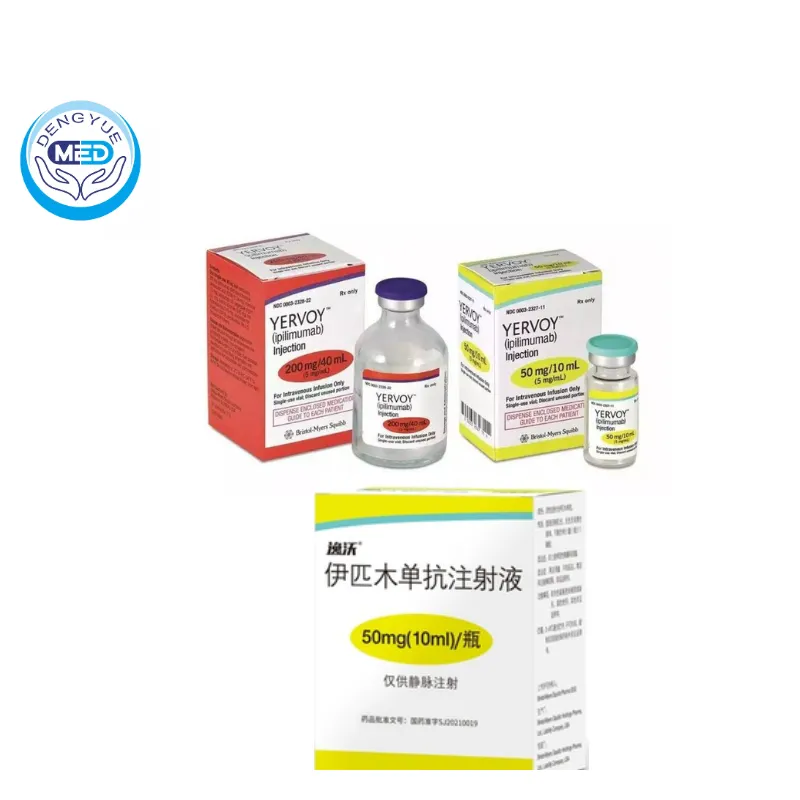
YERVOY (Ipilimumab) – Advanced Malignancies | HongKong DengYue Medicine
- Generic Name/Brand Name: Ipilimumab / YERVOY
- Indications: Melanoma, Renal Cell Carcinoma (RCC), Colorectal Cancer (MSI-H/dMMR), Hepatocellular Carcinoma (HCC), Non-Small Cell Lung Cancer (NSCLC), Malignant Pleural Mesothelioma (MPM), Esophageal Squamous Cell Carcinoma (ESCC)
- Dosage Form: Injection, solution for intravenous infusion
- Specification: 50 mg/10 mL (5 mg/mL) × 1 vial; 200 mg/40 mL (5 mg/mL) × 1 vial
YERVOY Ipilimumab Application Scope
-
Melanoma: Unresectable or metastatic (adults and ≥12 years) as monotherapy or with nivolumab; adjuvant treatment of cutaneous melanoma with nodal involvement (>1 mm) after complete resection.
-
Renal Cell Carcinoma (RCC): First-line, intermediate/poor risk, in combination with nivolumab.
-
Colorectal Cancer (MSI-H/dMMR): Unresectable or metastatic, with nivolumab (adults and ≥12 years).
-
Hepatocellular Carcinoma (HCC): First-line with nivolumab; also with nivolumab after prior sorafenib.
-
Non-Small Cell Lung Cancer (NSCLC): First-line with nivolumab for PD-L1 ≥ 1% and, separately, with nivolumab + 2 cycles of platinum-doublet chemotherapy (no EGFR/ALK).
-
Malignant Pleural Mesothelioma (MPM): First-line with nivolumab.
-
Esophageal Squamous Cell Carcinoma (ESCC): First-line with nivolumab for PD-L1 ≥ 1.
YERVOY Ipilimumab Characteristics
-
Ingredients: Ipilimumab
-
Properties: A sterile, preservative-free, clear to slightly opalescent, colorless to pale yellow solution for intravenous infusion
-
Packaging Specification:
-
50 mg/10 mL (5 mg/mL) single-use vial.
-
200 mg/40 mL (5 mg/mL) single-use vial
-
-
Storage: Store unopened vials in a refrigerator at 2°C to 8°C in the original package to protect from light. Do not freeze
-
Expiry Date: 36 months for unopened vials
-
Executive Standard: Follow the manufacturer’s prescribing information and local pharmacopeial standards.
-
Approval Number: 国药准字SJ20210019
-
Date of Revision: Please refer to the latest version of the package insert for the most recent revision date
-
Manufacturer: Bristol-Myers Squibb (BMS)
Guidelines for the Use of YERVOY Ipilimumab
-
Dosage and Administration:
-
Recommended Dose:
-
Unresectable or Metastatic Melanoma (Monotherapy): 3 mg/kg every 3 weeks for 4 doses.
-
Adjuvant Treatment of Melanoma: 10 mg/kg every 3 weeks for 4 doses, then 10 mg/kg every 12 weeks for up to 3 years.
-
Combination Therapy with Nivolumab (e.g., for RCC, NSCLC, MPM, etc.): Ipilimumab is typically dosed at 1 mg/kg or 3 mg/kg on specific schedules alongside nivolumab, as per the approved regimen.
-
Dose modifications or permanent discontinuation may be required based on adverse reactions.
-
-
Administration:
-
Administer via intravenous infusion over 30 minutes (for most combination regimens) or 90 minutes (for monotherapy).
-
When used in combination with nivolumab, nivolumab is usually infused first, followed by ipilimumab on the same day.
-
Dilute the required volume of YERVOY in 0.9% Sodium Chloride Injection or 5% Dextrose Injection to a final concentration between 1 mg/mL and 2 mg/mL.
-
Use a sterile, non-pyrogenic, low-protein binding in-line filter.
-
Do not mix with other medicinal products via the same intravenous line
-
-
Missed Dose: If a dose is missed, administer as soon as possible. Adjust the subsequent dose schedule to maintain the recommended interval. Consult the prescribing physician for specific guidance.
-
-
Adverse Reactions:
-
Common Adverse Reactions: Fatigue, diarrhea, pruritus (itching), rash, colitis, nausea, vomiting, decreased appetite, abdominal pain, endocrinopathies (e.g., hypothyroidism), and fever.
-
Serious Adverse Reactions:
-
Immune-mediated enterocolitis: Severe diarrhea, abdominal pain, hematochezia, or perforation.
-
Immune-mediated hepatitis: Increased liver enzymes, jaundice.
-
Immune-mediated dermatitis: Severe skin reactions, including toxic epidermal necrolysis.
-
Immune-mediated endocrinopathies: hypophysitis, thyroid disorders, adrenal insufficiency.
-
Immune-mediated neuropathies: Motor or sensory neuropathy.
-
Other serious irAEs can involve the lungs (pneumonitis), kidneys (nephritis), eyes (uveitis), and heart (myocarditis).
-
-
-
Contraindications: History of severe hypersensitivity reaction to ipilimumab or any of its excipients
-
Precautions:
- Immune-Mediated Reactions: Permanently discontinue YERVOY for severe (Grade 3-4) immune-mediated reactions. Initiate high-dose corticosteroids and appropriate medical management
- Endocrinopathies: Monitor thyroid function tests and assess for signs/symptoms of endocrinopathies (e.g., headache, fatigue, changes in mood/behavior, dizziness, fainting)
-
Gastrointestinal Toxicity: Evaluate patients for signs of diarrhea or colitis. Rule out infectious etiologies
-
Neurologic Toxicity: Monitor for motor or sensory neuropathy
YERVOY Interactions
-
No formal pharmacokinetic drug interaction studies have been conducted.
-
Use caution with other immunosuppressive agents, as this may increase the risk of infections.
-
Avoid live vaccines during treatment with YERVOY due to potential decreased immune response and increased risk of infection.
Note:
- If there is a new packaging for the drug, the new packaging shall prevail. The above information is sourced from DengYue Medicine.
- This content is for reference only. Prescription drugs must be used under a doctor’s guidance and purchased from authorized sources.
Related products
-

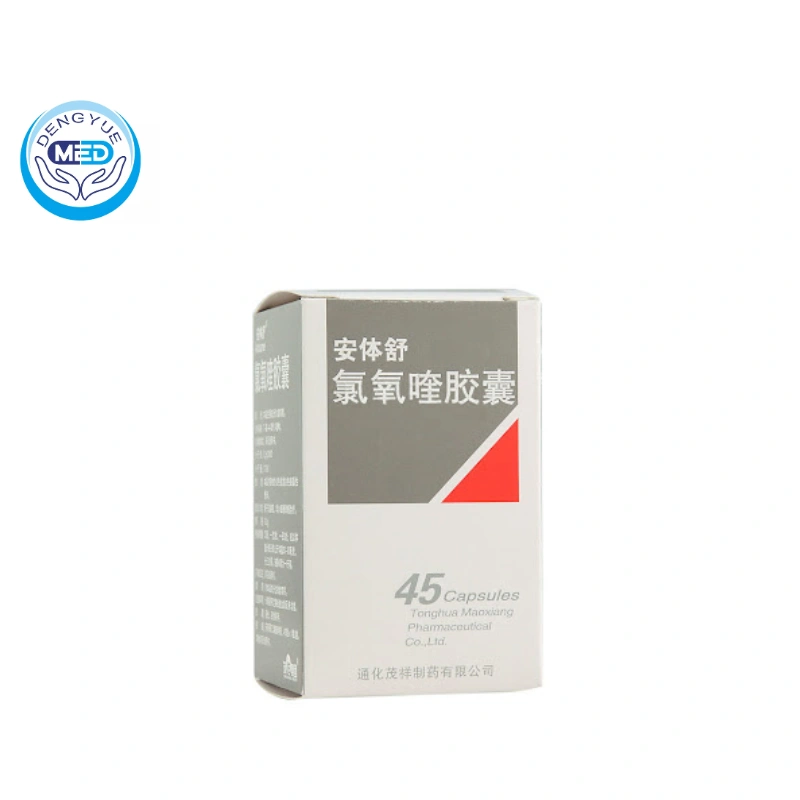
Chloroxoquinoline Capsules | Lung Cancer
-
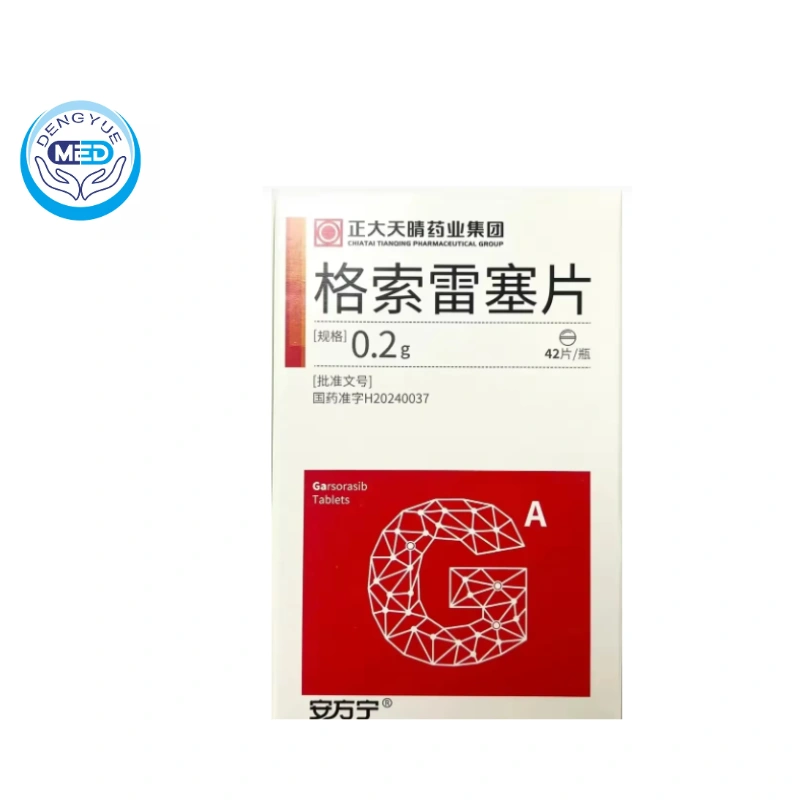
Anfangning (Garsorasib) – NSCLC | HongKong DengYue Medicine
-

Taletrectinib Adipate Capsules|Non–small cell lung cancer
-
Capmatinib|Non-Small Cell Lung Cancer (NSCLC)
-
Opdivo (Nivolumab) – NSCLC | HongKong DengYue Medicine
-
Lazertinib | Non-Small Cell Lung Cancer | HongKong DengYue Medicine
-
Selpercatinib|Thyroid Cancer|HongKong DengYue Medicine
-
Encorafenib|Non-Small Cell Lung Cancer|HongKong DengYue Medicine
Reviews
There are no reviews yet.