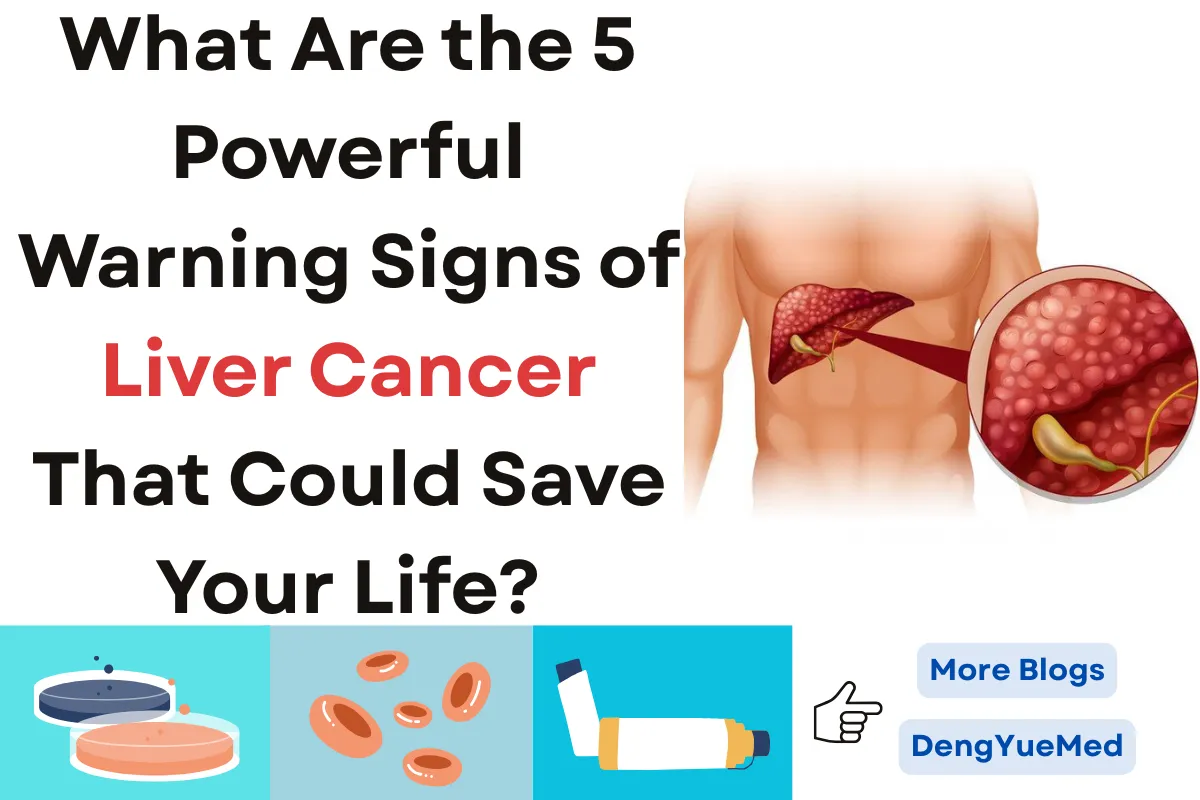
What Are the 5 Powerful Warning Signs of Liver Cancer That Could Save Your Life?
Liver cancer is one of the most common and deadly cancers worldwide, often developing silently until it reaches an advanced stage.
That’s why so many people ask the urgent question: what are the 5 powerful warning signs of liver cancer that could save your life?
Recognizing these early signals can make a life-saving difference, allowing doctors to detect the disease sooner and begin treatment before it spreads.
At Hong Kong DengYue Medicine, we stress the importance of awareness and early detection to help patients and healthcare professionals find the most effective treatment options for liver cancer.
What Can Cause Liver Cancer?
Liver cancer most commonly develops as a result of long-term damage to the liver. Chronic hepatitis B or C infections are major causes worldwide, leading to years of inflammation and scarring that can progress to cirrhosis and then cancer.
Heavy alcohol use and alcoholic cirrhosis are also strong contributors, particularly in Western countries. Non-alcoholic fatty liver disease (NAFLD) and its advanced form, non-alcoholic steatohepatitis (NASH), are now fast-rising causes of liver cancer, linked to obesity and diabetes.
Certain genetic and metabolic disorders—such as hemochromatosis (iron overload) or Wilson’s disease (copper accumulation)—can also set the stage for liver damage and cancer.
Exposure to aflatoxins (toxins produced by contaminated grains or nuts) in certain regions of the world also increases the risk.
Understanding your personal risk factors means you can take steps to lower them: vaccination against hepatitis B, antiviral therapy for chronic hepatitis, limiting alcohol intake, keeping a healthy weight, and regular monitoring if you have cirrhosis.
Protecting your liver today gives you a better chance of avoiding liver cancer tomorrow. ❤️
How Long Can You Have Liver Cancer Without Knowing?
Liver cancer is often called a “silent disease” because it may stay hidden for months or even years before showing obvious signs.
Many patients are first diagnosed during routine blood work or imaging done for another reason. Small tumors can grow slowly and remain asymptomatic until they reach a size that affects liver function or causes discomfort.
For high-risk individuals—those with chronic hepatitis B or C, cirrhosis, or family history—screening every 6 months with ultrasound and blood tests for AFP (alpha-fetoprotein) is recommended.
Early-stage liver cancer has a much higher chance of cure, with survival rates after surgery or transplant reaching 60–70%.
This means that catching cancer early, even before symptoms start, can literally save lives. If you are in a high-risk group, consider regular checkups an investment in your future health. 🌱
What Are The 5 Powerful Warning Signs Of Liver Cancer That Could Save Your Life?
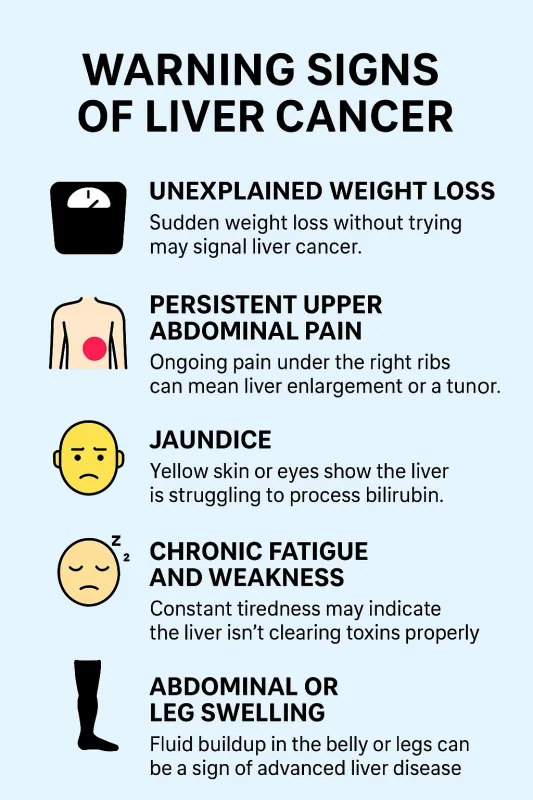
Unexplained Weight Loss
Sudden, unintentional weight loss is often one of the first clues that something may be wrong with your liver. In liver cancer, weight loss can result from a combination of reduced appetite, increased metabolic demands of the tumor, and the liver’s impaired ability to store and release nutrients.
Studies show that cancer-related weight loss (known as cancer cachexia) affects over 50% of liver cancer patients at diagnosis and is associated with poorer outcomes if not addressed early.
In some cases, weight loss may be accompanied by muscle wasting, which further weakens the body. If you notice losing more than 5% of your body weight over a few months without trying, it’s time to speak to a doctor and rule out serious causes.
Listening to this early signal can help you act before the disease advances. 🌱
Persistent Upper Abdominal Pain
Knowing liver cancer causes can help you understand why these symptoms appear. This pain may indicate liver enlargement or tumor pressure on surrounding organs.
In some cases, patients describe a dull ache that radiates to the back or right shoulder. Research shows that up to 40–50% of patients with hepatocellular carcinoma (HCC) report some form of abdominal discomfort by the time of diagnosis.
While not all pain is due to cancer, persistent or worsening pain should never be ignored. Timely imaging, such as an ultrasound or CT scan, can reveal if the liver is enlarged or if a mass is present.
Early identification allows for more treatment options and better control of pain. Taking your symptoms seriously is the first step toward protecting your health. 💪
Jaundice (Yellowing Of Skin And Eyes)
Jaundice is one of the most visible signs that your liver is under stress. When the liver cannot process bilirubin effectively, this yellow pigment builds up in the blood and causes yellowing of the skin, eyes, and even darkening of urine.
In liver cancer, jaundice often signals a blockage of bile ducts by a tumor or severe liver dysfunction caused by cirrhosis and tumor infiltration.
Clinical studies indicate that patients with jaundice tend to have more advanced disease, making this symptom an important red flag.
If you or someone you know notices jaundice, seek medical care quickly—simple blood tests (liver function tests) and imaging can determine the cause. Acting promptly may prevent further complications and open the door to treatment. 🌟
Chronic Fatigue And Weakness
Extreme, persistent fatigue that does not improve with rest is another warning sign of liver cancer. The liver plays a crucial role in detoxifying the blood, storing energy, and producing proteins.
When it is compromised by cancer, toxins may accumulate, glucose production may drop, and anemia or malnutrition may set in—leading to constant tiredness.
Studies have found that up to 80% of patients with advanced liver cancer experience fatigue as a major symptom impacting quality of life.
If fatigue is interfering with daily activities, it deserves medical evaluation, especially if combined with other signs such as weight loss or abdominal discomfort.
Getting checked early can help restore energy and improve overall wellbeing. Remember, your tiredness is not just in your head—your body is telling you something important. ✨
Swelling In Abdomen Or Legs
Swelling in the abdomen (ascites) or legs (edema) is often a sign that liver function is severely impaired. In liver cancer, this can result from portal hypertension (increased pressure in the liver’s blood vessels) or reduced protein production, which allows fluid to leak into tissues.
Ascites can cause significant discomfort, shortness of breath, and reduced appetite. Studies show that more than 50% of patients with cirrhosis and liver cancer eventually develop ascites, and managing it often requires draining the fluid (paracentesis) and medications to reduce recurrence.
Leg swelling may also indicate advanced disease or heart and kidney strain due to the cancer. If you notice new or worsening swelling, seek prompt evaluation—effective management can relieve discomfort and prevent complications.
Taking action now can help you feel more comfortable and maintain your quality of life. 💖
Does Liver Cancer Spread Quickly?
The speed at which liver cancer spreads depends on tumor type, liver function, and overall health. Some tumors, such as well-differentiated hepatocellular carcinoma (HCC), may grow slowly over months, whereas aggressive forms can progress quickly and spread beyond the liver.
Once cancer reaches nearby lymph nodes or distant organs like the lungs or bones, treatment becomes more complex and survival rates drop significantly.
This is why staging and timely treatment are crucial. For many patients, locoregional therapies such as embolization can help keep cancer contained in the liver for as long as possible, slowing progression.
Listening to symptoms and following up promptly with imaging can make a major difference. Stay proactive—catching cancer before it spreads improves outcomes dramatically. 🌟
What Is The Last Stage Of Liver Cancer?
Stage IV, or advanced-stage liver cancer, means the cancer has spread outside the liver to distant organs or major blood vessels.
the growth of cancer, managing symptoms, and enhancingSymptoms at this stage may include severe fatigue, weight loss, pain, jaundice, ascites (fluid buildup), and loss of appetite. Treatment focuses on slowing cancer growth, managing symptoms, and improving quality of life.
Even in the last stage, advances in therapy are making a difference—targeted therapies and immunotherapies can extend survival and help patients feel better.
Palliative care can relieve pain, ease digestive symptoms, and provide emotional support. Every day can still hold meaning and comfort, and seeking the right care can help make the most of that time. 🌼
Is Liver Cancer Painful?
In its earliest stages, liver cancer may not cause any pain. As the tumor grows, pain can develop in the upper right abdomen or radiate to the back and shoulder due to liver capsule stretching or nerve pressure.
If the cancer blocks the bile ducts or causes ascites, bloating, and discomfort, it may worsen. Thankfully, pain management is an important part of modern liver cancer care.
Local treatments like radiofrequency ablation or embolization can shrink tumors and relieve pressure, while medications and nerve blocks can significantly reduce pain.
If you experience persistent discomfort, talk to your doctor—pain control is a right, not a luxury. You deserve to live as comfortably as possible. ❤️
How Long Can You Live With Liver Cancer?
Survival depends on many factors: the size and number of tumors, whether the cancer has spread, liver function (Child-Pugh score), and treatment options.
Overall, the average 5-year survival rate for liver cancer is around 20%, but for patients diagnosed at an early stage and treated with surgery or transplant, survival can exceed 60–70%.
For advanced disease, new treatments such as targeted drugs (sorafenib, lenvatinib) and immunotherapy (atezolizumab + bevacizumab) have been shown in clinical trials to improve survival and quality of life.
Even if a cure is not possible, extending meaningful life is a realistic goal. Remember, statistics are only numbers—your journey is unique, and many patients live much longer than expected. 🌈
Can You Recover From Cancer Of The Liver?
Recovery is possible, especially for those diagnosed early. Surgical resection and liver transplantation offer the highest chance of a cure.
In select cases, local treatments such as ablation or embolization can completely eliminate tumors. After treatment, ongoing monitoring is crucial to catch any recurrence early.
For those with more advanced disease, recovery may mean controlling cancer, relieving symptoms, and returning to a good quality of life for as long as possible.
Many people continue to work, travel, and spend time with loved ones during treatment. Recovery is about living—not just surviving. 💖
Liver Cancer Treatments: Key Therapies You Should Know
Stivarga (Regorafenib)
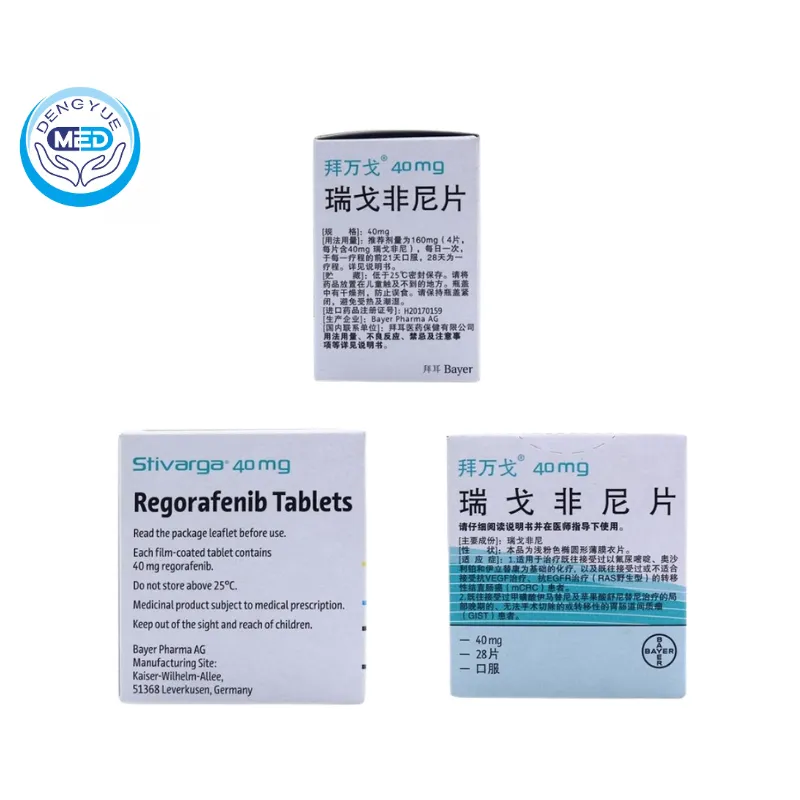
Stivarga is an oral multikinase inhibitor widely used in liver cancer treatment for patients whose disease has progressed after first-line therapy. It works by blocking multiple enzymes involved in tumor growth and blood vessel formation, helping slow disease progression and improve survival outcomes.
YERVOY (Ipilimumab)
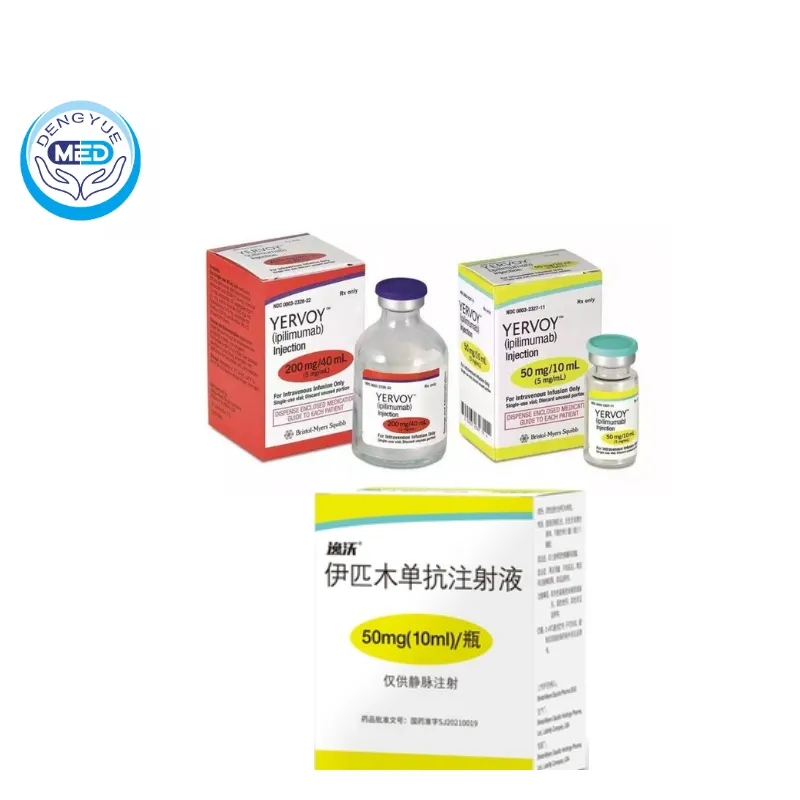
YERVOY is an immune checkpoint inhibitor that targets CTLA-4, one of the key brakes on the immune system. In advanced liver cancer, it is often combined with other immunotherapies like nivolumab to enhance the body’s natural ability to recognize and destroy cancer cells, offering new hope for patients with unresectable disease.
Zepsun (Donafenib Tosilate)
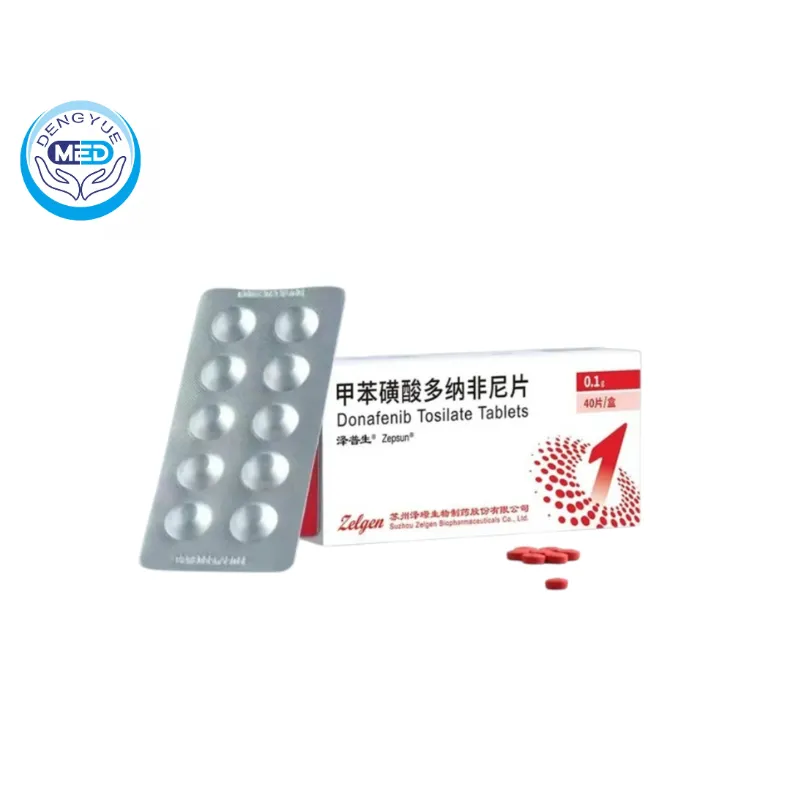
Zepsun is a targeted kinase inhibitor specifically developed for hepatocellular carcinoma (HCC). It interferes with cancer cell signaling pathways that drive uncontrolled growth and angiogenesis, helping delay tumor progression and extend overall survival for patients with unresectable or advanced liver cancer.
Oncorine (Recombinant Human Adenovirus 5 Injection)
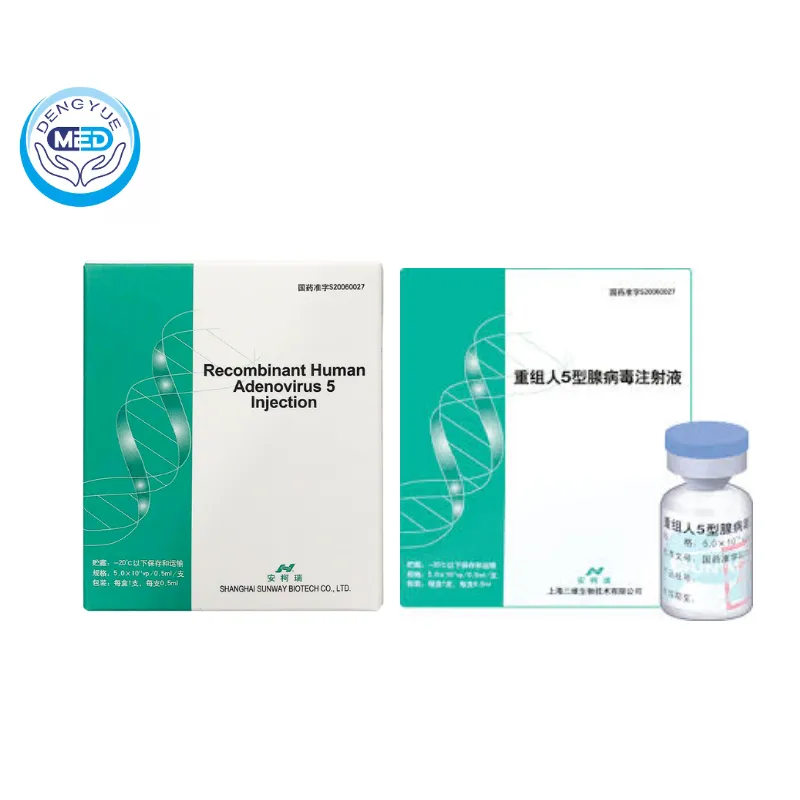
Oncorine is the world’s first approved oncolytic virus therapy, designed to selectively infect and kill tumor cells. In liver cancer treatment, it not only destroys cancer cells directly but also stimulates an immune response, making it a promising option for patients who do not respond to conventional treatments.
Tibsovo (Ivosidenib)
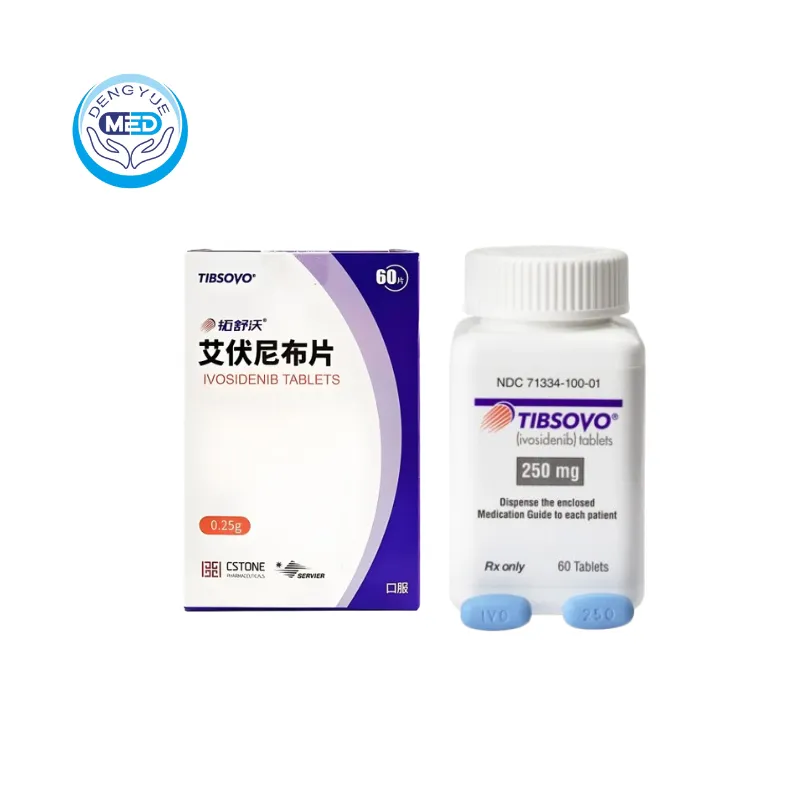
Tibsovo is an IDH1 inhibitor used in selected patients with IDH1-mutated liver cancer. By blocking the abnormal enzyme that drives tumor metabolism, Tibsovo can slow cancer growth and offer a more personalized treatment approach, particularly for patients with limited options.
FAQ about What Are the 5 Powerful Warning Signs of Liver Cancer That Could Save Your Life?
What Are the Four Stages of Liver Cancer?
Liver cancer is classified into four stages, from Stage 1 (a single small tumor) to Stage 4 (cancer has spread to distant organs). Each stage guides treatment choices and prognosis.
How to Detect Liver Cancer Early?
Early detection relies on regular screening for high-risk people, imaging tests like ultrasound, and blood tests for AFP levels. Catching it early greatly improves treatment success.
Can a Blood Test Show Liver Cancer?
Yes, a blood test measuring Alpha-Fetoprotein (AFP) can suggest liver cancer, but imaging scans are needed to confirm the diagnosis.
Can Chemo Cure Liver Cancer?
Chemotherapy can help control or shrink liver cancer, but it rarely cures it. Early surgery, ablation, or transplant offer the best chance of a cure.