

How Could Retatrutide Reshape Global Peptide API Demand After Phase III Success?
Over the past five years, the global weight-loss drug market has evolved from GLP-1 single-target therapies to dual-target mechanisms, driving peptides from early research into large-scale commercial development.
With Eli Lilly and Company announcing Phase III success of Retatrutide, the obesity treatment landscape has entered a new phase of advancement. This triple receptor agonist not only improves efficacy but also increases complexity in peptide design, manufacturing, and global supply chains.
👉 For DengYueMed, a Chinese pharmaceutical distributor focused on international supply chains and peptide trends, the significance of this milestone goes beyond clinical outcomes.
More importantly, retatrutide reshape global peptide API demand may be the most relevant lens to understand the next stage of the industry, as triple-agonist obesity drugs gradually move toward commercialization. This signals a potential expansion cycle in:
- global peptide APIs
- complex manufacturing systems
- upstream raw material markets
Retatrutide Phase III Success: A New Stage for Obesity Therapies
On May 21, Eli Lilly announced positive Phase III clinical results for its GCG/GIP/GLP-1 triple receptor agonist Retatrutide, triggering renewed global attention on obesity therapeutics.
📊 According to published data, in Phase III studies involving adults with obesity or overweight conditions, patients receiving a 12 mg dose achieved an average weight reduction of 28.3% over 80 weeks.
Nearly half of participants lost more than 30% of their body weight, with some severe obesity patients exceeding 30% weight loss after two years of continuous treatment.
This level of efficacy is approaching that of bariatric surgery. ✅
In addition to weight reduction, significant improvements were observed in waist circumference, lipid profiles, triglycerides, and blood pressure indicators.
This outcome not only reinforces Eli Lilly’s leadership in the global obesity drug market, but also prompts the industry to reassess how retatrutide reshape global peptide API demand across the entire value chain.
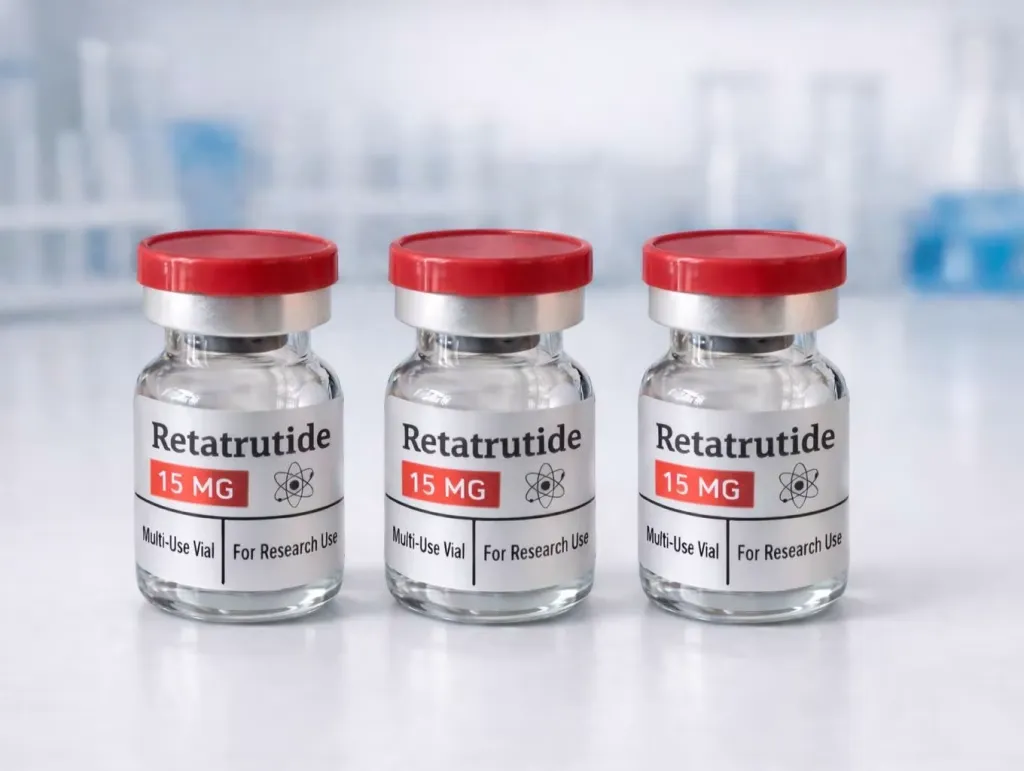
From GLP-1 to Triple Agonists: Entering the Era of Complex Peptides
In recent years, GLP-1 receptor agonists represented by semaglutide have driven rapid market expansion.
Subsequently, tirzepatide introduced a dual GLP-1/GIP mechanism, significantly improving efficacy and signaling the importance of multi-target approaches.
Retatrutide further advances this evolution by simultaneously targeting: 🔽
- GLP-1 receptor
- GIP receptor
- Glucagon receptor
This marks the transition into a true triple-agonist era.
Such evolution implies:
- More complex molecular structures
- Longer peptide chain design
- Stricter impurity control requirements
- Higher purity standards
- More advanced large-scale manufacturing validation
As a result, retatrutide reshape global peptide API demand is not only about volume growth, but also structural transformation of the manufacturing ecosystem.
The industry is shifting from drug discovery competition to complex peptide manufacturing capability competition.
Global Peptide API and Upstream Raw Material Demand Structure Is Changing
Many observers focus only on the obesity drug market when analyzing Retatrutide. However, from an industrial perspective, the more important shift is how retatrutide reshape global peptide API demand across upstream supply chains.

1. Fmoc amino acid demand entering a new growth cycle
Within solid-phase peptide synthesis (SPPS), Fmoc-protected amino acids remain the core building blocks.
As complex long-chain peptides like Retatrutide scale up, demand for high-purity Fmoc amino acids is expected to increase significantly.
Key products include:
- Fmoc-Lys(Boc)-OH
- Fmoc-Aib-OH
- Fmoc-Arg(Pbf)-OH
- Fmoc-Ser(tBu)-OH
- Fmoc-His(Trt)-OH
- Fmoc-Glu(OtBu)-OH
- Fmoc-Tyr(tBu)-OH
These materials are widely used in GLP-1 drugs, multi-target peptides, and long-acting peptide formulations.
As molecular complexity increases, requirements are also upgrading:
- Higher optical purity
- Lower impurity profiles
- Improved batch consistency
- Higher coupling efficiency
- Stronger GMP compliance
The real competitive advantage in the future may no longer lie simply in the ability to produce raw materials, but in the capability to consistently supply high-purity, scalable complex peptide raw materials that meet international quality system standards.
2. Rising value of non-natural amino acids and special building blocks
Next-generation peptide drugs rely increasingly on:
- Non-natural amino acids
- Structural stabilization modifications
- Half-life extension strategies
Aib (α-aminoisobutyric acid) is one of the most important examples.
These components enable:
- Higher molecular stability
- Longer half-life
- Improved receptor selectivity
- Reduced enzymatic degradation
As triple agonist pipelines expand, retatrutide reshape global peptide API demand through increased reliance on high-barrier specialty amino acids.
3. Resin systems becoming a hidden growth driver
While APIs attract most attention, resin systems are critical in SPPS manufacturing.
Common resins include:
- Wang Resin
- Rink Amide Resin
- Chlorotrityl Resin
- TentaGel Resin
In large-scale production, resin performance directly impacts:
- Yield efficiency
- Impurity control
- Process stability
- Manufacturing cost
In the future, high-end resin systems are likely to become one of the key competitive segments in the peptide industry chain.
4. Coupling reagents and synthesis chemistry upgrading
As peptide chains grow longer, coupling efficiency becomes increasingly critical.
Key reagents include:
- HATU
- HBTU
- DIC
- Oxyma
- PyBOP
Inefficient coupling can lead to:
- Increased impurities
- Lower yields
- Higher purification burden
- Rising production costs
Therefore, retatrutide reshape global peptide API demand is also reshaping core peptide synthesis chemistry systems.
5. Purification becoming a key bottleneck
Purification is often more difficult than synthesis for complex peptides.
Key areas include:
- Preparative HPLC systems
- Chromatography resins
- High-end separation media
- Lyophilization systems
- Ultrafiltration systems
For high-purity peptide APIs, purification capability is becoming one of the most important barriers in the industry.
This is a critical dimension of how retatrutide reshape global peptide API demand is evolving.
6. Lipid modification and long-acting technologies
Long-acting peptides are a key development direction in GLP-1 therapies.
Key enabling technologies include:
- Fatty acid conjugation
- Linker chemistry
- PEGylation
- Albumin-binding design
Relevant raw materials include:
- C18 fatty diacid derivatives
- Linker intermediates
- PEGylation materials
- Albumin-binding modifiers
Currently, global suppliers in these areas remain relatively limited, and they are likely to become high-value-added segments in the future.
7. Sterile injectables and cold chain expansion
Retatrutide remains an injectable peptide drug.
Its commercialization will drive growth in:
- Sterile filling
- Injectable manufacturing
- Lyophilization systems
- Prefilled pen systems
- Cold-chain logistics
As obesity treatments shift toward chronic use, retatrutide reshape global peptide API demand will increasingly influence downstream pharmaceutical infrastructure.
China’s Peptide Supply Chain Entering a New Growth Window
Under the expansion of GLP-1 and next-generation multi-target obesity drugs, the global peptide industry is entering a new supply chain restructuring cycle.
Unlike the previous cost-driven phase, China’s role is evolving toward a three-dimensional advantage system:
- Scaled manufacturing capability
- Mature process engineering
- Supply stability and reliability
These factors are increasingly shaping how retatrutide reshape global peptide API demand globally.
1. Strong scale and cost competitiveness
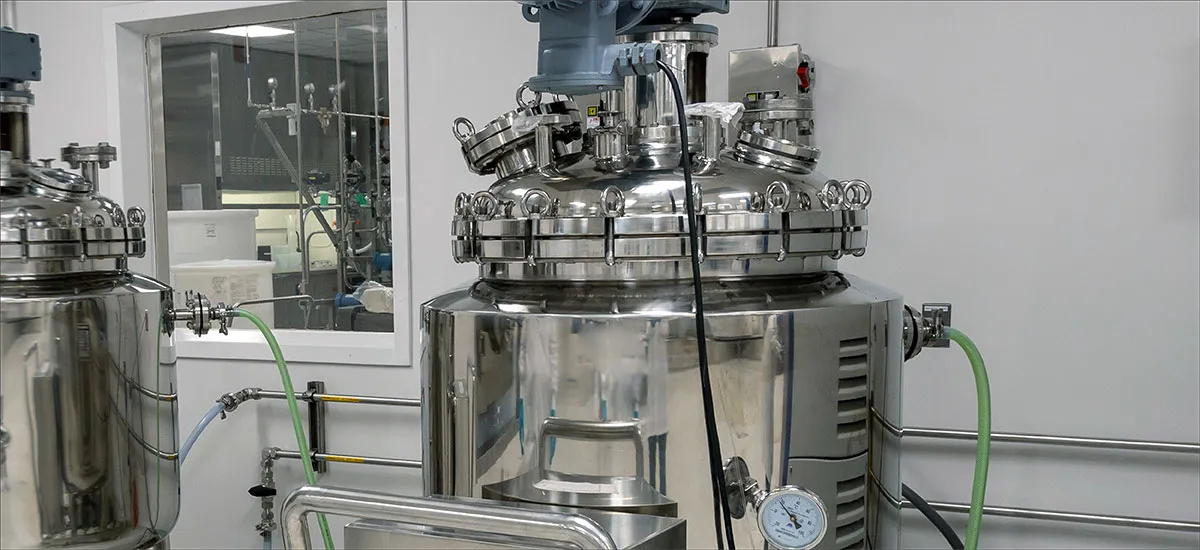
China has established a complete industrial peptide manufacturing system, covering from laboratory-scale supply to ton-level commercial production.
With mature SPPS technology, China maintains strong advantages in:
- Raw material accessibility
- Manufacturing efficiency
- Unit production cost
This makes China a key player as retatrutide reshape global peptide API demand expands globally.
2. Improved complex peptide manufacturing capabilities
As GLP-1 evolves into dual- and triple-target therapies, molecular complexity increases significantly.
Chinese manufacturers have improved in:
- Long-chain peptide synthesis
- Fragment condensation technology
- Advanced amino acid protection chemistry
- HPLC purification systems
The improvement of these capabilities enables China’s supply chain to move beyond standard GLP-1 raw materials and gradually develop industrial-scale capabilities to support more complex peptide systems.
3. Strengthened global delivery and compliance systems
Supply stability is becoming a core competitive factor.
China’s advantages include:
- Scalable production systems
- Flexible capacity allocation
- Improved GMP compliance
- Enhanced global regulatory alignment
These improvements reinforce China’s role in global supply chains as retatrutide reshape global peptide API demand continues to evolve.
Conclusion: Competition Is Shifting Toward Supply Chain Capability
Retatrutide Phase III success is likely just the beginning, and may represent an early signal of how retatrutide reshape global peptide API demand in the next stage of industry evolution.
In the coming years, the global obesity drug market may continue shifting toward triple agonists, oral peptide drugs, long-acting therapies, and next-generation peptide engineering technologies.
As molecular complexity increases, demand for peptide APIs, peptide synthesis, GMP manufacturing systems, purification technologies, and cold-chain infrastructure will continue to grow.
HongKong DengYueMed is gradually expanding its role across finished pharmaceuticals, upstream peptide raw materials, and supply chain integration services, participating more deeply in global pharmaceutical distribution networks during this new industry cycle.

Build a Stable Peptide Supply Chain with Reliable Partners
FAQ about Retatrutide Reshape Global Peptide API Demand
What is Retatrutide and why is it important in obesity treatment?
Retatrutide is a triple receptor agonist targeting GLP-1, GIP, and glucagon receptors. It has shown strong Phase III clinical results and represents a new generation of obesity therapies with improved efficacy and metabolic benefits.
How does Retatrutide impact global peptide API demand?
Retatrutide increases the complexity of peptide drug development, which drives higher demand for high-purity peptide APIs. It also accelerates the need for scalable manufacturing systems and more advanced supply chain capabilities.
Why are upstream raw materials important in peptide manufacturing?
Upstream raw materials such as Fmoc amino acids, resins, and coupling reagents directly determine peptide quality and production efficiency. As peptide structures become more complex, demand for high-quality raw materials continues to grow.
How is the global peptide supply chain changing with new obesity drugs?
The peptide supply chain is shifting from basic production capacity to integrated systems covering synthesis, purification, GMP compliance, and cold-chain logistics. This evolution is driven by the rapid development of triple agonists and next-generation peptide therapies.