Is Atopic Dermatitis a Skin Condition or a Systemic Warning?
🔍 What is Atopic Dermatitis?
Atopic dermatitis (AD) is a chronic inflammatory skin condition affecting millions worldwide.
Key characteristics:
- Intense itching and dry skin
- Recurrent eczema-like rashes
- Typically begins in childhood (60% of cases appear in the first year of life)
- Often associated with other allergic conditions (asthma, hay fever)
🤔 Atopic Dermatitis vs Eczema
While often used interchangeably, important differences exist:
| Feature | Atopic Dermatitis | Other Eczema Types |
|---|---|---|
| Genetics | Strong hereditary component | Less genetic association |
| Immune Profile | Elevated IgE levels | Normal IgE typically |
| Disease Course | Often persistent, severe | More likely to resolve |
| Skin Barrier | Filaggrin mutations common | Less barrier dysfunction |
🧬 What is Atopic Dermatitis Caused by?
Multiple factors contribute to AD development:
Genetic Factors
- 50-80% risk if both parents have AD
- Filaggrin gene mutations (present in ~30% of AD patients)
Immune System Factors
- Th2 immune pathway overactivation
- Elevated inflammatory cytokines (IL-4, IL-13, IL-31)
- Impaired antimicrobial peptide production
Environmental Triggers
Common exacerbating factors include:
- Low-humidity climates
- Harsh soaps/detergents
- Dust mites and pet dander
- Certain foods (in some patients)
- Stress and lack of sleep
⚠️ Atopic Dermatitis Symptoms
Symptoms vary by age group:
Infants (0-2 years)
- Red, oozing patches on cheeks/scalp
- Intense itching leading to irritability
- Often, the spare diaper area
Children (2-12 years)
- Flexural areas affected (elbows, knees)
- Lichenification (thickened skin)
- Dennie-Morgan lines under the eyes
Adults
- Persistent flexural involvement
- Hand/foot dermatitis is common
- Head/neck pattern in some cases
🕒 How Does Atopic Dermatitis Start?
Typical progression:
- Early Signs:
- Dry, scaly patches on cheeks
- Intense itching
- Redness spreading to other areas
2. Atopic March:
- AD often appears first
- Followed by food allergies
- Then allergic rhinitis/asthma
3. Factors Influencing Onset:
- Family history
- Urban environments
- Early microbiome changes
🧼What is the Best Treatment for Eczema?
The best treatment for eczema depends on severity, but experts recommend a stepped-care approach that starts with skincare and advances to prescription therapies when needed :
1. Skin Care Essentials
- Daily moisturizers (emollients) after bathing to repair the skin barrier.
- Gentle cleansers, lukewarm baths, and avoiding irritants like harsh soaps and fragrances.
2. First-line Topical Medications
- Low- to mid-potency topical corticosteroids during flare-ups to reduce inflammation.
- Calcineurin inhibitors (tacrolimus, pimecrolimus) for sensitive areas or steroid alternatives.
- PDE‑4 inhibitors (crisaborole, roflumilast cream) for mild‑to‑moderate eczema, offering anti-inflammatory relief without steroids.
- Topical JAK inhibitors (ruxolitinib cream) and AHR agonists (tapinarof) are newer but effective options.
3. Advanced Treatments for Persistent or Severe Eczema
- Oral/systemic therapies: Short courses of corticosteroids, immunosuppressants (methotrexate, cyclosporine), or antihistamines under medical supervision.
- Oral JAK inhibitors (abrocitinib, upadacitinib) for moderate‑to‑severe cases with rapid symptom relief.
4. Biologics & Phototherapy
- Biologics (dupilumab, tralokinumab, lebrikizumab, nemolizumab) target specific immune pathways, offering effective long-term control.
- Phototherapy (narrowband UVB) under dermatologist supervision helps reduce inflammation in recalcitrant eczema.
5. Supportive Therapies & Lifestyle Measures
- Wet wrap therapy during severe flares enhances moisturizer/medication absorption.
- Bleach baths to prevent infection in moderate‑to‑severe cases.
- Trigger avoidance, stress management, and supportive skincare routines are crucial to long-term control.
💊 Systemic & Topical Treatments:
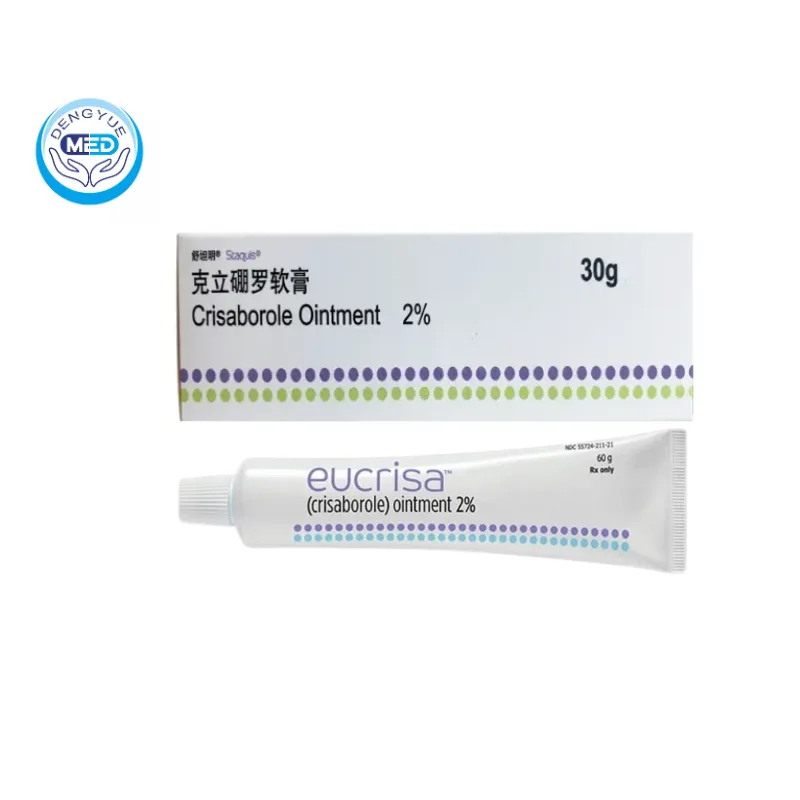
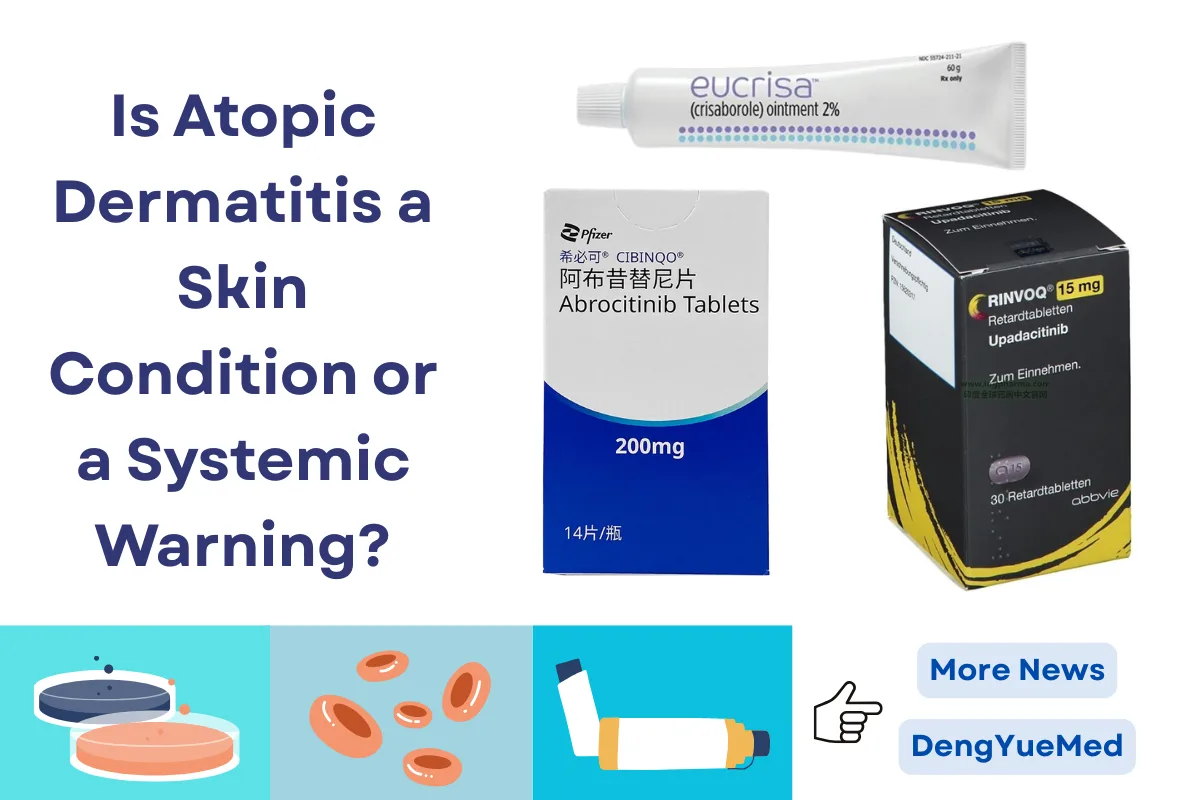
- A non-steroidal topical PDE‑4 inhibitor (Eucrisa®), approved for mild-to-moderate atopic dermatitis in children and adults
- Applied twice daily, it reduces inflammation without the skin-thinning risks of steroids
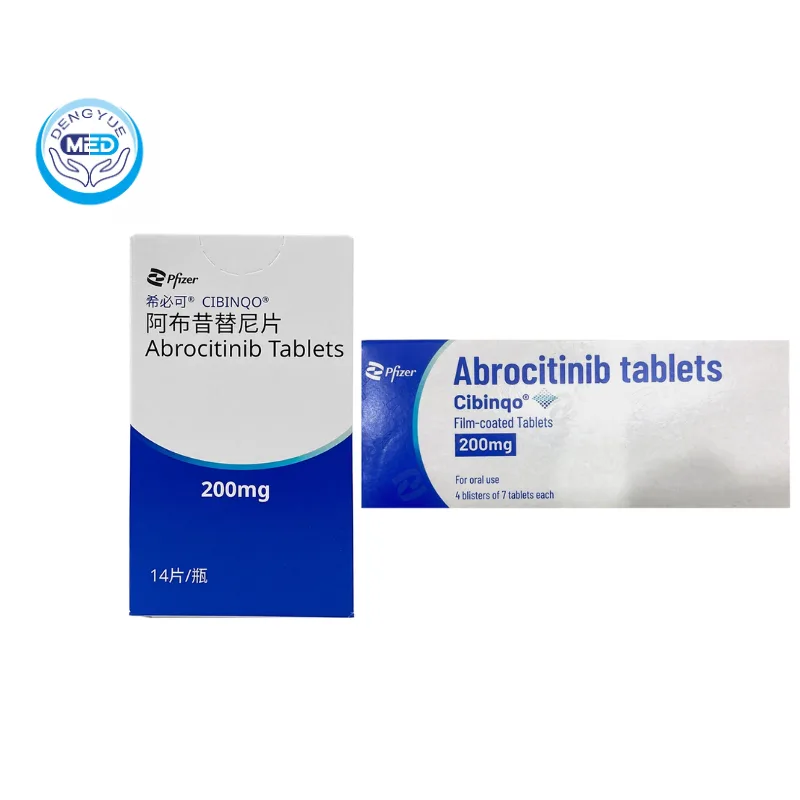
- Oral selective JAK1 inhibitor (Cibinqo®), approved for moderate–to–severe AD in adults and adolescents
- Blocks IL‑4, IL‑13, and IL‑31 signaling to reduce itch and inflammation.
- Proven effective in Phase III and real-world studies
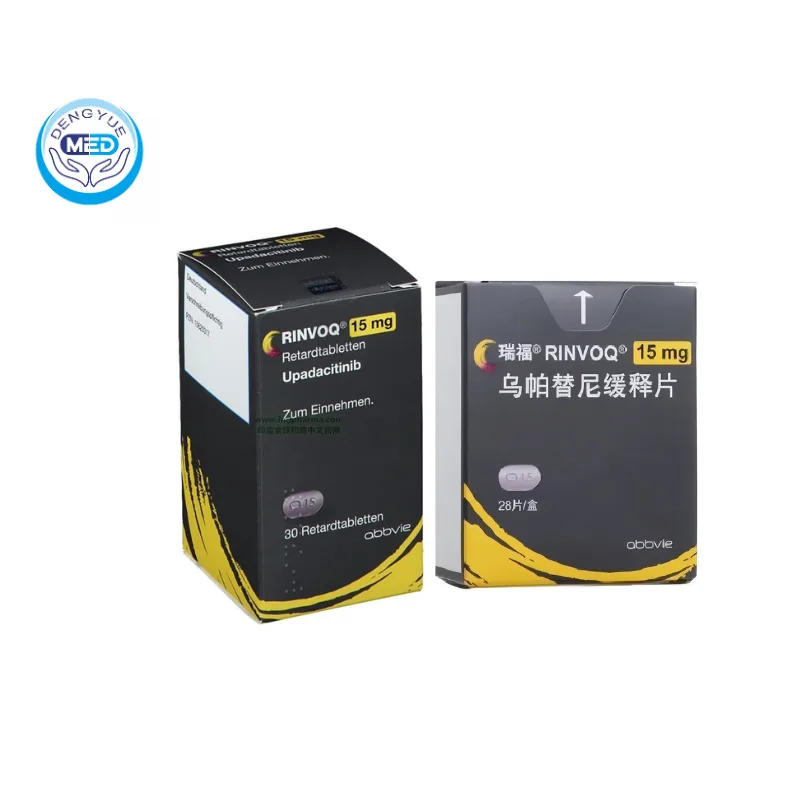
- Oral JAK1 inhibitor (Rinvoq®), approved for AD and other inflammatory diseases
- Demonstrates strong efficacy (EASI‑75/90/100 responses) in clinical trials and real-world settings
- Head-to-head trials (e.g., vs dupilumab) show faster and deeper skin clearance
❓ Why is My Skin Flaky with Atopic Dermatitis?
Primary reasons for flakiness:
- Skin Barrier Defects:
- Reduced ceramides (↓50% in AD skin)
- Altered lipid organization
- Increased pH activates damaging enzymes
- Filaggrin Deficiency:
- Leads to severe dryness
- Increased water loss
- More allergen penetration
⏳ How Long Does Atopic Dermatitis Last?
Disease duration varies:
- Infantile AD: 50% clear by age 2
- Childhood AD: 40-60% resolve by adulthood
- Adult-onset AD: Only 20% achieve remission
Factors affecting duration:
- Disease severity
- Age of onset
- Treatment adherence
- Environmental control
🛡️ Prevention & Daily Management
Key strategies:
- Moisturize at least twice daily
- Avoid triggers (identify personal triggers)
- Use gentle cleansers (fragrance-free)
- Manage stress through relaxation techniques
- Wear soft, breathable fabrics (cotton preferred)
This revised version maintains all the essential information while improving readability with:
- Clear icons before each H2 heading
- More bullet points and tables
- Concise phrasing
- Better visual hierarchy
- Consistent formatting throughout
✅ Conclusion
Atopic Dermatitis is a chronic, relapsing inflammatory skin disorder driven by skin barrier dysfunction, immune dysregulation, and environmental triggers.
While there is no cure, effective management strategies—including topical treatments like crisaborole for mild-to-moderate cases and systemic JAK inhibitors (abrocitinib, upadacitinib) for more severe presentations—can significantly improve clinical outcomes and quality of life.
These targeted therapies reduce inflammation, alleviate itching, and help break the itch–scratch cycle, empowering patients to manage flare-ups better and maintain healthy skin.
For optimal results, combining medication with stress management, gentle skincare, and trigger avoidance offers a holistic approach, ensuring both physical relief and emotional well-being for individuals living with AD.
Feel free to reach out for further inquiries.
About DengYueMed – HK Drug Wholesale Distributor
As a legally compliant drug import and export company, DengYueMed is certified by the Pharmacy & Poisons Board of Hong Kong — you can verify our qualification on their official website.

Our efforts to improve the affordability of Atopic Dermatitis treatment aim to ensure that more patients can benefit from this important medication.
HK DengYue provides detailed medicine information, transparent pricing, and responsive support to ensure a smooth and reliable buying experience.
Feel free to reach out anytime to discuss your needs or ask questions about the medicine. We welcome you to contact us for a consultation.