
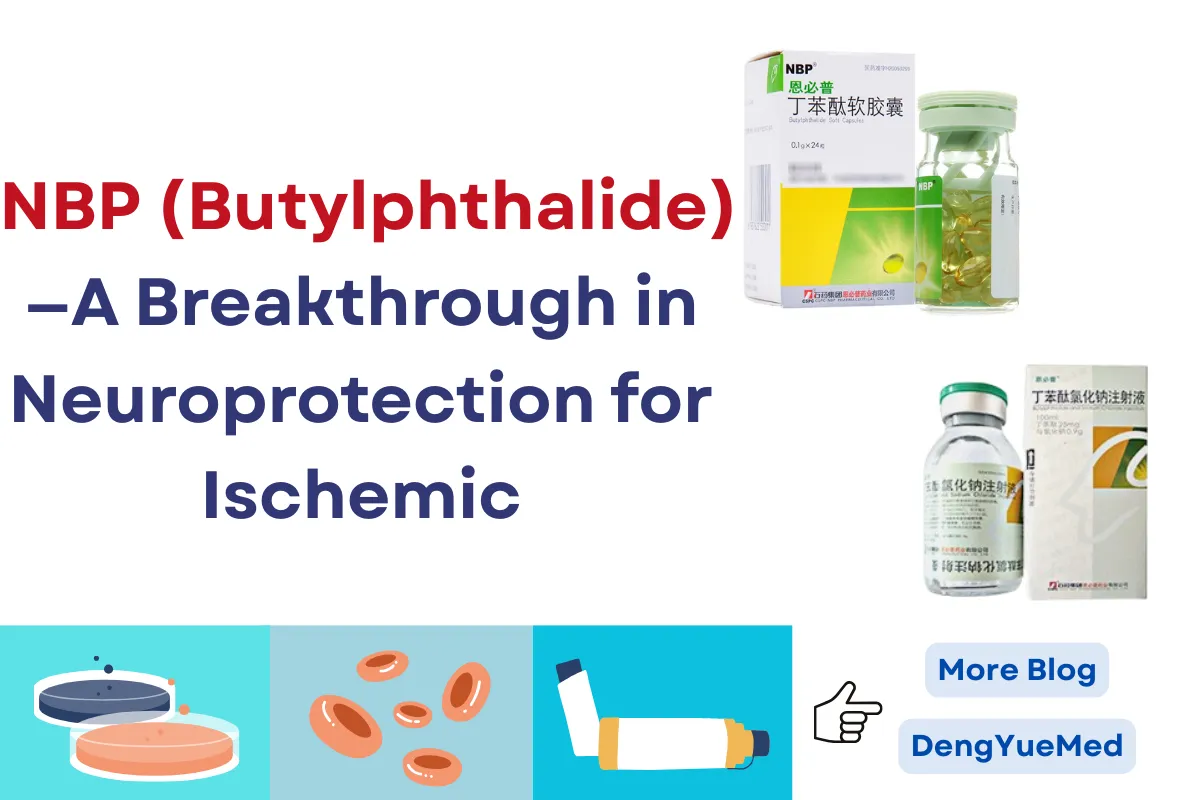
NBP (Butylphthalide)—A Breakthrough in Neuroprotection for Ischemic
Acute ischemic stroke remains a major global health challenge, leading to high morbidity, mortality, and long-term disability.
Rapid restoration of blood flow and protection of neural tissue are critical for improving patient outcomes.
In this context, Butylphthalide (NBP), a neuroprotective drug developed in China, has emerged as an innovative therapeutic option, offering hope for patients with cerebral ischemia and related neurological conditions.
Overview of Butylphthalide
Butylphthalide is a chemically synthesized compound derived from celery seeds, known for its ability to enhance cerebral blood flow and protect neurons.
👉 It is available in two main formulations: soft capsules and injectable solution.
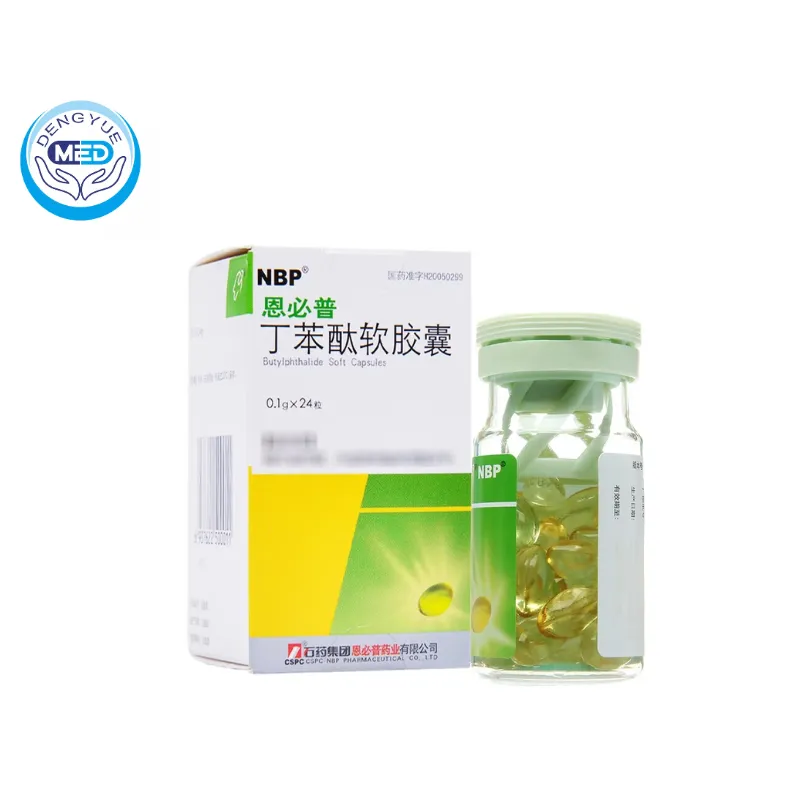
1. Butylphthalide Soft Capsules
- Oral dosage form containing a yellow to deep yellow oily liquid.
- Commonly prescribed for patients with mild to moderate acute ischemic stroke.
- Suitable for long-term use during the recovery phase.
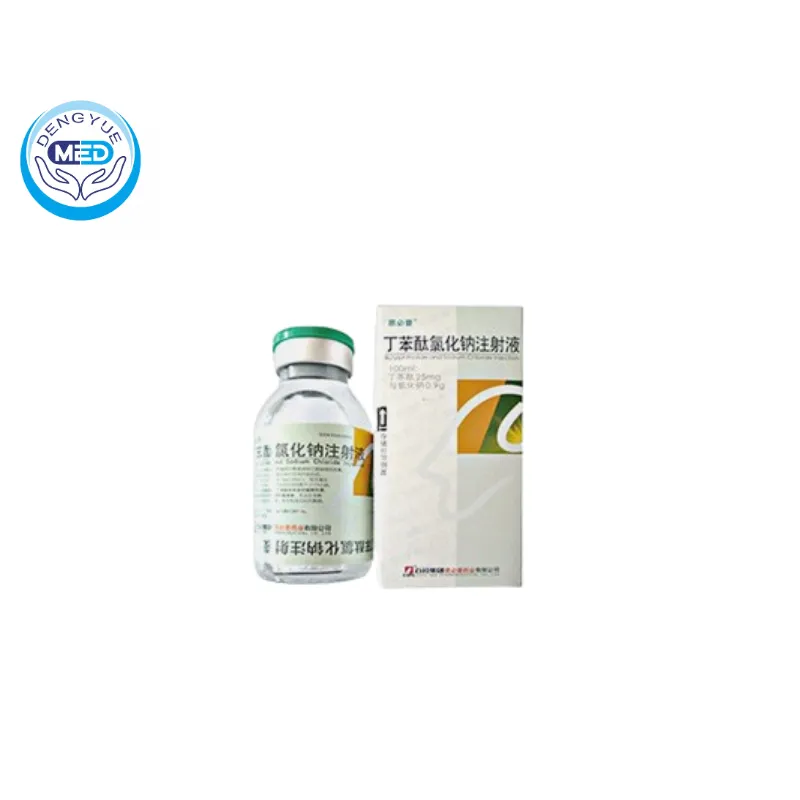
2. Butylphthalide Injection
- Administered intravenously for acute-phase treatment.
- Effective within 48 hours of stroke onset to rapidly restore cerebral perfusion and prevent further neural damage.
Both formulations are designed to complement each other, offering flexibility in clinical management depending on disease severity and treatment stage.
Pharmacological Mechanism and Clinical Applications
The therapeutic effects of NBP are multifaceted, addressing both vascular and neuronal aspects of ischemic injury:
- Improvement of Cerebral Blood Flow: Butylphthalide dilates cerebral vessels and enhances microcirculation, ensuring oxygen and nutrient delivery to ischemic brain regions.
- Neuroprotective Effects: It reduces oxidative stress, inhibits neuronal apoptosis, and mitigates inflammation, thereby preserving neural tissue integrity.
- Promotion of Neurological Recovery: By protecting neurons and supporting brain metabolism, Butylphthalide aids functional recovery during the rehabilitation phase.
Clinically, NBP is primarily indicated for acute ischemic stroke patients.
✅ Its neuroprotective and blood flow-enhancing properties have also sparked research interest in conditions such as vascular dementia and other cerebrovascular-related disorders.
Distinctive Features
NBP stands out in the field of neurovascular therapeutics due to several key characteristics:
- Dual Action on Blood Flow and Neurons: The drug simultaneously improves cerebral perfusion and protects neural cells, offering comprehensive neuroprotection.
- Complementary Formulations:
- Injectable butylphthalide works rapidly in acute-phase patients to minimize ischemic damage.
- Soft capsules provide sustained neuroprotection and support long-term rehabilitation.
- High Safety Profile: Common side effects are generally mild, including slight liver enzyme elevation, gastrointestinal discomfort, or skin reactions.
- Innovation and Autonomy: As a Class I new drug with independent intellectual property rights in China, Butylphthalide represents a significant achievement in domestic pharmaceutical innovation.
Clinical and Research Significance
NBP has demonstrated meaningful benefits in both preclinical studies and clinical practice:
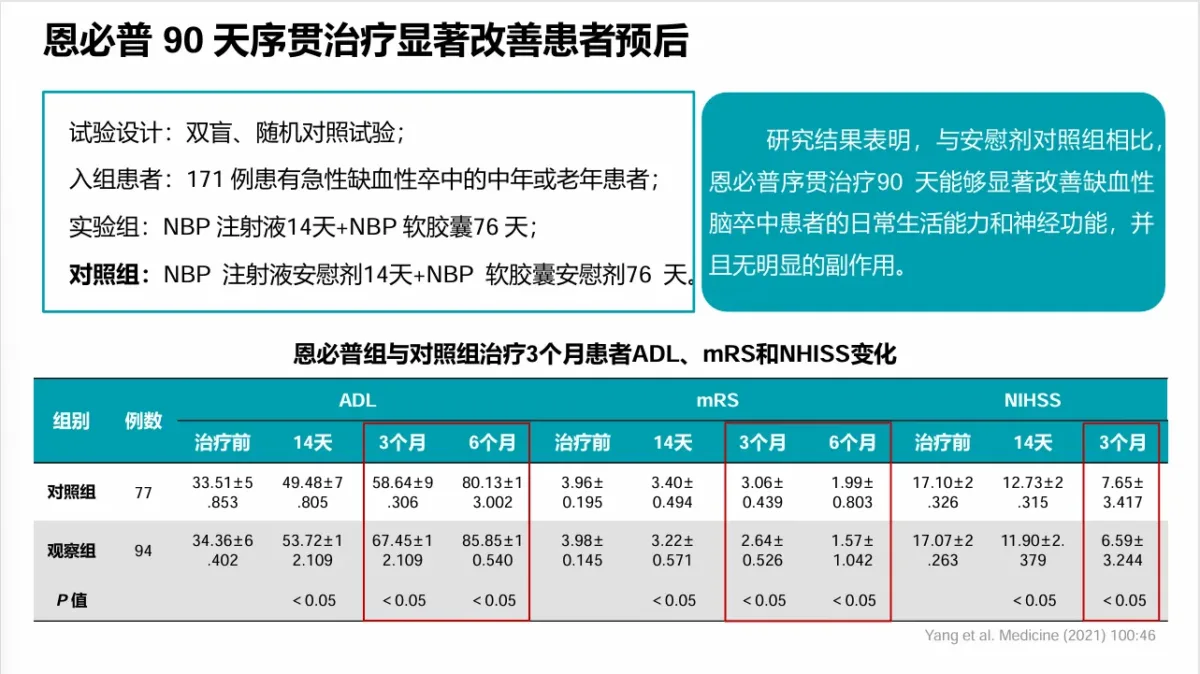
- Improved neurological function scores
- Better functional outcomes during follow-up
- Potential reduction in the recurrence of ischemic events
✨ Its dual mechanism of action—enhancing blood flow while protecting neurons—distinguishes it from conventional stroke therapies that focus primarily on vascular recanalization or anticoagulation.
Butylphthalide in the Global Context
Although currently approved and widely used in China, NBP has attracted international attention for its neuroprotective potential.
Researchers worldwide are exploring its applications beyond ischemic stroke, including cognitive impairment, vascular dementia, and rehabilitation after traumatic brain injury.
This ongoing research underscores the importance of NBP as a model for innovative, mechanism-based neurotherapeutics.
Moreover, NBP reflects the growing capabilities of Chinese pharmaceutical innovation.
By combining traditional knowledge and modern medicinal chemistry, it exemplifies how homegrown drugs can contribute to global healthcare solutions.
Conclusion
Butylphthalide (NBP) is a groundbreaking neuroprotective agent that addresses the critical needs of acute ischemic stroke patients.
With its unique combination of improving cerebral blood flow, protecting neurons, and supporting neurological recovery, it represents a versatile and effective treatment option.
The availability of both injectable and oral formulations allows tailored treatment strategies across acute and recovery phases, maximizing patient benefit.
🔬 As research continues, NBP may expand its therapeutic applications and play a pivotal role in global neurovascular disease management.
Its development highlights the value of innovation in addressing complex medical challenges, offering hope for millions of patients worldwide.
🙂 DengYue Medicine will continue to closely follow the development of NBP and other innovative therapeutics, providing the latest insights to support healthcare professionals and patients alike.
👉 By the way, this tip can help you to verify the authenticity of Chinese medicines when you use the drug.
FAQ about NBP (Butylphthalide)
What are phthalides?
Phthalides are a class of unique compounds, such as ligustilide, butylphthalide, and butyldenephthalide, which have been shown to possess multiple bioactivities in new drug research and development.
What is the use of butylphthalide?
NBP has an important effect in decreasing brain edema, preserving the blood-brain barrier (BBB), and increasing the level of circulating endothelial progenitor cells.
It can also reduce oxidative damage and neuronal apoptosis and inhibit inflammatory responses.
What are the benefits of 3-N-butylphthalide?
For example, improving energy metabolism, reducing oxidative damage, improving microcirculation in arterioles, decreasing neuronal apoptosis, improving mitochondrial
What food has 3-n-butylphthalide?
Butylphthalide (3-n-butylphthalide or NBP) is one of the chemical constituents in celery oil, along with sedanolide, which is primarily responsible for the aroma and taste of celery.