

Amvuttra (Vutrisiran) Injection: A Comprehensive Patient Guide
Introduction
Amvuttra dosing (vutrisiran) is a new-generation RNA interference (RNAi) therapy used for the treatment of polyneuropathy in adult patients with hereditary transthyretin-mediated amyloidosis (hATTR amyloidosis).
This rare and progressive disease affects the nerves, heart, and other organs due to the accumulation of misfolded transthyretin (TTR) protein.
DengYue provides detailed information about Amvuttra dosing, including how it works, how it is administered, potential vutrisiran side effects, safety precautions, and answers to the most common patient concerns.
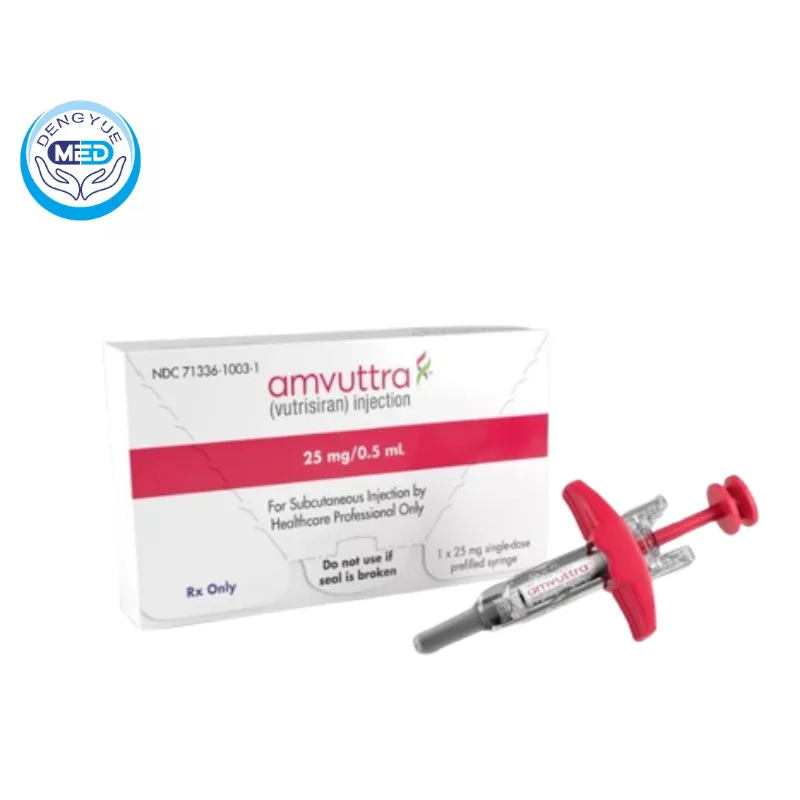
What is Amvuttra Vutrisiran Used For?
Amvuttra injection is specifically indicated for the treatment of polyneuropathy (nerve damage) in patients with hATTR amyloidosis.
This condition is caused by genetic mutations that lead to the production of unstable TTR proteins, which form toxic deposits in the nerves, heart, and other organs.
By reducing the production of TTR protein, Amvuttra injection helps:
- Slow down disease progression
- Reduce symptoms of nerve damage such as numbness, pain, tingling, and muscle weakness
- Improve mobility and daily function in affected patients
How Does Amvuttra Vutrisiran Work?
Vutrisiran belongs to a class of drugs called RNA interference (RNAi) therapies. It works by targeting and silencing the messenger RNA (mRNA) responsible for producing transthyretin (TTR) protein in the liver.
As a result, the production of TTR is significantly reduced, which helps prevent toxic TTR deposits from forming in the body.
How is Amvuttra Injection Administered?
- Dosage: 25 mg subcutaneous injection once every three months.
- Administration: A healthcare professional administers the injection under the skin (usually in the abdomen, thigh, or upper arm).
- Missed Dose: If a dose is missed, it should be taken as soon as possible, and future doses should continue at 3-month intervals from the last injection.
Advantages of Amvuttra’s Dosing Schedule
Compared to other treatments that require weekly or monthly injections, Amvuttra provides a more convenient option with long-lasting effects, reducing the burden of frequent hospital visits.
How Long Does Amvuttra Take to Work?
The effects of Amvuttra Vutrisiran can be observed within a few months. In clinical trials, patients who received Amvuttra showed significant reductions in TTR levels, leading to symptom relief and disease stabilization.
However, individual responses may vary, and some patients may take longer to notice improvements.
Potential Side Effects of Amvuttra Vutrisiran
Like any medication, Amvuttra can cause side effects. The most commonly reported ones include:
Common Vutrisiran Side Effects (Mild to Moderate):
- Injection site reactions (redness, pain, or swelling)
- Joint pain (arthralgia)
- Pain in the extremities (arms and legs)
- Shortness of breath (dyspnea)
Rare but Serious Vutrisiran Side Effects:
- Severe allergic reactions (swelling of the face, lips, or throat, difficulty breathing)
- Increased liver enzymes (requiring monitoring)
- Vitamin A deficiency (since Amvuttra lowers TTR, which transports vitamin A in the blood)
To prevent vitamin A deficiency-related symptoms (such as night blindness or dry eyes), patients should take a daily vitamin A supplement (2,500-3,000 IU) as recommended by their doctor.
Who Should Not Take Amvuttra? (Contraindications & Precautions)
Amvuttra may not be suitable for everyone. Patients with the following conditions should consult their doctor before starting treatment:
- Allergy to vutrisiran or any of its components
- Liver or kidney disease (dose adjustments may be needed)
- Pregnant or breastfeeding women (safety is not established)
Can Amvuttra Be Used During Pregnancy?
Amvuttra has not been studied extensively in pregnant women. Since it affects TTR levels, which are important for fetal development, pregnant women should avoid Amvuttra unless absolutely necessary.
Women of childbearing age should use effective contraception during treatment.
Drug Interactions: Can Amvuttra Be Taken with Other Medications?
Currently, no major drug interactions have been identified with Amvuttra drug. However, patients should inform their doctor if they are taking:
- Blood thinners (anticoagulants)
- Medications affecting liver function
- Other RNA-based therapies
Storage Instructions for Amvuttra Vutrisiran
- Storage temperature: 2°C to 30°C (36°F to 86°F)
- Keep the prefilled syringe in its original packaging to protect it from light
- Do not freeze or shake the syringe
- Use before the expiry date printed on the packaging
Amvuttra Vutrisiran Insurance & Cost: Is Amvuttra Covered?
Since Amvuttra Vutrisiran is a specialty drug for a rare disease, it may be expensive. However, patients may be eligible for:
- Insurance coverage under rare disease programs
- Financial assistance from the manufacturer (patient support programs)
- Government reimbursement in certain countries
Patients should consult their insurance provider or patient assistance programs for cost-related concerns.
How Does Amvuttra Drug Compare to Other hATTR Treatments?
| Drug Name | Amvuttra Mechanism of Action | Administration | Dosing Frequency |
|---|---|---|---|
| Amvuttra (vutrisiran) | RNAi therapy (reduces TTR production) | Subcutaneous injection | Every 3 months |
| Onpattro (patisiran) | RNAi therapy (reduces TTR production) | IV infusion | Every 3 weeks |
| Tegsedi (inotersen) | RNAi therapy (reduces TTR production) | Subcutaneous injection | Weekly |
| Tafamidis (Vyndaqel) | TTR stabilizer (prevents misfolding) | Oral capsule | Daily |
Among these, Amvuttra drug offers the most convenient dosing schedule while maintaining effectiveness.
Frequently Asked Questions (FAQs)
1. Can Amvuttra Cure hATTR Amyloidosis?
No, Amvuttra drug does not cure the disease, but it helps slow its progression and manage symptoms effectively.
2. Can Amvuttra Reverse Nerve Damage?
In some cases, patients experience improved nerve function after treatment, but the extent of recovery depends on the severity of the disease.
3. Do I Need Regular Check-ups While on Amvuttra?
Yes, patients should have regular follow-ups to monitor liver function, vitamin A levels, and disease progression.
4. Is Amvuttra FDA-Approved?
Yes, Amvuttra drug received FDA approval in 2022 for the treatment of hATTR amyloidosis with polyneuropathy.
Conclusion
Amvuttra vutrisiran is a breakthrough therapy for hATTR amyloidosis, offering long-lasting effects with fewer injections compared to other treatments.
While it helps reduce symptoms and slow disease progression, patients should be aware of potential amvuttra side effects, vitamin A deficiency, and the need for regular medical follow-ups.
If you or a loved one has hATTR amyloidosis, consult your doctor to see if Amvuttra Injection is the right treatment option for you.
Disclaimer: This guide is for informational purposes only from DengYueMed and should not replace professional medical advice. Always consult a healthcare provider before starting or stopping any medication.