Verify Authenticity of Chinese Medicines: A Professional Guide from a Pharmaceutical Wholesaler
For international importers and healthcare distributors, learning how to verify authenticity of Chinese medicines has become essential.
👉 As China’s pharmaceutical industry continues to expand globally, more overseas buyers are turning to Chinese medicines for their high quality, competitive pricing, and growing international recognition.
However, with this growth also comes the challenge of ensuring product authenticity.
As a professional Chinese pharmaceutical wholesaler, we understand that authenticity is not only about avoiding counterfeit drugs, but also about building long-term trust in the supply chain.
✨ This guide aims to help global buyers verify authenticity of Chinese medicines through practical, regulatory, and technological means.
National Efforts to Strengthen Drug Traceability
In recent years, China has significantly strengthened its regulatory framework to verify authenticity of Chinese medicines.
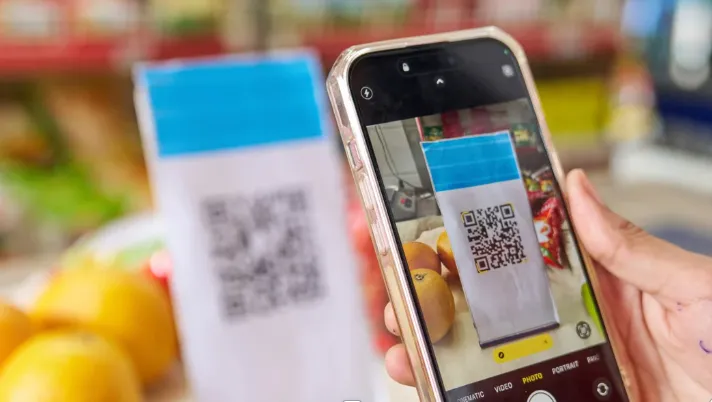
🛜 The government has launched a national Drug Traceability Collaboration Service Platform, integrating advanced digital tracking, QR codes, and blockchain-based traceability solutions.
These technologies ensure that every legitimate medicine can be tracked from manufacturing to the end user.
✅ This digital verification infrastructure makes it easier for international buyers to verify authenticity of Chinese medicines by scanning official QR codes and matching product information against national databases.
Below is a practical guide that outlines each critical step you should follow to verify authenticity of Chinese medicines safely and efficiently. 🔻
Step 1: Verify Manufacturer Credentials
To verify authenticity of Chinese medicines, start by confirming the manufacturer’s legitimacy.
All licensed pharmaceutical manufacturers must register with the NMPA and comply with GMP (Good Manufacturing Practice) standards.
You can confirm a manufacturer’s credentials by visiting the official NMPA website, where you’ll find:
- 🗺️ Business license and approval scope
- 💊 Manufacturing address and product categories
- 📅 Validity of certifications
✅ Tip: Avoid suppliers without valid NMPA registration or GMP certification.
Step 2: Check the National Drug Approval Number
Every legal medicine produced and sold in China must display a National Drug Approval Number, also known as “国药准字.”
✅ This number verifies that the product has passed national regulatory approval.
- H stands for chemical drug (T for traditional Chinese medicine, B for biological product)
- The digits indicate the approval year and product sequence
You can input this number on the NMPA website to confirm its authenticity and approval status.
If the number cannot be verified or appears inactive, it’s a warning sign of counterfeit risk.
✅ Tip: Cross-check the approval number on both the packaging and the official database to ensure consistency.
Step 3: Inspect Packaging and Anti-Counterfeit Features
Authentic medicines in China come with multi-layered security measures.
When inspecting packaging, look for:
- 🤳 QR codes connected to traceability platforms
- Laser holograms or scratch-off labels for authenticity checks
- 📦 Consistent batch and expiry information across box, bottle, and insert
All information must match exactly—any inconsistency may indicate tampering.
High-quality printing, intact seals, and well-structured packaging are all signs of a genuine product.
✅ Tip: Scan QR codes directly; never rely on screenshots or third-party links.
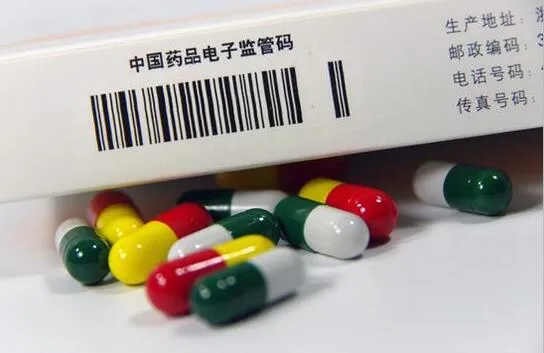
Step 4: Review Export and Quality Documents
A legitimate exporter should provide complete and verifiable documentation.
Before purchase, request copies of the following:
- Certificate of Analysis (CoA)
- Certificate of Pharmaceutical Product (CPP)
- GMP/ISO certificates
- Factory authorization and commercial invoice
These records confirm that the medicine meets both Chinese and international standards.
As a China pharmaceutical distributor, we always attach these documents to every shipment to help buyers verify authenticity of Chinese medicines transparently.
✅ Tip: Request these before purchase to verify authenticity of Chinese medicines.
Step 5: Conduct Third-Party Testing if Necessary
When uncertainty remains, independent laboratory testing can provide scientific verification.
🔬 Third-party labs can analyze active ingredients, impurity profiles, and product consistency.
✅ Tip: Always select internationally accredited laboratories (ISO/IEC 17025 certified).

Strongest Firewall – Rigorous Supplier Qualification and Pre-Procurement Audits
❗ When it comes to verifying the authenticity of Chinese medicines, the most effective safeguard is not only technology or documentation but also choosing the right partner.
👉 A qualified, transparent, and licensed pharmaceutical wholesaler acts as the strongest firewall between genuine and counterfeit medicines.

Conduct Rigorous Supplier Qualification
Before entering any purchase agreement, global buyers should thoroughly review the supplier’s legal and operational background.
Key checks include:
- Valid Drug Distribution License
- NMPA registration and GSP compliance
- Transparent business registration and export records
- Proven experience in international pharmaceutical logistics
✅ Tip: Only work with wholesalers who maintain updated certification and open audit records.
Implement Pre-Procurement Audits
Before procurement, international buyers should perform pre-supply audits, including verification of:
- Product traceability and batch control systems
- Quality management protocols
- Storage and cold-chain facilities
- Supplier’s reputation and compliance history
These proactive checks help prevent counterfeit infiltration and ensure supply chain transparency from origin to delivery.
Partner with Certified Wholesalers—The Dengyue Example
As one of China’s professional pharmaceutical distributors, Hong Kong DengYue Medicine has built a reputation for reliability, traceability, and compliance.
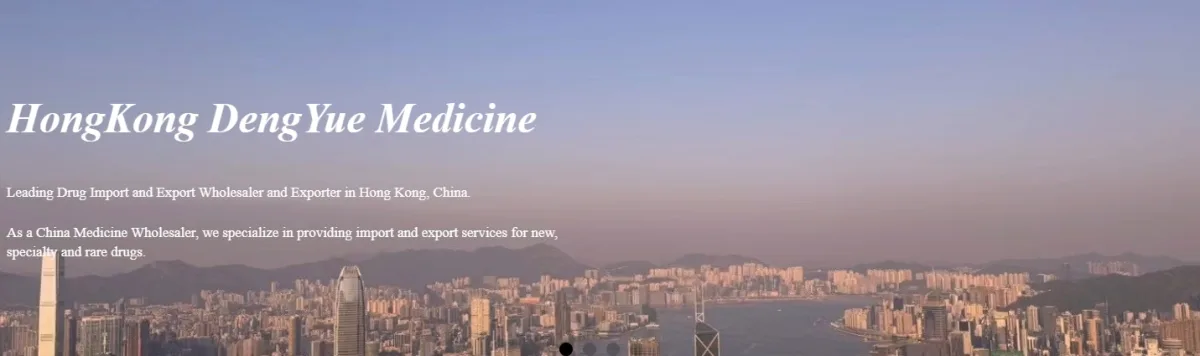
Dengyue Medicine is an authorized importer and wholesaler of innovative and specialty medicines, licensed by the Hong Kong Department of Health.
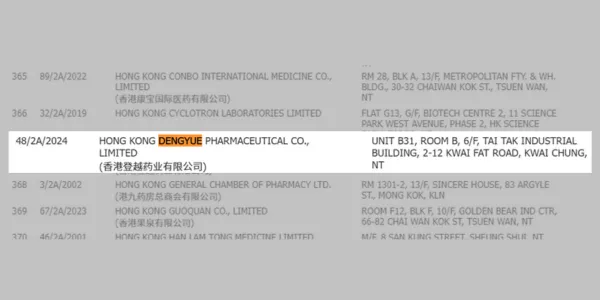
✅ We provide comprehensive import and export services, covering a wide range of rare, specialty, and innovative medicines.

💪 Dengyue adheres to a “zero-tolerance policy” toward counterfeit products, ensuring every batch originates from verified manufacturers with official NMPA approval.
💊 All products are sourced from certified manufacturers, ensuring every medicine meets international safety and quality standards—you can rest assured of the authenticity and reliability of our products.
🌟 Through years of collaboration with licensed manufacturers and global importers, Dengyue has established a traceable and auditable distribution network, allowing buyers to verify authenticity of Chinese medicines with confidence.
Building Long-Term Trust and Quality Assurance
Choosing a qualified supplier like Dengyue is not just a procurement decision—it’s a long-term quality assurance strategy.
With Dengyue’s strong supplier management and transparent processes, overseas buyers gain:
- 💊 Authentic medicines sourced directly from certified manufacturers
- 🚚 Reliable logistics and cold-chain management
- 📄 Comprehensive documentation for regulatory audits
Conclusion
💪 China’s pharmaceutical ecosystem is becoming more transparent and technology-driven.
By following these steps, overseas buyers can confidently verify authenticity of Chinese medicines and ensure every product meets regulatory and safety standards.
🧑💼 As a trusted Chinese pharmaceutical wholesaler, we are committed to transparency, compliance, and global healthcare safety—helping clients source authentic, reliable medicines from China.
FAQ about Verify Authenticity of Chinese Medicines
How to check the authenticity of a medicine?
1. Spelling errors. (Misspellings of the product name, manufacturer, or main ingredients on medicine bottle labels or other packaging are the biggest and some of the most noticeable mistakes.)
2. Medication appearance.
3. Medication quality.
4. Compromised packaging.
How to verify medicine by QR code?
1. Compare the displayed information with the packaging.
2. If details are missing, incorrect, or the system shows “no records found,” avoid using the product and inform the pharmacist or authorities.
Does every medicine have a QR code?
Yes. Starting August 1, 2023, the Ministry required the top 300 medicines listed in its November 2022 gazette to carry a QR code with key details.
How to check authenticity of Chinese company?
Ask For the Company’s Business License