

How to Use Aspaveli (Pegcetacoplan) Safely: A Complete Patient Handbook
Introduction
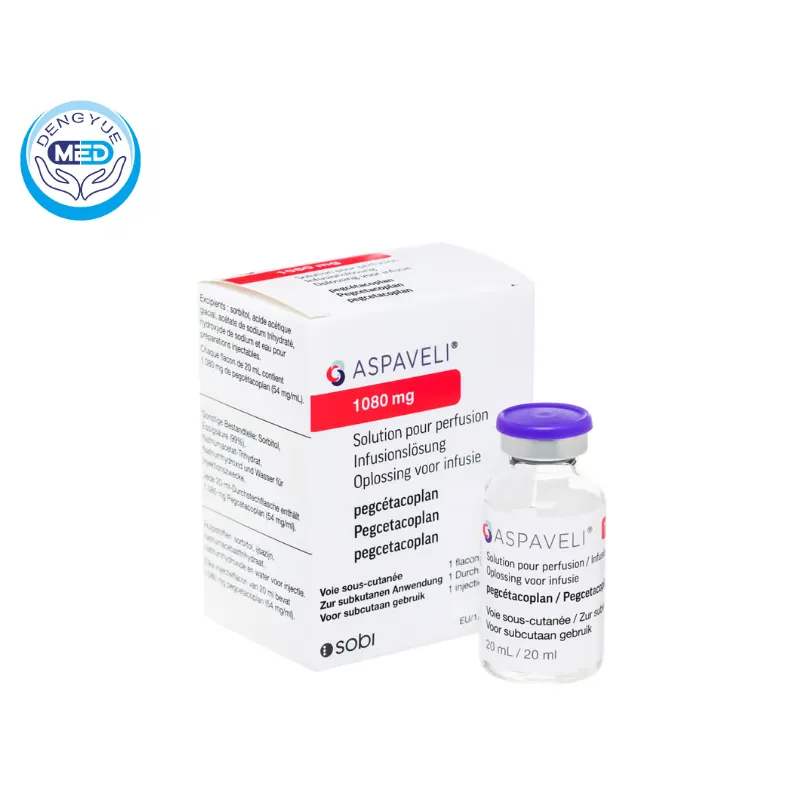
Aspaveli (pegcetacoplan) is a C3 complement inhibitor used for the treatment of paroxysmal nocturnal hemoglobinuria (PNH) in adults.
It is specifically prescribed for patients who remain anemic after at least three months of treatment with a C5 inhibitor (such as eculizumab or ravulizumab).
By targeting the complement system, Aspaveli helps prevent the destruction of red blood cells, improving hemoglobin levels and reducing the need for blood transfusions.
This guide answers the most common concerns patients have, ensuring you receive clear, reliable, and expert-backed information about this treatment.
What is Aspaveli Pegcetacoplan?
Aspaveli contains the active ingredient pegcetacoplan, which works by blocking C3 activation in the complement system.
The complement system is a part of the immune response that, in PNH patients, mistakenly attacks and destroys red blood cells, leading to anemia, fatigue, dark urine, and an increased risk of blood clots.
By preventing this immune attack, Aspaveli helps:
✅ Increase hemoglobin levels, reducing the need for frequent blood transfusions.
✅ Improve energy levels and reduce PNH-related fatigue.
✅ Decrease the severity of symptoms such as shortness of breath and muscle weakness.
Unlike C5 inhibitors (which target a later stage of the complement system), Pegcetacoplan blocks the destruction of red blood cells at an earlier stage, potentially offering better control of PNH symptoms for some patients.
Who Can Use Aspaveli Pegcetacoplan?
✅ Eligible Patients:
- Adults diagnosed with PNH.
- Patients who have been treated with a C5 inhibitor (like Soliris or Ultomiris) for at least three months but still experience low hemoglobin levels or require blood transfusions.
- Patients who have completed required vaccinations before starting treatment.
🚫 Who Should NOT Take Aspaveli?
- People allergic to pegcetacoplan or any of its ingredients.
- Patients who have not received meningococcal vaccines, as Aspaveli increases the risk of serious infections.
- Individuals with active infections or a history of severe allergic reactions to similar medications.
💡 Your doctor will evaluate your medical history, current symptoms, and lab results before prescribing Pegcetacoplan.
How is Aspaveli PegcetacoplanTaken?
📌 Administration Method:
Aspaveli is given through subcutaneous (under the skin) injection. Unlike C5 inhibitors, which require intravenous (IV) infusions at a clinic, Aspaveli can be self-administered at home after proper training.
💉 Dosage and Frequency:
- Recommended dose: 1,080 mg (20 mL) injected twice a week.
- Injection duration: Approximately 30–60 minutes per dose.
- Patients can inject using one site (slower infusion) or two sites (faster infusion).
💡 Your doctor or nurse will teach you how to safely prepare and inject Aspaveli at home.
What Are the Most Common Side Effects?
Like any medication, Pegcetacoplan has potential side effects. Some are mild and manageable, while others require medical attention.
🩸 Common Side Effects:
- Injection site reactions (redness, pain, swelling, or itching).
- Fatigue (feeling more tired than usual).
- Diarrhea or nausea.
- Headache or dizziness.
⚠️ Serious Risks:
- Infections: Since Aspaveli Pegcetacoplan weakens the immune system, it increases the risk of serious bacterial infections, including meningococcal infections.
Patients should monitor for fever, severe headaches, or confusion, as these could indicate a dangerous infection. - Kidney Issues: In rare cases, Aspaveli may affect kidney function, requiring regular lab monitoring.
- Blood Clots: If treatment is stopped suddenly, PNH symptoms may return, increasing the risk of dangerous blood clots.
🚨 Seek emergency medical help if you experience high fever, severe headache, stiff neck, confusion, or difficulty breathing.
What Precautions Should I Take?
✔️ Vaccination Requirements:
Before starting Pegcetacoplan, you must receive:
✅ Meningococcal vaccines (at least two weeks before the first dose).
✅ Pneumococcal and Haemophilus influenzae type B (Hib) vaccines, as recommended by your doctor.
Since Aspaveli increases the risk of infections, booster vaccinations may be required during treatment.
✔️ Regular Monitoring:
- Patients must undergo routine blood tests to check hemoglobin levels, kidney function, and infection risk.
- If any unusual symptoms develop, report them immediately to your healthcare provider.
✔️ Storage Instructions:
- Keep Aspaveli refrigerated (2°C–8°C / 36°F–46°F).
- Store vials in the original carton to protect them from light.
- Do not freeze or shake the vials before use.
Can Aspaveli Interact with Other Medications?
Currently, there are no major drug interactions reported with Aspaveli. However, patients should inform their doctor if they are taking:
- Other PNH medications, such as Soliris or Ultomiris.
- Immunosuppressive drugs, which may further weaken the immune system.
- Antibiotics or vaccines, to ensure compatibility with Pegcetacoplan.
💡 Always consult your doctor before starting or stopping any medications.
What Happens If I Miss a Dose?
- If you miss a scheduled injection, take it as soon as possible on the same day.
- If a full day passes, contact your doctor for guidance.
- Do not take a double dose to make up for a missed one.
💡 Keeping a medication schedule or setting reminders can help prevent missed doses.
Can I Stop Taking Aspaveli?
Stopping Aspaveli Pegcetacoplan suddenly can worsen PNH symptoms and increase the risk of severe anemia, hemolysis (red blood cell destruction), and blood clots.
If you need to stop treatment, your doctor will create a safe transition plan to prevent dangerous complications.
🚨 Never stop Aspaveli without medical supervision.
How Much Does Aspaveli Cost?
Aspaveli is a high-cost medication, but financial assistance options may be available.
- Insurance Coverage: Some private insurance plans, Medicare, or government programs may cover part or all of the cost.
- Patient Assistance Programs: The manufacturer or nonprofit organizations may offer financial aid to eligible patients.
💡 Speak with your healthcare provider or pharmacist to explore financial support options.
Where Can I Get More Information?
If you have additional questions about Aspaveli, consider these reliable sources:
📌 Your Doctor or Healthcare Team – The best source for personalized medical advice.
📌 Official Manufacturer Website – For the latest product updates and patient support programs.
📌 PNH Patient Support Groups – To connect with others undergoing similar treatment experiences.
Summary
Aspaveli Pegcetacoplan offers a valuable treatment option for PNH patients, helping to control red blood cell destruction and improve overall quality of life.
However, it requires careful monitoring, adherence to vaccination guidelines, and regular medical supervision.
📌 This guide is for informational purposes only from DengYueMed and does not replace professional medical advice. Always consult your doctor for specific recommendations regarding your treatment.