
How to Catch Ovarian Cancer Early: Signs, Risks & 5 Proactive Steps
Ovarian cancer is often called a “silent killer” because its early symptoms are vague and easy to dismiss.
However, when caught in its earliest stages, the 5-year survival rate can exceed 90%. Here are 5 concise and short steps to help you screen for ovarian cancer:
1. Know Your Family Medical History
2. Notice Early Symptoms of Ovarian Cancer
3. Track Symptoms Over Time
4. Regular Gynecologic Checkups
5. Diagnostic Tools (If Symptoms Are Present)
Next, let us understand risk factors, early signs, and diagnostic tools. DengYueMed will explain these 5 steps with easy words for you.
Step 1: Know Your Family Medical History

Your family medical history can play a key role in identifying your risk for ovarian cancer.
If your mother, sister, daughter, or other close relatives have had ovarian or breast cancer—especially at a young age—you may carry inherited gene mutations such as BRCA1 or BRCA2, which significantly increase your cancer risk.
Ask your relatives about any history of cancer, including:
- 🤔 What type of cancer they had
- 🔢 The age they were diagnosed
- 🧬 Whether anyone had genetic testing
Bring this information to your doctor, who may recommend genetic counseling or screening if your family history suggests higher risk.
Early awareness allows for more proactive care, including earlier monitoring, lifestyle changes, or even preventive options like risk-reducing surgery if necessary.
Knowing your history isn’t just about the past—it’s about protecting your future.
Ovarian Cancer Risk Factors—Who’s at Risk?
You may face a higher risk of ovarian cancer if you:
- 🧓 Are over the age of 55 (most patients are diagnosed at 63 or older)
- 🧑🧑🧒 Have a family history of ovarian, breast, or colorectal cancer (especially BRCA1/BRCA2 mutations)
- 🤢 Have had endometriosis or infertility
- 🧬 Underwent hormone replacement therapy
- 🩸 Reached menopause at age 55 or later
Step 2: Notice Early Symptoms of Ovarian Cancer

What Are the Silent Symptoms of Ovarian Cancer?
The early signs are often mistaken for digestive or bladder issues. Take the symptoms below seriously if they persist for more than 2 weeks. Common early warning signs include:
- Persistent bloating
- Pelvic or abdominal pain
- Feeling full quickly or loss of appetite
- Frequent or urgent urination
- Unexplained fatigue
- Lower back pain
- Irregular or heavier periods
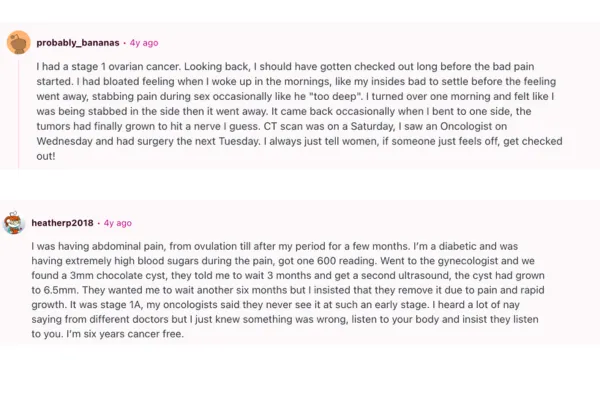
The following screenshots are from real patient experiences and are for reading purposes only.
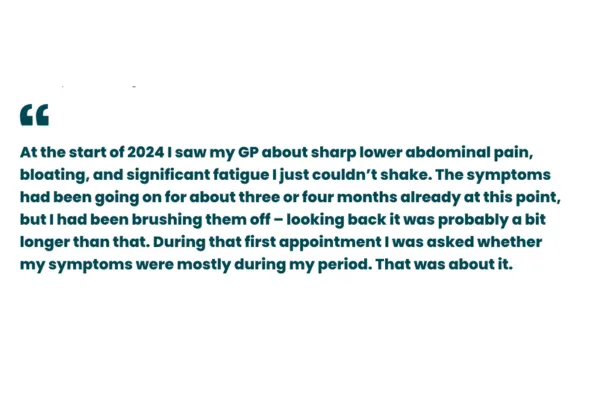
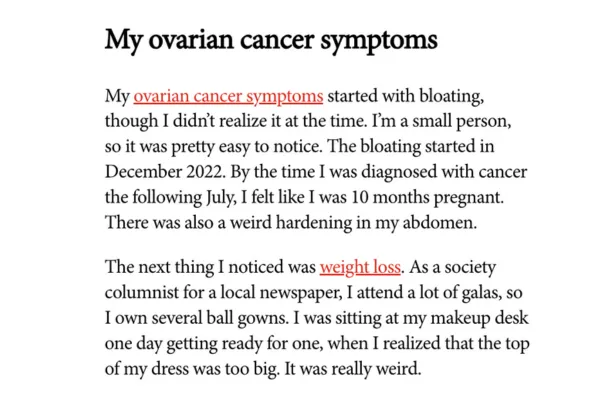
Step 3: Track Symptoms Over Time

Ovarian cancer symptoms mentioned above, when they persist or become frequent, can be a red flag. That’s why tracking your symptoms over time is critical.
These signs may seem minor at first, but if they happen more than 12 times in a single month, they could indicate something more serious.
Keeping a symptom diary—even just notes on your phone—can help you and your doctor identify unusual patterns.
Include details like
- The symptom type
- How often it occurs
- How long it lasts
- How severe it feels
- Any changes over time
This record can guide your doctor in deciding whether to investigate further using diagnostic tools.
Early detection starts with self-awareness. By listening to your body and tracking what feels “off,” you increase the chance of catching problems before they progress.
Step 4: Regular Gynecologic Checkups

Even though there’s currently no standard screening test for ovarian cancer, regular gynecologic exams are still one of the most important ways to monitor your reproductive health and catch early warning signs.
During an annual checkup, your doctor will:
- 🧐 Perform a pelvic exam to feel for any abnormalities in the ovaries, uterus, or other reproductive organs
- 💬 Discuss your menstrual history, symptoms, and any unusual changes
- 📅 Review your family medical history and assess your personal risk factors
- 🧪 Determine if further evaluation (e.g., transvaginal ultrasound or CA-125 blood test) is warranted based on your symptoms or risk profile
Even if you feel healthy, silent conditions like ovarian cancer can progress without obvious symptoms.
These visits also offer a chance to talk openly about any changes in your body—however small they may seem.
Consistency is key. Your doctor isn’t just checking your current health—they’re helping you protect your future.
🌟When to See a Doctor if Your Symptoms:
- 🍜 Don’t go away with lifestyle or diet changes
- ☹️ Get worse over time
- 😱 Appear suddenly and are persistent
What to Say and Ask During Your Appointment
Be clear and specific:
- 🙋 “I’ve had persistent bloating and pelvic discomfort for 3 weeks.”
- 🙋 Ask, “Could this be related to ovarian cancer?”
- 🙋 Request further evaluation if your concerns aren’t resolved
Step 5: How is ovarian cancer diagnosed? Diagnostic Tools

Doctors may recommend:
- 🧐 Pelvic exam – to feel for lumps or swelling
- 🔧 Transvaginal ultrasound (TVUS) – to check for masses or fluid
- 🧪 CA-125 blood test – to look for elevated protein levels (possible)
- 💻 CT or MRI scan – to detect tumor spread
- 🏥 Biopsy – the only way to confirm ovarian cancer
If cancer is suspected, ask for a referral to a gynecologic oncologist.
These specialists have higher success rates in treating ovarian cancer due to focused training.
How Do You Feel with Stage 1 Ovarian Cancer?
In stage 1, symptoms may be subtle or nonexistent. However, some women report:
- 😩 Mild pelvic pressure
- 😖 Occasional bloating
- 🍜 Slight changes in appetite or energy levels
Because the signs are so easy to overlook, staying alert to any persistent changes is key.
The following patient testimonials come from reddit users.
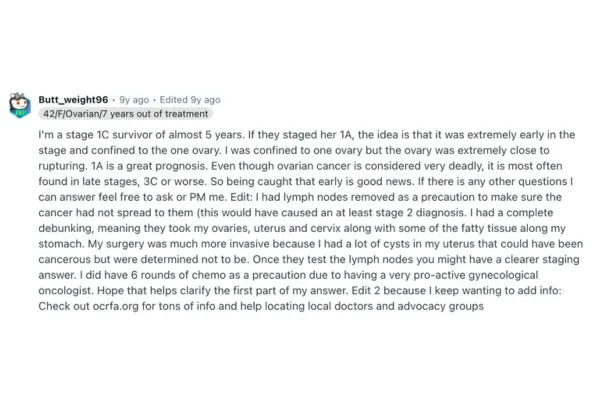
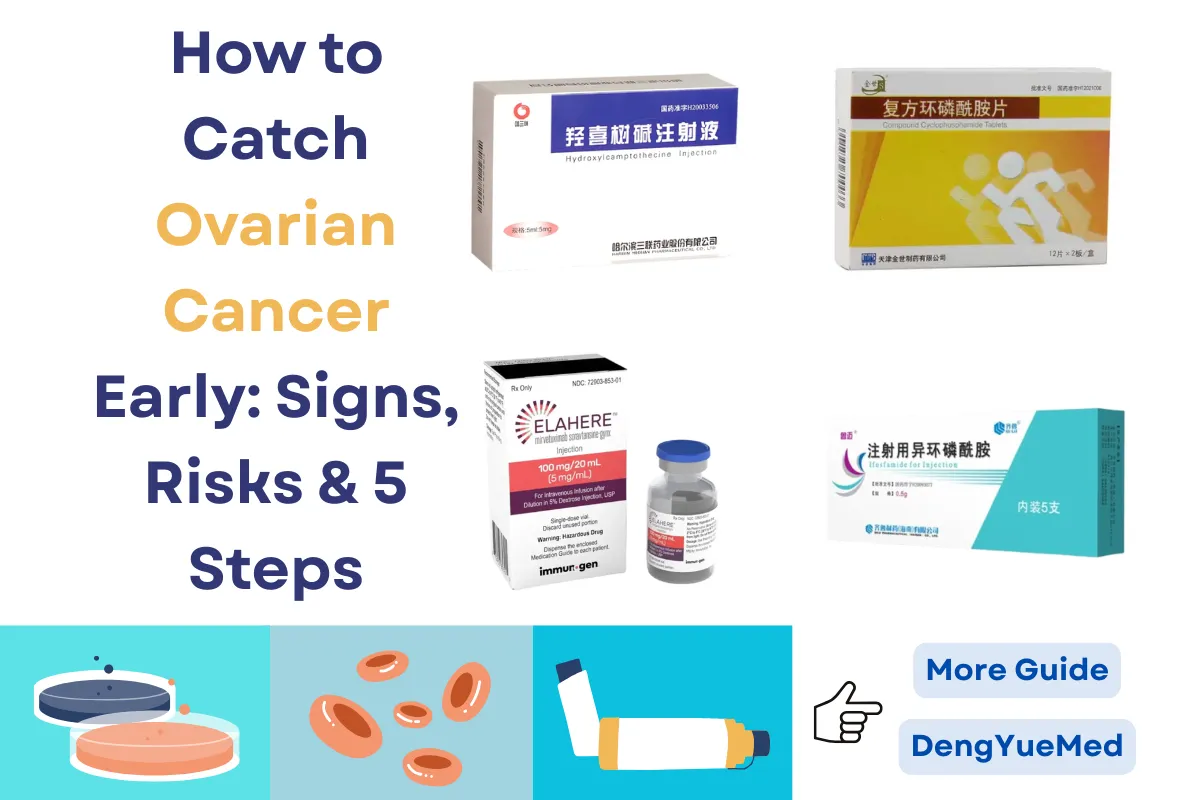
What is the new drug for ovarian cancer?
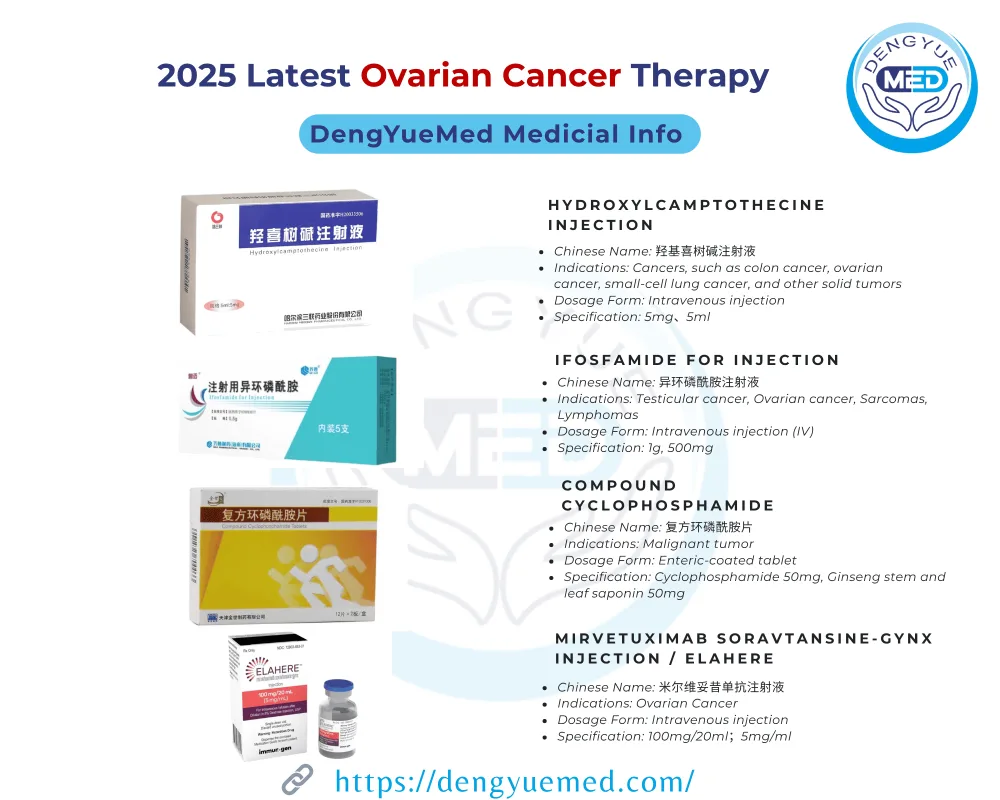
The following are some treatment options available for ovarian cancer patients.
Each ovarian cancer drug differs in its mechanism of action, administration method, and adverse reaction profile, so the development of a personalized treatment plan is crucial.
Please consult your oncologist before purchasing any medication to determine the most appropriate treatment plan based on your cancer type, genetic characteristics, and treatment history.
🧬 Ovarian Cancer Treatment Options—Drug Comparison Table
Drug Name | Drug Type | Indication in Ovarian Cancer | Common Side Effects | Key Features |
|---|---|---|---|---|
| Mirvetuximab Soravtansine-Gynx | Antibody-Drug Conjugate (ADC) | ✅ Approved for FRα-positive recurrent ovarian cancer | Eye toxicity, fatigue, nausea | Targeted therapy with better tolerance |
| Ifosfamide for Injection | Alkylating Chemotherapy Agent | ✅ Used in combination chemotherapy | Nausea, hair loss, bone marrow suppression | Effective for advanced/recurrent cases |
| Compound Cyclophosphamide Tablets | Oral Alkylating Agent (Combination) | ✅ Commonly used in chemotherapy protocols | Immunosuppression, hair loss | Oral form, part of standard regimens |
| Hydroxylcamptothecine Injection | Topoisomerase Inhibitor | ⚠️ Used in some countries for solid tumors, including ovarian cancer | GI toxicity, myelosuppression | Investigational or regional use only |
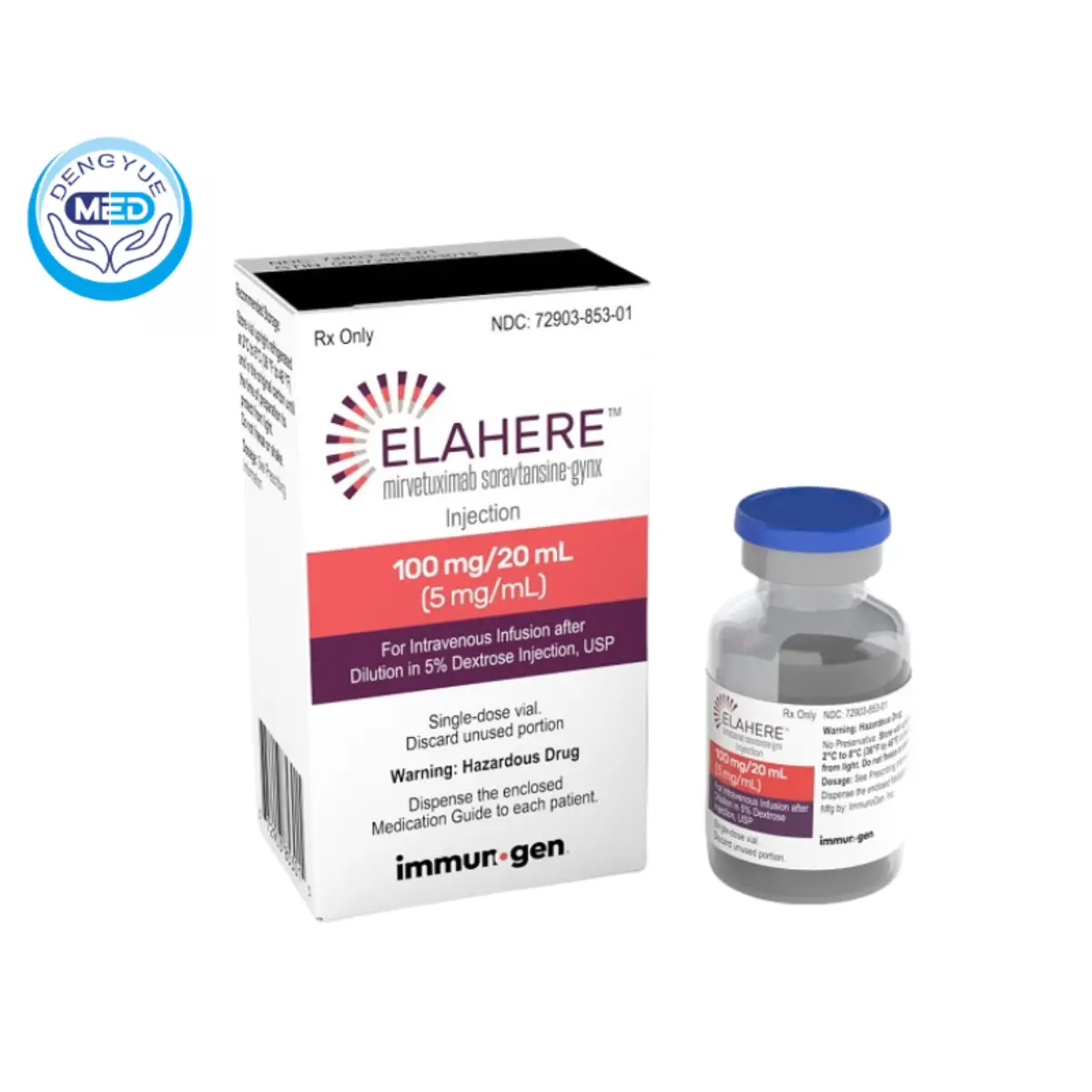
Mirvetuximab Soravtansine-Gynx Injection|Ovarian Cancer
- Generic Name/Brand Name: Mirvetuximab soravtansine-gynx injection/ELAHERE
- Indications: Ovarian Cancer
- Dosage Form: Solutions
- Specification: 100mg/20ml;5mg/ml
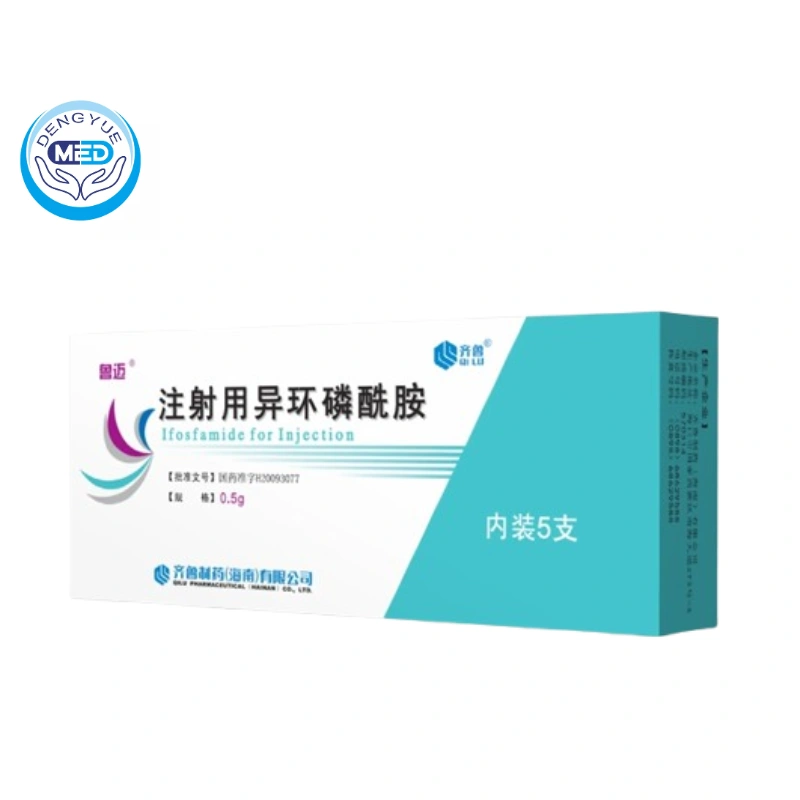
Ifosfamide For Injection | Cancer | HongKong DengYue Medicine
- Generic Name/Brand Name: Ifosfamide for injection
- Indications: Testicular cancer, Ovarian cancer, Sarcomas, Lymphomas
- Dosage Form: Intravenous injection (IV)
- Specification: 1 g and 500 mg

Compound Cyclophosphamide Tablets | Ovarian Cancer | DengYueMed
- Generic Name/Brand Name: Compound Cyclophosphamide/Tianjin Jinshi
- Indications: Malignant tumor, Ovarian Cancer
- Dosage Form: Enteric-coated tablet (medicine)
- Specification: Cyclophosphamide 50mg, Ginseng stem and leaf saponin 50mg.
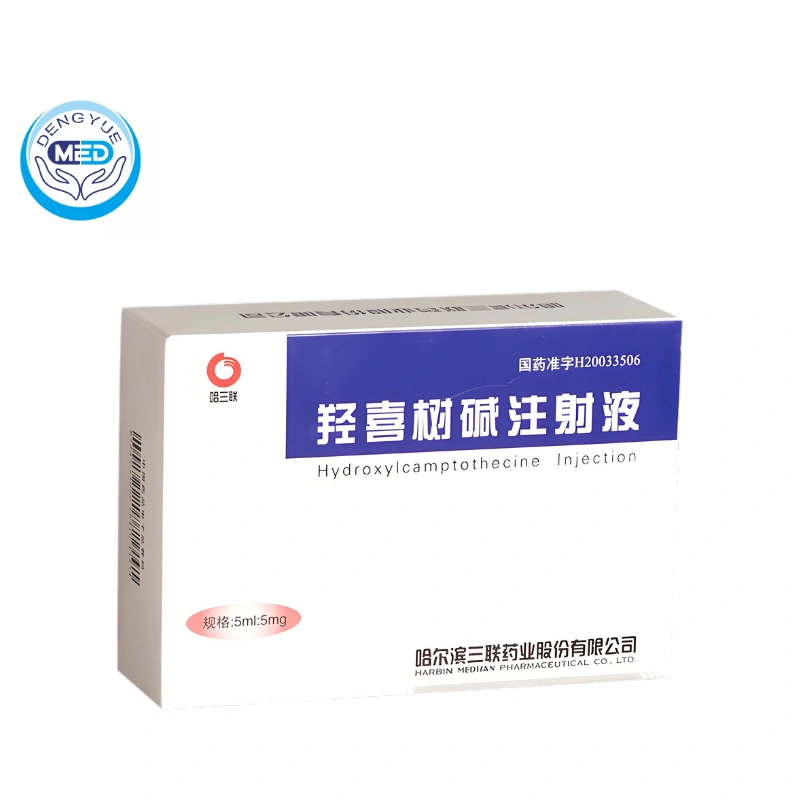
Hydroxylcamptothecine Injection | Ovarian Cancer
- Generic Name/Brand Name:Hydroxylcamptothecine injection
- Indications:Cancers, such as colon cancer, ovarian cancer, small-cell lung cancer, and other solid tumors.
- Dosage Form:Intravenous injection
- Specification:5mg、5ml
✅ Patient Guidance Summary
🌟 Alternative Option: Hydroxylcamptothecine if locally available and recommended
👍 Best Targeted Option: Mirvetuximab Soravtansine-Gynx for FRα-positive tumors
👌 Standard Chemotherapy: Ifosfamide and Cyclophosphamide as part of multi-drug regimens
Summary: Key Takeaways for Early Detection
- ✅ Know your risks, especially family history and age
- ✅ Monitor persistent symptoms—don’t ignore vague discomfort
- ✅ Schedule regular gynecologic visits
- ✅ Speak up early—your awareness can lead to life-saving diagnosis
- ✅ Consult a specialist if cancer is suspected
About DengYueMed—HK Drug Wholesale Distributor
As a legally compliant drug import and export company, DengYue is certified by the Pharmacy & Poisons Board of Hong Kong — you can verify our qualification on their official website.

Our efforts to improve the affordability of Ovarian Cancer Treat aim to ensure that more patients can benefit from this important medication.
HK DengYue provides detailed medicine information, transparent pricing, and responsive support to ensure a smooth and reliable buying experience.
Feel free to reach out anytime to discuss your needs or ask questions about the medicine. We welcome you to contact us for a consultation.
FAQ about ovarian cancer
Can You Fully Recover From Ovarian Cancer?
Over 70% of women diagnosed with ovarian cancer survive for at least one year after diagnosis.
What is My First Symptom of Ovarian Cancer?
1. Discomfort or pain in the pelvic region.
2. Feeling full sooner than usual when eating.
3. Urinating more often or feeling a strong urge to go.
What is the Life Expectancy for Ovarian Cancer?
1. Around 78% of patients survive at least 1 year after diagnosis.
2. Over 60% survive for 3 years or more.
3. More than 50% live at least 5 years.
At What Age Ovarian Cancer Starts?
The median age at diagnosis is 63.
More than two-thirds of ovarian cancer patients are aged 55 or older, and nearly 50% are diagnosed at age 65 or above.