

Comprehensive Guide to Cidofovir Injection: Uses, Dosage, Side Effects, and Precautions
Introduction
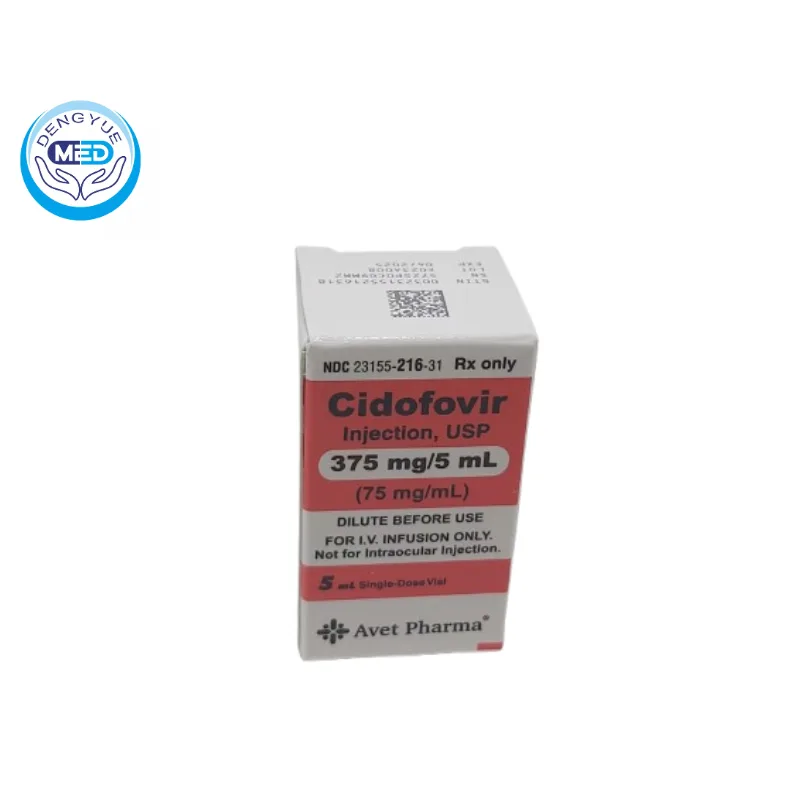
Cidofovir is an antiviral medication primarily used to treat cytomegalovirus (CMV) retinitis in patients with AIDS.
This guide provides an in-depth look at its uses, dosage, potential side effects, precautions, and other essential information for healthcare professionals and patients.
What is Cidofovir Injection?
Cidofovir is a nucleotide analogue that works by inhibiting viral DNA replication, preventing the spread of CMV.
It is administered via intravenous (IV) infusion and is typically used in immunocompromised patients, such as those with HIV/AIDS, who are at high risk for CMV-related complications.
Indications: Who Needs Cidofovir Injection?
Cidofovir Injection is FDA-approved for the treatment of CMV retinitis in individuals with AIDS. CMV retinitis is a serious viral eye infection that can lead to vision loss or blindness if left untreated.
In some cases, cidofovir is also explored for off-label uses, including treatment of other viral infections, though more research is needed.
Dosage and Administration: How is Cidofovir Used?
Cidofovir must be administered by a healthcare professional due to its potential toxicity, especially to the kidneys.
Standard Dosing Schedule
- Induction Phase:
- Dose: 5 mg/kg
- Frequency: Once per week for two weeks
- Maintenance Phase:
- Dose: 5 mg/kg
- Frequency: Once every two weeks
Important Administration Guidelines
- Hydration is crucial: Patients receive IV saline before and after administration to protect the kidneys.
- Probenecid supplementation: Given orally to reduce the risk of kidney toxicity.
- Slow infusion: Administered over 1–2 hours to minimize adverse effects.
Contraindications: Who Should Avoid Cidofovir Injection?
Cidofovir Injection should not be used in the following conditions:
❌ Severe kidney disease – Patients with elevated creatinine levels or significant proteinuria are at high risk of kidney failure.
❌ Allergy to cidofovir or probenecid – Any known hypersensitivity should be discussed with a doctor.
❌ Concurrent use of nephrotoxic drugs – Avoid using cidofovir with medications like NSAIDs, aminoglycosides, or amphotericin B due to the high risk of kidney damage.
Precautions: What to Watch Out For
Cidofovir Injection requires strict monitoring due to its potential serious side effects:
✔ Kidney Function: Before each dose, creatinine levels and urine protein should be checked.
✔ Blood Cell Counts: Patients should be monitored for neutropenia (low white blood cell count), which can increase infection risk.
✔ Eye Health: Regular ophthalmologic exams are recommended due to the risk of uveitis (eye inflammation).
✔ Pregnancy and Breastfeeding: Cidofovir should not be used during pregnancy due to its potential harmful effects on the fetus. Breastfeeding is also not recommended.
Possible Side Effects: What to Expect?
Like all medications, Cidofovir Injection can cause side effects, ranging from mild to severe.
Common Side Effects
- Kidney toxicity – The most serious concern, requiring frequent monitoring.
- Nausea and vomiting – Can occur after infusion but is usually mild.
- Low white blood cell count (neutropenia) – Increases infection risk.
- Ophthalmic issues – Some patients experience uveitis or increased intraocular pressure.
- Fatigue, fever, and headache – General side effects that may lessen over time.
Serious Side Effects (Seek Medical Attention Immediately)
🚨 Severe kidney dysfunction – Symptoms include swelling, reduced urine output, or back pain.
🚨 Vision problems – Any blurred vision, eye pain, or sudden loss of sight should be reported to a doctor.
🚨 Severe allergic reactions – Signs like rash, swelling, difficulty breathing, or dizziness require urgent care.
Drug Interactions: What Should You Avoid?
Certain medications can increase the risk of toxicity when combined with Cidofovir Injection:
⚠ Nephrotoxic drugs – Avoid NSAIDs, aminoglycosides, amphotericin B, foscarnet, and others that can harm the kidneys.
⚠ Live vaccines – Patients on cidofovir should avoid live virus vaccines due to their weakened immune response.
⚠ Probenecid interactions – Probenecid, used to protect the kidneys, can affect the metabolism of other drugs, so discuss all medications with a doctor.
Special Considerations: Who Needs Extra Monitoring?
👶 Children & Adolescents: Safety and efficacy in pediatric patients have not been well established.
👴 Elderly Patients: Older adults are at higher risk of kidney damage and need careful dose adjustments.
👩⚕️ Pregnant Women: Cidofovir Injection is not recommended during pregnancy due to potential birth defects.
👩⚕️ Breastfeeding Mothers: Since it is unclear if cidofovir passes into breast milk, breastfeeding should be avoided.
Key Takeaways
- Cidofovir Injection is a powerful antiviral used primarily for CMV retinitis in AIDS patients.
- Kidney protection is critical – hydration and probenecid are mandatory.
- Regular medical monitoring is essential to detect side effects early.
- Avoid nephrotoxic drugs and live vaccines while on treatment.
- Discuss any concerns with your doctor before starting cidofovir.
Summary
Cidofovir Injection is a vital antiviral medication primarily used for treating cytomegalovirus (CMV) retinitis in AIDS patients.
While highly effective, it requires careful monitoring due to its potential kidney toxicity, blood cell depletion, and ocular side effects.
Proper hydration, probenecid co-administration, and regular medical check-ups are essential for ensuring safety during treatment.
At DengYue, we specialize in providing high-quality pharmaceutical solutions to patients worldwide.
Our team is dedicated to helping you access the latest and most effective treatments, ensuring safe and reliable medication sourcing.
If you’re looking for trusted pharmaceutical expertise, DengYueMed is here to support you. Contact us for more information on Cidofovir price and other speciality drugs.