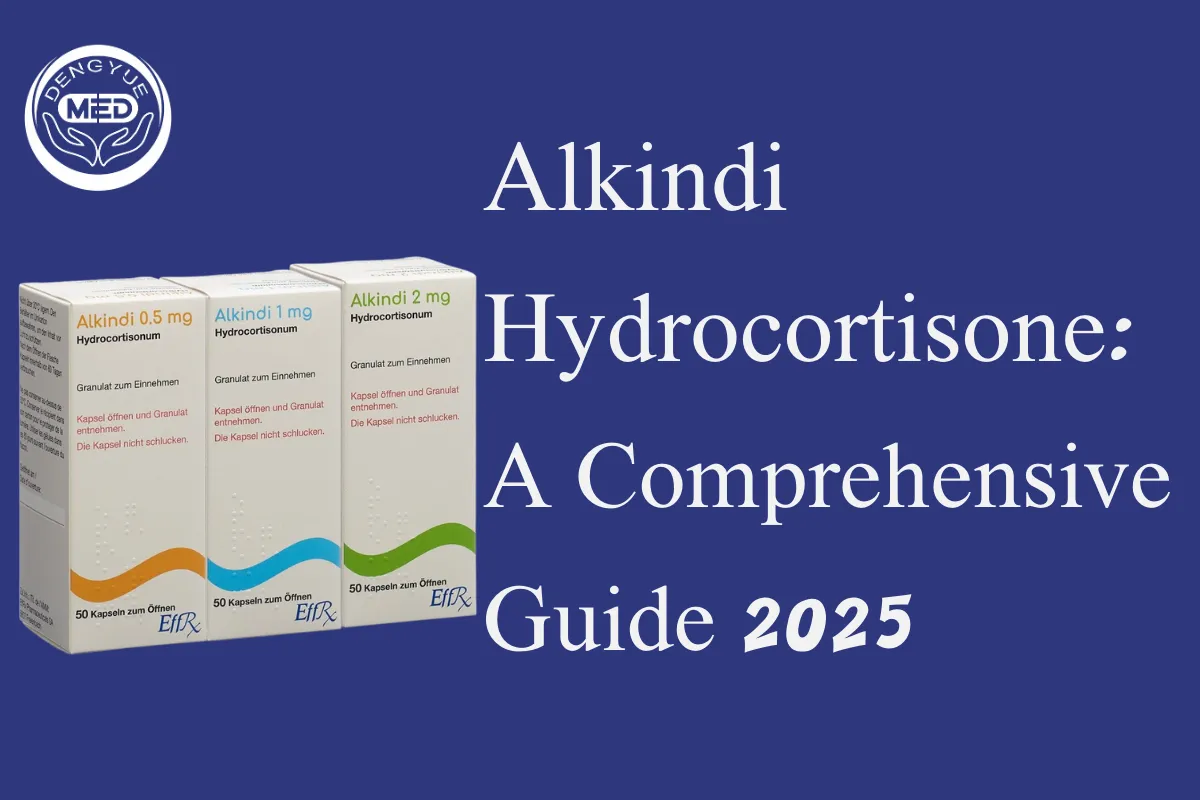
Alkindi Hydrocortisone: A Comprehensive Guide 2025
In this blog, DengYue will explore the following aspects of Alkindi Hydrocortisone:
Advantages over traditional hydrocortisone formulations.
- What Alkindi Hydrocortisone is
- How it works
- Its uses and indications
- Dosage and administration
- Side effects and precautions
.
Introduction
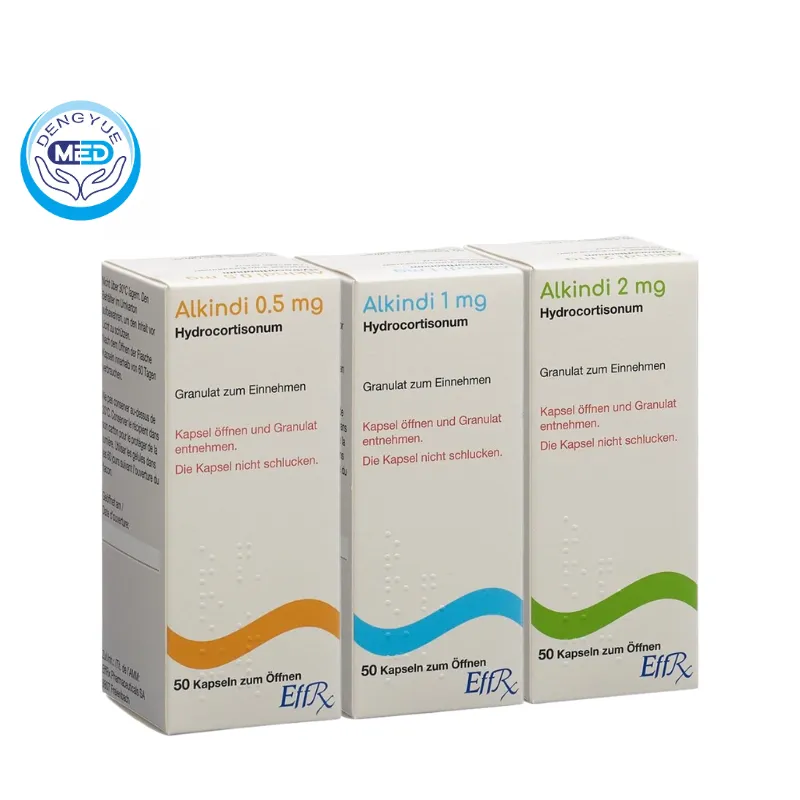
Alkindi Hydrocortisone is a pediatric-friendly formulation of hydrocortisone used to manage adrenal insufficiency, particularly in children.
Adrenal insufficiency, also known as Addison’s disease, is a condition in which the adrenal glands do not produce enough steroid hormones, specifically cortisol.
Alkindi offers a solution for children who require hydrocortisone replacement therapy, and it has become an essential medication in the treatment of adrenal insufficiency in pediatric populations.
What is Alkindi Hydrocortisone?
Alkindi is an oral suspension of hydrocortisone specifically designed for children. It is a glucocorticoid used to replace the cortisol hormone in the body, which is either insufficient or absent in patients with adrenal insufficiency.
This formulation provides a child-friendly dosage form that makes it easier for pediatric patients to take their medication compared to traditional tablets or capsules.
Hydrocortisone is a synthetic form of cortisol, a natural hormone produced by the adrenal glands. Cortisol plays a critical role in a variety of bodily functions, including regulating metabolism, reducing inflammation, and helping the body respond to stress.
When the adrenal glands fail to produce enough cortisol, it can lead to serious health issues. Alkindi provides a controlled, safe, and effective way of replacing this vital hormone in children who need it.
How Does Alkindi Hydrocortisone Work?
Alkindi Hydrocortisone works by mimicking the effects of the natural cortisol produced by the adrenal glands.
Cortisol is crucial for managing various body functions, particularly the body’s response to stress, regulation of blood pressure, metabolism, immune function, and the balance of salt and water in the body.
In patients with adrenal insufficiency, the body’s ability to produce cortisol is compromised, leading to symptoms like fatigue, weakness, low blood pressure, and more.
Alkindi provides the necessary cortisol replacement in the body, thereby alleviating these symptoms and maintaining a normal physiological balance.
Uses and Indications
Alkindi Hydrocortisone is primarily used for the treatment of adrenal insufficiency in children.
This condition can either be primary, where the adrenal glands are damaged and cannot produce cortisol, or secondary, where the pituitary gland fails to stimulate the adrenal glands adequately.
Primary Uses
- Adrenal Insufficiency:
- Alkindi is prescribed to replace cortisol in children who have primary or secondary adrenal insufficiency.
- It is indicated for children as young as 2 years old.
- Patients with conditions like Addison’s disease and congenital adrenal hyperplasia (CAH) often benefit from this treatment.
- Congenital Adrenal Hyperplasia (CAH):
- This genetic disorder affects the adrenal glands’ ability to produce cortisol and aldosterone, making hydrocortisone replacement therapy essential for managing symptoms and preventing life-threatening conditions.
- Other Cortisol Deficiencies:
- Alkindi may also be used in other conditions where cortisol replacement is necessary.
Dosage and Administration
Alkindi Hydrocortisone is available as a liquid suspension that can be easily measured using the included dosing device, making it more accessible for young children and easier to adjust doses compared to tablets. The medication comes in different strength formulations to allow for precise dosing according to the patient’s needs.
Standard Dosage Guidelines:
- Infants and Children (2 to 6 years): The initial dose typically ranges from 6-12 mg/m² per day, divided into two or three doses.
- Children (6 years and older): The dose is often increased to 10-12 mg/m² per day, depending on the severity of adrenal insufficiency.
- Dosing adjustments: The dose is individualized based on the child’s weight, age, and clinical condition. The prescribing doctor will tailor the dose to ensure adequate cortisol replacement.
Alkindi should be taken with food to reduce the risk of gastrointestinal irritation. It’s important to carefully follow the prescribed dosing schedule, and do not change the dose without consulting a healthcare professional.
Side Effects and Precautions
Like any medication, Alkindi Hydrocortisone drug can have side effects, although not everyone will experience them.
It’s important for parents and caregivers to be aware of potential side effects and manage them accordingly.
Common Side Effects:
- Weight gain
- Difficulty sleeping (insomnia)
- Increased appetite
- High blood pressure (hypertension)
- Mood changes, including irritability or anxiety
- Increased susceptibility to infections due to immune suppression
- Stomach upset or digestive issues (gastritis, ulcers)
Serious Side Effects:
- Cushing’s Syndrome: Long-term use of high doses of hydrocortisone can lead to a condition called Cushing’s syndrome, characterized by obesity, a round face, and high blood pressure.
- Osteoporosis: Prolonged use of glucocorticoids may contribute to weakened bones.
- Growth Suppression: Children on long-term hydrocortisone therapy need to be monitored for potential growth suppression, though Alkindi has been formulated for safe use in children.
Precautions:
- Alkindi should be used with caution in patients with infections, as it can suppress the immune system.
- Regular monitoring by healthcare providers is essential to avoid complications such as adrenal crisis, a life-threatening condition resulting from sudden withdrawal or improper dosing of corticosteroids.
- If the child experiences symptoms of an adrenal crisis, such as severe weakness, dizziness, nausea, or vomiting, seek emergency medical attention immediately.
Advantages of Alkindi Over Traditional Hydrocortisone Formulations
Alkindi Hydrocortisone has several distinct advantages when compared to traditional hydrocortisone formulations, especially for pediatric patients:
- Child-Friendly Formulation:
- Alkindi comes as a liquid suspension, making it easier to administer to children who may have difficulty swallowing tablets or capsules.
- The dosing device ensures accurate administration, allowing for precise adjustment based on the child’s weight and age.
- Tailored Dosing:
- Alkindi offers the flexibility to adjust doses more easily than solid formulations, which is especially important in pediatric care where body weight and age are constantly changing.
- Reduced Risk of Side Effects:
- Alkindi is formulated to deliver the correct amount of hydrocortisone, potentially reducing the risk of over-treatment or under-treatment, which can lead to complications.
- Better Adherence to Treatment:
- The easy-to-swallow liquid form encourages better adherence to treatment in children, which is critical for maintaining consistent cortisol levels.
Conclusion
Alkindi Hydrocortisone is a revolutionary treatment for children with adrenal insufficiency, offering a safe, effective, and convenient way to manage cortisol replacement therapy.
Its child-friendly formulation, combined with tailored dosing and reduced risk of side effects, makes it an ideal choice for managing adrenal insufficiency in pediatric patients.
Parents and caregivers should work closely with their healthcare provider to monitor the child’s response to treatment and ensure that Alkindi is being used correctly.
With appropriate use, Alkindi can help improve quality of life and prevent the serious complications associated with adrenal insufficiency.
If you or your child is being prescribed Alkindi Hydrocortisone, make sure to stay informed about the proper dosage, side effects, and potential interactions.
HongKongDengYueMed is always committed to providing attentive care for patients.