
This article covers 20 FAQs about medical treatment in China for foreigners, offering practical guidance on healthcare procedures, medical resources, and travel arrangements for international patients.
Basic FAQs About Medical Treatment in China for Foreigners
1. Can foreigners receive medical treatment in China?
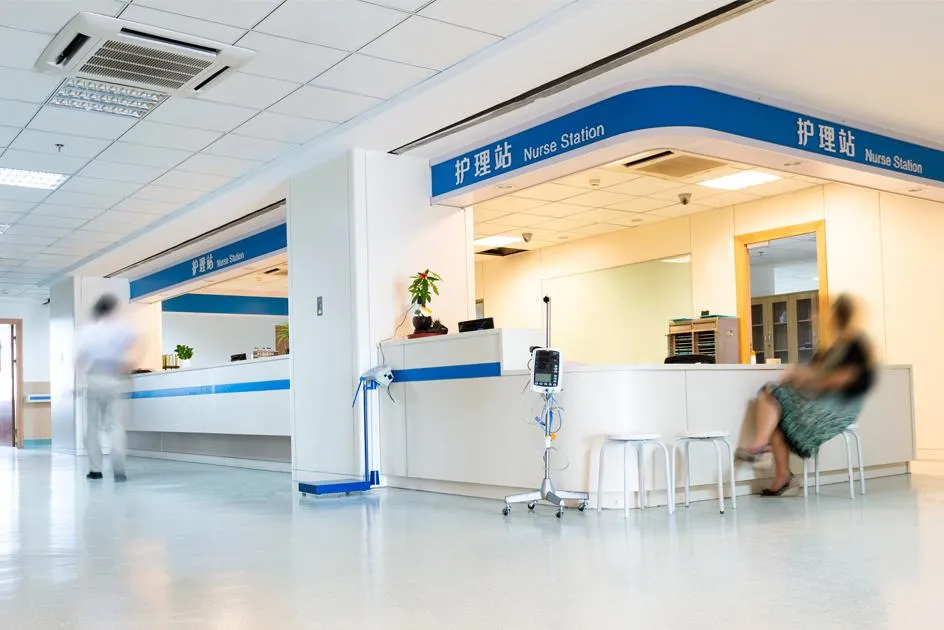
Yes. Chinese hospitals provide medical services to both Chinese and foreign patients. Major tertiary Grade A hospitals often have International Medical Departments or VIP clinics offering bilingual services, appointment assistance, and medical record translation.
2. Is it safe for foreigners to receive medical treatment in China?
Overall, China has an established healthcare system and extensive medical resources. Major tertiary Grade A hospitals continue to advance their medical technologies, equipment, infection control, and patient safety management, providing professional care for foreign patients.
3. How much does medical treatment in China cost?
Medical treatment at Chinese public hospitals generally costs less than comparable self-pay healthcare in Europe and the United States. Many medical services may cost approximately one-fifth to one-half of comparable services in the United States.
International Medical Departments generally charge more than regular outpatient clinics, while private international hospitals may cost approximately two to three times as much as International Medical Departments, although their prices may still be lower than those in Europe and the United States.
4. Are Chinese doctors professionally qualified and experienced?
Doctors at leading hospitals typically complete 8–10 years of medical education and training, including residency. Many have overseas training experience and publish in international medical journals. Their registration can be verified through China’s National Physician Registration Information Platform. [1]
One advantage of China’s healthcare system is its large patient volume. The annual surgical volume of a chief surgeon at a major tertiary hospital may be several times that of counterparts in Europe or the United States.
Hospital Selection, Appointments, and Language Support
5. How can foreigners find Chinese hospitals that provide English or other foreign-language services?
Search for terms such as “International Medical Department,” “International Medical Center,” or “International Department” when looking for hospitals in China. These departments are generally designed to serve international patients.
For example, Guangzhou Royallee Cancer Hospital has an International and Hong Kong, Macao, and Taiwan Medical Center with multilingual translation services. Appointments can be made through its official website, WeChat account, or service hotline.
6. What is a JCI-accredited hospital? Do foreigners need to choose a JCI-accredited hospital in China?
JCI (Joint Commission International) is an international healthcare accreditation organization that evaluates hospital care processes and patient safety management through independent assessment. [2]
JCI-accredited hospitals in China are often private or joint-venture institutions with more internationally oriented services. Public tertiary Grade A hospitals, meanwhile, are often recognized for their strong clinical specialties and high surgical volumes.
Patients do not necessarily need to choose a JCI-accredited hospital. Hospital selection should be based on the disease, the strength of the relevant department, and the patient’s individual needs.
7. How can foreign patients make appointments with doctors in China?
There are three common ways to schedule medical appointments in China: 👇
- Contact the hospital’s International Medical Department by telephone or email.
- Use the hospital’s official app. Some hospitals support passport-based registration and appointment booking through English interfaces.
- Arrange appointments through DengYueMed, which can assist with hospital coordination and appointment arrangements, particularly for overseas patients unfamiliar with China’s healthcare system or facing language barriers.
8. Do foreigners need medical interpreters when visiting Chinese hospitals if they do not speak Chinese?
Medical interpreters are generally not necessary when visiting International Medical Departments, where doctors, nurses, and coordinators can communicate in English. However, English proficiency may be limited in regular outpatient departments, making a medical interpreter advisable.
Medical interpretation services may cost approximately USD 50 to 100 per day, depending on the service provider and arrangements.
Treatment and Specialized Medical Services
9. Can foreigners receive cancer treatment in China?
Yes. Major cancer centers in China, such as Sun Yat-sen University Cancer Center, offer surgery, chemotherapy, radiotherapy, immunotherapy, targeted therapy, and CAR-T cell therapy. Waiting times may be shorter, and treatment costs are generally lower than in Europe and the United States.
This is one of the most common FAQs about medical treatment in China for foreigners.
10. Can foreign patients obtain a second medical opinion from Chinese doctors?
Yes. Patients can obtain a second medical opinion remotely by submitting medical records and imaging through an International Medical Department or DengYueMed. Chinese specialists may provide written opinions or video consultations within about one week.
11. Can rare diseases or complex medical conditions be treated in China?
Yes. This is one of the areas where China has developed specialized medical resources.
Many large referral centers have rare disease programs and multidisciplinary team (MDT) consultation mechanisms. Due to China’s large patient population, some specialists have substantial experience managing uncommon diseases and complex medical cases.
12. Can foreigners receive Traditional Chinese Medicine (TCM) treatment in China?
Yes. Provincial-level TCM hospitals and TCM departments in general hospitals provide treatments such as acupuncture, herbal medicine, tuina, cupping, and moxibustion.
Large TCM hospitals may have International Departments where English communication is available. TCM services are commonly used for chronic pain, postoperative recovery, and certain functional gastrointestinal conditions.
Medical Insurance, Medical Records, and Appointment Preparation
13. Can international health insurance be used in China?
Some international health insurance plans can be used in China. This is also one of the most common FAQs about medical treatment in China for foreigners.
Insurance providers such as Cigna, Allianz, AXA, Bupa, MSH, and GeoBlue have direct billing agreements with certain International Medical Departments and private hospitals. However, direct billing is generally limited to designated hospitals and eligible insurance plans.
14. What medical documents and records should foreign patients prepare before traveling to China for medical treatment?
Foreign patients should prepare six essential categories of medical documents:
- Original imaging data, including DICOM files on a CD or USB drive, together with imaging reports
- Pathology reports and pathology slides
- Surgical records and discharge summaries
- Recent laboratory test results, including tumor markers and genetic testing
- Current medication lists, including drug names, dosages, frequency, and allergy history
- Referral letters or initial medical assessments from previous doctors
15. What should foreign patients bring when visiting a hospital in China?
Patients should bring their passports, visas or entry records, insurance cards and policy documents, appointment confirmations, printed medical records and imaging reports, and available payment methods such as UnionPay cards, WeChat Pay, Alipay, or cash.
For the first visit, patients should complete real-name registration and arrive 30–60 minutes early. Bringing current medication packaging or photos also helps doctors identify medicines accurately.
Visa, Travel, and Medical Arrangements
16. What visa do foreigners need for medical treatment in China?
Visa requirements depend on nationality and the intended length of stay.[3,4]
- Visa-free entry: As of December 31, 2026, citizens of 50 countries can enter China visa-free for up to 30 days, subject to eligibility requirements. This may cover outpatient consultations, medical examinations, and certain minor procedures.
- S2 visa: Patients planning surgery or stays exceeding 30 days may need an S2 visa, generally allowing stays of up to 180 days.
- S1 visa: May apply to stays exceeding 180 days.
- M visa: Intended for business activities and is not a general-purpose visa for medical treatment.
Hospital invitation letters may be required for visa applications.
17. How long should foreign patients plan to stay in China for medical treatment?
The length of stay depends on the type of treatment and recovery requirements.
Typical estimates include:
- Medical examinations: 1–3 days
- Specialist outpatient consultations: 2–3 days
- Minor surgery: 1–2 weeks
- Major surgery, including rehabilitation: 3–4 weeks
- Radiotherapy or multiple cycles of chemotherapy: generally 4–6 weeks
18. Can foreigners bring their prescription medicines into China?
Yes, but travelers must follow China’s customs and pharmaceutical regulations. Prescription medicines should remain in their original packaging, accompanied by a prescription and doctor’s letter stating their name, dosage, and purpose.
Only personal-use quantities should be carried, and certain controlled medicines may require additional approval or documentation. Travelers should confirm requirements with Chinese customs before departure. [5]
This is another important consideration in FAQs about medical treatment in China for foreigners.
Emergency Medical Care and Follow-up Treatment
19. What emergency medical services are available to foreigners in China?
The emergency medical number in mainland China is 120. The fire emergency number is 119, and the police emergency number is 110.
In an emergency, patients can call 120 for ambulance services or go directly to the emergency department of a nearby hospital. Emergency departments are generally open 24 hours a day.
20. Can foreign patients continue treatment and rehabilitation in their home countries after receiving medical treatment in China?
Yes. Patients should prepare complete medical handover documents before discharge, including English discharge summaries, surgical records, copies of imaging and pathology reports, medication plans using international generic names, and follow-up schedules.
Some Chinese doctors offer video follow-ups, subject to availability. Patients can also complete certain examinations at home and share the results with their medical team in China.
Explore China’s Healthcare Resources with DengYueMed
✅ Read the complete guide: Medical Tourism in China
Planning to receive medical treatment in China?
DengYueMed helps international patients explore China’s medical resources, understand hospital options, and coordinate cross-border healthcare arrangements through medical information and communication support.

Explore Healthcare Resources in China
References
- National Health Commission of the People’s Republic of China: National Physician Registration Information Query
https://zgcx.nhc.gov.cn/doctor - Joint Commission International (JCI): International Healthcare Accreditation
https://www.jointcommission.org/en/en/accreditation - National Immigration Administration of China: Guidelines for Visa Extension, Renewal, and Reissuance for Foreign Nationals
https://s.nia.gov.cn/mps/mbbszy/wgrcrj/sqwgrqz/201903/t20190316_1014.html - China Consular Service: FAQs on China’s Unilateral Visa-Free Policies
http://cs.mfa.gov.cn/lh/lhqz_149493/cjwd/ - General Administration of Customs of the People’s Republic of China: Regulations on the Supervision of Articles Carried by Inbound and Outbound Passengers
https://www.mofcom.gov.cn/zcfb/zgdwjjmywg/art/2025/art_2412b6f8868b4034bf55a1261158e544.html