
Eli Lilly’s Imlunestrant Approved in China: Oral SERD Offers a New Treatment Option for ESR1-Mutated Breast Cancer
On June 22, 2026, China’s National Medical Products Administration (NMPA) officially approved Eli Lilly’s innovative Class 1 drug Imlunestrant (brand name: Inluriyo).
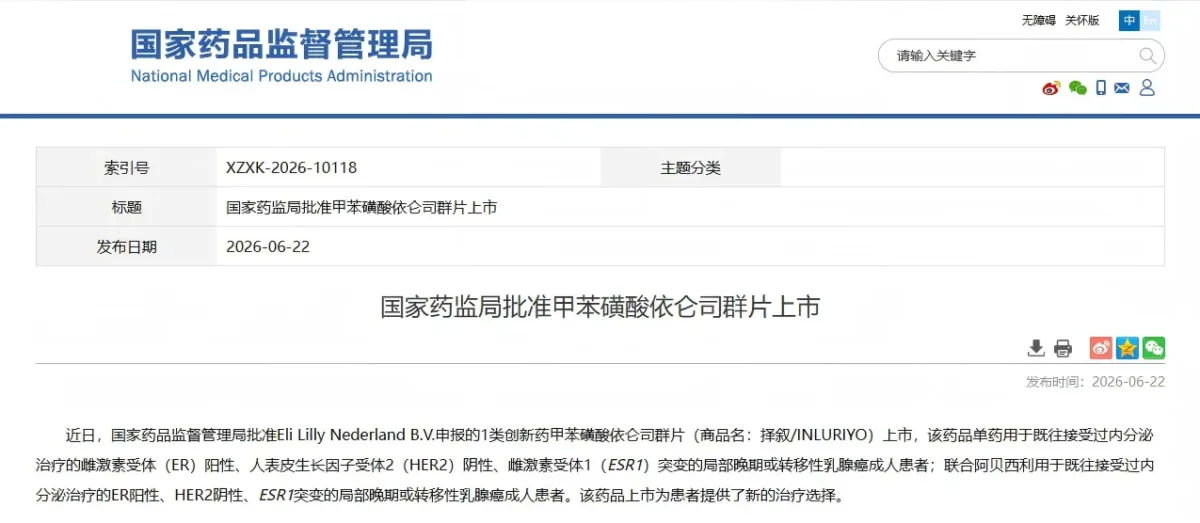
The drug is the first and currently only approved oral SERD in China, indicated as monotherapy or in combination with Abemaciclib for adults with ESR1-mutated ER+/HER2- locally advanced or metastatic breast cancer following endocrine therapy.
The approval of Eli Lilly’s Imlunestrant approved in China not only fills a significant treatment gap for endocrine-resistant breast cancer associated with ESR1 mutations in China, but also signals the beginning of the oral SERD era in the country’s precision breast cancer treatment landscape. 🎗️
In this article, DengYueMed reviews the mechanism of action of Imlunestrant and its clinical significance in ESR1-mutated breast cancer.
What Is ESR1-Mutated Breast Cancer?
Breast cancer is one of the most common malignancies among women worldwide and remains the most frequently diagnosed cancer among women in China.
Among all breast cancer cases, approximately 70% are classified as ER+/HER2- breast cancer. For these patients, endocrine therapy has long been the cornerstone of treatment, including:
- Aromatase inhibitors (AIs)
- Tamoxifen
- Fulvestrant and other endocrine therapies
😢 However, as treatment continues, some patients gradually develop resistance to endocrine therapy.
Studies have shown that approximately 20% to 40% of patients with ER+/HER2- advanced breast cancer develop ESR1 gene mutations during or after treatment with aromatase inhibitors.
ESR1 mutations can lead to continuous activation of estrogen receptors, allowing tumor cells to continue growing even when estrogen levels are significantly reduced.
As a result, patients may experience: 🔽
- Endocrine therapy failure
- Faster disease progression
- Poorer prognosis
- Limited treatment options
Therefore, the development of novel therapies targeting ESR1 mutations has become a major focus in breast cancer research.

Mechanism of Action of Imlunestrant
Imlunestrant is a next-generation oral SERD (Selective Estrogen Receptor Degrader).
The mechanism behind Eli Lilly’s Imlunestrant approved in China includes the following key actions:
1. Blocking Estrogen Receptor Signaling
Imlunestrant binds to estrogen receptors and prevents tumor cells from receiving growth-promoting hormonal signals.
2. Degrading Estrogen Receptors
Unlike traditional endocrine therapies, Imlunestrant not only blocks receptor activity but also promotes receptor degradation, reducing cancer-driving signals at their source.
3. Maintaining Activity Against ESR1 Mutations
Imlunestrant continues to suppress estrogen receptor function in tumors carrying ESR1 mutations, helping overcome endocrine resistance.
In addition, Imlunestrant is administered orally once daily. Compared with injectable SERD therapies, this convenient dosing schedule may improve long-term treatment adherence.
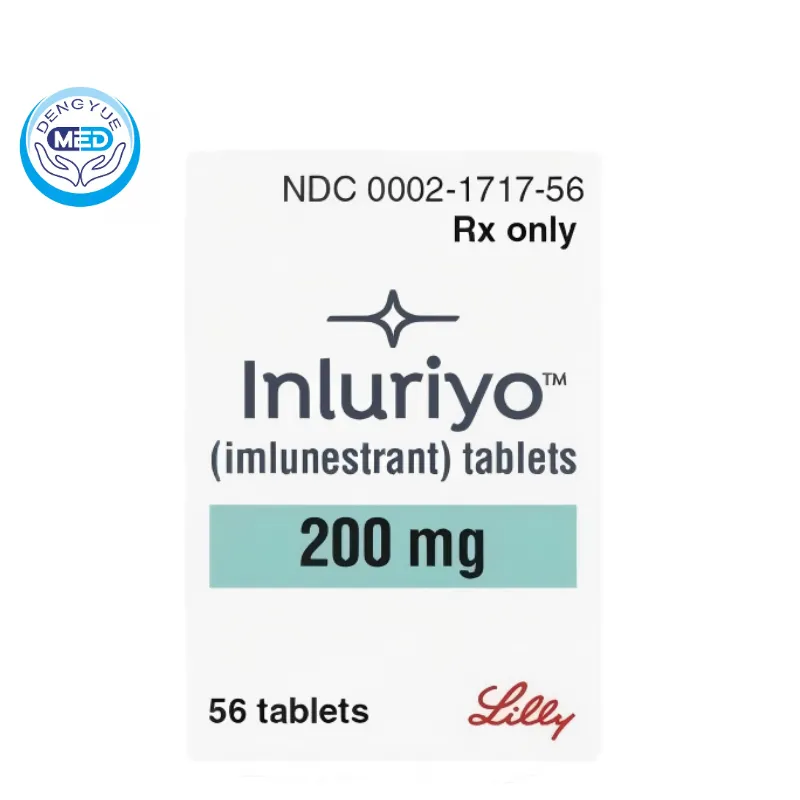
imlunestrant inluriyo
EMBER-3 Study: Key Clinical Data
The approval of Eli Lilly’s Imlunestrant approved in China was primarily supported by positive results from the global Phase III EMBER-3 clinical trial.
The study enrolled 874 patients with ER+/HER2- advanced breast cancer whose disease had recurred or progressed during or after aromatase inhibitor therapy.
The trial evaluated:
- Imlunestrant monotherapy
- Standard endocrine therapy (Fulvestrant or Exemestane)
- Imlunestrant combined with Abemaciclib
and compared their efficacy and safety outcomes.
Efficacy in Patients With ESR1 Mutations
Among patients with ESR1 mutations:
- Median progression-free survival (PFS) with Imlunestrant: 5.5 months
- Median PFS with standard endocrine therapy: 3.8 months
✅ Results showed:
- A 38% reduction in the risk of disease progression or death
- HR = 0.62
- P < 0.001
The study also demonstrated an overall survival (OS) benefit, with median OS extended by 11.4 months in the Imlunestrant group.
Enhanced Benefit With Abemaciclib Combination Therapy
Across the overall study population, Imlunestrant combined with Abemaciclib demonstrated significantly improved efficacy:
- Median PFS in the combination group: 11.1 months
- Median PFS with Imlunestrant alone: 5.5 months
✅ Results showed:
- A 51% reduction in the risk of disease progression or death
In addition:
- Objective response rate (ORR) in the combination group: 27%
- ORR with monotherapy: 12%
These findings suggest that Imlunestrant plus the CDK4/6 inhibitor Abemaciclib may become an important future treatment strategy for ER+/HER2- advanced breast cancer.
Safety Profile
In the EMBER-3 study, the safety profile of Imlunestrant combined with Abemaciclib was generally manageable.
The most commonly reported adverse events included:
- Diarrhea
- Nausea
- Neutropenia
- Anemia
Most adverse events were mild to moderate (Grade 1-2) and consistent with the known safety profile of Abemaciclib-based therapy.
The study also reported a relatively low treatment discontinuation rate due to adverse events, indicating a favorable benefit-risk profile.
Global SERD Market Landscape
Before Eli Lilly’s Imlunestrant approved in China, only two SERD therapies had received regulatory approval worldwide.
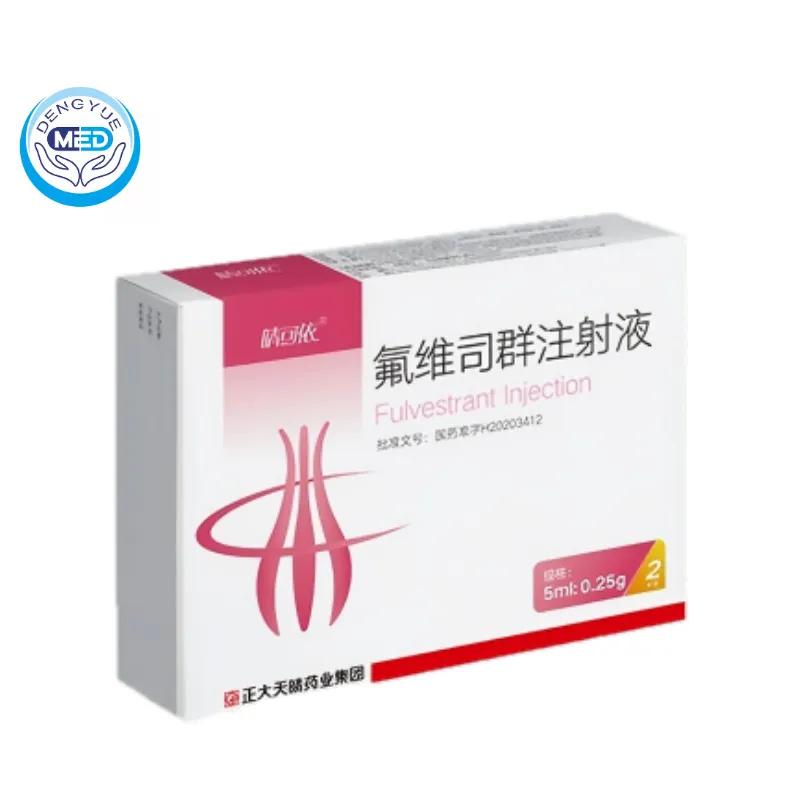
Fulvestrant
As the first SERD therapy globally, Fulvestrant has been widely used for many years.
However, it has several limitations:
- Requires intramuscular injection
- Less convenient administration
- Potential impact on long-term treatment adherence
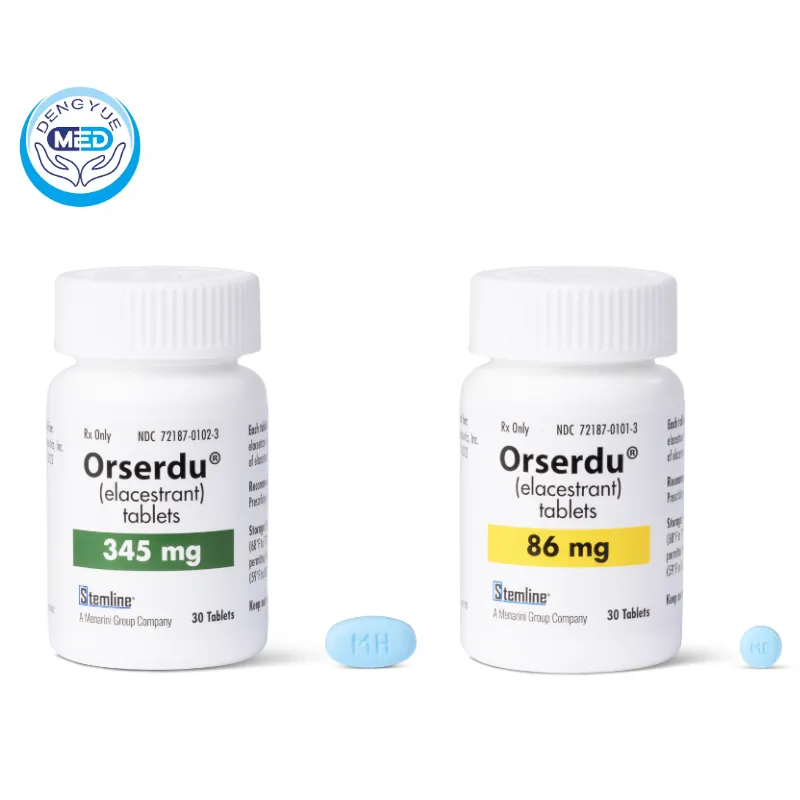
Elacestrant
In 2023, the U.S. FDA approved Elacestrant.
It became the world’s first oral SERD therapy.
The approval of Elacestrant validated the oral SERD treatment approach and accelerated competition within the SERD market.
Competitive Advantages of Imlunestrant
Compared with existing therapies, Imlunestrant offers several advantages: 👇
- First approved oral SERD in China
- Demonstrated efficacy in ESR1-mutated patients
- Once-daily oral administration
- First approval globally of the Imlunestrant plus Abemaciclib combination in China
- Significant improvement in progression-free survival
- Favorable safety and tolerability profile
The approval of Eli Lilly’s Imlunestrant approved in China in combination with Abemaciclib also highlights the growing efficiency of China’s innovative drug review and approval system.
What Does Eli Lilly’s Imlunestrant Approved in China Mean for Breast Cancer Treatment?
The approval of Eli Lilly’s Imlunestrant approved in China is widely regarded as an important milestone in precision medicine for breast cancer.
For patients with ER+/HER2- breast cancer carrying ESR1 mutations, the therapy offers a new option that combines:
- Precision targeting
- Clinical efficacy
- Oral convenience
- Long-term disease management potential
As real-world evidence continues to emerge and reimbursement access expands, Imlunestrant may benefit a larger patient population and further support the transformation of breast cancer into a more manageable chronic disease.
Conclusion
As the first approved oral SERD in China, Imlunestrant represents a significant advancement in the treatment of ESR1-mutated breast cancer.
✨ The approval of Eli Lilly’s Imlunestrant approved in China addresses an important unmet medical need and introduces a new precision treatment option for patients facing endocrine resistance.
As clinical adoption continues to expand, Imlunestrant may become an increasingly important component of endocrine-based precision oncology and help shape the future of breast cancer treatment in China.
Chinese pharmaceutical wholesaler DengYueMed will continue to monitor developments in innovative oncology therapies and remains committed to supporting improved treatment accessibility and patient access to advanced cancer care solutions.
FAQ about Eli Lilly’s Imlunestrant Approved in China
When will imlunestrant be available?
Imlunestrant has already been approved in China by the National Medical Products Administration (NMPA). Availability will depend on post-approval commercial rollout and distribution, which is being closely monitored by DengYueMed.
What is imlunestrant?
Imlunestrant is an oral selective estrogen receptor degrader (SERD) used for the treatment of ER-positive, HER2-negative, ESR1-mutated advanced or metastatic breast cancer after endocrine therapy.
How to take imlunestrant?
Imlunestrant is taken orally once daily as a tablet, either as monotherapy or in combination with other cancer treatments such as Abemaciclib, as prescribed by a healthcare professional.
What is the new drug for breast cancer?
The new drug for breast cancer is Imlunestrant, an oral selective estrogen receptor degrader (SERD) approved in China for ESR1-mutated ER+/HER2- advanced or metastatic breast cancer after endocrine therapy.