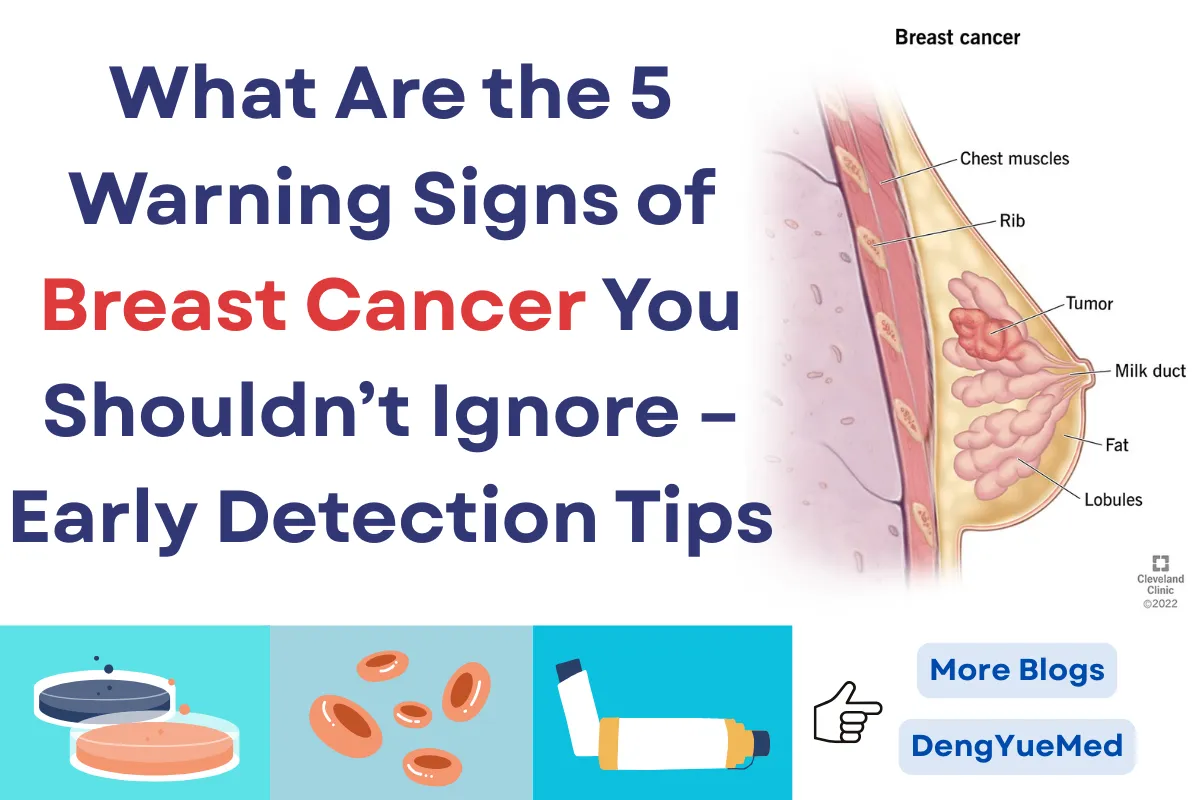
What Are the 5 Warning Signs of Breast Cancer You Shouldn’t Ignore – Early Detection Tips
What are the 5 warning signs of breast cancer? Breast cancer is one of the most common cancers affecting women worldwide, and early detection can significantly improve treatment outcomes.
Recognizing subtle changes in your body, such as unusual lumps, skin changes, or nipple discharge, can be crucial in identifying the disease at an early stage.
Understanding these warning signs empowers both patients and healthcare professionals to act promptly, reduce risks, and choose the most effective interventions.
At Hong Kong DengYue Medicine, we emphasize the importance of understanding these warning signs to help healthcare professionals and patients detect breast cancer early and select the most effective treatments.
How Long Can A Breast Cancer Patient Live?
The survival time of a breast cancer patient largely depends on the stage at diagnosis and the timeliness of treatment.
According to the American Cancer Society, the 5-year relative survival rate for localized breast cancer is about 99%, while for regional spread it drops to 86%, and for distant (metastatic) breast cancer it is around 30%.
Early detection is the most important factor, which is why understanding what the 5 warning signs of breast cancer are—such as a new lump, skin dimpling, nipple inversion, unusual discharge, or persistent pain—is so critical.
Patients who recognize these symptoms earlier have a significantly higher chance of long-term survival. Advances in targeted therapy, hormonal therapy, and chemotherapy also continue to extend life expectancy and improve quality of life.
What Is The Main Cause Of Breast Cancer?
Breast cancer does not have a single cause but rather results from a combination of genetic, hormonal, lifestyle, and environmental factors.
Studies show that 5–10% of breast cancers are linked to inherited genetic mutations, such as BRCA1 and BRCA2, while the majority are sporadic cases influenced by age, obesity, alcohol intake, and hormonal exposure.
For early detection, doctors emphasize the importance of recognizing what are the 5 warning signs of breast cancer, including new lumps, nipple changes, or unusual skin appearance.
Research from the National Cancer Institute (NCI) highlights that women who identify symptoms early and undergo prompt screening have a much higher survival rate compared to those diagnosed at later stages.
While we cannot always control genetic risks, awareness of lifestyle choices and paying close attention to what are the 5 warning signs of breast cancer can significantly reduce delays in diagnosis and improve outcomes.
What Are the 5 Warning Signs of Breast Cancer?
Doctors emphasize that early symptoms may appear subtle but are crucial to notice. The 5 key warning signs include:
A New Lump or Thickened Area in the Breast or Underarm
A new lump or thickened tissue is often the first and most common sign of breast cancer. These lumps may feel firm, irregular, or immobile, and can appear in the breast or underarm area.
While some lumps are benign, studies show that any new lump should be evaluated, as 25–30% of early breast cancers present this way.
Regular self-exams and clinical exams help detect these changes early. Understanding what are the 5 warning signs of breast cancer allows women to seek prompt medical attention, which significantly improves prognosis.
Changes in Breast Size, Shape, or Swelling
Unexpected changes in breast size, shape, or localized swelling—especially when not linked to the menstrual cycle—can be a subtle sign of cancer.
One breast may appear larger, firmer, or differently contoured than the other. Clinical research indicates that these asymmetries are often among the first detectable warning signs, highlighting the importance of regular observation.
Recognizing what are the 5 warning signs of breast cancer enables earlier diagnostic imaging and can improve survival rates.
Skin Dimpling or Puckering
Skin dimpling, puckering, or a texture resembling an orange peel can indicate that a tumor is pulling on the connective tissue beneath the skin.
This sign is sometimes accompanied by redness or localized thickening. Early recognition is critical, as studies suggest skin changes are often linked to invasive cancers.
Women who routinely monitor what are the 5 warning signs of breast cancer are more likely to detect tumors before they progress.
Nipple Changes
Nipple changes—including inversion, pain, or unusual discharge (particularly bloody)—can signal underlying malignancy.
Even minor or intermittent changes should prompt evaluation. Clinical data show that 5–10% of breast cancers initially present with nipple abnormalities, making them a significant warning sign.
Being aware of what are the 5 warning signs of breast cancer ensures that these subtle changes are not ignored, facilitating early diagnosis and treatment.
Persistent Redness, Rash, or Pain in the Breast
Ongoing redness, rash, or unexplained breast pain that does not resolve may indicate inflammatory breast cancer or other aggressive types.
Unlike typical skin irritation, these symptoms often worsen over weeks and may involve warmth or swelling.
Research emphasizes that prompt attention to such changes improves outcomes significantly. Recognizing what are the 5 warning signs of breast cancer ensures timely consultation with healthcare providers, allowing faster intervention and higher survival chances.
Recognizing these early changes helps patients and doctors respond quickly. Studies show that identifying the 5 warning signs of breast cancer can improve survival rates by over 85% when detected in the earliest stages.
Breast Cancer Treatments: Key Therapies You Should Know
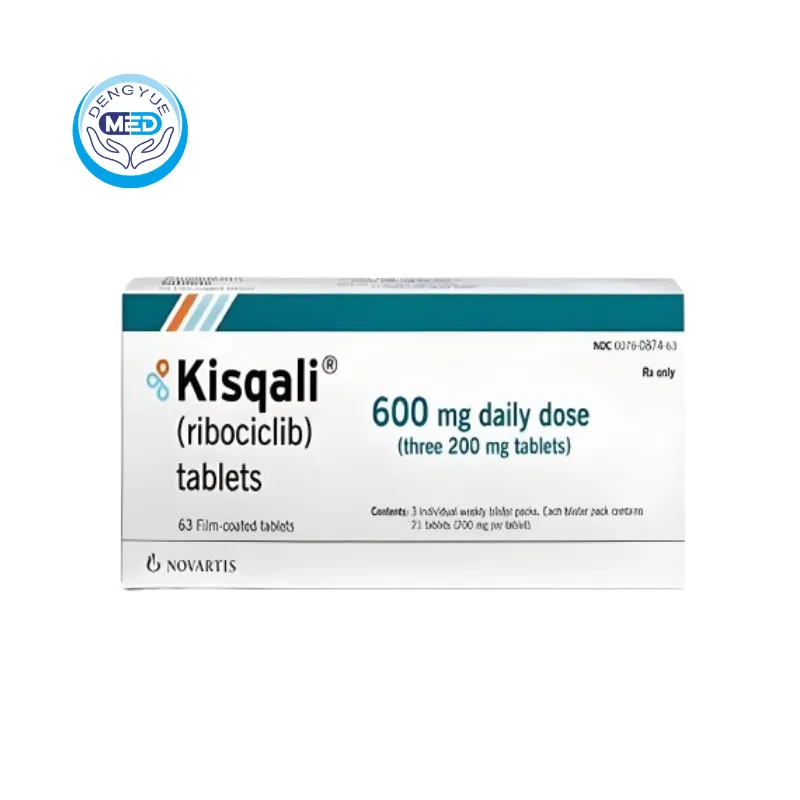
Kisqali (Ribociclib)
Kisqali is a CDK4/6 inhibitor for HR-positive, HER2-negative advanced or metastatic breast cancer. It works by stopping cancer cells from multiplying.
Kisqali is often combined with endocrine therapy to improve survival outcomes.
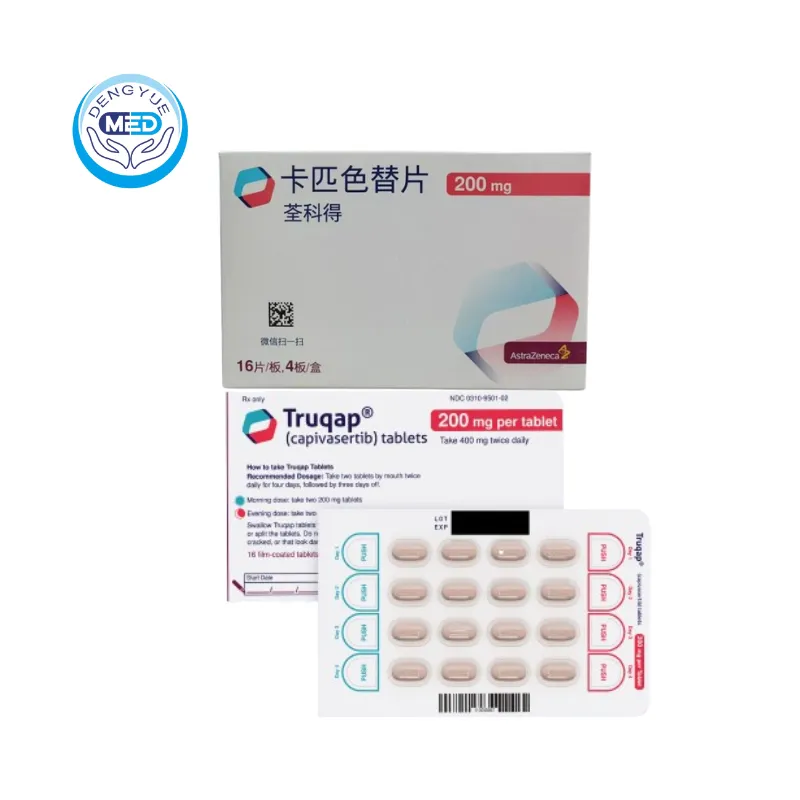
Truqap (Capivasertib)
Truqap is an AKT inhibitor that targets PI3K/AKT pathway-driven breast cancer. It helps slow tumor growth and can be combined with other targeted therapies.
Truqap is particularly beneficial for patients with hormone receptor-positive breast cancer.
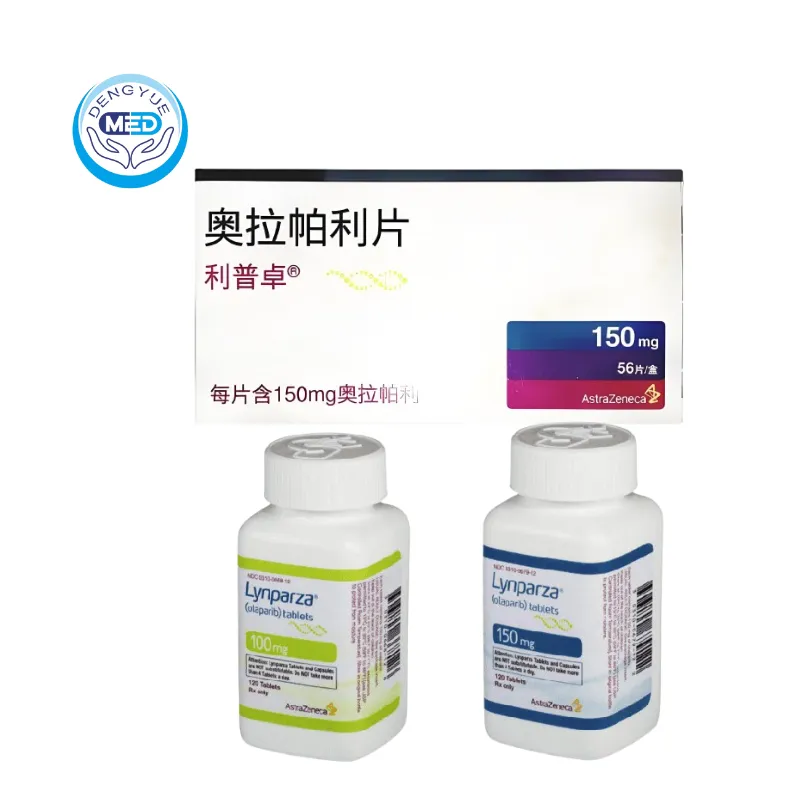
Lynparza (Olaparib)
Lynparza is a PARP inhibitor for breast cancer patients with BRCA mutations. It blocks DNA repair in cancer cells, leading to tumor cell death.
Lynparza is effective in both metastatic and high-risk early-stage breast cancer.
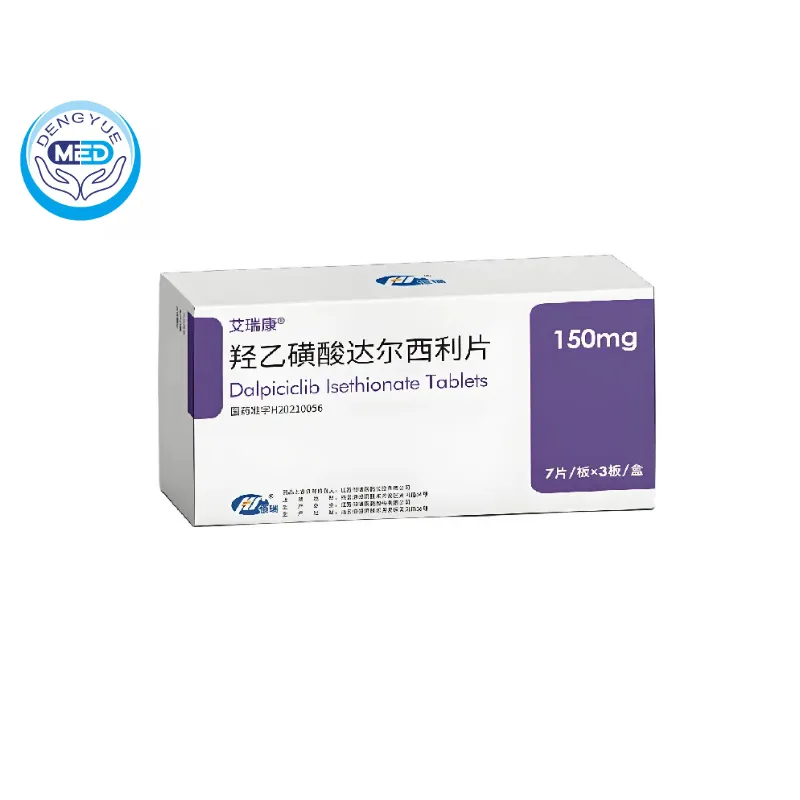
Airuikang (Dalpiciclib Isethionate)
Airuikang is a CDK4/6 inhibitor that controls cancer cell proliferation in HR-positive, HER2-negative breast cancer. It is used in combination with endocrine therapy.
Airuikang improves progression-free survival for advanced breast cancer patients.
What Happens To A Person With Breast Cancer?
When a person develops breast cancer, the impact extends beyond physical health to emotional and social well-being.
Physically, tumors may cause breast lumps, skin dimpling, or nipple discharge—symptoms closely tied to what are the 5 warning signs of breast cancer.
According to the American Cancer Society (ACS), nearly 1 in 8 women in the U.S. will develop breast cancer in their lifetime, making vigilance critical.
Beyond symptoms, patients often experience fatigue, anxiety, and treatment-related side effects. Understanding what are the 5 warning signs of breast cancer ensures that individuals can seek medical help before the disease advances, improving survival rates and reducing treatment burden.
What Does Stage 1 Breast Cancer Feel Like?
Stage 1 breast cancer is considered early-stage, and many patients may not notice obvious symptoms. Often, it is detected through screening mammography rather than physical changes.
However, some may feel a small, firm, painless lump in the breast, one of what are the 5 warning signs of breast cancer.
Data from the National Breast Cancer Foundation shows that patients diagnosed at Stage 1 have a 5-year survival rate of over 99%, emphasizing how early recognition of the 5 warning signs of breast cancer can dramatically improve outcomes.
How To Avoid Breast Cancer?
Breast cancer cannot be completely prevented, but risk can be lowered with healthy choices:
- Stay active: At least 150 minutes of exercise per week.
- Maintain healthy weight: Eat more vegetables, fruits, and whole grains.
- Limit alcohol & avoid smoking: Both increase breast cancer risk.
- Careful with hormones: Use HRT only when necessary and under medical advice.
- Regular screening: Mammograms and self-checks help detect early changes.
- Breastfeed if possible: Linked to modest risk reduction.
💡 Most importantly, keep a positive mood—don’t get angry often, emotional balance also protects your health! 🌸
Who Is High Risk For Breast Cancer?
High-risk groups include women with genetic mutations (BRCA1/BRCA2), a family history of breast or ovarian cancer, dense breast tissue, or prior radiation exposure to the chest.
According to the World Health Organization (WHO), women over 50 years old are most commonly diagnosed, but younger patients with strong genetic risk also face significant danger.
For these individuals, recognizing what are the 5 warning signs of breast cancer becomes even more essential. Early action allows tailored surveillance strategies, such as MRI or earlier mammography, which can detect cancer before it spreads.
FAQ about What Are the 5 Warning Signs of Breast Cancer You Shouldn’t Ignore – Early Detection Tips
How To Check Breast Cancer At Home?
You can perform a self-breast exam by visually inspecting your breasts in the mirror and feeling for lumps, thickening, or changes in shape.
Check under the arms and around the collarbone as well. Report any unusual findings to a doctor promptly.
When To Worry About Breast Pain?
Most breast pain is not cancer-related, but see a doctor if the pain is persistent, localized, or associated with lumps, skin changes, or nipple discharge.
Sudden or unusual changes should never be ignored.
What Is The Fastest Way To Detect Breast Cancer?
The fastest detection method is a combination of mammography, clinical breast exams, and self-awareness of symptoms.
Early detection through imaging and monitoring warning signs significantly improves treatment outcomes.
How To Know If Breast Cancer Is Early?
Early breast cancer often has no pain and few visible symptoms, but look for small lumps, nipple changes, skin dimpling, or unusual discharge.
Regular screenings and prompt attention to warning signs help identify cancer at an early stage.