

Unlock Calmer Skin: The Surprising Truth About What Triggers Atopic Dermatitis & 4 Inportant Tips
What Triggers Atopic Dermatitis? If you or a loved one lives with atopic dermatitis (eczema), you’re familiar with the relentless itch, redness, and frustration of flare-ups.
You might think you know the usual suspects—like certain soaps or pollen—but what if the full picture is more complex and surprising?
The journey to calmer skin begins not just with treating symptoms but by uncovering the hidden and unexpected triggers that might be sabotaging your efforts.
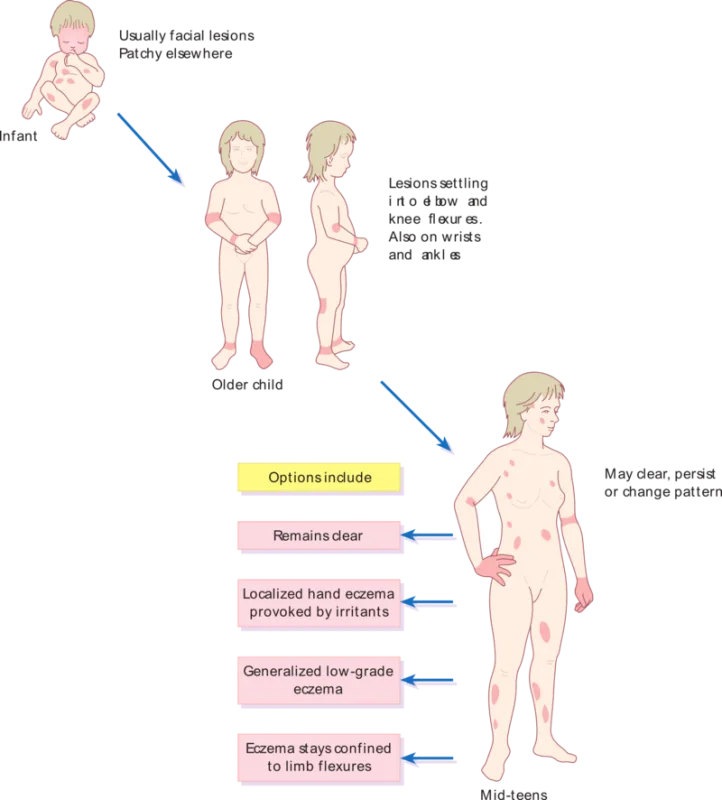
The Usual Suspects
First, it’s important to acknowledge the common triggers most people are aware of:
- Environmental Irritants: Harsh soaps, detergents, fragrances, and pollutants.
- Allergens: Dust mites, pet dander, pollen, and mold.
- Climate: Cold, dry weather and low humidity, or conversely, excessive heat and sweating.
While recognizing these common triggers is essential, simply avoiding them is rarely sufficient for complete symptom control. Many people find themselves still struggling with flare-ups despite being vigilant about these known factors.
This is because these obvious triggers often work in combination with less visible, more surprising elements that fly under the radar.
The real management breakthrough begins when we look beyond the obvious and investigate how these common triggers interact with your unique lifestyle, environment, and biological makeup.
It’s in this deeper investigation that most people discover the missing pieces to their eczema puzzle and finally achieve lasting relief.
The following section will reveal these often-overlooked triggers that might be the key to unlocking your personalized path to healthier skin.
What Triggers Atopic Dermatitis You Might Be Missing
While most people are aware of common atopic dermatitis eczema triggers like harsh chemicals and allergens, the real breakthrough in management often comes from identifying the hidden, overlooked culprits that fly under the radar.
These surprising factors—embedded in daily habits, environment, and even diet—can silently sabotage your skin’s health without you ever realizing it. Understanding these lesser-known triggers is the first step toward lasting relief.
Now, let’s explore seven of the most commonly missed triggers of atopic dermatitis, understand how they contribute to symptom flare-ups, and learn how to respond effectively.
Here’s where the “surprising truth” comes into play. Many everyday factors fly under the radar:
Stress: The Mind-Skin Connection
You know stress can make you feel bad, but did you know it can directly trigger eczema flare-ups? This isn’t just “in your head.” Emotional stress causes your body to release cortisol and other hormones that increase inflammation throughout your body. This process can:
Intensify the itch-scratch cycle, as stress can make you more likely to scratch unconsciously.
This creates a vicious loop where stress triggers eczema, and the eczema itself causes more stress.
Weaken your skin’s barrier, making it easier for irritants to penetrate.

Temperature Extremes & Sweat: The Double-Edged Sword
While exercise is great for health, the sweat and heat it generates are common triggers for atopic dermatitis adults.
- Sweat contains salts and minerals that can sit on the skin and cause irritation and itching.
- Rapid changes in temperature (moving from cold outdoors to heated indoors) can stress the skin, causing redness and flushing.
- Overheating at night from heavy bedding can also lead to nighttime itching and disrupted sleep.

Your Evening Shower
That long, hot shower you take to relax at the end of a hard day? It might be your skin’s worst enemy. Hot water strips the skin of its natural oils, damaging the crucial lipid barrier.
This leaves your skin dry, vulnerable, and prone to irritation. Opt for lukewarm water and keep showers short to protect your skin’s first line of defense.

The “Healthy” Salad Topping
You know about common food allergens like nuts and dairy, but have you considered nickel? This metal, found in trace amounts in foods like leafy greens, whole grains, beans, and chocolate, can be a significant trigger for some individuals with eczema. A low-nickel diet has been shown to help certain people manage their symptoms.

Hormonal Fluctuations
Particularly for women, hormonal shifts during the menstrual cycle, pregnancy, or menopause can dramatically influence eczema. Fluctuating estrogen levels can affect skin hydration and immune response, leading to cyclical flare-ups that seem to have no other explanation.

Hard Water
Could the water coming from your tap be a hidden cause of atopic dermatitis? Hard water, which is high in minerals like calcium and magnesium, might be a culprit. These minerals:
- Leave a fine residue on your skin after washing, which can disrupt your skin’s natural pH balance.
- Interfere with the effectiveness of your cleansers, making it harder to rinse off soap, which then irritates sensitive skin.
- Over time, this constant exposure can contribute to skin barrier damage and dryness, making your skin more reactive.

By uncovering these hidden triggers, you can move beyond generic advice and build a personalized strategy to reduce flare-ups and achieve calmer, more resilient skin.
Take Control: Your Action Plan to Defeat Eczema Triggers
The key to managing atopic dermatitis is becoming a detective for your own skin.
- Keep a Detailed Journal:Track your flares, along with your diet, stress levels, skincare products, and even the water temperature of your showers. Patterns will emerge.
- Focus on Barrier Repair: Daily moisturizing with a thick, fragrance-free emollient is non-negotiable. It repairs and protects your skin’s barrier against triggers.
- Lukewarm is the New Hot: Consider installing a showerhead filter designed to soften water and reduce mineral content.Rinse off with lukewarm water immediately after sweating and reapply moisturizer.Switch to shorter, cooler showers.
- Manage Stress: Incorporate mindfulness, yoga, or breathing exercises into your routine to help break the stress-flare cycle.
How Modern Treatments Target the Trigger Response
While identifying and avoiding triggers is crucial, it’s not always possible to eliminate every factor completely. This is where modern medical treatments play a vital role.
Rather than just addressing symptoms, today’s advanced therapies work at the cellular level to interrupt the inflammatory cascade that triggers initiate, providing more complete and lasting relief.
Understanding your triggers is the essential first step. The next is effectively managing the inflammation they cause.
This is where advanced topical and oral treatments offer new hope by targeting the underlying biological processes that lead to flare-ups.
Eucrisa (Crisaborole): This is a non-steroidal topical ointment that works by inhibiting an enzyme called phosphodiesterase 4 (PDE-4). By blocking this enzyme, Eucrisa helps to reduce the inflammation within the skin cells, calming redness and itchiness at the source. It’s a fantastic option for those looking to avoid steroids for mild-to-moderate atopic dermatitis eczema treatment.
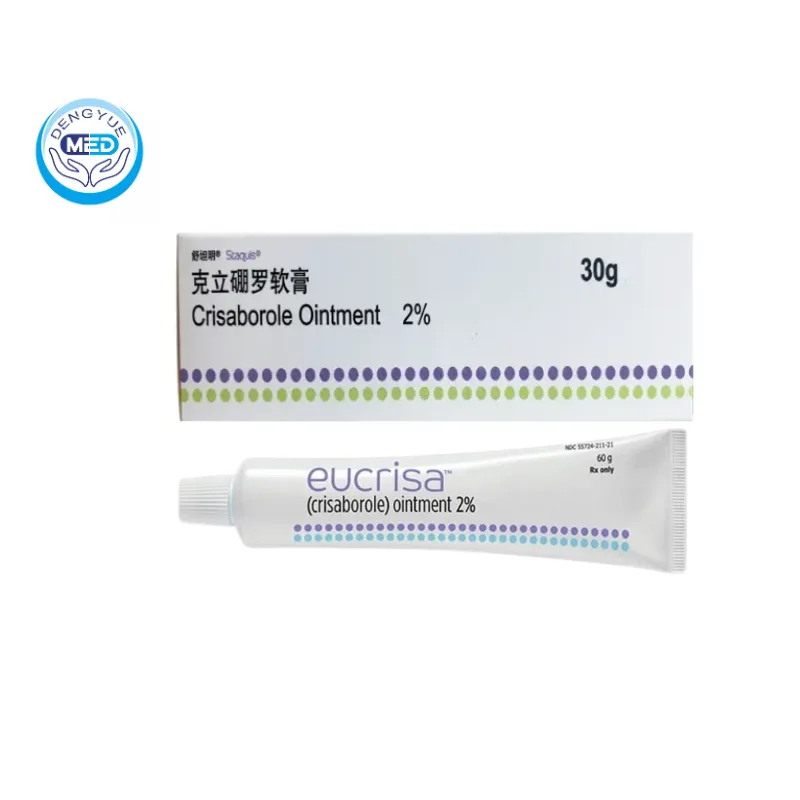
Eucrisa (Crisaborole) – Atopic Dermatitis | DengYueMed
- Generic Name/Brand Name: Crisaborole/Eucrisa
- Indications: Atopic Dermatitis
- Dosage Form: Topical Ointment
- Specification: 2% formulation in 30 g/60 g
Cibinqo (Abrocitinib): This is a prescription Janus kinase (JAK) inhibitor taken in pill form. It works from the inside out by blocking specific enzymes involved in the immune system signaling pathway that lead to inflammation and itch. For moderate-to-severe eczema cases where triggers seem to cause overwhelming systemic reactions, a treatment like Cibinqo can significantly dampen the body’s overactive response, providing profound relief.
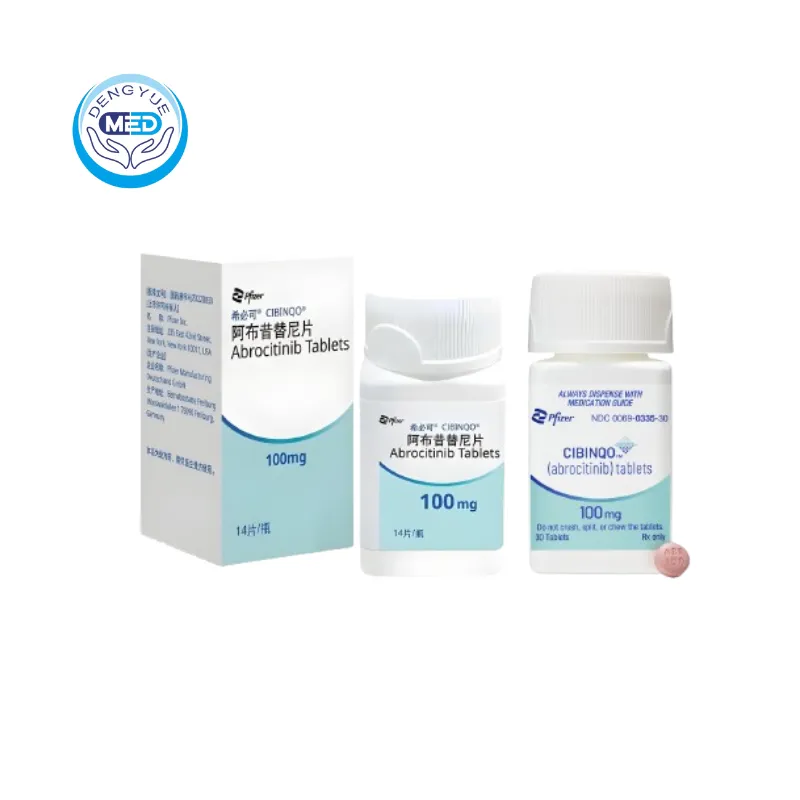
CIBINQO (Abrocitinib) – Atopic Dermatitis | HongKong DengYue Medicine
- Generic Name/Brand Name: Abrocitinib / CIBINQO®
- Indications: Atopic dermatitis
- Dosage Form: Oral tablets
- Specification: 50 mg, 100 mg, 200 mg × 30 tablets per bottle
Important Note: These medications require a prescription and consultation with a dermatologist to determine if they are right for your individual condition and medical history.
Conclusion: Empowering Your Journey to Healthier Skin
Atopic dermatitis treatments is not about finding a single magic bullet, but rather understanding the intricate puzzle of your unique triggers and treatment options.
While common irritants and allergens form the foundation of awareness, the surprising hidden triggers—from stress and hard water to dietary nickel and hormonal shifts—often hold the key to lasting relief.
Modern treatments like Eucrisa and Cibinqo represent a new era of targeted therapy, addressing the inflammation at its source rather than merely masking symptoms.
However, their effectiveness is greatly enhanced when combined with personalized trigger identification and daily skin barrier protection.
Remember, the journey to calmer skin is both personal and progressive. What works for one person may differ for another, and patience is essential as you experiment with different strategies.
By embracing a holistic approach that combines trigger awareness, barrier repair, advanced treatments, and professional guidance, you can transform from passive sufferer to active manager of your skin health.
At Hong Kong DengYue Medicine, we stress the critical need to recognize these hidden triggers, empowering both clinicians and patients to proactively manage atopic dermatitis and choose targeted, effective treatment strategies.
FAQ About What Triggers Atopic Dermatitis
What is the most common trigger for atopic dermatitis?
Environmental irritants are most common—harsh soaps, detergents, fragrances, and hard water damage the skin’s protective barrier.
How can I figure out what my personal triggers are?
Keep a detailed eczema journal tracking flare-ups, diet, products and environment. Look for patterns to identify personal triggers.
Does eczema go away on its own over time?
It can for some children, but it’s often a chronic condition that flares periodically in adults. Management is key.
How to identify and avoid your personal atopic dermatitis triggers?
1. Track: Keep a daily symptom journal to spot patterns.
2. Test: Suspect a trigger? Eliminate it for 2 weeks to see if symptoms improve.
3. Protect: Moisturize daily to strengthen your skin barrier against irritants.
4. Consult: A dermatologist can provide patch testing and personalized treatment options.