
What To Avoid When Taking Antibiotics?Don’t Let Your Treatment Go To Waste!
Taking antibiotics is often a necessary step in combating bacterial infections, but their success hinges on more than just swallowing a pill.
What To Avoid When Taking Antibiotics is a key question, because to ensure these powerful medications work effectively and to prevent unwanted side effects, it’s essential to understand what you should and shouldn’t do.
Your diet, daily habits, and even other medications can play a significant role in how well your antibiotic treatment progresses.
Dietary Considerations
Certain foods and drinks can interfere with the absorption of your prescribed antibiotics medicine or exacerbate side effects.
For instance, dairy products and calcium-rich foods like milk, cheese, yogurt, and fortified items can hinder the absorption of certain drugs, such as aminoglycoside antibiotics and antibiotics doxycycline.
It’s advisable to wait at least two hours after taking your medication before consuming these, and then wait six hours before your next dose.
Similarly, high-acid foods and drinks, including citrus fruits, juices, soda, chocolate, and tomatoes, may decrease the effectiveness of some oral treatments.
Alcohol should be completely avoided while on your course of treatment, and for at least 48 hours after finishing your prescription.
Combining alcohol with certain medications, like metronidazole or tinidazole, can lead to severe reactions including nausea, vomiting, and headaches.
Even with other prescribed drugs, alcohol can reduce their efficacy and increase the risk of side effects.
Furthermore, some drugs can slow down your body’s metabolism of caffeine, potentially leading to increased jitters and disrupted sleep. Opting for non-caffeinated beverages is a wise choice in such cases.
It’s also important to be mindful of multi-vitamins and antacids. The minerals they contain, such as calcium, iron, and magnesium, can bind to your medication and prevent it from working effectively.
It’s recommended to space these supplements at least two hours after your dose and six hours before your next one.
Treatment Practices
Beyond diet, specific practices are vital for successful treatment. Always finish the entire course of your medication, even if you start feeling better.
Stopping early can allow surviving bacteria to develop resistance, making future infections more challenging to treat.
Consistency is key; take your medication at the same time each day to maintain a steady level of the drug in your body.
If you miss a dose, take it as soon as you remember, but do not double up on the next dose. For example, with antibiotics amoxicillin, consistent dosing is key to eradicating the infection.
Some prescribed drugs can increase your skin’s sensitivity to sunlight. Therefore, it’s important to protect yourself from the sun by wearing sunscreen, protective clothing, and limiting your time in direct sunlight.
This is particularly relevant if you’re using topical treatments like antibiotics cream or oral medications like antibiotics doxycycline.
Crucially, never share your prescription with anyone else. A treatment is tailored to a specific individual and infection, and sharing can be ineffective or even harmful.
Many pharmacies, including Hong Kong DengYue Medicine, offer a range of these essential medications, ensuring accessibility when prescribed.
Discussing any concerns with your healthcare provider, such as those outlined by the NHS antibiotics guidelines, is paramount. Understanding potential symptoms of too much antibiotics or interactions is part of safe medication use.
Starting A New Course Of Treatment
When you begin a new course of medication, it’s essential to follow your doctor’s prescription precisely, including whether to take your antibiotics tablets with or without food.
Finish the full course as prescribed, and take it on a regular schedule to maintain consistent drug levels.
Be vigilant for any potential side effects, allergic reactions, or signs of a yeast infection, and contact your healthcare provider immediately if you experience any.
Always disclose all other medications, supplements, and herbal remedies you are taking to your doctor, as some can interact negatively with prescribed drugs, potentially reducing the effectiveness of certain medications like birth control pills. Finally, avoid alcohol as it can interact negatively with many treatments.
Most Commonly Used Antibiotics
Ambisome (Amphotericin B Liposome)
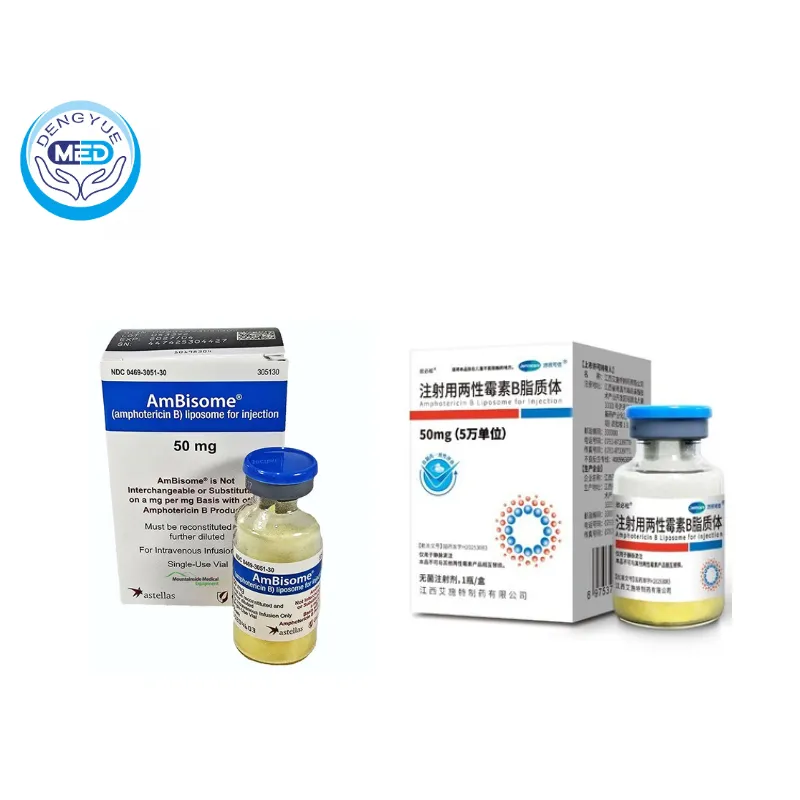
AmBisome (liposomal amphotericin B) is an antifungal medication used to treat serious fungal infections and leishmaniasis.
RECARBRIO (Imipenem/Cilastatin/Relebactam)
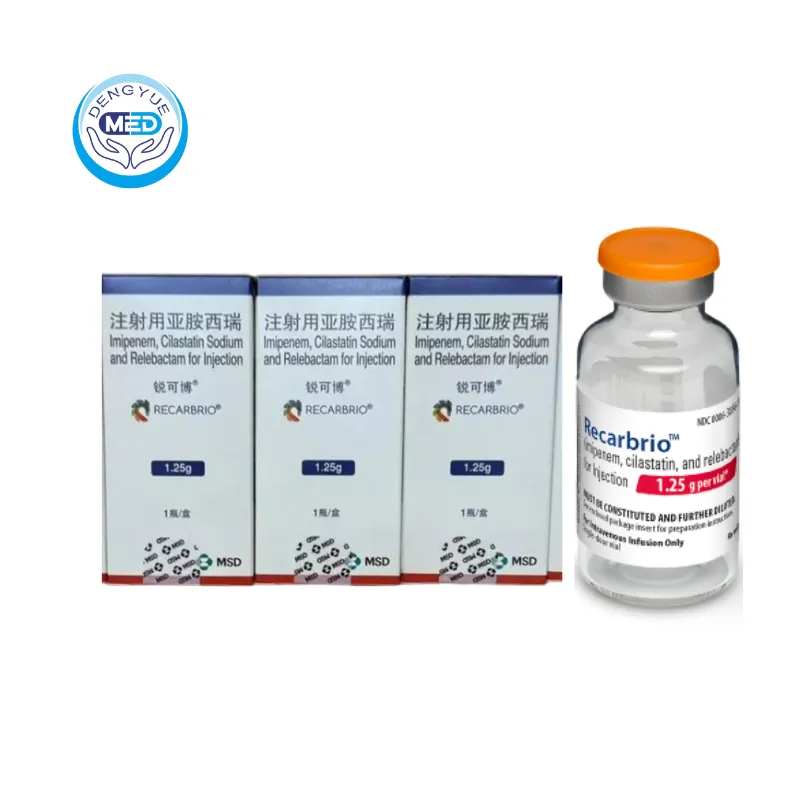
RECARBRIO (imipenem/cilastatin/relebactam) is an intravenous antibiotic used to treat serious bacterial infections caused by susceptible Gram-negative microorganisms in adults.
SIRTURO (Bedaquiline)
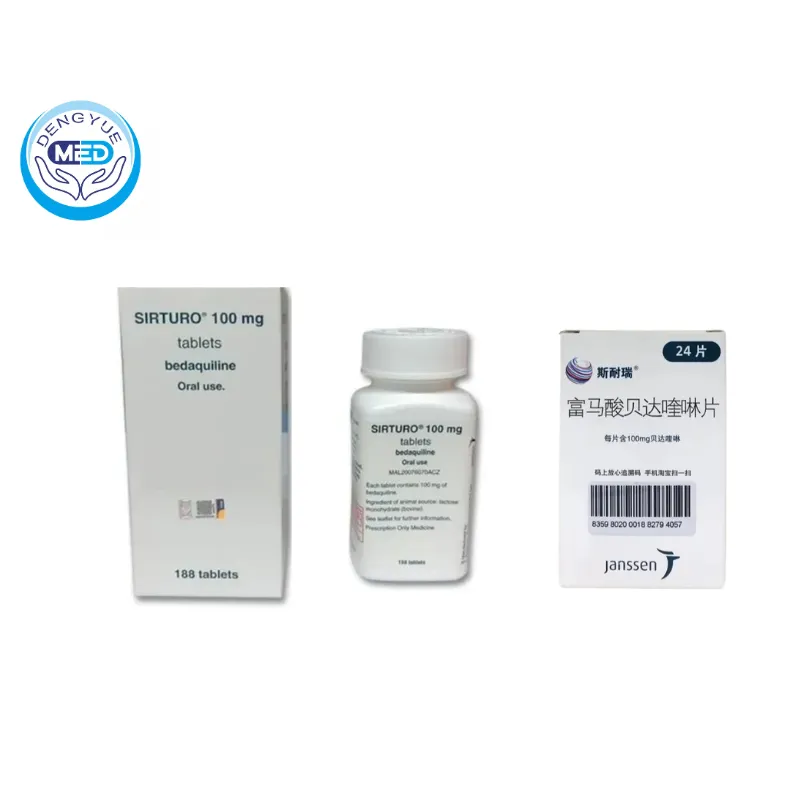
SIRTURO (Bedaquiline) is a prescription medication belonging to a class of drugs called diarylquinolines. It’s primarily used to treat pulmonary multidrug-resistant tuberculosis (MDR-TB) in patients aged 12 years and older.
Albuvirtide Injection (Aikening)
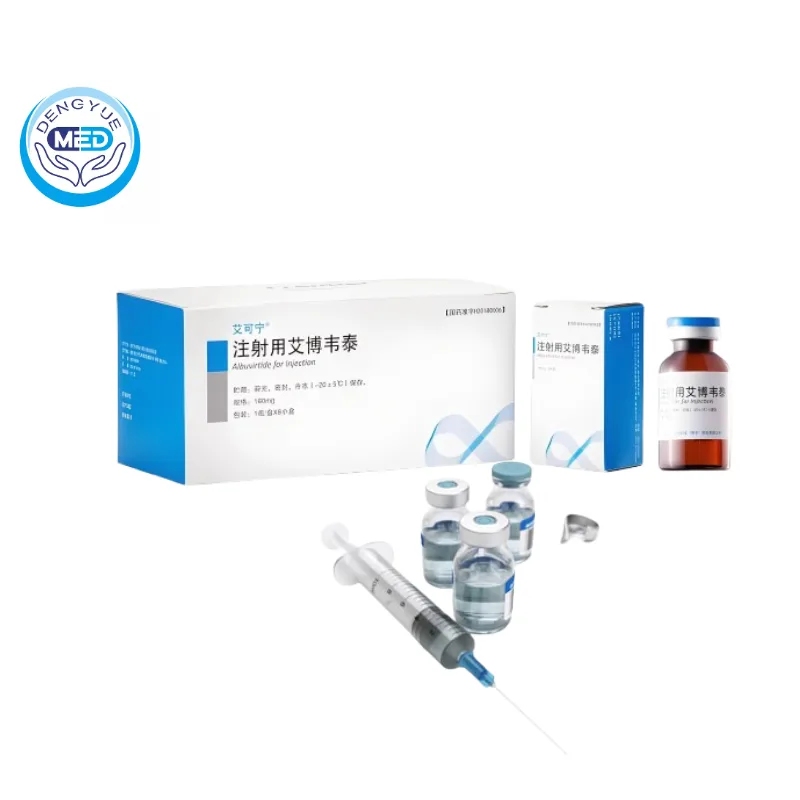
Albuvirtide Injection (Aikening) is a long-acting injectable HIV-1 fusion inhibitor used in combination antiretroviral therapy for adults with HIV infection, helping to suppress viral replication and improve treatment outcomes.
FQA About What To Avoid When Taking Antibiotics
What should you not do while on antibiotics?
While on antibiotics, you should not stop taking your medication early, even if you feel better.
You should also avoid drinking alcohol and sharing your prescription with others.
Additionally, it is wise to avoid taking your antibiotics with dairy products, high-acid foods, or multi-vitamins and antacids.
What foods should you avoid when taking antibiotics?
You should avoid dairy products and calcium-rich foods like milk, cheese, and yogurt, as they can interfere with absorption.
High-acid foods like citrus fruits, tomatoes, and sodas should also be avoided.
It’s also best to steer clear of alcohol and to be mindful of your caffeine intake.
Can antibiotics cause nausea?
Yes, nausea is one of the most common side effects of antibiotics. This happens because antibiotics can disrupt the natural balance of beneficial bacteria in your gut.
Taking the medication with food (if the prescription allows) can often help reduce stomach upset.
What are the golden rules of antibiotics?
The golden rules of antibiotics for patients include: always finishing the full course of treatment as prescribed, taking the medication at the same time each day, never sharing antibiotics, and not stopping the medication early even if symptoms improve.
These rules are vital for ensuring the treatment is effective and for preventing antibiotic resistance.