What is Innovative Drug? Exploring the Future of Medicine
In the rapidly evolving field of healthcare, the term “innovative drug” has gained significant attention.
But for many, the question remains: what is innovative drug? Understanding this concept is crucial not only for healthcare professionals but also for patients, investors, and anyone interested in the pharmaceutical industry.
💊 This article explores what an innovative drug is, its types, global significance, development process, and current trends.
What is Innovative Drug? Definition and Meaning
So, what is an innovative drug?
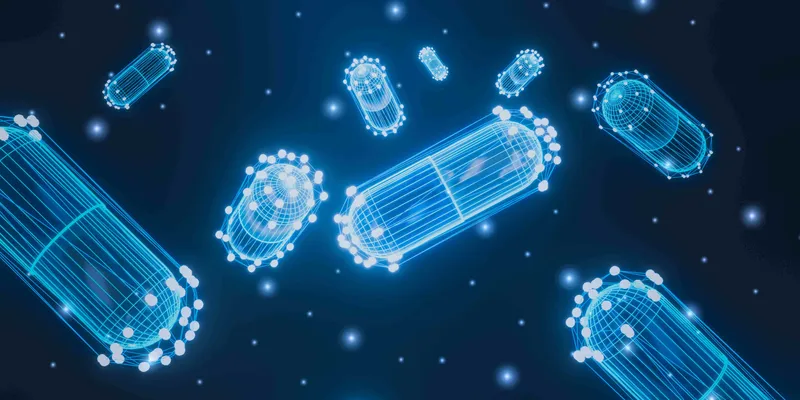
👉 Simply put, an innovative drug is a medication that offers new therapeutic solutions, often through new mechanisms of action, new chemical entities, or advanced biological technologies.
🎯 Unlike generic drugs, which replicate existing medications, innovative drugs provide treatments that were previously unavailable or significantly improve existing therapies.
Globally, innovative drugs are often referred to by several related terms:
- New Chemical Entities (NCEs): Drugs with entirely new molecular structures.
- Biologics: Medications derived from living organisms, including monoclonal antibodies, recombinant proteins, vaccines, and gene or cell therapies.
- First-in-class Drugs: Drugs that work through a completely new mechanism of action.
It is important to note that the concept of an innovative drug may vary slightly across countries.
🔴 In China, a drug may be considered innovative if it is first approved domestically, even if similar drugs exist abroad.
🟠 Internationally, however, the focus is primarily on scientific novelty and therapeutic innovation, rather than market order.
Types of Innovative Drugs
Understanding what is innovative drug also involves recognizing the different types of innovative medicines. These categories include:
1️⃣ New Chemical Entities (NCEs)
- Small-molecule drugs with unique chemical structures.
- Represent a major source of pharmaceutical innovation.
2️⃣ Biologics
- Include monoclonal antibodies, recombinant proteins, vaccines, and advanced therapies such as cell and gene therapy.
- Often used to treat complex diseases, including cancers and autoimmune disorders.
3️⃣ First-in-class Drugs
- Medications that introduce a novel mechanism of action.
- They provide treatment options where no effective therapies previously existed.
4️⃣ Orphan Drugs and Breakthrough Therapies
- Target rare diseases or conditions with unmet medical needs.
- Frequently supported by regulatory incentives to speed up development and approval.
By categorizing innovative drugs, we can better understand what makes a drug truly innovative and how it differs from standard or generic medicines.
Importance and Value of Innovative Drugs
To answer what is innovative drug, it is essential to understand its value:
- 😷 For Patients: Innovative drugs provide new treatment options, improve quality of life, and sometimes offer the only effective therapy for severe or rare diseases.
- 🔬 For the Pharmaceutical Industry: They drive research and development, foster scientific advancement, and open new market opportunities.
- 🧑💼 For Society: Innovative drugs address critical health challenges and unmet medical needs, contributing to overall public health improvement.
Globally, regulatory agencies such as the FDA (USA), EMA (Europe), and NMPA (China) have established special pathways to accelerate the development and approval of innovative drugs.
These include breakthrough therapy designations, priority review programs, and orphan drug incentives. Such policies highlight the importance of innovative drugs in modern healthcare.
Development and Approval Process
Understanding what is innovative drug also involves looking at how these drugs are developed. The process is complex, lengthy, and highly regulated:
- Early Research – Discovery of new molecules or biological candidates.
- Preclinical Testing—Laboratory and animal studies to assess safety and preliminary efficacy.
- Clinical Trials (Phase I–III)—Human studies to evaluate safety, dosage, and effectiveness.
- Regulatory Approval – Submission to agencies like FDA, EMA, or NMPA for market authorization.
Developing an innovative drug can take over a decade and requires substantial investment.
✨ The risks are high, but the potential medical, scientific, and commercial benefits are significant, which is why the pharmaceutical industry prioritizes innovatio
Examples of Innovative Drugs
Several groundbreaking medications illustrate what is innovative drug in practice:
- Keytruda (pembrolizumab)—a first-in-class immunotherapy for multiple cancers.
- CRISPR-based gene therapies—cutting-edge treatments for genetic disorders.
- Lisaftoclax—A recent innovative drug from China targeting leukemia.
If you want to know more about Lisaftoclax, you can read this article. 🔻
These examples show that innovative drugs are at the forefront of personalized medicine, immunotherapy, and gene therapy, reflecting a shift towards highly targeted, patient-centered treatments.
Global Trends in Innovative Drugs
The global pharmaceutical industry is witnessing remarkable trends that redefine what is innovative drug:
- Precision medicine—tailoring treatments based on genetic or biomarker profiles.
- Immunotherapy—harnessing the immune system to fight diseases like cancer.
- Advanced biological therapies—including CAR-T cell therapy and gene editing.
- Digital health integration—using AI and data analytics to support drug development and patient care.
Specifically, the emergence of AI has brought a revolutionary change to the development of innovative drugs.
👉 These trends demonstrate that innovative drugs are not only new medications but also represent a transformation in how diseases are treated.
Conclusion
🤔 So, what is innovative drug?
💡 It is a medication that embodies scientific and therapeutic innovation, providing new mechanisms of action, novel chemical entities, or advanced biological therapies that address unmet medical needs.
Innovative drugs are essential for advancing global healthcare, improving patient outcomes, and driving scientific discovery.
🙂 By understanding what makes a drug innovative, we can better appreciate the value of cutting-edge treatments and anticipate the future of medicine, where innovation will continue to transform lives worldwide.
👉 At DengYue Medicine, a leading pharmaceutical distributor, we are committed to closely monitoring the development of innovative drugs worldwide.
👉 As the pharmaceutical landscape evolves, DengYue continues to support the delivery of innovative medicines, connecting patients with therapies that can truly transform lives.
FAQ about What is Innovative Drug
What is an innovator drug?
An innovator drug is authorized for marketing based on quality, safety and efficacy.
This new drug is granted a patent that gives the company an exclusive right to sell the medication as long as it is in effect.
What is the difference between innovator drugs and generic drugs?
Generic drugs use the same active ingredients as innovator drugs and work the same way.
So they have the same risks and benefits as the innovator drugs.
Generic drugs may look different because of certain inactive ingredients, such as colors and flavorings agents, may be different
How to know if a drug is branded or generic?
The brand name is usually written most clearly on any packaging.
However, you will always see the generic name written somewhere on the packet (often in small print).
Some medicines only have the generic name on the packet.
What are the 4 main drugs?
Drugs and alcohol generally fall into 4 categories: depressants, stimulants, opiates, and hallucinogens.
I appreciate how clearly this post breaks down the difference between innovative drugs and generics—especially the focus on new mechanisms of action and biological technologies. It’s interesting to think about how these advancements don’t just introduce new treatments but often reshape entire therapeutic areas. I’d be curious to see future discussions on how regulatory processes adapt to keep pace with these rapidly evolving drug types.