Kidney cancer refers to the abnormal growth of cells within the kidneys, forming tumors that may spread to other parts of the body over time. What are the symptoms of kidney cancer?
Recognizing early symptoms is crucial, as early detection and treatment typically yield better outcomes.
Below, Dengyuemed combines authoritative information on kidney cancer with accessible explanations to help you understand the symptoms, staging, causes, and treatments.
Early symptoms kidney cancer warning
early symptoms kidney cancer warning
Early-stage kidney cancer often presents no obvious symptoms, with many cases being “incidentally discovered” during imaging examinations (such as ultrasound or CT scans) conducted for other reasons.
However, potential early warning signs may include:
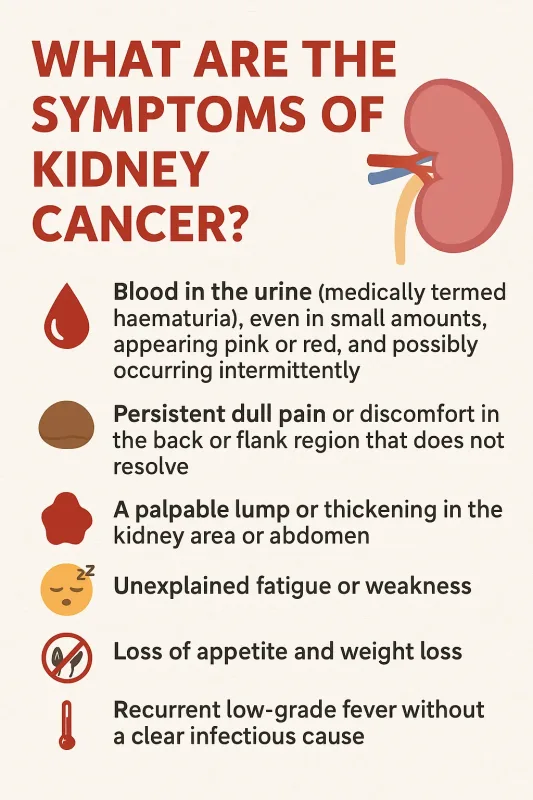
🩸Blood in the urine (medically termed haematuria), even in small amounts, appearing pink or red, and possibly occurring intermittently.
🟤 Persistent dull pain or discomfort in the back or flank region that does not resolve.
💢 A palpable lump or thickening in the kidney area or abdomen.
😴 Unexplained fatigue or weakness.
🍽️🚫 Loss of appetite and weight loss.
🌡️ Recurrent low-grade fever without a clear infectious cause.
💡 Don’t worry: If you experience only one symptom, or if symptoms are mild.
Many symptoms are associated with other relatively common conditions, such as kidney stones, urinary tract infections, or ordinary back pain.
The key is to observe whether symptoms persist or worsen.
⚠️ See a doctor: Particularly if any of the following occur: recurrent hematuria that does not resolve, persistent pain with no other plausible cause, significant weight loss, or symptoms accompanied by fever.
Next, we shall break down the four stages of kidney cancer to provide a more detailed understanding of the symptoms associated with each stage. You may refer directly to the summary table below:
Stage
Tumour localisation / size
Common symptoms
Symptoms of stage 1 kidney cancer
Tumour ≤ ~7 centimetres, confined solely within the kidney, without spreading to lymph nodes or other tissues.
Often asymptomatic or presenting with mild symptoms: occasional haematuria, mild flank or lower back pain, and slight fatigue.
Symptoms of stage 2 kidney cancer
Tumour >7 cm, but still confined within the kidney.
More frequent or persistent haematuria; more pronounced pain or discomfort in the flank or back; weight loss, decreased appetite, and increased fatigue.
Symptoms of stage 3 kidney cancer
The tumour begins to extend beyond the kidney: it may invade major blood vessels (such as the renal vein or inferior vena cava), or involve nearby lymph nodes or surrounding tissues.
Persistent pain (in the back, abdomen or flank); a palpable mass may be present; blood pressure may be elevated; night sweats and low-grade fever; marked decline in physical stamina.
Stage 4 kidney cancer symptoms
The tumour has spread beyond the kidney: potentially to the adrenal glands, distant organs (such as the lungs, liver, or bones), or distant lymph nodes.
In addition to the aforementioned symptoms, there may also be symptoms related to the organs affected by metastasis, such as breathing difficulties (lung metastasis), bone pain or fractures (bone metastasis), jaundice (impaired liver function), and so forth; extreme fatigue, reduced appetite, and significant weight loss.
Symptoms of kidney cancer in females
Renal cell carcinoma exhibits a higher incidence rate among males than females.
Although symptoms are broadly similar, women may present with certain manifestations: Due to frequent gynaecological issues (uterus, ovaries) that may cause interference, flank pain or backache may be mistaken for gynaecological problems.
Women may notice abdominal discomfort or bloating earlier.
Fatigue or dizziness caused by anaemia (which can result from reduced red blood cells in renal carcinoma) is sometimes mistaken for general anaemia or menstrual issues.
Causes of kidney cancer
The following situations may pose a threat to your kidneys. See if any of these apply to you?
🚬 Smoking: Significantly associated with renal cell carcinoma risk, with increased duration and volume of smoking correlating to higher risk.
– ⚖️🍔 Obesity: Excess weight increases renal burden and is linked to the metabolic environment conducive to cancer development.
❤️🩹 Hypertension: Persistent high blood pressure is associated with renal cell carcinoma.
👨👩👧👦🧬 Family history or certain genetic disorders/mutations (e.g., von Hippel-Lindau disease).
💉🩸 Long-term dialysis: Individuals with renal impairment undergoing prolonged dialysis treatment face increased risk.
🧪 Exposure to radiation therapy or certain occupational chemicals.
According to the patient’s account, we have excerpted the following passage for reference:
“I initially sought examination solely due to persistent back pain/lumbar discomfort.
The doctor recommended imaging tests (CT/ultrasound), during which a mass within one kidney was unexpectedly detected.
Further investigations subsequently confirmed the diagnosis.
Looking back, although I had experienced mild haematuria and fatigue, I did not pay it much heed.”
The above is the patient’s account of how I found out I had kidney cancer. Of course, the most convincing evidence will come from a professional diagnosis, which we shall outline below.
Typically, doctors will conduct a physical examination, review medical history, and perform a series of imaging and laboratory tests. Common diagnostic procedures include:
Urinalysis: To detect the presence of blood in the urine.
Blood tests: Including red blood cell count, renal function, electrolytes, calcium, etc.
Ultrasound: A non-invasive, safe procedure commonly used for initial screening.
CT scan, MRI: Enable visualisation of tumour size, location, and potential spread to blood vessels or lymphatic system.
If necessary, renal mass biopsy: Removal of a small tissue sample to determine whether cancerous changes are present.
Kidney cancer treatment
Kidney cancer treatment options depend on the stage of kidney cancer, your overall health, and whether the cancer has spread. The main goals are to remove the tumor, prevent recurrence, and manage symptoms.
Surgery
Surgery is the first-line treatment for most kidney cancers, especially when the cancer is localized (Stage 1 or 2).
Partial nephrectomy: Removes only the tumor and a small margin of healthy tissue. Doctors prefer this approach if the tumor is small (<4 cm) or located in a way that allows kidney preservation. It helps maintain kidney function.
Radical nephrectomy: Removes the entire kidney, along with surrounding fat, adrenal gland (sometimes), and nearby lymph nodes. This is used for larger or more aggressive tumors.
Minimally invasive techniques: Laparoscopic or robotic-assisted surgeries are increasingly common, leading to smaller incisions, less pain, and faster recovery.
In cases where surgery isn’t possible due to poor health, ablation therapies (like cryoablation or radiofrequency ablation) may be alternatives to destroy the tumor without removing the kidney.
These therapies target cancer cells more precisely, boost the immune system, or block tumor growth, giving patients new hope beyond traditional chemotherapy.
At HongKong DengYue Medicine, we focus on providing access to advanced treatments that can make a real difference.
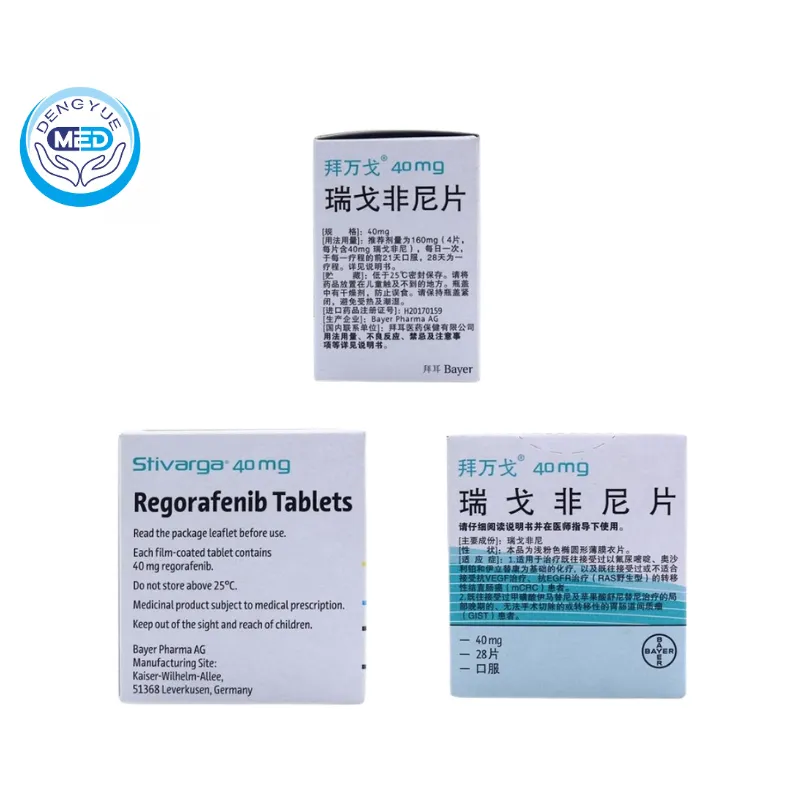
Stivarga is an oral multi-kinase inhibitor used for patients with metastatic colorectal cancer who have progressed after standard treatments.
It works by blocking several enzymes that promote tumor growth and blood supply, helping to slow disease progression.
Stivarga (Regorafenib) – Colorectal cancer | HongKong DengYue Medicine
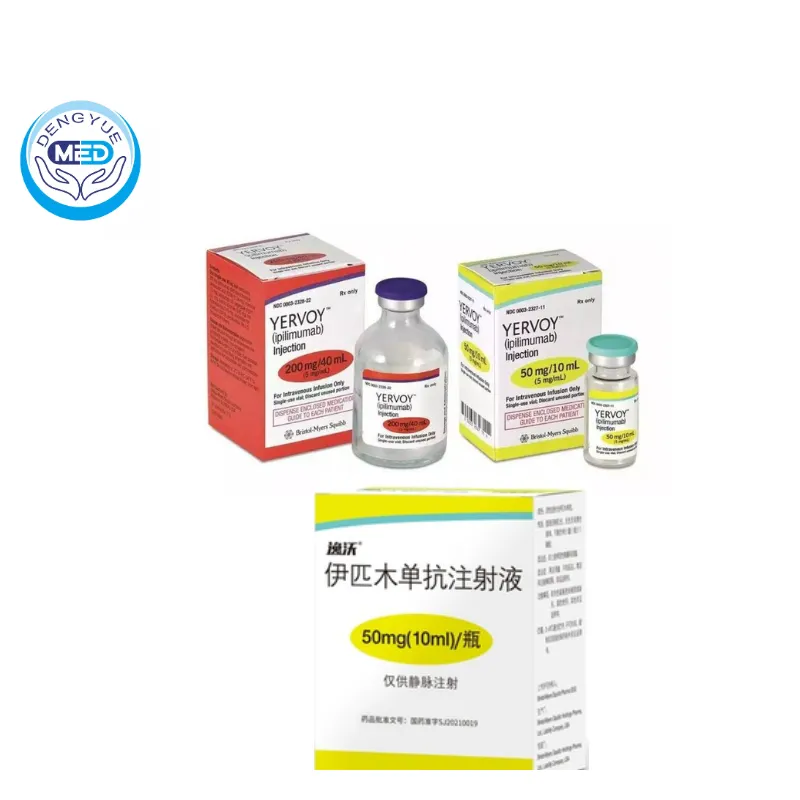
YERVOY is an immune checkpoint inhibitor that works by targeting CTLA-4, a protein that normally suppresses immune responses.
By blocking CTLA-4, YERVOY helps the immune system recognize and attack cancer cells. It is often used in combination with other immunotherapies for advanced cancers such as melanoma, lung cancer, and kidney cancer.
YERVOY (Ipilimumab) – Advanced Malignancies | HongKong DengYue Medicine
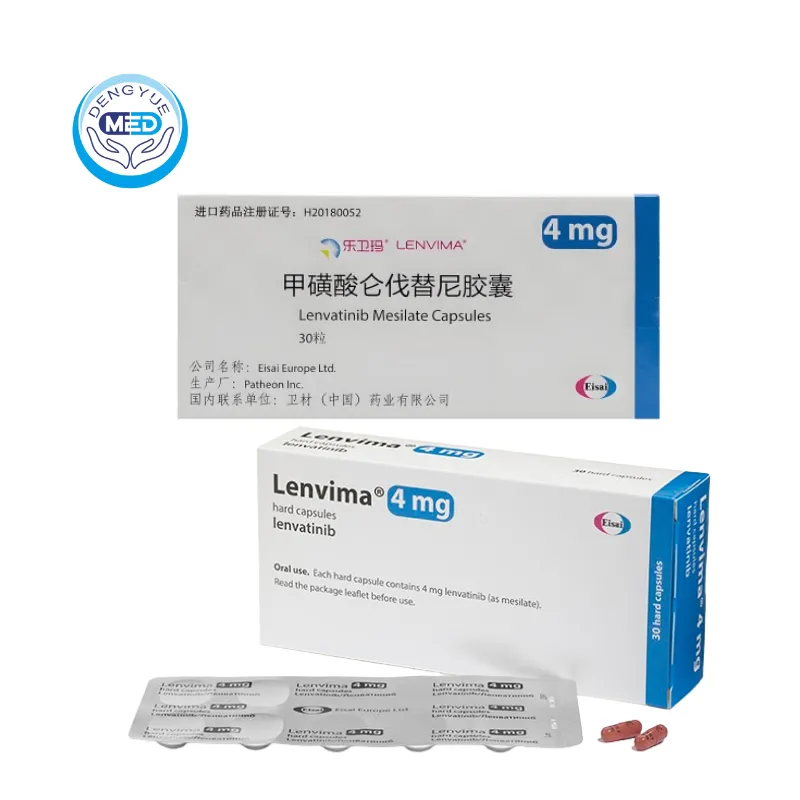
Lenvima is a targeted therapy used for liver cancer (HCC), as well as thyroid and kidney cancers. It works by inhibiting proteins (VEGFR, FGFR, RET) that drive blood vessel formation and cancer cell growth.
In HCC, it is often used as a first-line treatment option, helping extend survival and control tumor progression.
Lenvima (Lenvatinib) – HCC | HongKong DengYue Medicine
Generic Name/Brand Name: Lenvatinib / Lenvima®
Indications: Thyroid, kidney, liver, and endometrial cancers
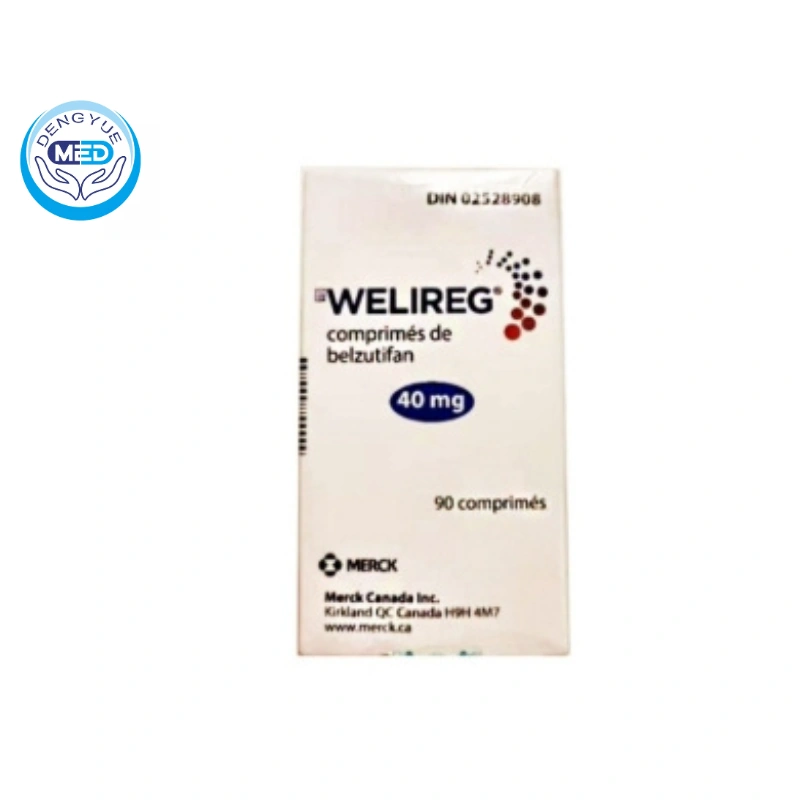
Belzutifan is a hypoxia-inducible factor-2 alpha (HIF-2α) inhibitor, a new class of drug designed specifically for kidney cancer.
It works by cutting off the cancer cells’ ability to adapt to low-oxygen environments, which is critical for their growth.
Belzutifan is approved for certain patients with von Hippel–Lindau (VHL) disease-related kidney cancer and is being studied in broader kidney cancer populations.
Belzutifan|Kidney Cancer|HongKong DengYue Medicine
Unlike many other cancers, kidney cancer does not usually respond well to traditional chemotherapy.
However, it may still be used in rare and aggressive subtypes, such as collecting duct carcinoma or renal medullary carcinoma.
Common chemotherapy drugs include gemcitabine and cisplatin.
Often considered only when other treatments (surgery, targeted therapy, immunotherapy) are not effective.
Below is an overview of the four treatment methods. You may refer to the clear table compiled by Deng Yue.
Treatment Method
When It’s Used
Advantages
Limitations
Surgery
Early stages (Stage 1–2); sometimes Stage 3 if tumor is operable
Can completely remove the tumor; best chance for cure; minimally invasive options available
Not suitable if cancer has spread widely or if patient’s health condition is poor
Medicine Treatment (Targeted + Immunotherapy)
Advanced/metastatic stages (Stage 3–4); after surgery to reduce recurrence
Slows tumor growth; immunotherapy helps body fight cancer; oral drugs available
May cause side effects (fatigue, diarrhea, high blood pressure); usually long-term treatment
Chemotherapy
Rare subtypes (e.g., collecting duct carcinoma, medullary carcinoma) or when other treatments fail
Can be effective in rare aggressive cancers
Generally not effective in common kidney cancers; more toxic side effects
Radiation Therapy (supportive)
Symptom relief when cancer spreads to bones/brain
Reduces pain and improves quality of life
Not a cure; limited role in kidney cancer
In short, surgery is the first-line and most effective treatment for kidney cancer when the tumor is still localized.
Medication treatments such as targeted therapy and immunotherapy are mainly used when the cancer is more advanced or has spread.
Chemotherapy plays only a limited role and is reserved for rare, aggressive kidney cancer types. Radiation therapy is not a cure but can help manage symptoms and improve quality of life.
Kidney cancer prevention
kidney cancer prevention maintain a healthy weight and body mass index bmi
Limit exposure to hazardous chemicals/environmental toxins: If your job involves contact with substances like solvents, pesticides, or heavy metals, always follow occupational safety guidelines.
Wear protective equipment such as gloves, masks, or ventilation devices to reduce exposure risk.
Quit smoking: Smoking is the most significant controllable risk factor for kidney cancer. Quitting not only lowers your cancer risk but also improves overall kidney and heart health.
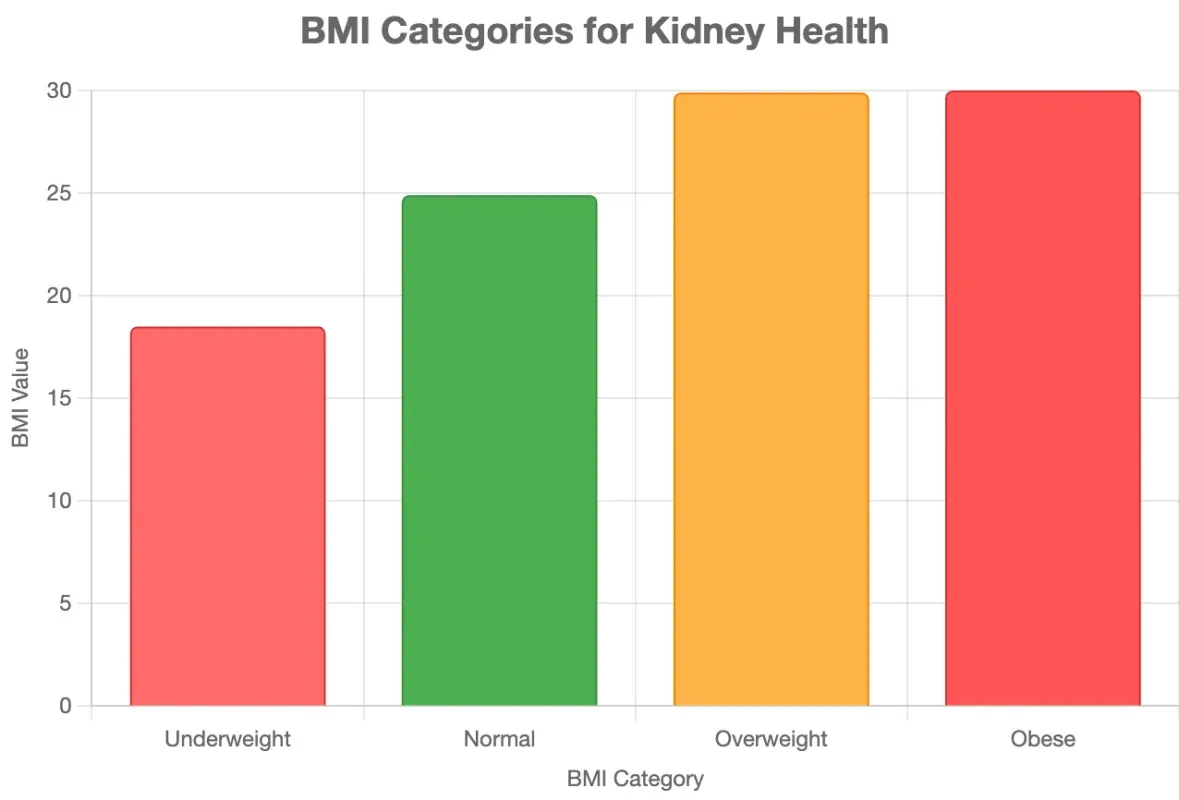
Maintain a healthy weight and Body Mass Index (BMI): Aim for a BMI between 18.5 and 24.9, which is considered the healthy range.
You can calculate your BMI by dividing your weight in kilograms by your height in meters squared: BMI = weight(kg)/height(m)².
For example: Height 1.65 m, weight 60 kg→ BMI = 60 ÷ (1.65 × 1.65) ≈ 22 Result: 18.5–24.9 falls within the normal range. 👉 Below 18.5 = underweight, 25–29.9 = overweight, ≥30 = obese.
Recommendations: Maintain regular exercise (at least 150 minutes of moderate-intensity aerobic activity weekly), adopt a balanced diet (reduce processed foods and high-salt/high-fat meals; increase intake of vegetables, fruit, whole grains and high-quality protein).
Control high blood pressure: Hypertension is closely linked to kidney disease and kidney cancer. Blood pressure control at <120/80 mmHg is the ideal state, with most hypertensive patients advised to maintain levels below 140/90 mmHg.
Regular monitoring of kidney function: Individuals with a family history of renal cell carcinoma or hereditary syndromes (such as von Hippel–Lindau disease) are advised to commence regular imaging screening (e.g., ultrasound or CT) at an earlier age.
Should you have chronic kidney impairment or be undergoing dialysis, you should maintain long-term follow-up with your doctor to assess risks and undergo regular examinations.
Special care for patients with kidney impairment or on dialysis: If you already have reduced kidney function or require dialysis, you should work closely with your nephrologist. They may recommend regular imaging tests to check for early tumors.
FAQ About What are the symptoms of kidney cancer
What is the survival rate for kidney cancer?
The 5-year survival rate for kidney cancer depends heavily on how advanced the disease is. Overall, about 76–78% of patients survive five years after diagnosis.
1. Localized kidney cancer (confined to the kidney) has a very favorable prognosis, with a 93% 5-year survival rate. 2. Regional cancer (spread to nearby tissues or lymph nodes) sees a lower survival rate of roughly 71–75%. 3. Distant or metastatic cancer (spread to other organs) has a much poorer outlook, with a 5-year survival rate of only 14–18%.
What are the three early warning signs of kidney disease?
Three early warning signs of kidney disease may include persistent fatigue, changes in urination (such as urinating more frequently or at night), and swelling in the legs or ankles.
What is the main cause of kidney cancer?
There is no single main cause of kidney cancer; instead, it usually arises from a combination of genetic factors, lifestyle influences, and underlying health conditions.
Can you cure kidney cancer?
Yes, kidney cancer can be cured, especially when detected early, while it is still confined to the kidney. Early diagnosis and timely treatment, such as surgery or targeted therapies, significantly increase the chances of a full recovery.