What Are The First Signs of Lung Cancer? Don’t Ignore These 7 Early Signs of Lung Cancer—They Could Save Your Life
What are the first signs of lung cancer? Four to five people are diagnosed with lung cancer every minute worldwide, while three to four die from the disease during the same time. Lung cancer has become the “number one killer” in global cancer deaths.
Lung cancer often presents with subtle and non-specific symptoms in its early stages, making it easy to overlook. Most patients are diagnosed at an intermediate or advanced stage. Only 19% of lung cancer cases in China are diagnosed early, meaning over 80% of patients miss the best window for treatment.
This is because the lungs have significant reserve capacity, and early-stage tumors may not immediately cause noticeable symptoms. However, the body does send out some warning signals in the initial phases of lung cancer; these signals are often mistaken for a common cold or general fatigue.

Why Are Early Lung Cancer Symptoms So Hard to Detect?
Early lung cancer symptoms is notoriously difficult to detect because of its silent nature. When a tumor is in the carcinoma in situ or microinvasive stage, the lungs’ remarkable compensatory capacity often prevents obvious symptoms from appearing. The organ can continue functioning relatively normally even while disease develops.
Lung cancer development occurs through a multi-stage process where normal cells accumulate genetic mutations and gradually transform into cancerous cells. This progression happens silently at the cellular level long before physical symptoms emerge.
The variability of early lung cancer symptoms—ranging from subtle to nonexistent—makes identification challenging. Some patients experience no noticeable discomfort until the disease reaches advanced stages.
This silent progression is precisely why understanding and recognizing early signals is so crucial. These subtle signs represent the body’s distress calls and are directly connected to treatment success and survival outcomes.
Learning to identify these whispers—however faint—can make the difference between early intervention and late-stage diagnosis.

7 Early Warning Signs of Lung Cancer You Shouldn’t Ignore
1. Persistent Cough That Worsens
A new cough that doesn’t go away or a chronic cough that changes character deserves attention. Specifically watch for:
- Cough lasting more than two weeks
- Changes from dry to productive cough
- Increased severity or frequency
- Blood-streaked phlegm (hemoptysis)
2. Shortness of Breath
Unexplained breathlessness during routine activities may indicate lung cancer. This occurs when tumors block airways or fluid accumulates around the lungs (pleural effusion). Many patients initially attribute this to aging or decreased fitness.
3. Chest and Shoulder Pain
Dull, aching, or sharp pain in the chest, shoulder, or upper back can signal lung cancer. Pain may worsen with:
- Deep breathing
- Coughing
- Laughing
This discomfort often results from tumor pressure on nerves or invasion of the chest wall.
4. Unexplained Weight Loss and Loss of Appetite
Sudden weight loss of 10 pounds or more without diet or exercise changes may indicate cancer. Tumors alter metabolism and can release substances that affect appetite.
5. Fatigue and Weakness
Persistent tiredness that doesn’t improve with rest differs from ordinary fatigue. Cancer-related fatigue often:
- Interferes with daily activities
- Isn’t proportional to recent exertion
- Occurs alongside other symptoms
6. Recurrent Respiratory Infections
Repeated pneumonia in the same location or unexplained recurrent low-grade fever could be caused by a tumor blocking a bronchus, leading to poor drainage of secretions.
After a bronchus is blocked by a tumor, secretions cannot be expelled normally, becoming a breeding ground for bacteria and causing repeated infections that respond poorly to antibiotic treatment.
7. Hoarseness and Wheezing
Unexplained hoarseness that persists for more than two weeks without improvement, especially when accompanied by a sensation of a foreign object or persistent irritation in the throat, should raise concern for possible lung cancer.
This type of hoarseness often develops suddenly, progresses quickly, and does not respond to conventional treatments such as antibiotics, anti-inflammatory drugs, or voice rest.
This symptom occurs when a tumor located in the lung—particularly in the upper lobes or central airways—compresses or infiltrates the recurrent laryngeal nerve, which controls the movement of the vocal cords.
Disruption of this nerve leads to vocal cord paralysis or paresis, resulting in persistent hoarseness.
High-Risk Groups and Early Screening Strategies
Individuals at increased risk for lung cancer include those over age 40, long-term smokers (current or former), people with a family history of lung cancer, and those with prolonged exposure to polluted environments or occupational carcinogens such as asbestos, radon, or diesel exhaust. These high-risk groups are strongly advised to undergo annual specialized lung cancer screening.
Low-dose computed tomography (LDCT) has revolutionized early lung cancer detection. Unlike conventional chest X-rays, which often miss small lesions, LDCT can identify pulmonary nodules as small as a few millimeters in size. This enhanced sensitivity has significantly improved early diagnosis rates and reduced mortality among screened populations.
What Should You Do If You Notice Suspected Symptoms?
If you experience the symptoms mentioned above, especially if multiple symptoms persist simultaneously, it is advisable to seek medical attention as soon as possible for a comprehensive examination. Respiratory medicine (pulmonology) is a suitable department for an initial visit.
Doctors may recommend the following tests:
- Imaging tests: Chest X-ray, CT scan, PET-CT, etc.
- Bronchoscopy: Directly observe the inside of the airways
- Pathological biopsy: The “gold standard” for diagnosing lung cancer
Early detection and intervention are critical. For patients diagnosed with early-stage non-small cell lung cancer (NSCLC), timely surgical resection offers the best chance of cure, with stage I patients achieving a 5-year survival rate of up to 92%. However, if the disease progresses to stage IV, the 5-year survival rate drops significantly to approximately 10%.
For advanced or metastatic cases, treatment plans often include targeted therapies and immunotherapies. Two notable agents include:
ENHERTU (Trastuzumab Deruxtecan): An antibody-drug conjugate used for HER2-mutant NSCLC, showing promising results in tumors that express this specific genetic alteration.
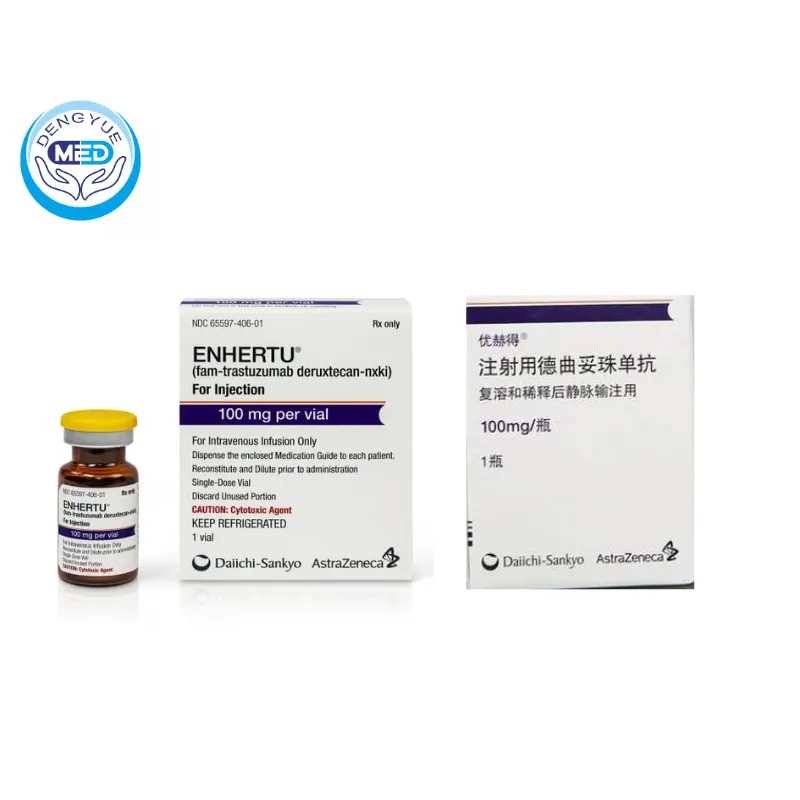
ENHERTU (Trastuzumab Deruxtecan) – HER2-driven cancers | HongKong DengYue Medicine
- Generic Name/Brand Name: Trastuzumab Deruxtecan/ENHERTU
- Indications: Unresectable/metastatic HER2-positive/HER2-low breast cancer/solid tumors, HER2-mutant non-small cell lung cancer
- Specification: 100 mg x 1 vial
YERVOY (Ipilimumab): An immune checkpoint inhibitor that activates the immune system to attack cancer cells, often used in combination with other immunotherapies for advanced lung cancer.
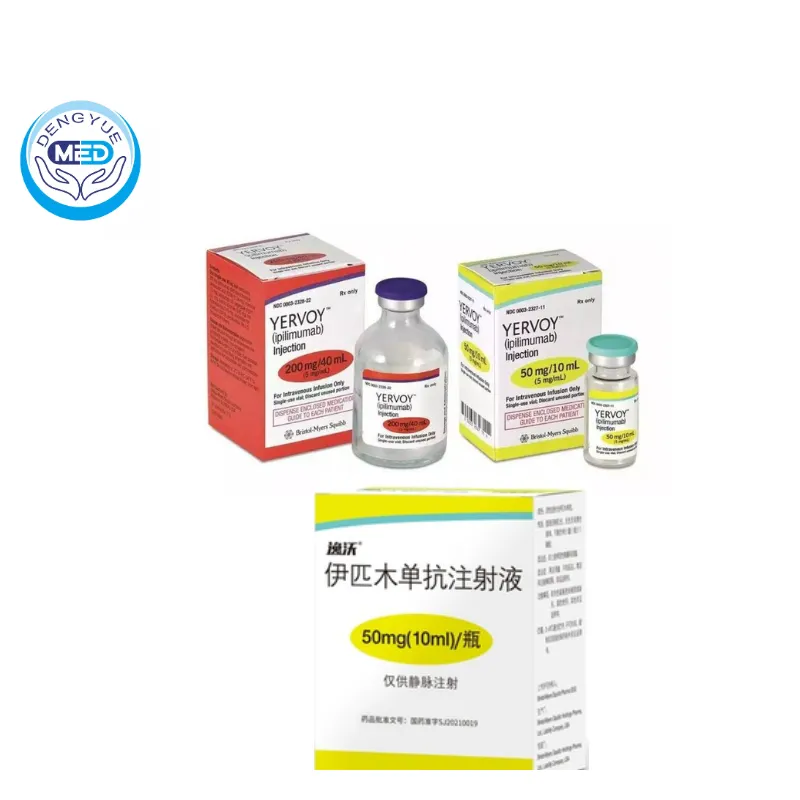
YERVOY (Ipilimumab) – Advanced Malignancies | HongKong DengYue Medicine
- Generic Name/Brand Name: Ipilimumab / YERVOY
- Indications: Melanoma, Renal Cell Carcinoma (RCC), Colorectal Cancer (MSI-H/dMMR), Hepatocellular Carcinoma (HCC), Non-Small Cell Lung Cancer (NSCLC), Malignant Pleural Mesothelioma (MPM), Esophageal Squamous Cell Carcinoma (ESCC)
- Dosage Form: Injection, solution for intravenous infusion
- Specification: 50 mg/10 mL (5 mg/mL) × 1 vial; 200 mg/40 mL (5 mg/mL) × 1 vial
These innovative treatments, along with traditional chemotherapy and radiation, have improved outcomes for many patients with advanced disease. If you suspect symptoms, don’t delay—early action could significantly alter your treatment journey and prognosis.
Prevention and Early Intervention
Prevention is always better than cure. Here are some measures to reduce the risk of lung cancer:
- Quit smoking and avoid secondhand smoke exposure
- Reduce occupational exposure (to chemicals like asbestos, arsenic, chromium)
- Maintain a healthy diet rich in fruits and vegetables
- Exercise regularly to boost immunity
- Avoid outdoor activities when air pollution is severe
We must not take our body’s early warning signals lightly. Seeking timely medical advice and determining the true cause of symptoms through professional examination is key to catching the early treatment window for lung cancer.
Your Action Plan: When to Seek Help
At Hong Kong DengYue Medicine, we emphasize that immediate medical consultation recommended if you experience:
- Any symptom lasting 2+ weeks
- Multiple symptoms occurring together
- Symptoms worsening despite treatment
- Blood in phlegm (even once)
High-risk individuals (smokers, ex-smokers, those with a family history, and those with radon exposure) should consider low-dose CT screening annually after age 50.
FAQ about What Are The First Signs of Lung Cancer
What are the first signs of lung cancer?
Signs and symptoms of lung cancer that happen in and around the lungs may include:
1. A new cough that doesn’t go away
2. Chest pain
3. Coughing up blood, even a small amount
4. Hoarseness
5. Shortness of breath
6. Wheezing
What is the main cause of lung cancer?
Smoking. Smoking cigarettes is the single biggest risk factor for lung cancer.
How quickly does lung cancer spread?
Though we do not have the ability to measure when lung cancer started in a patient, experts say it takes approximately three to six months for most lung cancers to double in size.
Lung cancer is especially deadly due to the fact that it typically exhibits no immediately discernible symptoms.
What is the hardest cancer to cure?
Lung & Bronchus.
Although survival rates have increased over the years due to improved treatments, the outlook is still bleak. The five-year survival rate is only 22%.