
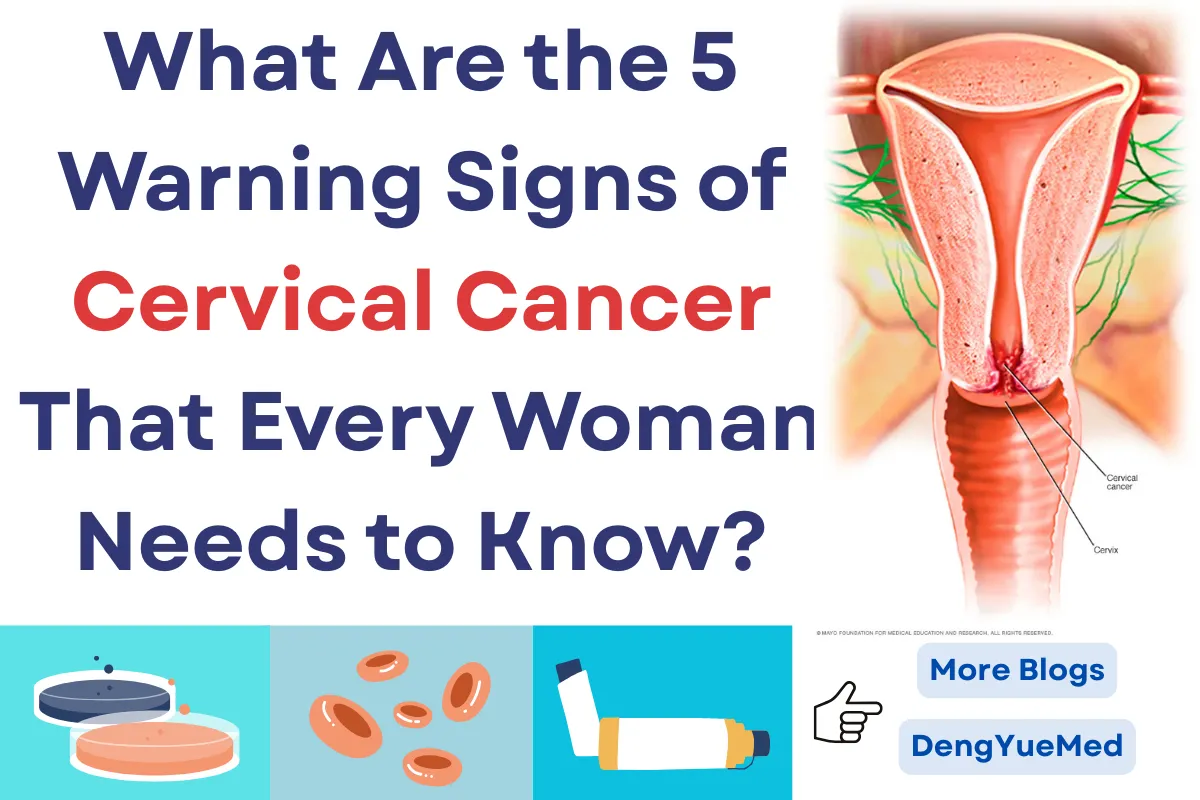
What Are the 5 Warning Signs of Cervical Cancer That Every Woman Needs to Know?
Cervical cancer is often called a “silent disease” because its earliest stages may not show obvious symptoms.
That’s why many women ask the critical question: What are the 5 warning signs of cervical cancer that every woman needs to know?
Recognizing these warning signals first can make a life-saving difference, giving doctors the chance to diagnose the condition before it becomes advanced and harder to treat.
At Hong Kong DengYue Medicine, we emphasize the importance of understanding these warning signs to help healthcare professionals and patients detect cervical cancer early and select the most effective treatments.
What Causes Cervical Cancer?
Cervical cancer is primarily caused by persistent infection with high-risk human papillomavirus (HPV). According to the World Health Organization (WHO), nearly 99% of cervical cancer cases are linked to HPV infection, with types 16 and 18 responsible for about 70% of cases.
Other contributing factors include:
- Long-term smoking doubles the risk.
- Weakened immune system, such as in HIV-positive women.
- Early sexual activity and multiple sexual partners, which increase HPV exposure.
- Long-term use of oral contraceptives (more than 5 years) slightly raises the risk.
When women ask what are the 5 warning signs of cervical cancer, it is important to remember that the root cause is almost always HPV, but early symptoms such as abnormal bleeding, discharge, or pelvic pain are the first visible indicators.
What Are the 5 Warning Signs of Cervical Cancer?
Cervical cancer is one of the most common gynecological cancers worldwide, and catching it early can save lives.
Many women wonder about the early signs of cervical cancer. Recognizing these symptoms is crucial for timely detection and effective treatment.
Below, we explain five key warning signs of cervical cancer in detail, helping women stay informed, protect their health, and know when to consult a doctor.
Unusual Vaginal Bleeding
When asking what are the 5 warning signs of cervical cancer, abnormal bleeding is often the most recognized symptom.
This includes bleeding between menstrual periods, after sexual intercourse, or even after menopause. While spotting may sometimes be harmless, recurrent or heavy bleeding is considered one of the earliest red flags.
Women experiencing these changes should seek medical attention to rule out serious conditions, including cervical cancer.
Pelvic Pain or Discomfort
Another key point in answering what are the 5 warning signs of cervical cancer is persistent pelvic pain.
This pain may feel like a constant ache, sharp cramping, or pressure in the lower abdomen or pelvis. Unlike menstrual pain, cervical cancer–related discomfort does not follow a cycle and may worsen over time.
Pain that spreads to the back or legs can also signal advanced disease, making early evaluation crucial.
Abnormal Vaginal Discharge
If you are searching for what the 5 warning signs of cervical cancer are, abnormal vaginal discharge is another important symptom.
This discharge may appear watery, thick, or foul-smelling, and sometimes contains blood. While infections can also cause similar changes, persistent or unusual discharge should not be ignored, as it may indicate cancerous changes in the cervix.
Early testing can help determine the cause and allow prompt treatment.
Pain During Intercourse
The last item in what are the 5 warning signs of cervical cancer is pain during sexual intercourse, also known as dyspareunia.
This symptom may result from tumors or inflammation in cervical tissue. Although many conditions can cause discomfort during sex, cervical cancer should be considered if this pain is persistent and accompanied by other warning signs such as bleeding or discharge.
Consulting a gynecologist early can prevent delays in diagnosis.
By caring about what the 5 warning signs of cervical cancer are, women can take proactive steps 🌸 toward early detection 🔍 and better treatment outcomes 💪.
Lower abdominal lump or pelvic pressure
A noticeable lump in the lower abdomen or a persistent feeling of pressure in the pelvic area can sometimes signal early cervical cancer.
These sensations may occur due to abnormal growth of cervical cells or the tumor pressing on surrounding tissues.
While they can also be caused by other benign conditions, it is important not to ignore them. Women experiencing these symptoms—especially if accompanied by unusual bleeding, abnormal discharge, or pelvic pain—should seek medical evaluation promptly.
Early detection significantly improves treatment options and increases the chances of a positive outcome, making awareness of such signs crucial for women’s health.
Cervical Cancer Treatments: Key Therapies You Should Know
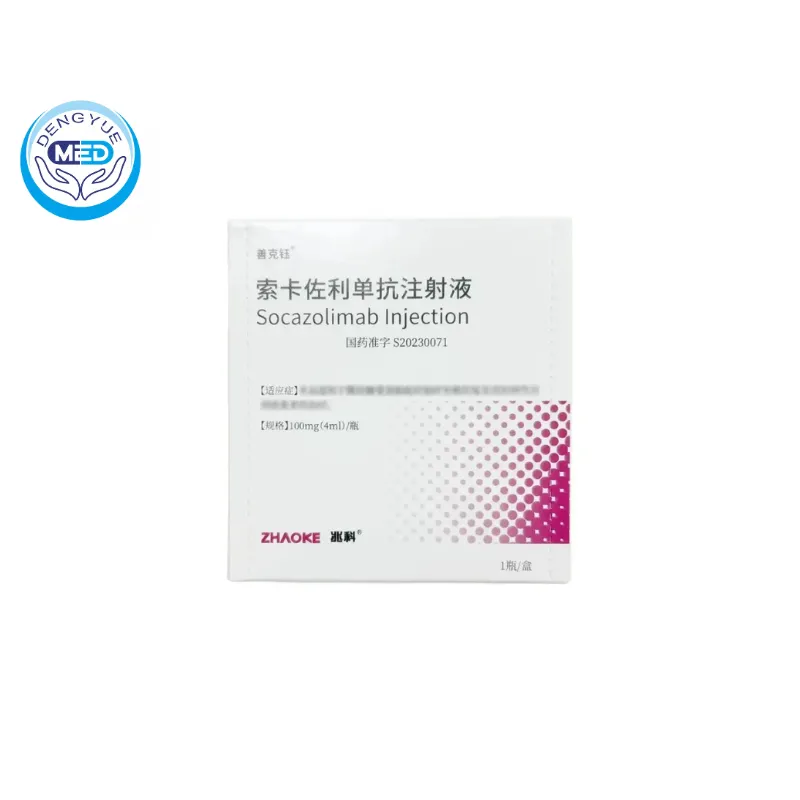
Socazolimab
Socazolimab is a PD-L1 monoclonal antibody developed in China. Clinical studies have shown that it can enhance anti-tumor immune responses by blocking the PD-1/PD-L1 pathway.
In a Phase II trial for recurrent/metastatic cervical cancer, Socazolimab demonstrated an objective response rate (ORR) of around 20%, with some patients achieving durable responses.
It is being studied both as a monotherapy and in combination with chemotherapy or other immunotherapies.
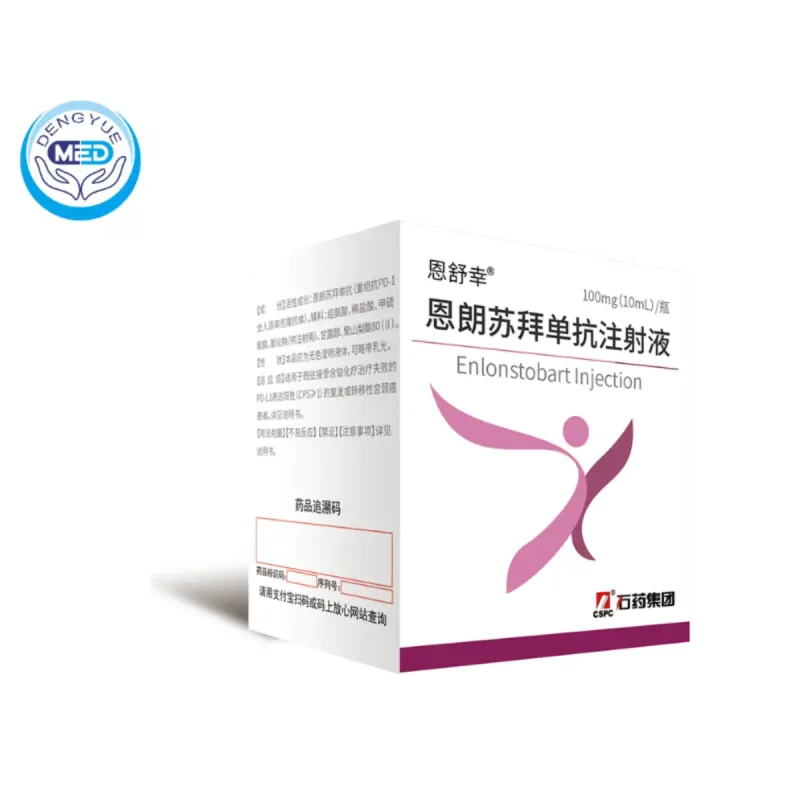
Enlonstobart Injection
Enlonstobart is an anti-PD-1 antibody investigated for use in advanced cervical cancer. Early clinical data suggest it may improve progression-free survival (PFS) when combined with standard chemotherapy.
Patients with PD-L1-positive tumors tend to show better outcomes. The therapy is currently undergoing clinical evaluation in multiple Phase II and III studies in Asia.
Iparomlimab And Tuvonralimab Injection
Iparomlimab (anti-PD-1) and Tuvonralimab (anti-CTLA-4) are being studied in combination as a dual checkpoint blockade strategy.
The rationale is that targeting both PD-1 and CTLA-4 pathways can further activate T-cell responses and improve anti-tumor activity.
Clinical investigations in advanced cervical cancer show promising signals of higher response rates compared to single-agent immunotherapy. However, immune-related side effects such as colitis and dermatitis require close monitoring.

Who Is Most at Risk for Cervical Cancer?
The Centers for Disease Control and Prevention (CDC) reports that women aged 35–44 are most commonly diagnosed, though risk persists into older age. Key high-risk groups include:
- Women with no regular Pap smear or HPV test. Studies show that 80% of invasive cervical cancers occur in women not been screened in the last 5 years.
- Those with HPV infection that does not clear naturally.
- Immunocompromised women, such as organ transplant recipients.
- Women in low-resource settings, where access to screening and HPV vaccination is limited.
Understanding what are the 5 warning signs of cervical cancer is crucial in these groups, as delayed recognition often leads to late-stage diagnosis.
How Long Can You Have Cervical Cancer Without Knowing?
- Often years without symptoms. Cervical cancer typically evolves from precancerous changes over 10–15 years, and early stages are frequently asymptomatic, which is why screening matters most.
- Long-term risk if lesions aren’t treated. A Lancet Oncology 2020 study found women with untreated CIN3 had about a 30% chance of developing invasive cancer within 30 years.
- Why awareness still matters. Without regular Pap/HPV screening, precancerous or cancerous changes can persist for years unnoticed.
What to do (actionable):
- Stick to screening (Pap/HPV per guidelines for your age/risk).
- Seek care promptly for new intermenstrual, post-coital, or post-menopausal bleeding (don’t wait—book an appointment).
- Follow up on any abnormal test with colposcopy/biopsy as advised.
- HPV vaccination (if eligible) to reduce future risk.
Learning what the 5 warning signs of cervical cancer—unusual bleeding, persistent pelvic pain, abnormal discharge, and pain during sex—helps trigger earlier evaluation.
What Does Cervical Cancer Pain Feel Like?
Cervical cancer pain often starts as a dull, persistent ache in the pelvis or lower back. Some women experience sharp or cramping pain during or after sex, while others feel pressure or discomfort around the bladder or rectum.
In advanced stages, pain can become severe and constant, affecting daily activities and sleep.
How to manage the pain:
- Medications: NSAIDs for mild pain, stronger analgesics or opioids for severe pain.
- Procedures: Radiation therapy or nerve blocks may reduce pain in advanced cases.
- Supportive care: Heat packs, gentle exercise, and counseling can help.
Prevention: Regular Pap smears and HPV testing, early treatment of abnormal bleeding or discharge, and HPV vaccination are key.
Knowing what are the 5 warning signs of cervical cancer allows women to act early and potentially prevent pain from developing.
Can Cervical Cancer Be Treated?
Yes. Treatment depends on the stage:
- Stage I–IIA (early stage): Surgery (radical hysterectomy or fertility-sparing conization). Cure rates exceed 85–90%.
- Stage IIB–IVA (locally advanced): Chemoradiation is the standard, with 5-year survival rates around 65%.
- Stage IVB (metastatic): Treatment is palliative, including chemotherapy, targeted therapy (e.g., bevacizumab), and immunotherapy (e.g., pembrolizumab for PD-L1+ tumors).
Clinical trials, such as KEYNOTE-826 (NEJM 2021), showed immunotherapy plus chemotherapy improved overall survival in advanced cervical cancer.
Recognizing what are the 5 warning signs of cervical cancer can shift patients from late to early-stage treatment, drastically improving survival.
💙 Don’t worry—knowing early, taking preventive steps, maintaining a positive mindset 🌸, and living a healthy lifestyle 🥗🏃♀️ can make a big difference in your well-being and outcomes.
Can You Live a Full Life With Cervical Cancer?
Yes—especially if diagnosed early. The American Cancer Society reports a 5-year survival rate of 92% for localized cervical cancer, compared to 17% for distant disease.
Living a full life requires:
- Regular follow-up after treatment (pelvic exams every 3–6 months in the first 2 years).
- HPV vaccination to reduce recurrence risk.
- Lifestyle changes: quitting smoking, balanced diet, and safe sexual practices.
- Psychological support: counseling, support groups, and rehabilitation services.
Patients who detect symptoms early—by recognizing what are the 5 warning signs of cervical cancer—are much more likely to return to normal life, with fertility-preserving options available for younger women.
Do You Need a Hysterectomy If You Have Cervical Cancer?
Not every woman with cervical cancer needs a hysterectomy. The requirement depends on the stage of the cancer, tumor size, and fertility considerations.
In early-stage cases (Stage I–IIA), surgery is often recommended, which may involve a radical hysterectomy removing the uterus and surrounding tissues, or a fertility-sparing procedure like conization or trachelectomy for younger women who wish to preserve fertility.
For locally advanced or metastatic stages (Stage IIB–IVB), a hysterectomy is usually not performed, and treatment focuses on chemoradiation, targeted therapy, or immunotherapy.
Recognizing what are the 5 warning signs of cervical cancer can allow for earlier diagnosis, sometimes enabling less invasive treatments and reducing the need for a full hysterectomy.
💙 Remember: Staying informed, attending regular screenings, and maintaining a healthy lifestyle 🌸 can improve outcomes and quality of life.
FAQ about What Are the 5 Warning Signs of Cervical Cancer That Every Woman Needs to Know?
What Is The Red Flag for Cervical Cancer?
The most concerning red flags include unusual vaginal bleeding, pelvic pain, watery or foul-smelling discharge, and pain during sexual intercourse.
These symptoms are often subtle at first but may progress if left unchecked.
Learning what are the 5 warning signs of cervical cancer can help women notice these red flags early and seek timely medical attention, which is critical for improving treatment outcomes.
What Are the Silent Signs of Cervical Cancer?
Cervical cancer can progress quietly, with almost no obvious symptoms in the beginning.
Subtle changes, such as fatigue, back pain, or irregular spotting, may go unnoticed.
That is why knowing what are the 5 warning signs of cervical cancer is so critical, since even “silent” signs can be detected with proper screening.
How Does Your Body Feel If You Have Cervical Cancer?
Women with cervical cancer often describe feelings of deep pelvic pain, cramping, or pressure in the lower abdomen.
As the disease advances, discomfort may extend to the back, legs, or during sexual activity.
Recognizing what are the 5 warning signs of cervical cancer can help women connect these body changes with the need for timely medical evaluation.
How Did You First Know You Had Cervical Cancer?
Many women only realized after noticing unusual symptoms such as abnormal vaginal bleeding or persistent pelvic pain.
Doctors emphasize that understanding what are the 5 warning signs of cervical cancer—like bleeding after sex, unusual discharge, or pelvic discomfort—helps women seek medical care earlier.
In most cases, diagnosis is confirmed through Pap smears, HPV testing, and biopsy.