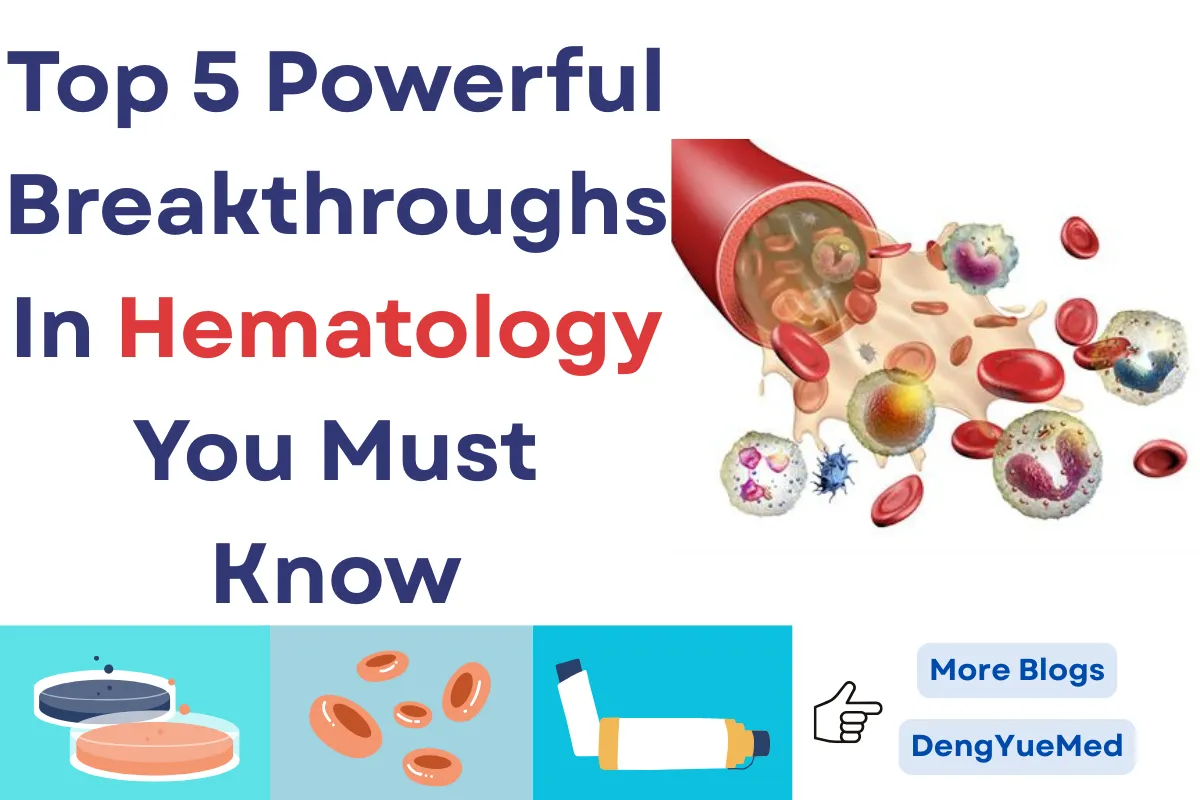
Top 5 Powerful Breakthroughs in Hematology You Must Know
Hematology is the branch of medicine that focuses on blood, bone marrow, and related disorders — from anemia to leukemia. In recent years, research and innovation have led to extraordinary progress, offering new hope for millions of patients worldwide.
For patients, caregivers, and healthcare professionals, staying informed about the latest hematology breakthroughs can make a life-changing difference.
Here are 5 powerful advances in hematology that are transforming diagnosis, treatment, and outcomes like never before.
At Hong Kong DengYue Medicine, we are committed to raising awareness about hematology by sharing updates on treatment innovations, patient care strategies, and prevention approaches.
✨ With cutting-edge therapies, patients today can look forward to better survival rates, improved quality of life, and a brighter future.
Hematology Treatments: Key Therapies You Should Know
Imbruvica (Ibrutinib)
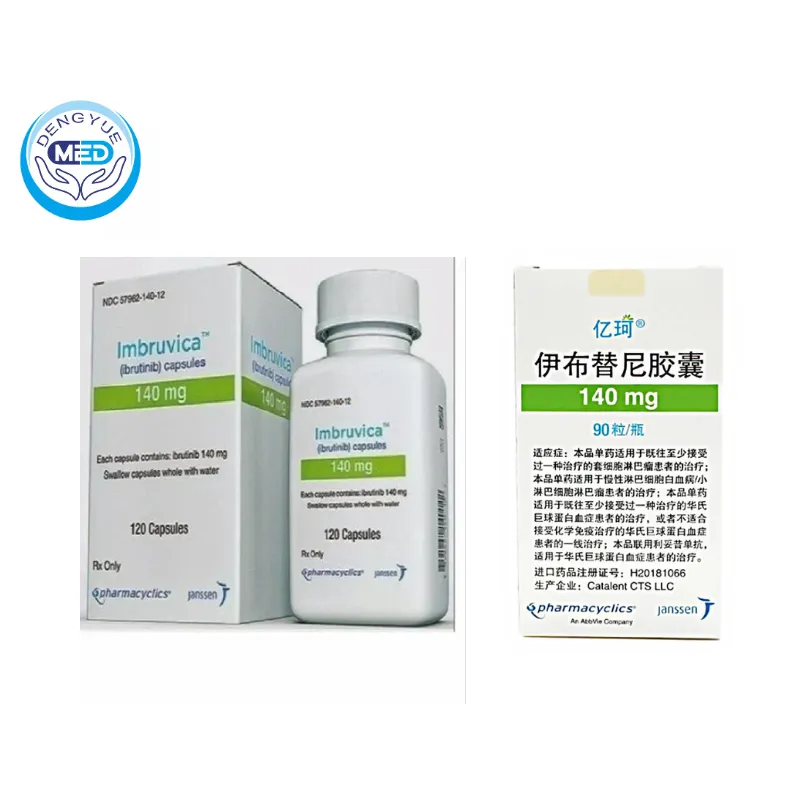
Imbruvica is a breakthrough Bruton’s tyrosine kinase (BTK) inhibitor used to treat several blood cancers, including chronic lymphocytic leukemia (CLL) and mantle cell lymphoma (MCL).
By blocking BTK signaling, it helps stop cancer cells from growing and spreading, offering patients a targeted and effective oral therapy with long-term disease control potential.
Rezurock (Belumosudil)
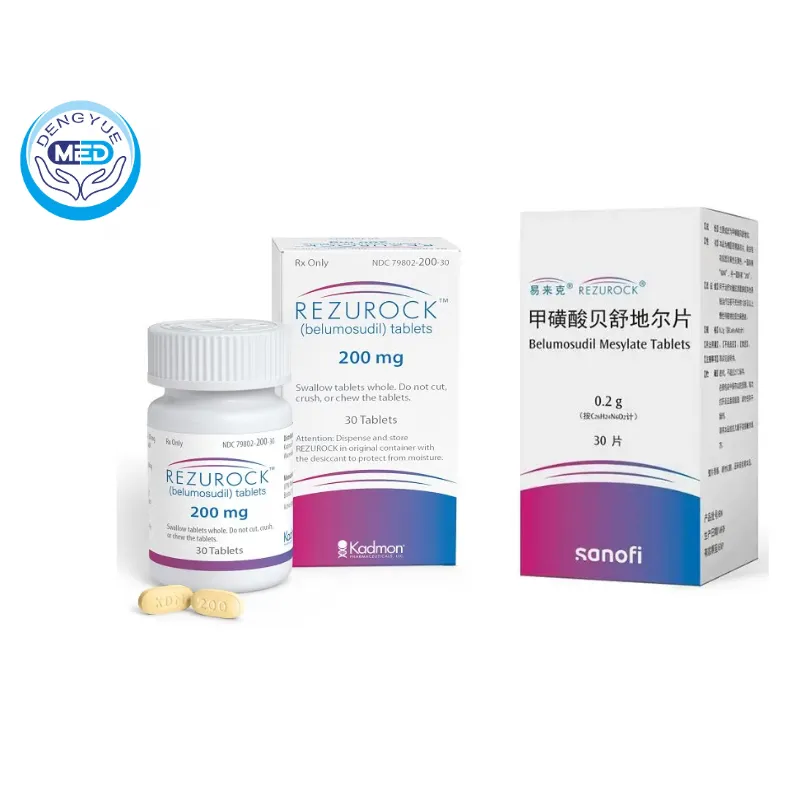
Rezurock is an innovative oral therapy designed for patients with chronic graft-versus-host disease (cGVHD) after stem cell transplantation.
It works by inhibiting ROCK2, a key regulator of immune responses, helping reduce inflammation and improve organ function. Rezurock represents a major advance for patients who have not responded to previous treatments.
Columvi (Glofitamab)
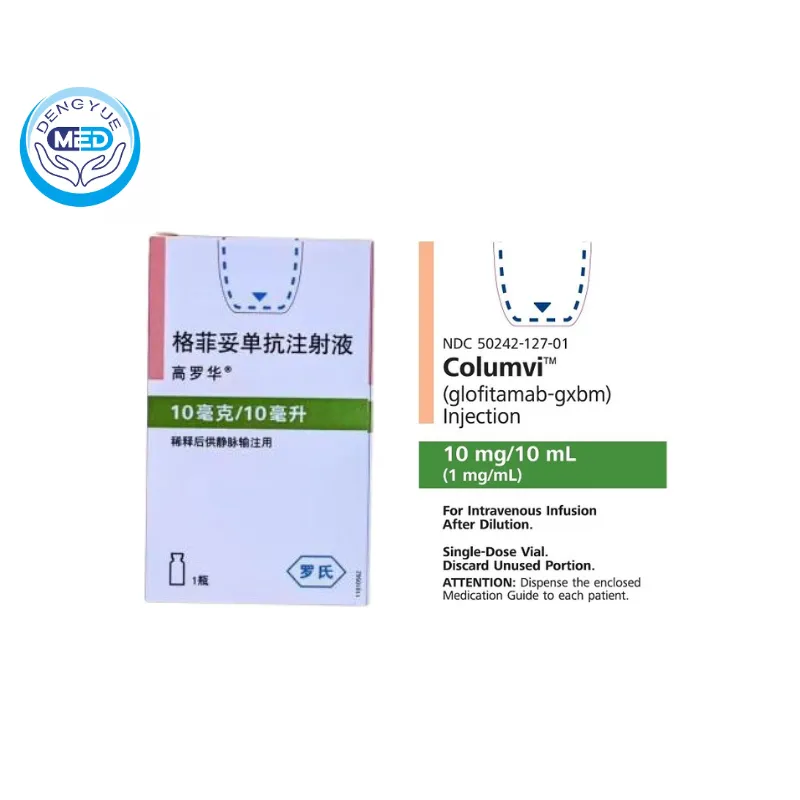
Columvi is a next-generation bispecific antibody therapy for relapsed or refractory diffuse large B-cell lymphoma (DLBCL).
It simultaneously binds to CD20 on B-cells and CD3 on T-cells, redirecting the immune system to attack and destroy cancer cells. This therapy provides new hope for patients with aggressive lymphoma who have limited options.
MULPLETA (Lusutrombopag)
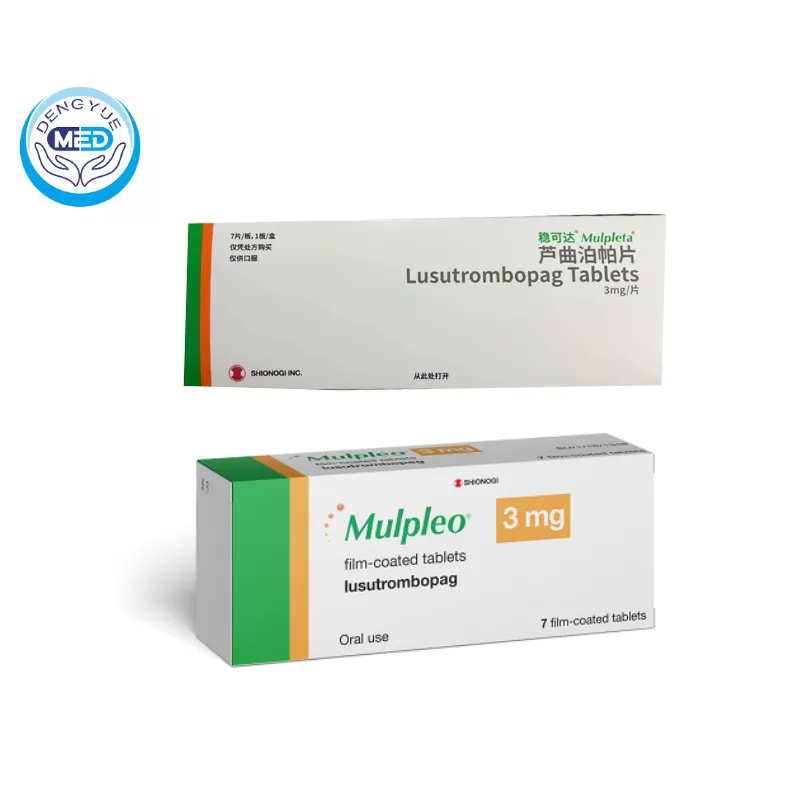
MULPLETA is an oral thrombopoietin receptor agonist used to treat thrombocytopenia in adults with chronic liver disease who are undergoing medical procedures.
By stimulating platelet production, it helps reduce the need for platelet transfusions, making procedures safer and reducing treatment delays.
Top 5 Powerful Breakthroughs In Hematology You Must Know

CAR-T Cell Therapy
CAR-T cell therapy is one of the most revolutionary treatments in hematology, especially for patients with relapsed or refractory B-cell malignancies.
In clinical trials such as ZUMA-1, overall response rates exceeded 80%, with a significant proportion achieving complete remission.
This therapy works by engineering a patient’s own T cells to express a chimeric antigen receptor (CAR), which then seeks out and destroys cancer cells.
Although cytokine release syndrome and neurotoxicity can occur, careful monitoring and standardized management protocols have made the therapy safer.
For patients who previously had no remaining options, CAR-T therapy offers a path toward long-term remission. Stay hopeful—new data shows that more patients are living longer with this approach.
Gene Editing Advances
Gene editing technologies such as CRISPR-Cas9 are changing the landscape for inherited blood disorders and some cancers within hematology oncology.
Trials like CTX001 have demonstrated that up to 90% of patients can become transfusion-independent after treatment, with follow-ups showing sustained benefits beyond 24 months.
This approach corrects genetic mutations at the source, rather than just managing symptoms. While accessibility and cost remain challenges, the progress is remarkable and continues to expand globally.
Every step forward brings us closer to making these cures widely available.
Targeted Therapies
Targeted therapies have transformed hematology by focusing on specific molecular drivers of disease. BTK inhibitors like ibrutinib and acalabrutinib have doubled progression-free survival in chronic lymphocytic leukemia compared to chemoimmunotherapy.
Similarly, BCL2 inhibitor venetoclax has achieved deep remissions with minimal residual disease (MRD) negativity rates approaching 50% in some studies.
These agents often have more tolerable side effect profiles, allowing patients to maintain quality of life while controlling their disease. Precision medicine is proving that treatment can be both powerful and patient-friendly.
Immunomodulators
Immunomodulatory drugs (IMiDs) such as lenalidomide and pomalidomide have significantly improved outcomes in blood diseases like multiple myeloma and related blood cancers.
When combined with monoclonal antibodies in triplet regimens, overall response rates in newly diagnosed patients can exceed 90%, with durable remissions documented in multiple clinical trials.
These drugs not only directly target malignant plasma cells but also enhance the body’s immune response, creating a more sustained anti-cancer effect.
Ongoing research continues to refine dosing and combinations to minimize side effects like cytopenias and neuropathy.
Patients can feel empowered knowing that these therapies are bringing record-breaking results and new hope! 🌈🩸
Next-Generation Diagnostics
Advanced diagnostics, including next-generation sequencing (NGS) and minimal residual disease (MRD) testing, are enabling earlier detection and more personalized therapy decisions.
MRD negativity has emerged as a strong predictor of long-term remission in leukemias and myeloma, guiding clinicians to safely de-escalate or intensify therapy.
Studies have shown that patients who achieve MRD negativity can have relapse rates up to 70% lower than MRD-positive patients.
This precision-driven approach is reducing overtreatment and improving long-term quality of life. Better diagnostics mean better decisions—and better futures for patients.
What Does A Hematology Test For?
A hematology test evaluates the components and overall health of your blood, including red blood cells, white blood cells, platelets, hemoglobin, and hematocrit.
These tests provide insights into oxygen-carrying capacity, immune system strength, and the blood’s ability to clot properly.
Beyond basic counts, hematology panels can detect underlying conditions such as anemia, polycythemia, leukopenia, and infections, and can also indicate early signs of blood cancers like leukemia and lymphoma.
For instance, a sudden increase in white blood cells may suggest an acute infection or hematologic malignancy, while low platelet counts could signal clotting disorders or bone marrow issues.
Advanced tests like reticulocyte counts and peripheral smears offer additional detail, helping clinicians track disease progression or treatment response.
Regular hematology testing empowers you to detect problems early and maintain long-term health! 💪🩸
Are Hematology And CBC The Same?
A Complete Blood Count (CBC) is one of the most common types of hematology tests, but hematology as a field encompasses much more.
While CBC measures red blood cells, white blood cells, hemoglobin, hematocrit, and platelets, hematology can include clotting studies, bone marrow examinations, flow cytometry, and molecular genetic tests.
Research shows that integrating CBC with additional hematology diagnostics improves the early detection of conditions like myelodysplastic syndromes or leukemias by over 30%.
Hematology also helps identify rare disorders such as paroxysmal nocturnal hemoglobinuria or aplastic anemia, which may not be obvious on a standard CBC alone.
Understanding this difference helps you and your doctor make informed decisions about your health! 🧬✨
Why Would A Doctor Refer You To Hematology?
Doctors may refer a patient to a hematologist for a variety of reasons, including abnormal blood counts, unexplained fatigue, frequent bruising, persistent infections, or symptoms that suggest bleeding or clotting disorders.
Hematologists are specialists trained to interpret complex blood tests, identify underlying causes, and manage conditions such as anemia, thrombocytopenia, leukemia, lymphoma, or coagulation disorders.
Clinical data indicates that early hematology referral for suspected leukemia or lymphoma can improve survival outcomes by up to 40% due to timely initiation of targeted therapies.
Additionally, hematologists can guide treatment for chronic conditions such as sickle cell disease or hemophilia, optimizing quality of life and reducing complications.
Seeking expert care early can make a tangible difference in your health journey! 🌟🩺
What Diseases Are Diagnosed In Hematology?
Hematology encompasses a wide array of diseases, including anemias (iron-deficiency, megaloblastic), clotting disorders (hemophilia, von Willebrand disease), inherited blood disorders (sickle cell disease, thalassemia), myeloproliferative disorders, and hematologic malignancies.
Globally, sickle cell disease affects over 5 million people, and thalassemia affects millions more, highlighting the need for accurate hematology diagnostics.
Hematologists also detect early signs of leukemia, lymphoma, and multiple myeloma, enabling timely interventions.
Diagnostic methods range from standard blood counts to bone marrow biopsies, cytogenetic analysis, and molecular testing.
Early and precise diagnosis allows for tailored treatment plans, reduces the risk of organ damage, and improves survival and quality of life.
Being informed and proactive is the first step toward better care and stronger health! ❤️🩸
What Cancers Fall Under Hematology?
Hematology primarily addresses cancers of the blood and lymphatic system, including leukemia (acute and chronic), lymphoma (Hodgkin and non-Hodgkin), multiple myeloma, and myelodysplastic syndromes.
Clinical trials show that modern therapies like CAR-T cell therapy, targeted inhibitors, and immunomodulators can increase 5-year survival rates from less than 30% to over 60% in certain patient populations.
Hematologists play a central role in coordinating care, monitoring response to therapy, and adjusting treatment regimens based on minimal residual disease (MRD) or molecular markers.
Early detection, accurate classification, and personalized therapy can dramatically improve outcomes, even in aggressive cancers.
Hope is strong—advances in therapy are transforming patient outcomes every day! 🌈💪
Can Stress Affect Hematology Results?
Stress can influence hematologic parameters in both the short and long term. Acute stress triggers the release of cortisol and adrenaline, temporarily raising white blood cell and platelet counts, while chronic stress may suppress immune function and reduce lymphocyte activity.
Studies have shown that prolonged stress can affect hemoglobin levels and red blood cell production, potentially complicating the interpretation of hematology tests.
While these effects are usually reversible, chronic stress can contribute to long-term immune dysregulation and slower recovery from illness.
Incorporating stress management, mindfulness, and adequate rest can help maintain healthy blood counts.
Taking care of your mental well-being supports your blood health and overall vitality! 🧘♂️🩸
Can Lack Of Sleep Affect Blood Count?
Sleep deprivation significantly impacts blood and immune health. Research indicates that insufficient sleep reduces lymphocyte activity, alters white blood cell counts, and can impair platelet function.
Individuals with chronic sleep loss have a 20–30% higher risk of immune dysfunction and slower recovery from infections.
Sleep also influences erythropoiesis, meaning prolonged deprivation could contribute to subtle changes in red blood cell production.
Maintaining consistent, restorative sleep supports accurate hematology test results and strengthens your immune system, helping your body recover and function optimally.
Prioritizing rest is a simple but powerful way to protect your blood health and overall well-being! 🌙💤
FAQ about Top 5 Powerful Breakthroughs in Hematology You Must Know
What Are The Symptoms Of High Hemoglobin?
High hemoglobin may cause headaches, dizziness, fatigue, shortness of breath, and sometimes blurred vision. In severe cases, the skin may appear reddish and the risk of blood clots can increase.
What Blood Test Shows Anxiety?
There is no direct blood test for anxiety, but doctors may check cortisol levels, thyroid function, or vitamin deficiencies to rule out other conditions. Anxiety is usually confirmed through symptoms and psychological evaluation.
What Cancers Cause High Hemoglobin?
High hemoglobin can be linked to kidney cancer, liver tumors, and certain lung cancers because these cancers sometimes produce extra erythropoietin (EPO), which stimulates red blood cell production.
What Is The Danger Level Of Hemoglobin?
Hemoglobin levels above 18 g/dL in men or 16.5 g/dL in women are generally considered too high and may increase the risk of blood clots, stroke, or other complications, making medical assessment important.