

Is Hepatitis C Curable? Breaking Down the Myths
Hepatitis C (HCV) is a viral infection that primarily affects the liver, leading to inflammation and, in some cases, serious liver damage.
It’s a significant global health concern, but advancements in medical treatments have made it a curable condition for many.
This article delves into the nature of hep C, its transmission, symptoms, and the available treatment options, including six notable medications: Zepatier, Epclusa, Ganovo, Harvoni, Vosevi, and Sanoldi.
🧬 What Is Hepatitis C?
Hep C is caused by the hep C virus, which spreads through blood-to-blood contact. Once infected, the virus can lead to both acute and chronic liver diseases.
Chronic HCV infection can result in serious complications like cirrhosis, liver failure, or liver cancer if left untreated.
❓ Can Hepatitis C Be Cured?
Yes, Hep C is now considered a curable disease for most individuals. The introduction of direct-acting antivirals (DAAs) has revolutionized treatment, offering cure rates exceeding 90%.
These medications target specific steps in the hep C life cycle, effectively eliminating the virus from the body.
🔍 Is HCV a Sexually Transmitted Disease (STD)?
While HCV is primarily transmitted through blood-to-blood contact, sexual transmission is possible but less common.
The risk increases with certain factors, such as having multiple sexual partners, engaging in rough sexual activity, or co-infection with HIV.
Using barrier protection methods can significantly reduce the risk of sexual transmission.
🧪 What Happens If You Test Positive for HCV?
A positive hep C test indicates the presence of the virus in your bloodstream.
It’s essential to consult a healthcare provider for further evaluation, which may include additional blood tests and liver assessments.
Early diagnosis and treatment are crucial to prevent liver damage and other complications.
💑 Can I Get Hepatitis C from My Partner?
The risk of contracting HCV from a long-term monogamous partner is low but not zero.
Practicing safe sex and avoiding the sharing of personal items like razors or toothbrushes can further minimize the risk.
💊 What Are the Best Treatments for HCV?

Several effective DAA are available for treating HCV. The choice of medication depends on various factors, including the HCV genotype, liver health, and previous treatments.
Here are six notable medications:
1. Zepatier (elbasvir/grazoprevir): Effective for genotypes 1 and 4, especially in patients with kidney issues.

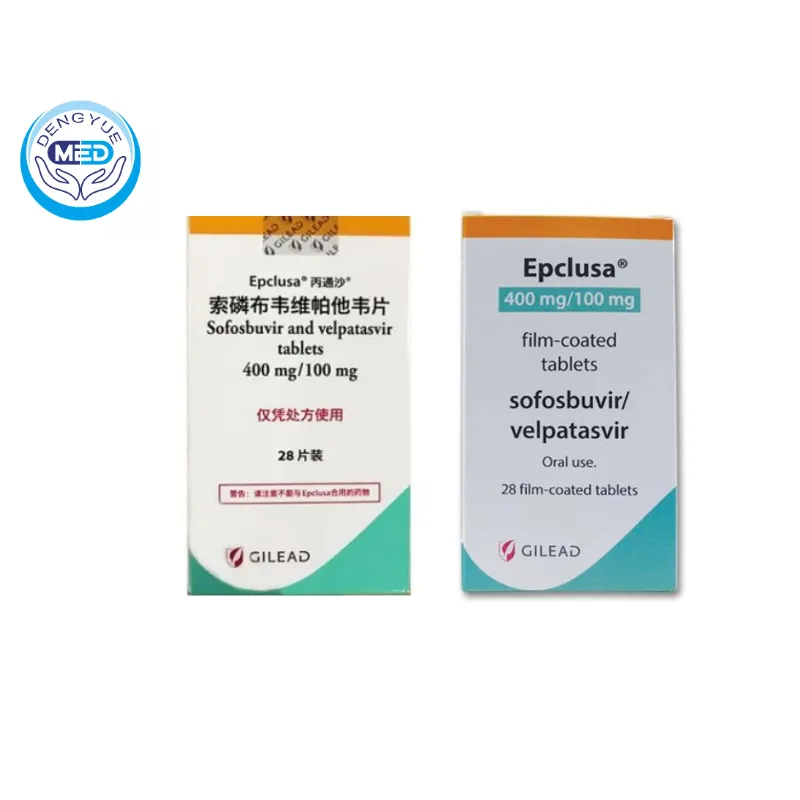
2. Epclusa (sofosbuvir/velpatasvir): A pan-genotypic treatment suitable for all hep C genotypes.
3. Ganovo (danoprevir): Used in combination therapies, particularly effective for genotype 1b.

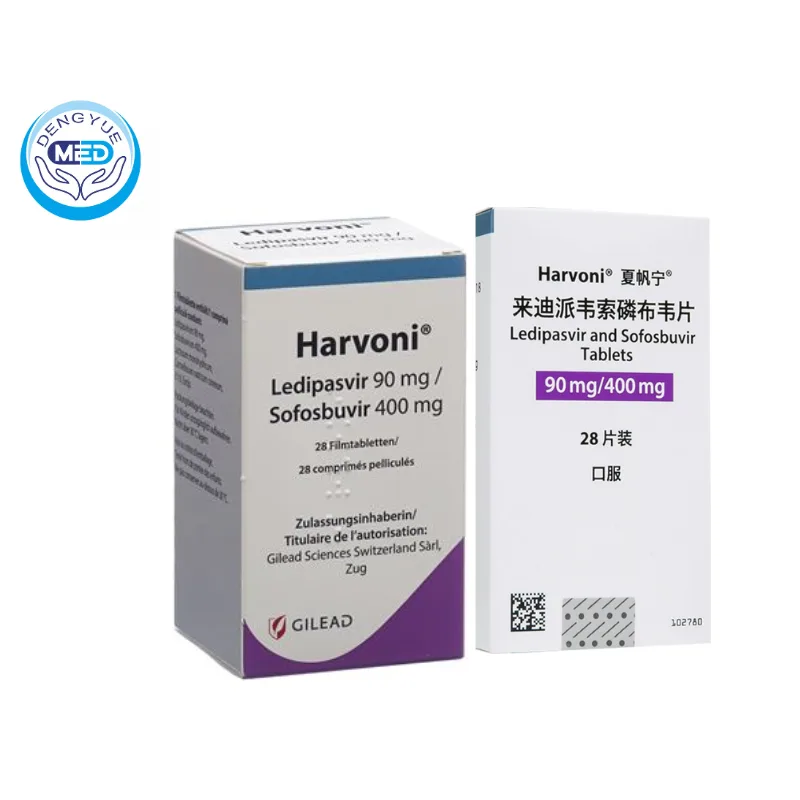
4. Harvoni (ledipasvir/sofosbuvir): Targets genotypes 1, 4, 5, and 6, with a high cure rate.
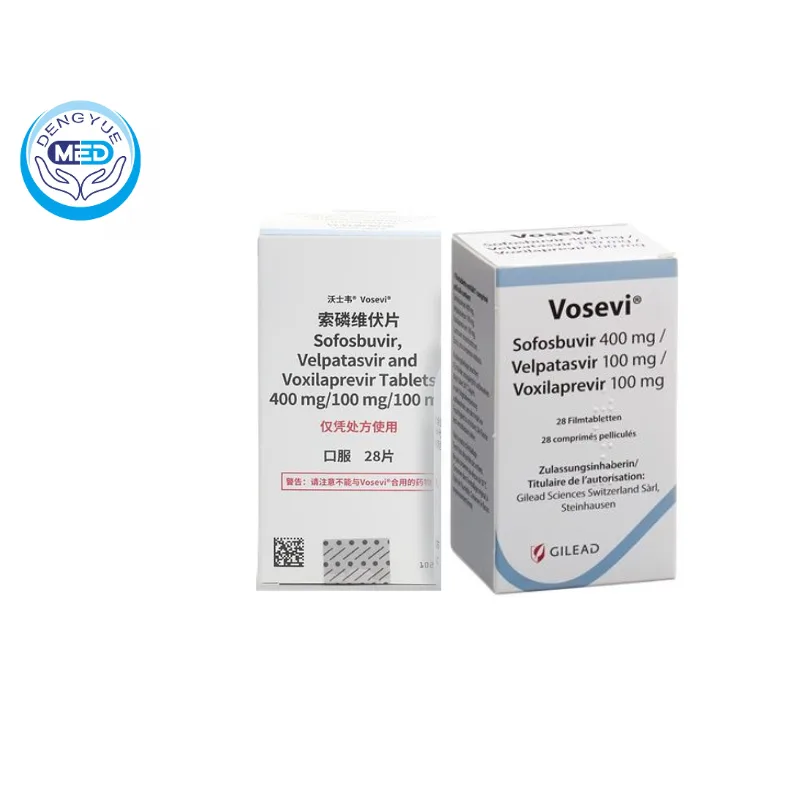
5. Vosevi (sofosbuvir/velpatasvir/voxilaprevir): Designed for patients who have failed previous hep C treatments.
6. Sanoldi (Alfosbuvir): Often used in combination with other medications for various HCV genotypes.

These treatments typically span 8 to 12 weeks, with minimal side effects, and have transformed hep C management.
🔄 Can Hepatitis C Be Cured Permanently?
Yes, achieving a sustained virologic response (SVR) after treatment means the virus is undetectable in the blood 12 weeks post-treatment, indicating a cure.
However, it’s essential to note that reinfection is possible, so preventive measures remain crucial.
👩⚕️ Hepatitis C Symptoms in Females
While HCV symptoms are generally similar across genders, some women may experience:
- Fatigue
- Abdominal pain
- Joint pain
- Menstrual irregularities
Additionally, there’s a risk of mother-to-child transmission during childbirth.
🔄 How Is Hepatitis C Transmitted?
Hep C is primarily spread through:
- Sharing needles or other drug paraphernalia
- Blood transfusions or organ transplants before 1992
- Needlestick injuries in healthcare settings
- Unprotected sex with an infected person
- From mother to child during childbirth
It’s not transmitted through casual contact, hugging, or sharing utensils.
🛡️ Prevention and Next Steps
Preventing HCV involves:
- Avoiding sharing needles or personal items
- Practicing safe sex
- Ensuring tattoos or piercings are done with sterile equipment
Regular screening, especially for high-risk groups, is vital. If diagnosed, consult a healthcare provider to discuss the best treatment options tailored to your needs.
🌍Conclusion: Choosing the Right Hepatitis C Treatment
HCV is treatable, and selecting the correct medication is critical.
The six drugs discussed—Zepatier, Epclusa, Ganovo, Harvoni, Vosevi, and Sanoldi—offer tailored options based on HCV genotype, liver disease stage, and treatment history.
Consult a healthcare provider to assess your genotype, liver health, and prior treatments. Personalized plans are essential for optimal outcomes.
Cost concerns are valid. Many pharmaceutical companies offer assistance programs, and generic versions of some drugs may reduce expenses.
For guidance on HCV treatment options and costs, contact Dengyue. We’ll provide tailored support.
Feel free to inquire about our prices.
About DengYueMed – HK Drug Wholesale Distributor
As a legally compliant drug import and export company, DengYueMed is certified by the pharmacy & Poisons Board of Hong Kong — you can verify our qualification on their official website.

Our efforts to improve the affordability of HCV aim to ensure that more patients can benefit from this important medication.
HK DengYue provides detailed medicine information, transparent pricing, and responsive support to ensure a smooth and reliable buying experience.
Feel free to reach out anytime to discuss your needs or ask questions about the medicine. We welcome you to contact us for a consultation.
FAQ About Hep C (Hepatitis C Virus)
How Long Can Hepatitis C Go Undetected?
It can remain undetected for decades, as many individuals exhibit no symptoms until significant liver damage has occurred.
Is Hepatitis C a Permanent Condition?
No, it is not necessarily permanent; with modern treatments, over 95% of cases can be cured.
How Long Does the Hepatitis C Virus Survive Outside the Body?
It can survive outside the body on surfaces for up to 6 weeks at room temperature.
How does HCV spread?
It spreads primarily through blood-to-blood contact.
How much does an HCV test cost?
HCV antibody tests cost $14–$62, while RNA tests range from $189 to $299.