Hemophilia A: Is a Cure Possible?
🧬 What is the Hemophilia Type A?
Hemophilia A, or classic hemophilia, is a rare genetic bleeding disorder caused by a deficiency or dysfunction of Factor VIII (FVIII), a crucial blood-clotting protein.
It is an X-linked recessive disorder, primarily affecting males, while females are typically carriers.
Key Characteristics of Hemophilia A:
- Inheritance Pattern: Passed down through the X chromosome.
- Severity Levels:
- Severe (FVIII <1%): Frequent spontaneous bleeding into joints and muscles.
- Moderate (FVIII 1-5%): Bleeding after minor injuries.
- Mild (FVIII 5-40%): Bleeding only after significant trauma or surgery.
- Symptoms: Prolonged bleeding, joint and muscle hemorrhages, easy bruising, and, in severe cases, life-threatening internal bleeding.
⚖️What is the Difference between Haemophilia A and B?
While both Hemophilia A (Factor VIII deficiency) and Hemophilia B (Factor IX deficiency, or Christmas disease) are X-linked bleeding disorders, they differ in:
| Feature | Hemophilia A | Hemophilia B |
|---|---|---|
| Deficient Factor | Factor VIII | Factor IX |
| Prevalence | ~80-85% of cases | ~15-20% of cases |
| Treatment | FVIII replacement (e.g., Kovaltry) | FIX replacement (e.g., BeneFix) |
| Severity | Generally more severe due to higher bleeding risk | Often milder in some cases. |
🏥What Happens if You Have Hemophilia A?
1. Frequent and Excessive Bleeding
- External bleeding: You may experience prolonged bleeding from minor cuts, injections, dental work, or nosebleeds, even spontaneously in moderate to severe cases.
- Internal bleeding: Often occurs in joints (hemarthrosis), muscles, or organs. Joint bleeds are common in knees, ankles, and elbows, leading to swelling, pain, and long-term damage.
2. Joint Damage and Chronic Pain
Recurrent bleeding inside joints can lead to chronic inflammation, arthritis (hemophilic arthropathy), reduced mobility, and eventually require joint replacement.
3. Life‑Threatening Hemorrhages
- Intracranial bleeding: Though rare, even a mild head bump can cause dangerous brain bleeds—symptoms include headache, vomiting, seizures, lethargy, and neurological deficits.
- Deep muscle or organ bleeds: Can result in severe complications like compartment syndrome, organ failure, or massive blood loss.
4. Complications from Treatment
- Inhibitors: Up to 30% of patients develop antibodies that neutralize infused factor VIII, making bleeding control much harder.
- Transfusion‑related risks: Older or plasma-derived factor products carried risks of infections such as HIV or hepatitis; modern recombinant products have greatly reduced that risk.
5. Impact on Quality of Life
- Regular prophylactic treatment can help achieve near-normal life expectancy, but bleeds, pain, joint issues, and the burden of lifelong injections still affect daily living.
- Many individuals face chronic pain, mobility limitations, mental health challenges (anxiety, depression), and high treatment costs.
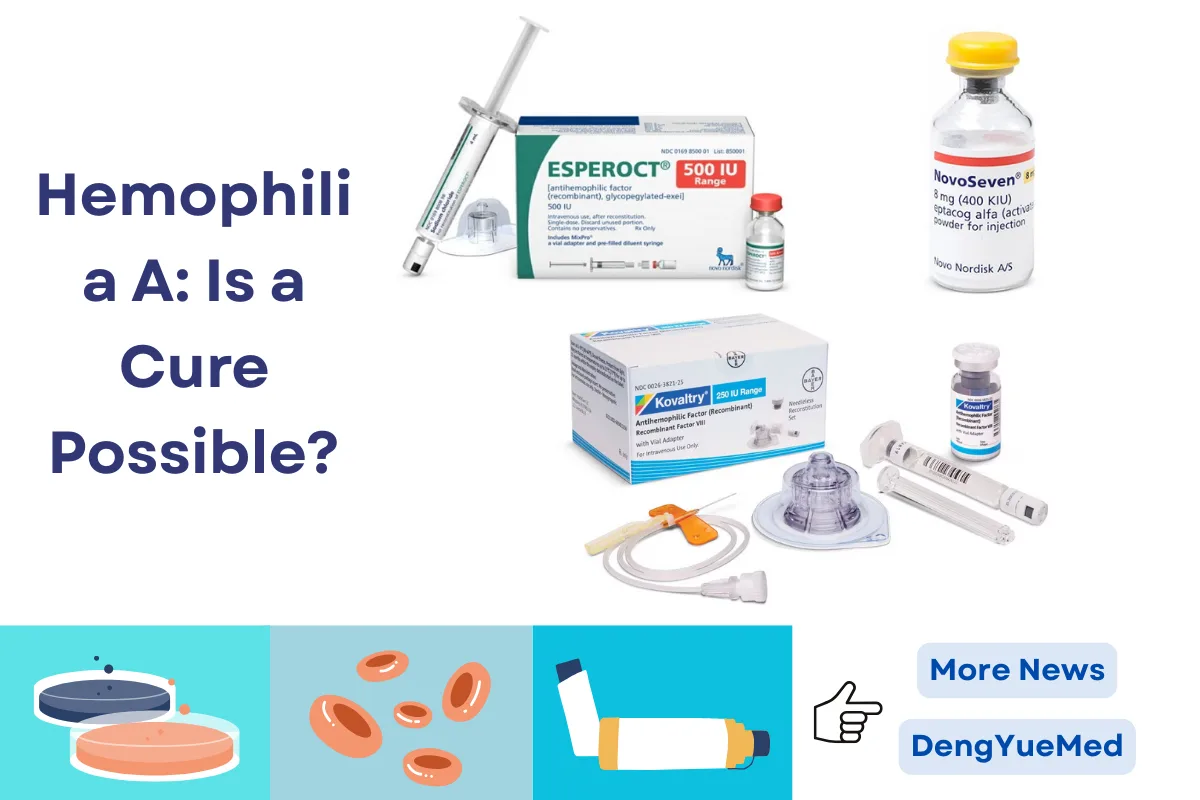
💊 Hemophilia A Treatment: NovoSeven, Kovaltry & Esperoc
⚡ NovoSeven® RT (eptacog alfa, rFVIIa)
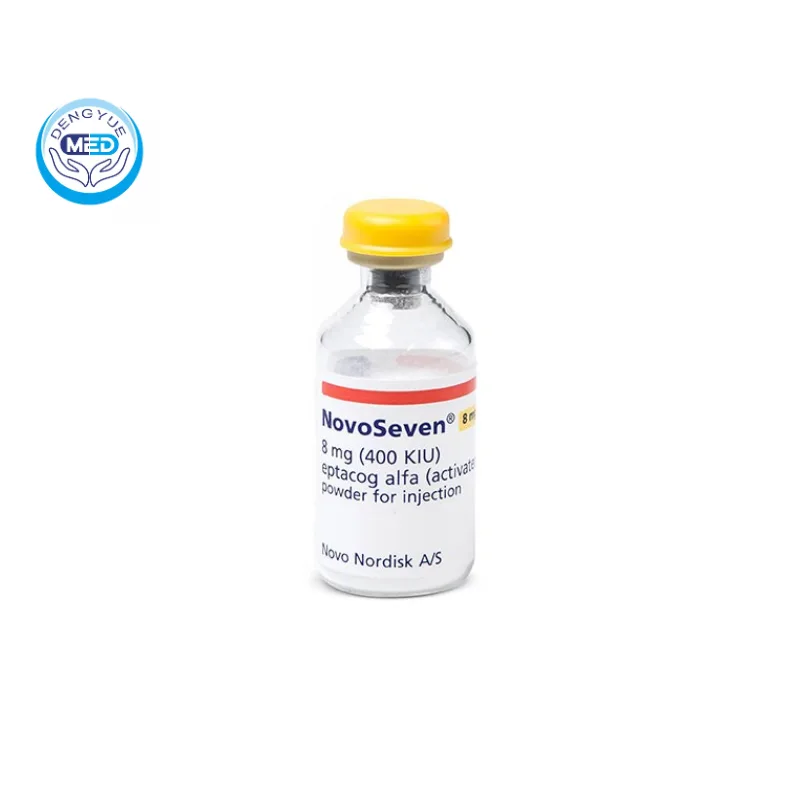
- A recombinant activated factor VII (“bypassing agent”) designed for Hemophilia A/B with inhibitors.
- Activates FX and IX to drive thrombin generation, forming clots, bypassing the missing factor VIII.
- FDA‐approved since 1999; also approved in Europe. Vital for patients with inhibitors or acquired hemophilia.
- Fast control of bleeding: infused in 2–5 minutes; dosing every 2 hours in acute bleeds (90 μg/kg).
- Well‑studied; low incidence of thrombosis (0.2% per bleed in congenital cases), with monitoring advised.
🧪 Kovaltry® (octocog alfa; recombinant FVIII)
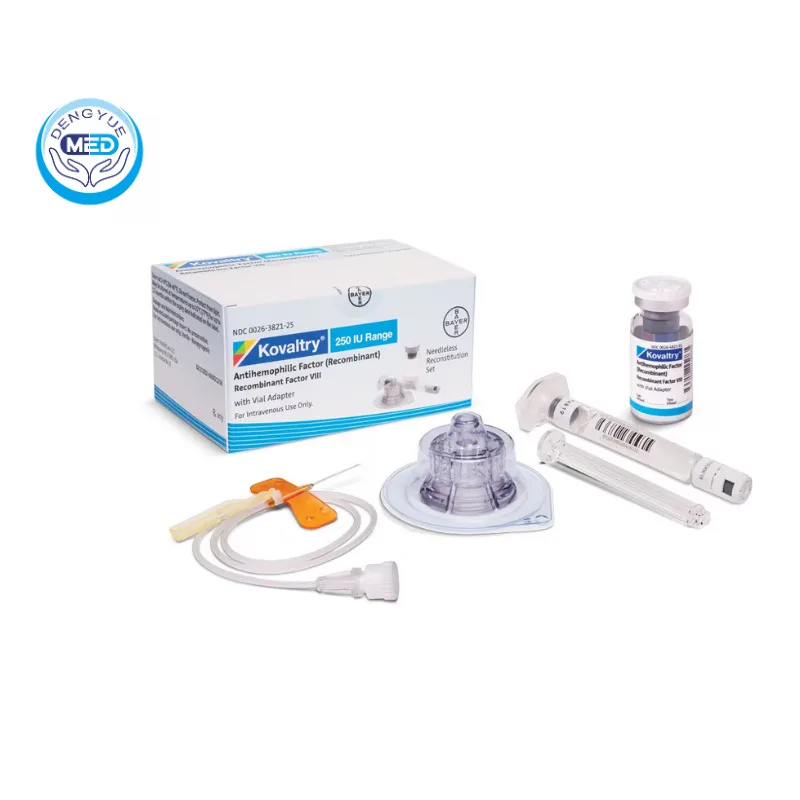
- A recombinant factor VIII replacement therapy is used for both treatment and prophylaxis in Hemophilia A.
- Standard half-life product; real-world data show sustained low annual bleed rate (~3.6 bleeds/year).
- Administered IV about 2–3 times weekly for prevention; typical infusion dose ~55–75 IU/kg.
💫 Esperoc® (turoctocog alfa pegol)
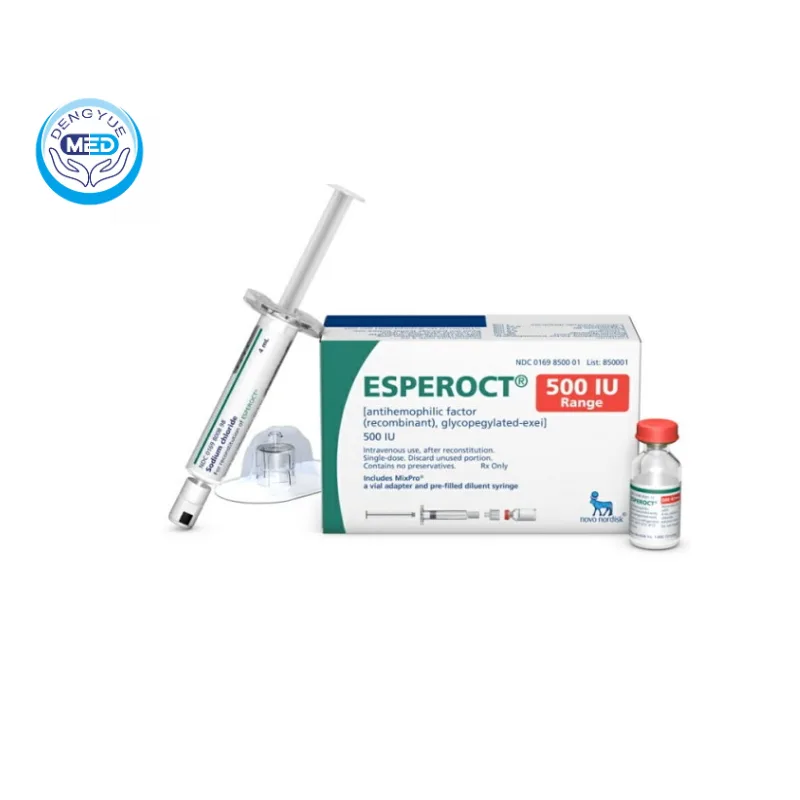
- An extended half-life (EHL) recombinant FVIII licensed recently (EU/US 2019), marketed as Esperoct®.
- PEGylated FVIII offers prolonged circulation and steady prophylactic protection.
- Helps reduce injection frequency and supports sustained bleed prevention across all ages.
✔️ Treatment Comparison & Patient Suitability
| Drug | Type | Use Case | Advantages | Notes |
|---|---|---|---|---|
| NovoSeven RT | rFVIIa bypassing agent | Inhibitor-positive patients; acquired HA/B | Rapid bleed control; effective during surgery | Thrombosis risk; needs monitoring |
| Kovaltry | Recombinant FVIII (standard half-life) | Replacement & prophylaxis | Regular dosing; proven effectiveness & safety | Regular IV infusions (2-3x/week) |
| Esperoc (EHL FVIII) | PEGylated recombinant FVIII | Replacement & prophylaxis | Longer half-life; fewer injections needed | Newer option; still EHL |
💉Can People with Hemophilia Live a Normal Life?
Yes! With proper treatment, individuals with Hemophilia A can lead near-normal lives:
- Prophylactic treatment reduces spontaneous bleeds.
- Physical therapy helps maintain joint health.
- Lifestyle adjustments (avoiding contact sports, using protective gear) minimize injury risks.
Success Stories:
- Alex Dowsett, a professional cyclist with severe Hemophilia A, competes at elite levels thanks to preventive FVIII therapy.
🩸 Hemophilia A Inheritance: Can Females Have It?
Although Hemophilia A is primarily an X-linked recessive condition traditionally associated with males, females can be affected under certain circumstances.
1. Inheriting Two Affected X Chromosomes
A woman will express Hemophilia A only if she inherits a mutated F8 gene on both X chromosomes—one from each parent.
This rare scenario occurs when a mother is a carrier and the father is affected. Such females can exhibit classic, often severe hemophilia, comparable to males.
2. Skewed X‑Chromosome Inactivation (Lyonization)
Females normally inactivate one X chromosome in each cell early in development, balancing gene expression between XX females and XY males.
However, if lyonization is skewed, favoring inactivation of the healthy X, the mutated X becomes predominantly active.
This results in low factor VIII levels and symptomatic hemophilia, sometimes even severe. Studies confirm that symptomatic females typically demonstrate skewed XCI.
📝Conclusion
Hemophilia A is a serious genetic bleeding condition caused by a lack of factor VIII.
Fortunately, modern therapies such as NovoSeven RT, Kovaltry, and Esperoc (turoctocog alfa pegol) offer effective options for managing bleeds and enabling patients to lead active, healthy lives.
Selecting the right therapy depends on individual factors—severity, presence of inhibitors, age, lifestyle, and treatment preferences.
Multidisciplinary care from Hemophilia Treatment Centers remains essential for optimal outcomes.
For patients and caregivers, awareness of available treatments and staying proactive with prophylaxis can dramatically reduce complications.
Discussions with hematologists are key to tailoring therapy and monitoring safety.
Struggling with Hemophilia A Treatment? Let Us Help – Contact Us for Guidelines.
About DengYueMed – HK Drug Wholesale Distributor
As a legally compliant drug import and export company, DengYueMed is certified by the pharmacy & Poisons Board of Hong Kong — you can verify our qualification on their official website.

Our efforts to improve the affordability of Hemophilia A treatment aim to ensure that more patients can benefit from this important medication.
HK DengYue provides detailed medicine information, transparent pricing, and responsive support to ensure a smooth and reliable buying experience.
Feel free to reach out anytime to discuss your needs or ask questions about the medicine. We welcome you to contact us for a consultation.
FAQ About Hemophilia A
Which is more severe, Hemophilia A or B?
Severity depends on factor activity levels (<1%, 1–5%, >5%), not on type. Both can be severe.
What causes Hemophilia A?
It is caused by a genetic mutation in the F8 gene on the X chromosome, leading to a deficiency of clotting factor VIII. Sons of carrier mothers are at highest risk, and about one-third of cases result from spontaneous mutations.
How is Hemophilia A diagnosed?
Diagnosis involves blood tests measuring clotting function and factor VIII levels. If levels are low, genetic tests and family history can confirm the diagnosis and help assess severity.
Is Hemophilia A contagious?
No—Hemophilia A is genetic and passed via the X chromosome. It cannot be transmitted through contact or bodily fluids.
Do haemophilic males survive?
Yes, haemophilic males can and do survive—thanks to modern treatments, most live long, fulfilling lives.