Innovative Drug Delivery Systems: Transforming Modern Medicine
When it comes to medicine, most people assume that taking a drug is enough for it to work.
🤔 However, the real challenge lies in how effectively the drug reaches its target, how long it remains active, and how safely it interacts with the body.
👉 This is where innovative drug delivery systems come into play.
Over the past few decades, these systems have become a cornerstone of modern pharmacology, revolutionizing the way drugs are administered, enhancing efficacy, and minimizing side effects.
✨ Innovative drug delivery systems are not just a technological advancement—they are essential for maximizing the therapeutic potential of modern medicine, particularly for complex drugs like proteins, nucleic acids, and biologics.
Why Innovative Drug Delivery Systems Are Essential
Several trends in medicine have highlighted the need for innovative drug delivery systems:
1. Poor Solubility of New Drug Compounds
🎯 More than 70% of new drug molecules fall into the Biopharmaceutics Classification System (BCS) II or IV category, meaning they are poorly soluble or poorly absorbed.
Without advanced delivery systems, these drugs often fail to reach therapeutic concentrations in the body.
2. Rise of Biologic Drugs
Proteins, monoclonal antibodies, vaccines, and nucleic acid-based drugs are increasingly common.
🔬 These molecules are usually unstable, cannot be administered orally, and require sophisticated delivery technologies to reach their targets effectively.
3. Need for Targeted and Controlled Delivery
🎯 Certain conditions, such as cancer, neurological disorders, or ocular diseases, require precise targeting.
Without specialized delivery systems, drugs may affect healthy tissues, causing toxicity and reducing efficacy.
4. Improving Patient Compliance and Convenience
Chronic conditions like diabetes, multiple sclerosis, or psychiatric disorders require frequent administration.
💉 Innovative drug delivery systems—such as long-acting injectables or transdermal patches—reduce dosing frequency and improve patient adherence.
👉 In short, innovative drug delivery systems are no longer optional—they are fundamental for modern therapeutics.
Types of Innovative Drug Delivery Systems (With Examples)
There are several types of innovative drug delivery systems, each offering unique benefits. Here are the most widely used and clinically validated types:
1. Nanotechnology-Based Drug Delivery
Nanoparticles, liposomes, micelles, and polymeric nanocarriers can protect drugs from degradation, improve solubility, and enhance targeting.
Examples:
✅ Doxil (Liposomal Doxorubicin)
- Reduces cardiotoxicity compared to conventional doxorubicin.
- Clinical data shows a 5-fold reduction in heart-related side effects and prolonged half-life from 20–30 minutes to over 50 hours.
- Accumulates preferentially in tumor tissues due to enhanced permeability and retention (EPR) effect.
✅ Onpattro (Patisiran, LNP-based siRNA)
- Approved as the first siRNA therapy delivered via lipid nanoparticles.
- Effectively treats hereditary transthyretin-mediated amyloidosis (hATTR).
- Demonstrates the feasibility of innovative drug delivery systems for nucleic acid therapies, paving the way for mRNA vaccines.
2. Targeted Drug Delivery Systems
Targeted systems aim to concentrate the drug at diseased sites while minimizing exposure to healthy tissues. The most advanced form is Antibody-Drug Conjugates (ADCs).
Examples:
1️⃣ Kadcyla (Trastuzumab Emtansine)
- Targets HER2-positive breast cancer cells, delivering cytotoxic drugs directly.
- Clinical studies show a ~50% increase in progression-free survival (PFS).
2️⃣ Enhertu (Fam-trastuzumab Deruxtecan)
- Effective even in HER2-low breast cancer patients.
- Demonstrates that targeted delivery can expand therapeutic options to previously untreatable patient populations.
Other forms include ligand-targeted nanoparticles or receptor-specific carriers, all part of the broader category of innovative drug delivery systems.
3. Controlled and Sustained Release Systems
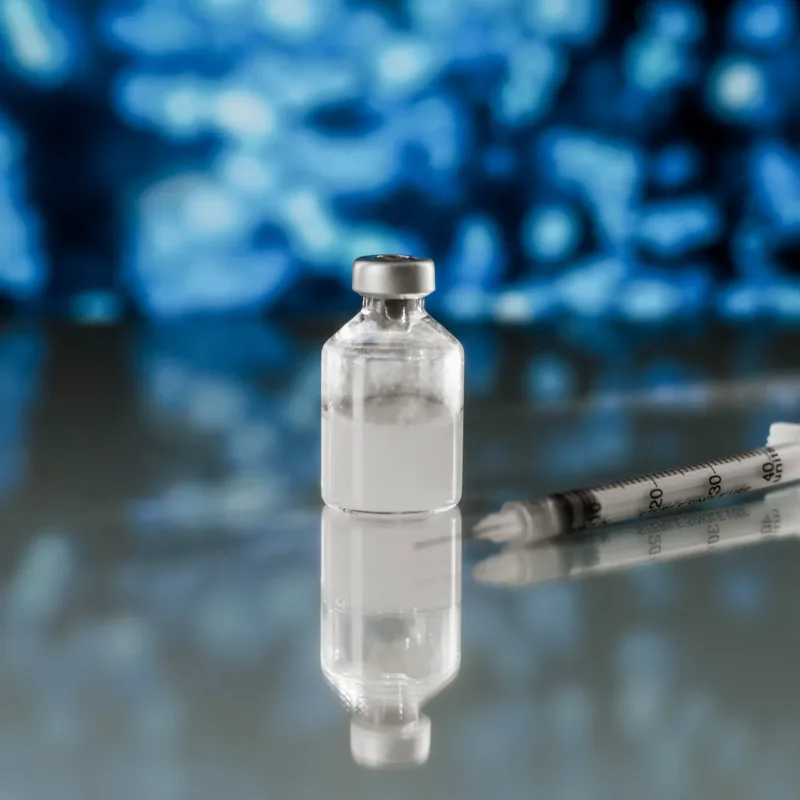
Controlled-release systems, such as depot injections, microcapsules, and implants, release drugs over extended periods, reducing the frequency of administration.
Examples:
1️⃣ Lupron Depot (Leuprolide Acetate Microspheres)
- Long-acting formulations for 1, 3, or 6 months.
- Used in prostate cancer and endometriosis.
- Improves adherence by 40–60% compared to daily injections.
2️⃣ Invega Trinza (3-Month Paliperidone Injection)
- Reduces relapse risk in schizophrenia patients by ensuring consistent medication delivery.
- Minimizes dependence on daily oral administration.
4. Transdermal and Microneedle Systems
Transdermal patches and microneedles allow drugs to bypass the gastrointestinal tract, offering painless, convenient delivery.
Examples:
1️⃣ Nicotine Patch
- Delivers nicotine slowly through the skin.
- Increases smoking cessation success rates by 50–70%.
2️⃣ Microneedle Vaccines (Research Stage)
- Can deliver flu, COVID-19, or HPV vaccines with minimal pain.
- Advantages include self-administration, low risk of contamination, and easier storage.
5. Smart and Stimuli-Responsive Systems
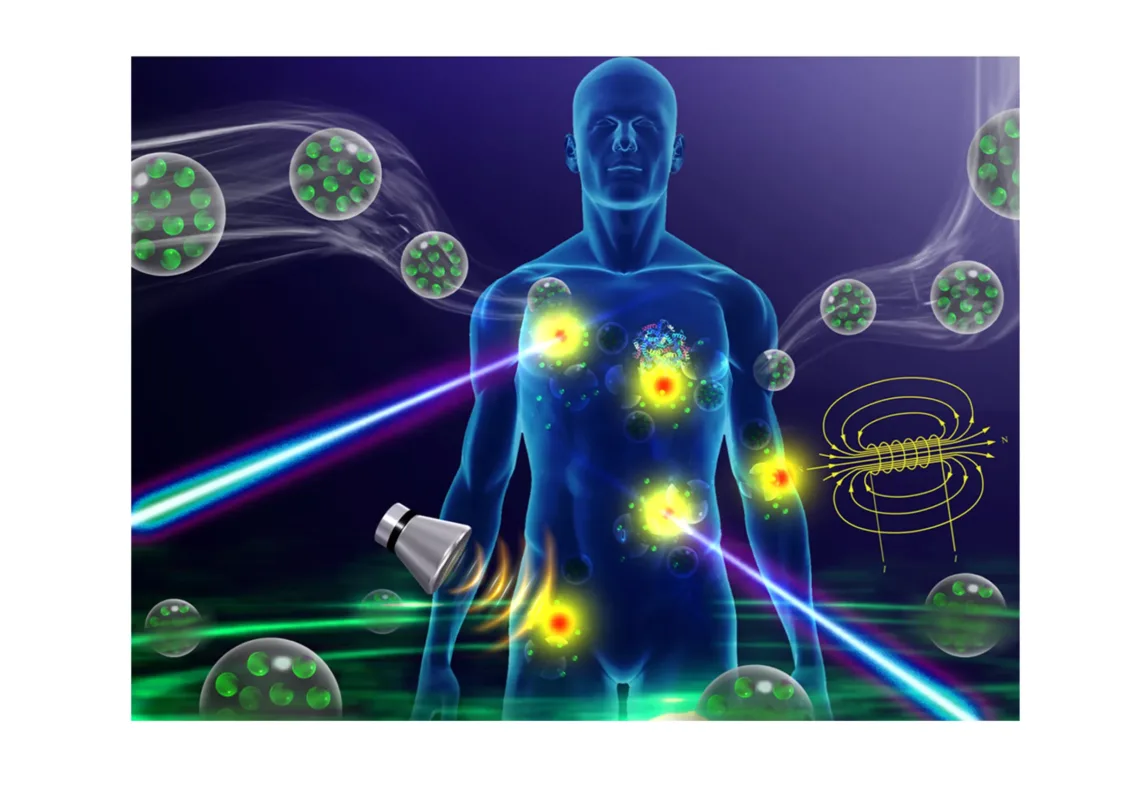
These systems release drugs in response to specific internal or external stimuli—such as pH, temperature, enzymes, light, or magnetic fields.
Examples:
- pH-Responsive Nanoparticles for tumor-targeted chemotherapy release the drug only in acidic tumor environments.
- Light-Triggered Drug Release enables precise temporal and spatial control.
- Enzyme-Responsive Systems deliver anti-inflammatory drugs only in tissues with elevated specific enzymes.
Such intelligent delivery methods are rapidly evolving within the domain of innovative drug delivery systems.
6. 3D-Printed Personalized Drugs
3D printing allows customization of drug dosage, shape, and release profile for individual patients.
Example:
Spritam (3D-Printed Levetiracetam)
- FDA-approved for epilepsy.
- Features rapid disintegration suitable for children and patients with swallowing difficulties.
- Demonstrates how innovative drug delivery systems can enable personalized medicine.
Benefits of Innovative Drug Delivery Systems
The clinical and practical advantages of innovative drug delivery systems include:
- Enhanced Efficacy and Safety – Drugs accumulate in target tissues, reducing systemic toxicity.
- Enablement of Complex Therapeutics—Biologics, siRNA, and mRNA therapies rely on advanced delivery systems.
- Improved Patient Compliance—Long-acting injectables, patches, and oral devices reduce dosing burden.
- Reduced Healthcare System Strain—Fewer hospital visits, reduced relapse rates, and simplified dosing regimens.
- Support for Personalized Medicine—3D printing and stimuli-responsive systems allow tailored therapy.
Challenges in the Field
Despite immense promise, innovative drug delivery systems face several challenges:
- High production and development costs
- Difficulties ensuring batch-to-batch consistency
- Complex regulatory approval requirements
- Long-term safety studies needed
- Scalability of advanced technologies
Future Directions
The future of innovative drug delivery systems is closely tied to emerging technologies:
- Artificial Intelligence (AI) for carrier design
- Multi-functional nanocarriers with combined therapeutic and diagnostic capabilities
- Wearable drug delivery devices for chronic conditions
- Integration with personalized medicine, including 3D-printed drugs and adjustable release profiles
- Non-invasive CNS delivery systems crossing the blood-brain barrier
👉 Here is a article about AI with innovative medicines.
These advances could redefine disease treatment paradigms and bring medicine closer to fully personalized care.
Conclusion
Innovative drug delivery systems are transforming how drugs reach and interact with the human body.
They ensure that medications not only exist chemically but also reach their intended site, at the right concentration, and at the right time.
From nanotechnology-based carriers to targeted ADCs, from long-acting injectables to smart, stimuli-responsive systems, these innovations are shaping the future of therapeutics.
🔬 By integrating cutting-edge materials science, biotechnology, and engineering, innovative drug delivery systems make treatment safer, more effective, and more convenient.
✨ As the field continues to evolve, these systems will play a pivotal role in the next generation of medicine—enabling precision therapy, improving patient outcomes, and ultimately redefining the way we approach health and disease.
🧑💼 As a professional pharmaceutical distributor, DengYue Medicine closely follow global advancements in drug development and innovative treatment approaches, actively bringing the latest medical insights to our partners.
FAQ about Innovative Drug Delivery Systems
What is an innovative drug delivery system?
It highlights various targeted delivery methods, such as liposomes and nanoparticles, along with controlled release systems and transdermal systems.
What are the newer drug delivery systems?
Drug delivery systems (DDSs) are developed to deliver the required amount of drugs effectively to appropriate target sites and to maintain the desired drug levels.
Research in newer DDS is being carried out in liposomes, nanoparticles, niosomes, transdermal drug delivery, implants, microencapsulation, and polymers.
What are the recent advances in drug delivery systems 2025?
In 2025, the field is expected to witness significant advancements that enhance drug bioavailability, improve patient compliance, and unlock new therapeutic opportunities.
What are the future trends in drug delivery?
Future research should focus on developing new long-acting injectable formulations that minimize burst release and are amenable to the delivery of hydrophilic drugs and biologics.