
How I Knew I Had Stomach Cancer— Symptoms I Mistook for Acid Reflux
I didn’t think it was stomach cancer.
At first, it felt like acid reflux, stress-related bloating, and occasional indigestion—the kind most people ignore.
But looking back, those were the exact signs that told me something was seriously wrong.
HongKong DengYueMedicine explores how individuals realized they had stomach cancer, the earliest warning signs, how doctors confirm a diagnosis, and what treatment options—including modern drug therapies—are available today.
The First Symptoms I Ignored
Many people who shared their stories on platforms such as how I knew I had stomach cancer forum, how I knew I had stomach cancer Reddit, or how I knew I had stomach cancer NHS described vague symptoms that were easy to overlook. I thought these symptoms were harmless:
- Feeling full after eating only a small amount
- Persistent bloating or indigestion
- Loss of appetite
- Mild but chronic stomach discomfort
- Sudden, unexplained weight loss
- Fatigue or weakness
- Blood in the stool or vomit (often dark in color)
At no point did I think: “This could be stomach cancer.”
Some of these symptoms are more common in female patients, especially Stage 1 stomach cancer symptoms female cases.
In such situations, early signs might resemble anemia, hormonal changes, or appetite fluctuations, making them harder to link directly to cancer.
For many, the question became urgent:
How would you know if you had stomach cancer?
Unfortunately, the answer often only becomes clear when symptoms intensify.
Real Stories from Others Who Missed Early Signs
Across community forums and health-related discussion boards, many shared their journey under the topic how I knew I had stomach cancer stories.
While the experiences vary, several patterns appear frequently:
A woman on a UK-based forum shared that she first noticed feeling full quickly, followed by severe fatigue and unexplained weight loss.
When searching for how I knew I had stomach cancer NHS, she found that her symptoms aligned with early signs and booked a medical appointment—leading to a Stage 1 diagnosis.
Another contributor on how I knew I had stomach cancer Reddit described months of heartburn and acid reflux.
It was only after seeing blood in the stool that they took action. A biopsy later confirmed the presence of gastric cancer.
On a how I knew I had stomach cancer forum, several Hindi-speaking users described common patterns, leading to searches like how I knew I had stomach cancer in Hindi, showing that these symptoms are universally under-recognized.
These shared accounts highlight that when asking questions such as how would u know if u have stomach cancer, many people already sense something is wrong—but need the right information to take the next step.
When to Worry About Stomach Cancer? (Doctor’s Advice)
Not all digestive symptoms indicate cancer. However, knowing when to worry about stomach cancer can lead to earlier detection. Medical professionals recommend seeking evaluation if the following symptoms last more than two weeks:
- Persistent indigestion or nausea
- Loss of appetite with no known cause
- Ongoing fatigue despite rest
- Vomiting, especially with traces of blood
- Stool that is black or tarry (indicating bleeding)
- Abdominal pain or swelling
- Sudden changes in weight or digestion
Recognizing what are the first warning signs of stomach cancer can empower patients to seek help early.
In women, stomach cancer symptoms female often appear as subtle bloating, long-term reflux, or iron deficiency anemia that doesn’t respond to supplements.
How Stomach Cancer Is Diagnosed?
A common search phrase is how do they find out if you have stomach cancer, and the answer involves multiple steps:
- Medical evaluation – A doctor reviews symptoms, medical history, and risk factors.
- Physical examination – Includes abdominal palpation and weight monitoring.
- Blood tests – To check for anemia and tumor markers.
- Upper GI endoscopy – A camera-guided tube is used to examine the stomach lining.
- Biopsy – Tissue samples are taken during endoscopy for cancer testing.
- Imaging – CT scans, PET scans, or ultrasounds to check cancer spread.
What Happens When You Have Stomach Cancer?
A confirmed diagnosis of stomach cancer triggers a series of steps. Many patients ask, what happens when you have stomach cancer?
The answer depends largely on the stage and location of the tumor. In general, treatment may include:
- Surgical removal of part or all of the stomach
- Chemotherapy before or after surgery
- Targeted drug therapy
- Radiation therapy
- Immunotherapy (for selected cases)
Multidisciplinary teams often manage treatment plans to improve survival and quality of life.
Drug Treatments for Stomach Cancer
Medical advancements have introduced more personalized approaches to stomach cancer treatment. For patients searching for targeted therapies, the following drug options are commonly used:
1. Trastuzumab Emtansine (Kadcyla)
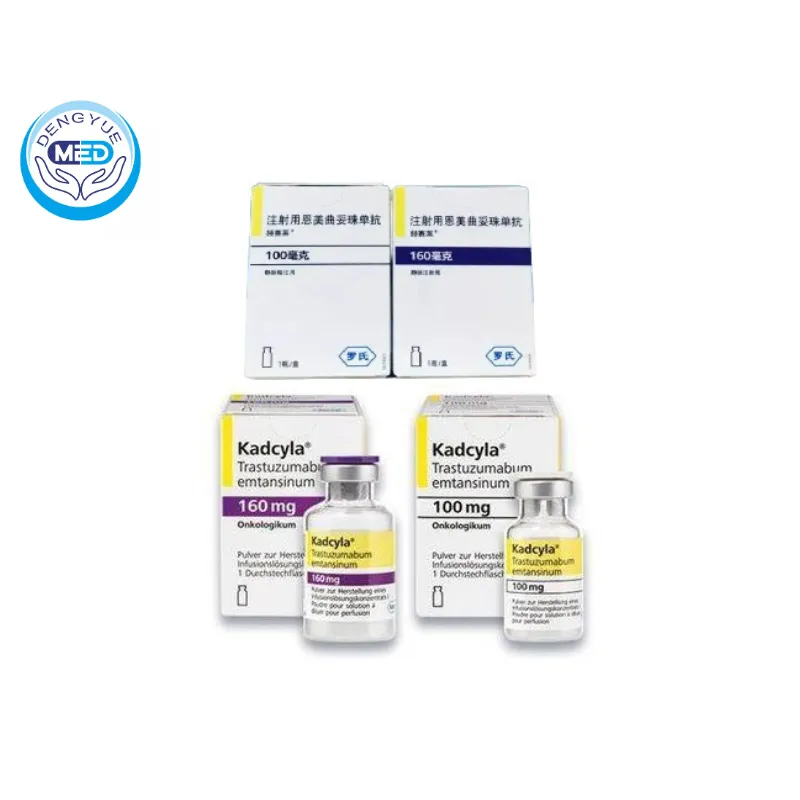
Trastuzumab emtansine (T-DM1) is an antibody-drug conjugate that combines trastuzumab (a HER2-targeted monoclonal antibody) with DM1, a potent chemotherapy agent.
Clinical studies show improved outcomes in selected advanced-stage patients.
It is primarily used in patients with HER2-positive gastric or gastroesophageal junction cancer who have progressed after prior trastuzumab-based therapy.
This drug delivers chemotherapy directly into HER2-positive cancer cells, reducing systemic toxicity while enhancing targeted cell death.
Used for HER2-positive stomach cancer. Often combined with chemotherapy in advanced cases.
2. Ramucirumab (Cyramza)
A targeted anti-angiogenesis drug, used to block blood supply to tumors. Often used in second-line treatment.
3. Pembrolizumab (Keytruda) and Nivolumab (Opdivo)
Immunotherapy drugs used in selected patients with specific biomarkers such as PD-L1 expression or MSI-high tumors.
4. Fluorouracil (5-FU) and Capecitabine (Xeloda)
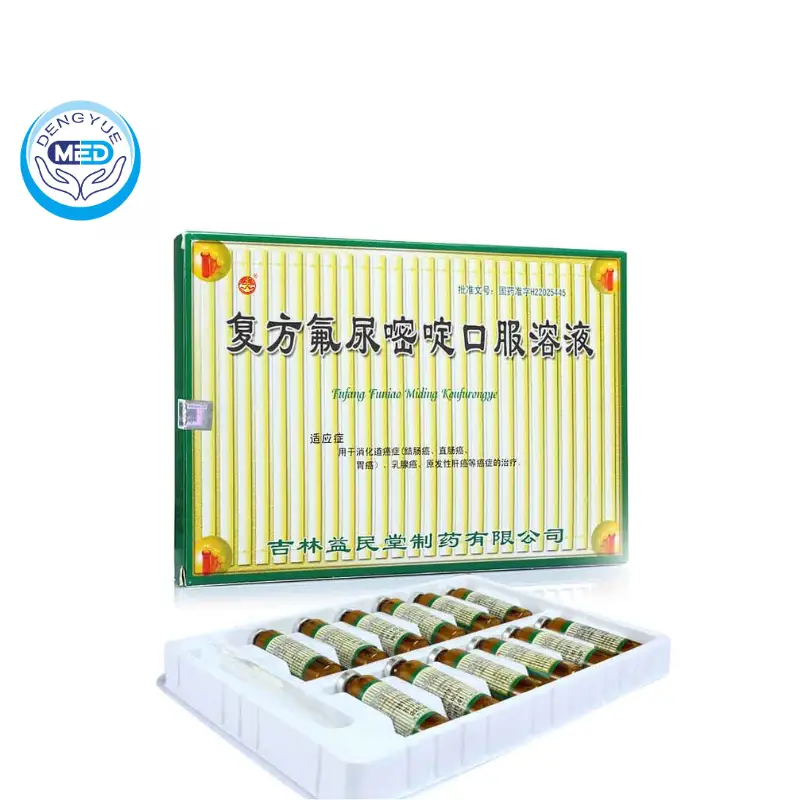
Compound Fluorouracil Oral Solution is traditional chemotherapy agents used in various combinations depending on the patient profile.
5. Zolbetuximab-Clzb For Injection
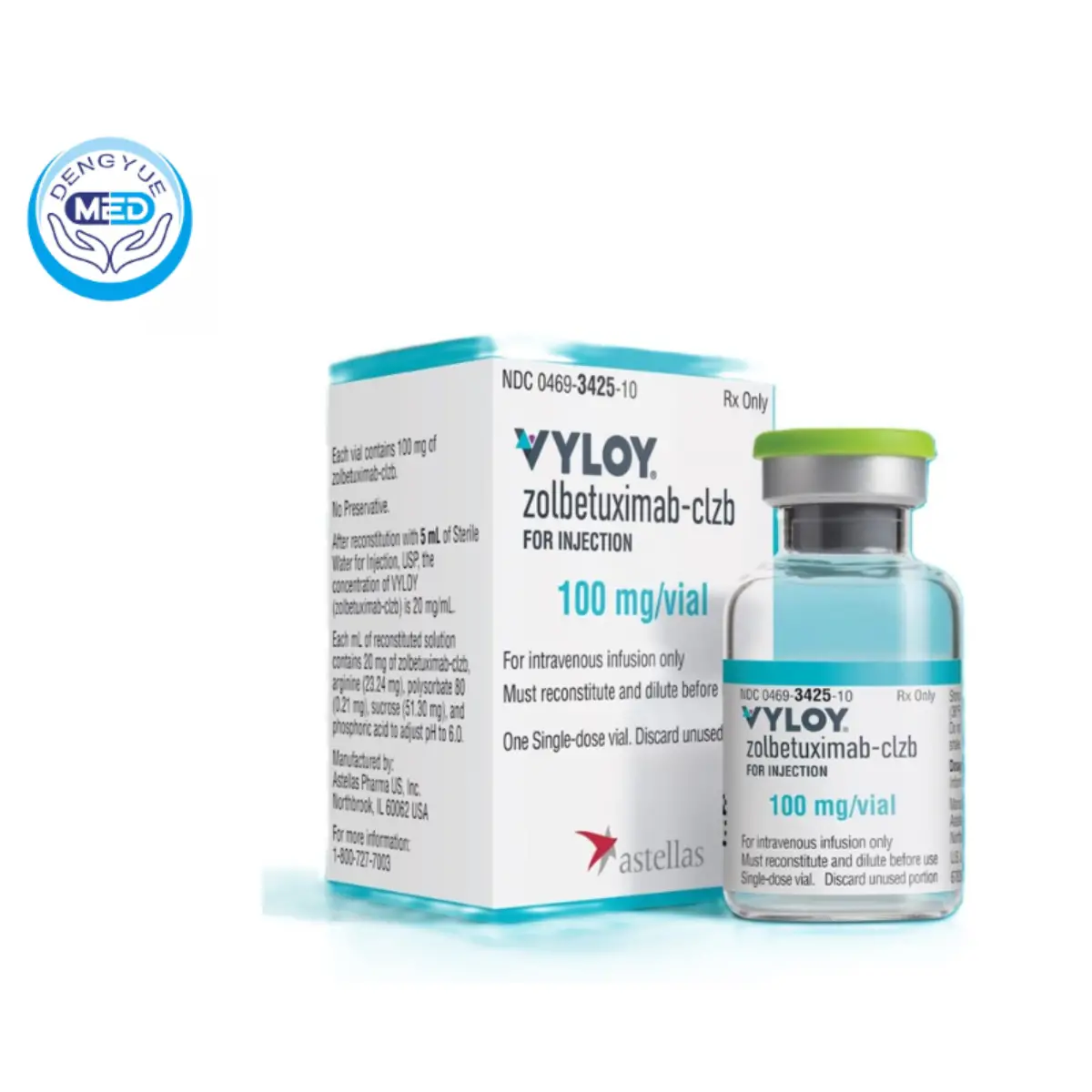
Zolbetuximab-Clzb For Injection is a monoclonal antibody approved for the treatment of CLDN18.2-positive advanced or metastatic gastric or gastroesophageal junction (GEJ) adenocarcinoma.
Used in combination with chemotherapy, it has shown significant improvement in progression-free and overall survival in clinical trials.
It works by targeting the CLDN18.2 protein, which is overexpressed in certain gastric cancer cells.
More news at Zolbetuximab news.
6. Tegafur Gimeracil and Oteracil Potassium Capsules
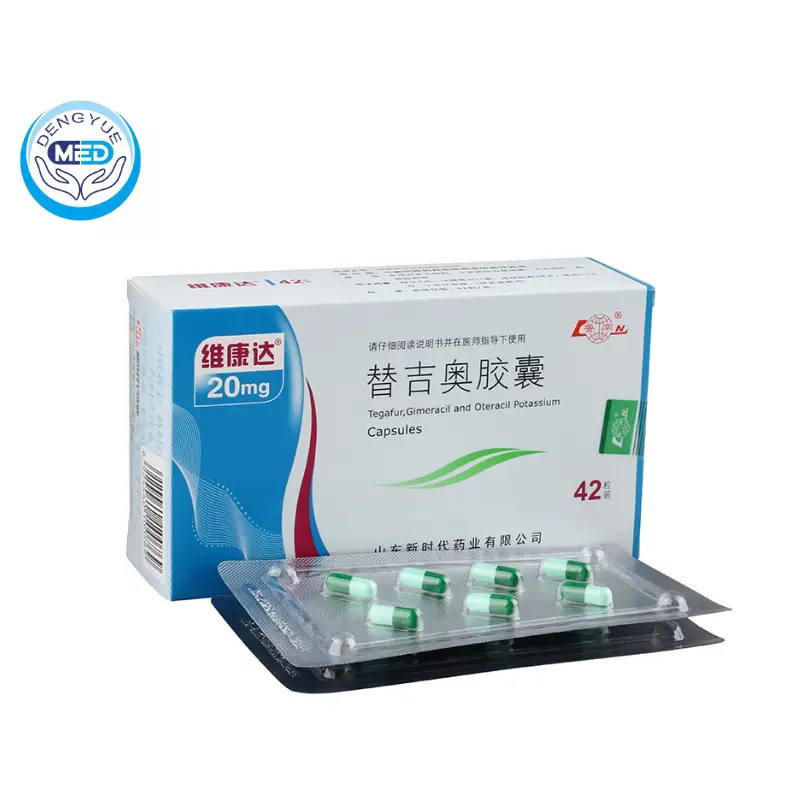
Tegafur Gimeracil and Oteracil Potassium Capsules is also known by the combination name S-1, this oral anticancer drug combines three components:
Oteracil Potassium (which reduces gastrointestinal toxicity).
S-1 is widely used in East Asia for both adjuvant and palliative treatment of gastric cancer, often as monotherapy or in combination with cisplatin or oxaliplatin.
These therapies, along with newer clinical trial options, are making treatment more effective—even for advanced cases.
Dengyuemed shared the latest stomach cancer treat to help patients discuss these drugs with their oncologists for individualized care.
Final Thoughts: Take Early Symptoms Seriously
f you’re reading this because you searched
“How would you know if you had stomach cancer”
you already have a reason to trust your instincts.
Persistent symptoms deserve answers. Early testing saves lives.
The message is clear:
- Persistent digestive discomfort should not be ignored.
- Early testing provides the best chance for effective treatment.
- Even vague symptoms—especially if they last more than two weeks—warrant medical attention.
The most consistent conclusion is this: early awareness can save lives.
FAQ About How I Knew I Had Stomach Cancer
What was your first symptom of stomach cancer?
Stomach cancer can show up through a variety of symptoms, including difficulty swallowing, bloating after meals, feeling full quickly even after eating a small amount, persistent heartburn or indigestion, nausea, stomach discomfort, unexplained weight loss, and occasional vomiting.
How bad is stomach cancer?
Stomach cancer can be life-threatening if not detected early. When caught in its early stages, it is often curable.
Unfortunately, it’s usually diagnosed only after it has spread to lymph nodes or distant organs.
At an advanced stage, the 5-year survival rate drops to just 1 in 5 people.
Can you still eat with stomach cancer?
People with stomach cancer often experience difficulty eating and digesting food.
These issues may result from the removal of all or part of the stomach, or from damage to glands that produce essential digestive juices.
Where is the first place stomach cancer spreads?
The stomach’s blood drains through the liver, the body’s largest filter. That’s why stomach cancer often spreads first to the liver and nearby lymph nodes.