How Everolimus Works: Precision Targeting of Tumor Growth Pathways
For many patients with advanced renal cell carcinoma, breast cancer, or neuroendocrine tumors, targeted therapy represents a critical source of hope—helping to extend survival and control disease progression.
💰 Yet before that hope can be realized, a harsh reality often stands in the way: many internationally recognized targeted therapies, despite their proven clinical benefits, come with high costs and limited reimbursement coverage, leaving numerous families forced to watch from the sidelines.
Everolimus is one such globally established “star” targeted therapy.As a potent mTOR inhibitor, it has demonstrated significant efficacy across multiple malignancies.
💊 Understanding how everolimus works—by selectively inhibiting the mTOR signaling pathway that drives tumor cell growth, proliferation, and angiogenesis—helps explain its central role in modern oncology.
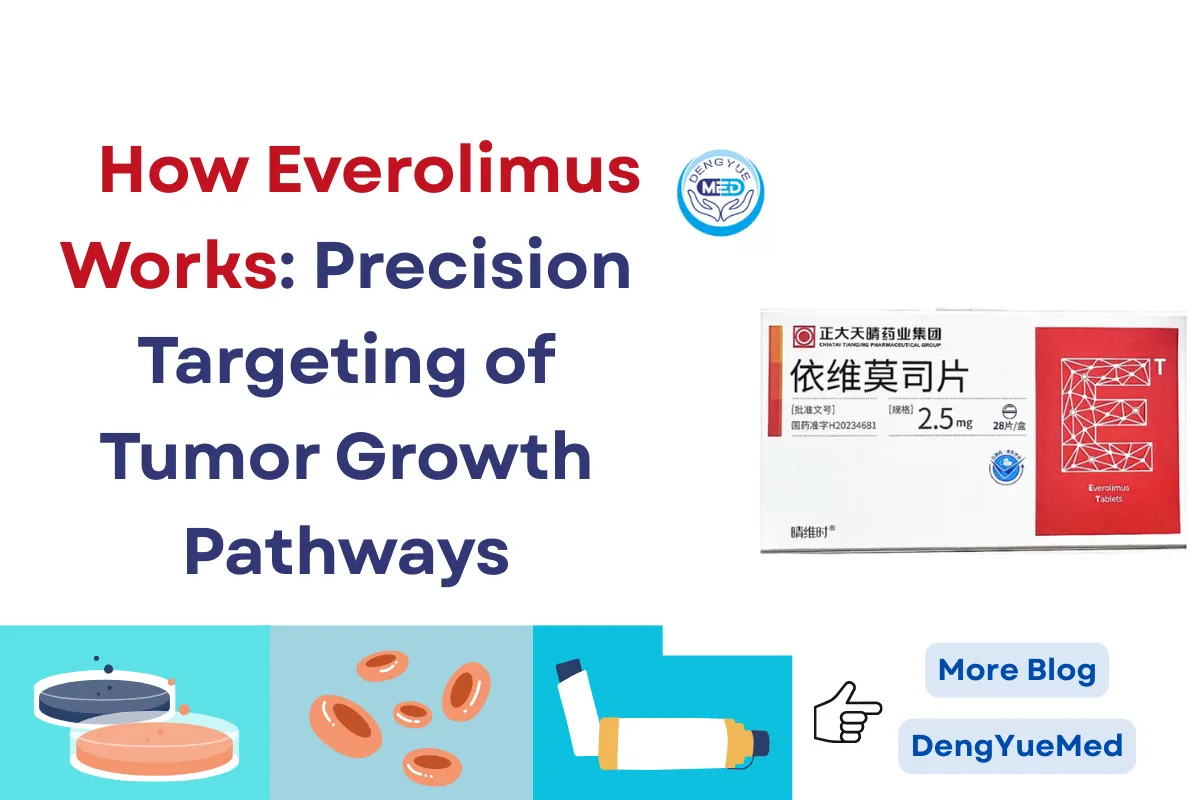
Today, an encouraging breakthrough has arrived. A high-quality domestic formulation of this important drug, Qingweishi® (everolimus tablets), developed by Chia Tai-Tianqing Pharmaceutical Holdings Co., Ltd., received official approval in early 2024.
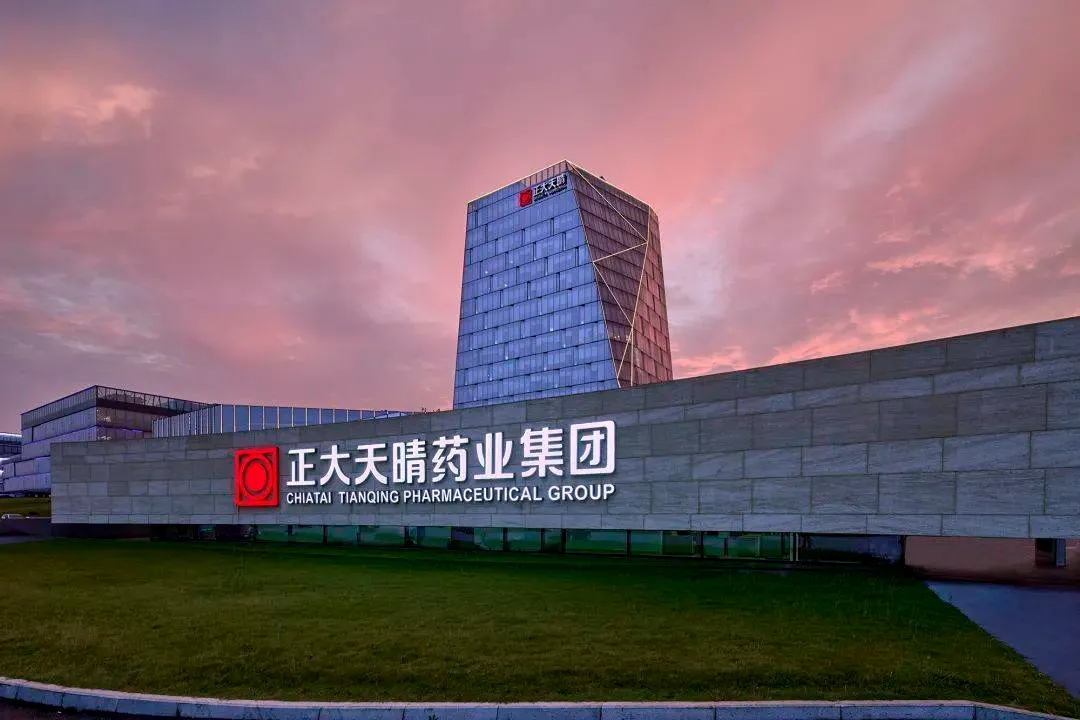
As highlighted by Hong Kong DengYue Medicine’s sustained monitoring and in-depth analysis, the introduction of this therapy represents more than clinical efficacy—it marks a meaningful step toward broader patient access.
Core Interpretation—How Does ‘Qing Weishi’ Precisely Target Cancer Cells?
To truly appreciate the value of everolimus, one must first understand how everolimus works. This begins with a key cellular signaling pathway—the mTOR pathway.
The mTOR pathway can be imagined as the cancer cell’s internal “growth command center” and “nutrient distribution headquarters.”
Under normal conditions, it receives external signals and carefully regulates cell growth, metabolism, and autophagy. However, in many cancers, genetic mutations and other abnormalities lock this pathway in a permanently activated state.
The command center then continuously issues aggressive orders: “Grow faster!” “Divide rapidly!” “Build new blood vessels to supply more nutrients!”
✨ This persistent signaling is one of the fundamental driving forces behind uncontrolled tumor proliferation, survival, and metastasis.
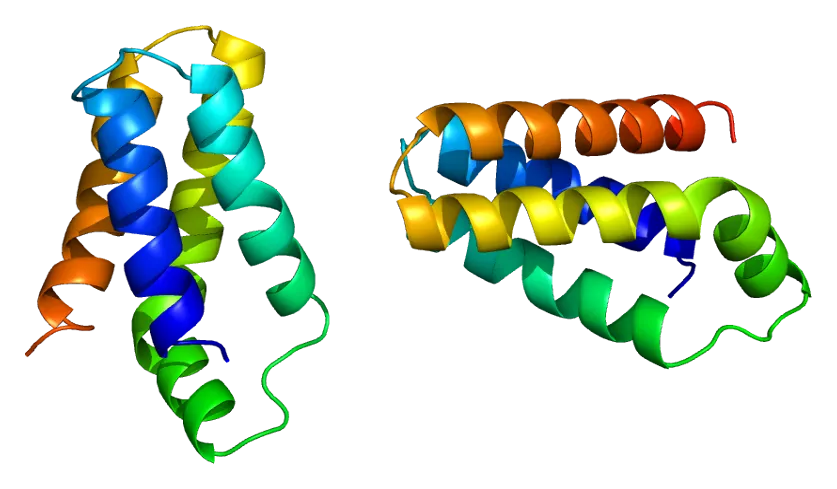
Everolimus acts as a highly precise “signal-disruption specialist.” Its everolimus mechanism of action exemplifies the sophistication of modern targeted therapy:
- Precise Recognition and Binding
👉 After entering the cell, everolimus does not act indiscriminately. Instead, it selectively recognizes and tightly binds to an intracellular protein known as FKBP-12.
- Formation of an Inhibitory Complex
👉 Everolimus and FKBP-12 form a stable drug–protein complex. Structurally, this complex is uniquely suited to block the key active site of mTOR kinase—the “core engine” of the growth command center.
- Blocking Signal Transmission
👉 This interaction effectively cuts off the power supply to mTOR, rendering it inactive. As a result, downstream signaling molecules responsible for executing growth and angiogenesis commands—such as S6K1 and 4E-BP1—fail to activate. The entire pro-cancer signaling cascade subsequently collapses.
- Achieving Multiple Anti-Tumor Effects
👉 Through this central mechanism, everolimus tablets can simultaneously deliver several anti-cancer effects:
- Inhibition of tumor cell proliferation: cancer cells are arrested in the cell cycle and prevented from dividing.
- Suppression of tumor angiogenesis: the tumor’s blood supply is disrupted, limiting growth and metastatic potential.
- Induction of cancer cell apoptosis: in certain contexts, programmed cell death pathways may be reactivated.
From Laboratory Science to the Pill Bottle: A Foundation of Equivalent Quality
The ability of Qingweishi® to deliver such precise molecular intervention is not based on mechanism alone, but also on a robust foundation of pharmaceutical quality.
As the first generic approved by China’s National Medical Products Administration (NMPA), Qingweishi® underwent comprehensive pharmaceutical studies and pivotal bioequivalence trials.
These evaluations confirm that Qingweishi® meets the same high standards as the reference product in terms of active ingredient, purity, and formulation process.
More importantly, bioequivalence data demonstrate that its absorption rate and extent (pharmacokinetic parameters) in healthy individuals are highly consistent with those of the original drug.
This is the most critical scientific basis for predicting comparable efficacy and safety in patients—ensuring that the precise mTOR signal-blocking mechanism functions reliably in real-world clinical use.
In summary, the anti-cancer strategy of Everolimus is not one of indiscriminate attack but rather precise molecular intervention targeting the mTOR pathway at multiple levels to suppress the biological foundations of tumor survival.
✨ Its status as a high-quality domestic formulation ensures that this advanced therapeutic strategy can be delivered in a more accessible and sustainable manner—bringing scientifically validated targeted therapy within reach of more patients in China.
Key Advantages—The Three Distinct Strengths of ‘Qing Weishi’
Having understood how everolimus works at the molecular level, it is essential to examine what makes ‘Qing Weishi’ a potential game-changer in clinical practice. Its value is best captured through three distinct and interconnected advantages:
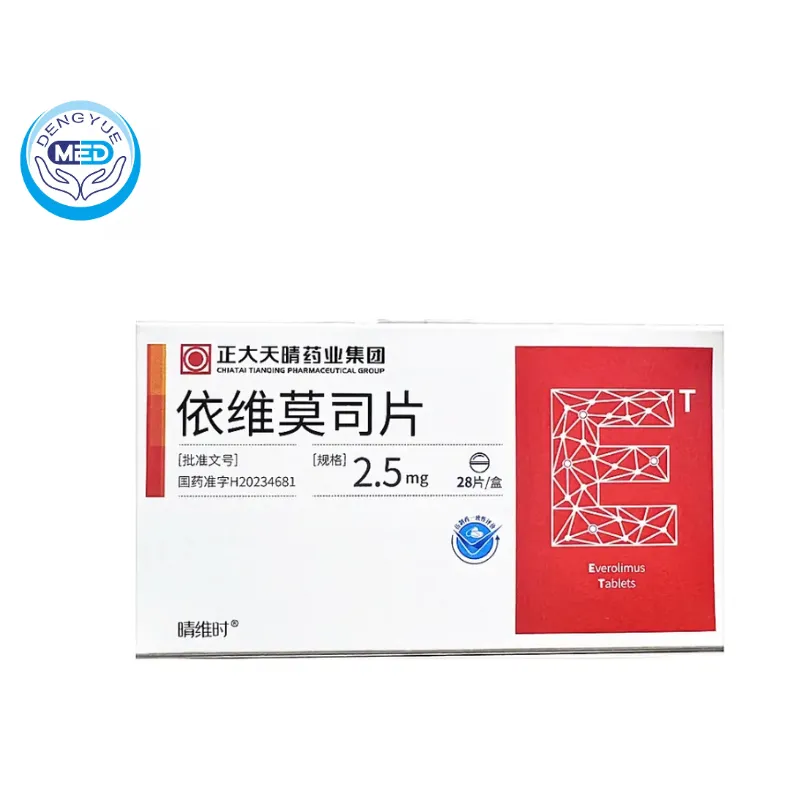
Advantage 1: A Landmark “First Generic” with 12-Month Market Exclusivity
The approval of ‘Qing Weishi’ represents far more than a simple generic market entry.
✅ It is the first drug approved in China under the “Drug Patent Linkage System” with the dual status of “First Generic Approval” and “Successful Patent Challenge.”
What does this mean? This regulatory framework is designed to encourage and protect genuine innovation and high-quality generic development.
Through robust research and development, Zhengda Tianqing successfully navigated the originator’s patent barriers, demonstrating the legitimacy and innovative nature of its product.

Consequently, it was granted 12 months of market exclusivity—during which the regulatory authority will not approve other generic versions of the same drug.
🏅 This achievement is not only a testament to Zhengda Tianqing’s R&D prowess but also a milestone in China’s journey from a “major pharmaceutical producer” to a “pharmaceutical power.” It sets a benchmark for “innovative generic” development in the industry.
Advantage 2: Significantly Improving Drug Accessibility and Reducing Patient Burden
💰 While the originator everolimus is effective, its high cost has been a significant barrier for many patients.
Public market data suggest annual treatment costs can reach tens of thousands of U.S. dollars. Even with insurance coverage, out-of-pocket expenses remain substantial for many.
The launch of ‘Qing Weishi’ is poised to disrupt this price barrier.The entry of high-quality domestic generic everolimus tablets is expected to drive down prices through market competition.
Furthermore, as the first generic, its pathway to inclusion in the National Reimbursement Drug List (NRDL) negotiations is clearer, significantly enhancing the possibility of broader insurance coverage and patient access in the future.
✅ The core value lies in transforming a scientifically validated treatment from a theoretical option to a practical, affordable one, thereby substantially alleviating the financial and psychological burden on patients and their families
This improved accessibility is a direct benefit for patients considering what is everolimus used for in their treatment journey.
Advantage 3: Broad Spectrum of Indications for Multiple Challenging Cancers
‘Qing Weishi’ is not limited to a single cancer type. Its six approved indications address several areas of high unmet medical need, clearly defining what everolimus is used for:
- Advanced Renal Cell Carcinoma: For adult patients after failure of prior targeted therapies (e.g., sunitinib or sorafenib).
- Advanced Pancreatic Neuroendocrine Tumors: For adult patients with unresectable, locally advanced, or metastatic disease.
- Advanced Gastrointestinal or Lung-Origin Neuroendocrine Tumors: Provides an important option for these relatively rare yet difficult-to-treat tumors.
- Tuberous Sclerosis Complex (TSC)-associated Subependymal Giant Cell Astrocytoma: For adult and pediatric patients not requiring immediate surgery, offering clinical benefit through tumor volume reduction.
- TSC-associated Renal Angiomyolipoma: For adult patients not requiring immediate surgery.
- HR+/HER2- Advanced Breast Cancer: This is one of its core indications. Used in combination with exemestane for postmenopausal women after failure of letrozole or anastrozole. Its efficacy is supported by robust evidence:
- The pivotal global BOLERO-2 study showed this regimen significantly extended median progression-free survival from 3.2 to 7.8 months, reducing the risk of disease progression by 55%.
- The Chinese bridging study BOLERO-5 confirmed its effectiveness in the Chinese population, extending median PFS from 2.0 to 7.4 months.
This broad range of indications means ‘Qing Weishi’ brings new therapeutic hope to multiple patient groups. When considering what is everolimus used for, this versatility is a key part of its clinical profile.
As a first generic, QingWeiShi combines assured quality and compliance with greater affordability and broad indication coverage, highlighting meaningful progress in China’s high-end generic pharmaceutical sector.
Outlook and Action Guide
In summary, Qingweishi® (everolimus tablets by Chia Tai Tianqing), as a China-developed anti-cancer option offering equivalent efficacy with a lower treatment burden, marks a solid step forward in improving access to therapies for major diseases in China and brings renewed hope to many patients.
While this progress is encouraging, it is still important to approach it with scientific rigor and to pay close attention to the following two points:
1️⃣ Proactive Safety Management
DengYue‘s long-term tracking has found that any targeted therapy requires balancing efficacy with safety.
Any potent therapy is a double-edged sword.
While everolimus delivers precise anti-tumor effects, it may also be associated with adverse events that require careful attention, including stomatitis, non-infectious pneumonitis, and metabolic abnormalities such as hyperglycemia and hyperlipidemia.
Notably, it highlights that a simple measure like the prophylactic use of dexamethasone mouthwash can reduce the incidence of severe stomatitis by over 90%.
This underscores the critical importance of proactive management under a doctor’s guidance for treatment success, a key consideration when understanding how everolimus works in a real-world setting.
2️⃣ Individualized Treatment
Cancer treatment is never a “one-size-fits-all” approach. Each patient differs in disease status, physical condition, and treatment response.
Strict adherence to medical guidance is therefore the cornerstone of successful therapy.
From determining the initial dose to making dose adjustments during treatment and managing adverse effects, all decisions must be carefully tailored by the treating physician.
❗ Patients should never self-purchase medication, alter dosages, or discontinue treatment without medical supervision.
An Action Guide for Readers
If you or a family member are currently facing treatment decisions related to these conditions, we recommend taking the following practical steps:
- Engage in proactive doctor–patient communication
At your next follow-up visit, consider asking your treating physician specific questions such as:
❓ “Based on my current condition and stage of treatment, could Qingweishi® be an appropriate option for me? Is this medication available at our hospital?”
- Stay informed about reimbursement policies
👉 Follow updates from the official website of the National Healthcare Security Administration (NHSA) or other authoritative medical information platforms to track developments related to the 2025 National Reimbursement Drug List (NRDL) and understand the progress of this medication’s inclusion.
As a global pharmaceutical supplier, Dengyue observes that we are currently at a pivotal moment where technological innovation, policy optimization, and corporate responsibility are converging.
We are witnessing the emergence of a new era driven jointly by scientific advancement, supportive healthcare policies, and responsible industry participation.
The launch of Everolimus(Qingweishi®) stands as a clear signal within this convergence. It represents not merely the introduction of a new medicine, but the beginning of a new phase in which Chinese patients can derive tangible benefits from pharmaceutical innovation.
This collective momentum—powered by multiple stakeholders—now illuminates a future of cancer care that is more equitable, more accessible, and filled with renewed hope.
FAQ about How Everolimus Works
What is the mechanism of action of everolimus?
Everolimus is a mTOR inhibitor that binds with high affinity to the FK506 binding protein-12 (FKBP-12), thereby forming a drug complex that inhibits the activation of mTOR.
What is the drug everolimus used for?
Everolimus is used to treat advanced (late-stage) cancers or noncancerous tumors, such as kidney and breast cancer and so on.
Is everolimus considered chemotherapy?
Yes, it is a type of chemotherapy that prevents cancer cells from multiplying and restricts their growth.
How toxic is everolimus?
Most common toxicities associated with everolimus therapy include stomatitis, rash, fatigue, diarrhea, infections.