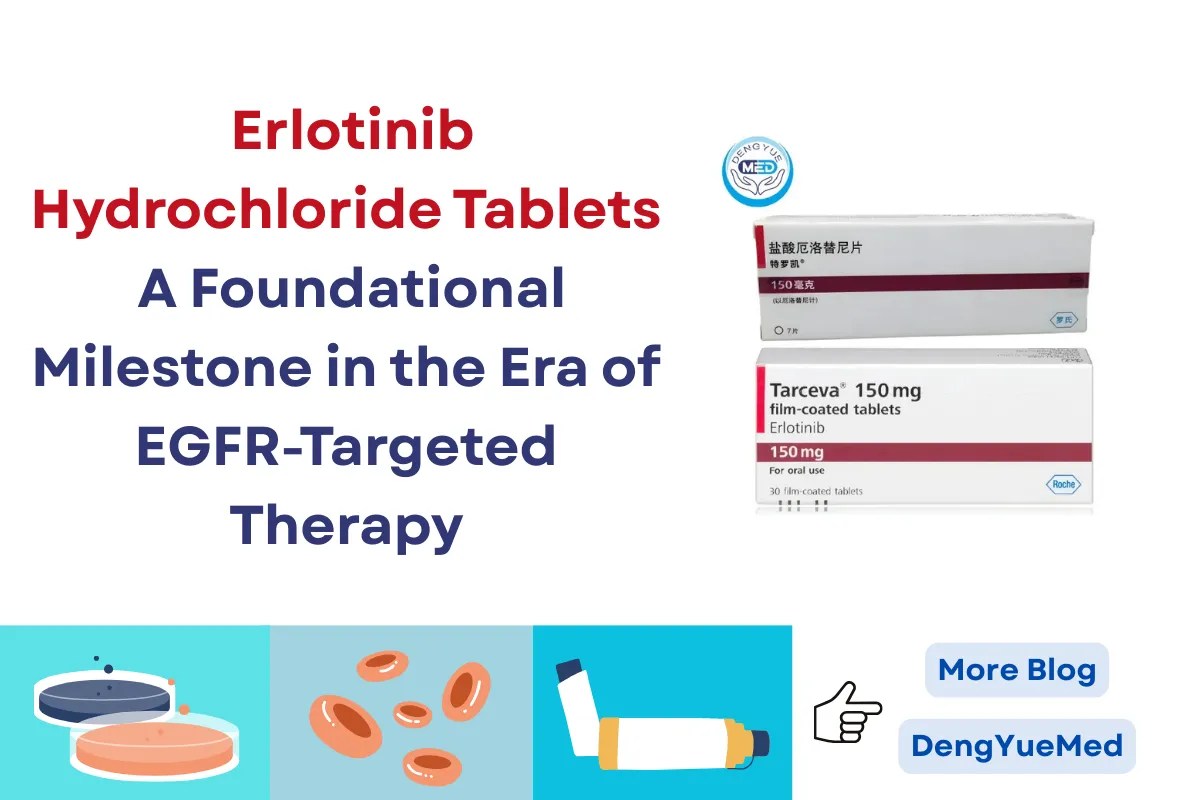
Erlotinib Hydrochloride Tablets: A Foundational Milestone in the Era of EGFR-Targeted Therapy
In the fast-evolving landscape of lung cancer treatment, targeted therapies have reshaped the meaning of “precision medicine.”
But long before today’s new-generation drugs took center stage, several pioneering therapies laid the foundation for modern targeted oncology.
✨ Among them, one classic still stands out—Erlotinib Hydrochloride Tablets.
This medication not only shifted treatment paradigms but also provided patients with EGFR-driven non-small cell lung cancer (NSCLC) a meaningful and accessible treatment option worldwide.
From Conventional Treatments to Targeted Precision—Why Erlotinib Hydrochloride Tablets Mattered
For many years, lung cancer treatment was almost synonymous with chemotherapy and radiotherapy.
😫 While these approaches could suppress tumors, they often caused significant toxicity and heavily impacted patients’ daily lives.
The discovery of EGFR gene mutations marked a turning point.
Cancer treatment entered a new era where therapies were selected based on tumor biology rather than a one-size-fits-all approach.
It was in this transformative period that Erlotinib Hydrochloride Tablets emerged as one of the first therapies to precisely block the EGFR signaling pathway and inhibit tumor growth.
✨ Since approval, Erlotinib Hydrochloride Tablets have been widely adopted across multiple countries, offering a convenient, well-characterized, and mechanism-driven option for patients with EGFR-related NSCLC.
Why NSCLC Requires More Precise Treatment Options
Non-small cell lung cancer accounts for 80–85% of all lung cancers, making it the most predominant lung cancer type globally. It also remains one of the leading causes of cancer-related deaths worldwide.
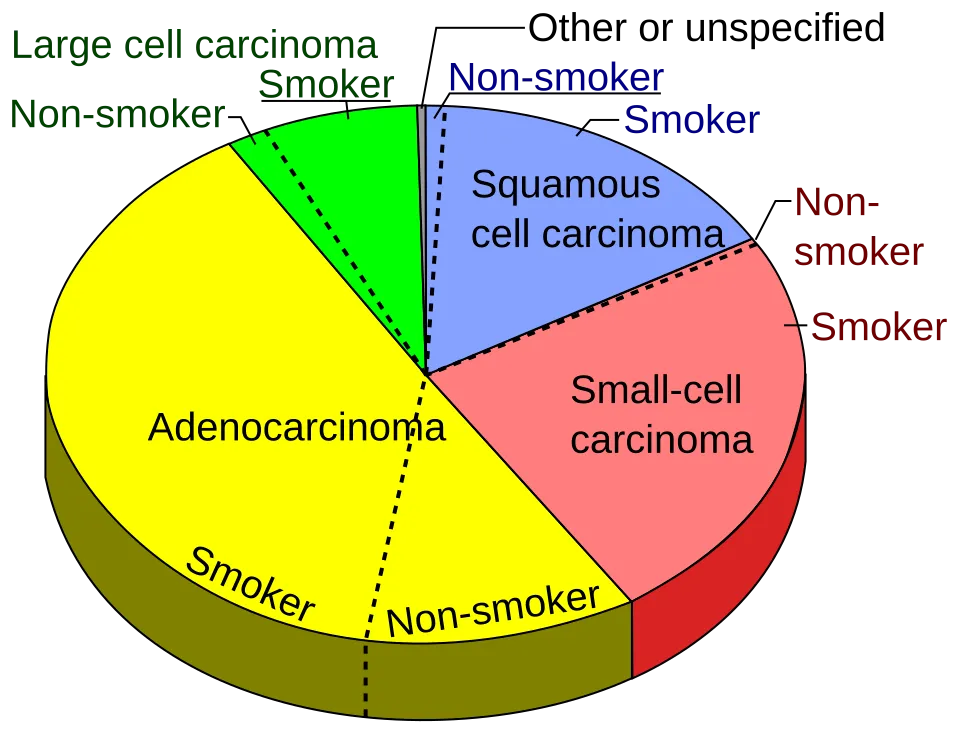
Notably, EGFR-sensitive mutations occur at significantly higher rates in Asian populations than in Western populations, increasing the global demand for effective EGFR-targeted drugs like Erlotinib Hydrochloride Tablets.
A Heavy Global Burden
- Millions of new NSCLC diagnoses every year
- Most patients discover the disease at advanced stages
- Chemotherapy often brings substantial side effects
- Significant impact on families, productivity, and healthcare systems
In such a landscape, a treatment that is:
✔ Mechanism-driven
✔ More tolerable
✔ Orally administered
✔ Suitable for long-term use
naturally becomes a valuable option for clinicians and patients.
A Precise Mechanism: Turning Off the Tumor’s “Growth Switch”
The power of Erlotinib Hydrochloride Tablets lies in their selectivity.
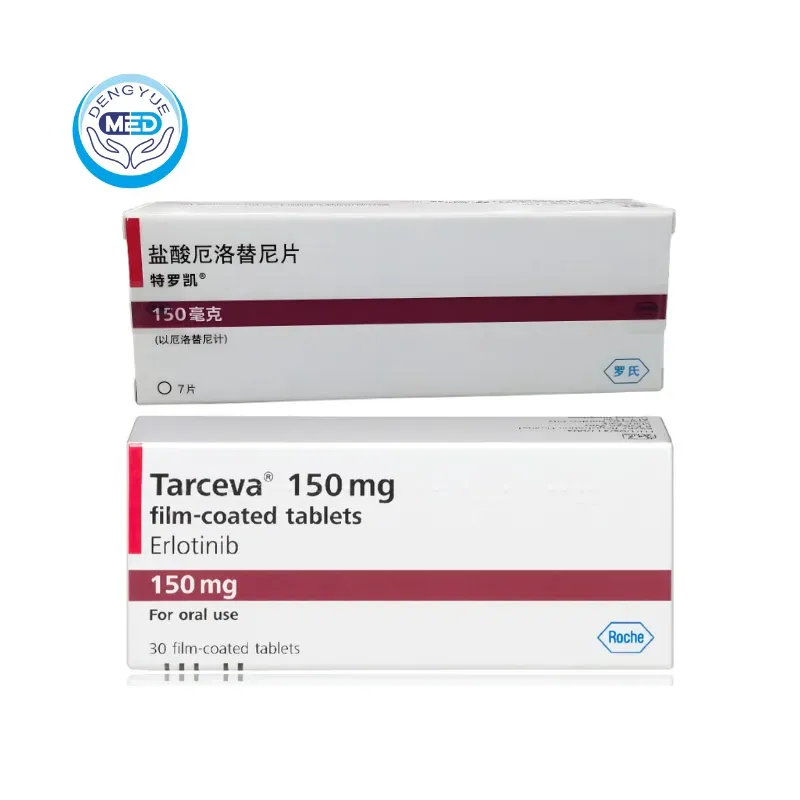
The drug inhibits EGFR tyrosine kinase activity—a key driver of tumor proliferation in EGFR-mutated NSCLC.
EGFR functions as a “growth switch” on cancer cells. When constantly activated, it accelerates cell division.
Erlotinib Hydrochloride Tablets block this signal, preventing tumor cells from continuing to grow.
This makes the therapy a hallmark of true precision oncology.
Erlotinib Hydrochloride Tablets Remain Clinically Relevant
Even in an era with multiple generations of EGFR-TKIs available, Erlotinib Hydrochloride Tablets continue to maintain strong global demand. The reasons include:
1. Convenient Oral Administration
A once-daily oral dose supports long-term, non-invasive treatment.
2. Manageable and Predictable Safety Profile
Common side effects like rash and diarrhea are generally controllable and significantly milder compared with cytotoxic chemotherapy.
3. Extensive Clinical Experience
As one of the earliest EGFR-TKIs, it is supported by decades of clinical data and real-world evidence, giving it a well-established safety and usage profile.
4. High Accessibility in Resource-Limited Settings
Stable supply chains and cost advantages make Erlotinib Hydrochloride Tablets a widely accessible precision therapy.
Comparative Value of Erlotinib vs. Other EGFR-TKIs
🔎 With the development of second-generation EGFR-TKIs (such as Afatinib) and third-generation agents (such as Osimertinib), differences in efficacy, safety, and economic accessibility have become increasingly apparent.
The following section summarizes key findings from multiple real-world studies and clinical data.
1. Efficacy Comparison: PFS and OS
Real-World Data in Elderly EGFR-Mutant NSCLC Patients (Taiwan)
- Erlotinib: PFS 10.8 months, OS 18.5 months
- Afatinib: PFS 14.7 months, OS 22.2 months
Vietnam Real-World Multidrug TKI Comparison Study
- Osimertinib: PFS 25.3 months
- Afatinib: 18.4 months
- Erlotinib: 13.4 months
- Gefitinib: 12.2 months
➡️ Conclusion:
Erlotinib demonstrates stable and reliable efficacy—superior to Gefitinib, but lower than Osimertinib and certain second-generation agents like Afatinib.
2. Clear Resistance Pathway: The Importance of T790M
Most patients who develop acquired resistance to Erlotinib exhibit the T790M mutation (approximately 50–60%).
This makes them eligible for Osimertinib as a recommended second-line therapy—an internationally recognized and widely adopted treatment sequence.
➡️ Value Insight:
Starting with Erlotinib helps establish a well-defined and clinically validated first-line → second-line treatment pathway.
3. Safety Profile Comparison
- Erlotinib: Rash and diarrhea are common but generally manageable; fewer severe adverse events.
- Afatinib: Higher rates of dermatological and gastrointestinal toxicities.
- Osimertinib: Best overall tolerability, but significantly higher cost.
➡️ Conclusion:
Erlotinib offers strong advantages in terms of safety, tolerability, and clinical manageability.
Market Application and Value: A Mature Targeted Therapy with Ongoing Impact
While not the newest drug in its class, Erlotinib Hydrochloride Tablets remain one of the most widely used EGFR-TKIs worldwide. Their market value is reflected in several ways:
1. High Demand in Regions with Elevated EGFR Mutation Rates
Especially in Asia, Erlotinib continues to be a primary targeted therapy choice.
2. Stable Manufacturing and Quality Systems
Its mature production technologies ensure consistent quality and reliable availability.
3. Broad Clinical Coverage and Longstanding Experience
Erlotinib Hydrochloride Tablets maintain a solid presence in clinical guidelines, hospital formularies, and oncology supply chains.
4. Long Market Lifecycle as a Proven Therapy
即使精准医疗不断发展,厄洛替尼仍然是全球治疗策略的重要组成部分。
A Classic Foundation in Precision Oncology
Erlotinib Hydrochloride Tablets are more than just one of the first globally adopted EGFR-targeted therapies—they represent a milestone in cancer precision medicine.
They helped shift NSCLC treatment from generalized chemotherapy toward biomarker-driven targeted therapy.
💊 With a clear mechanism, established safety profile, extensive clinical evidence, and strong accessibility, Erlotinib continues to play a stabilizing role in modern EGFR-targeted treatment frameworks.
As precision oncology evolves, Erlotinib Hydrochloride Tablets remain not only a historic cornerstone but also a dependable component of many current treatment pathways.
👉 At the same time, as a global supplier specializing in oncology drugs, DengYue Medicine continues to follow global NSCLC treatment advancements and research trends, bringing timely medical insights to readers and professionals worldwide.
FAQ about Erlotinib Hydrochloride Tablets
What is erlotinib hydrochloride?
A drug used alone to treat certain types of non-small cell lung cancer and with gemcitabine hydrochloride to treat certain types of pancreatic cancer.
t is also being studied in the treatment of other types of cancer.
How effective is erlotinib for cancer treatment?
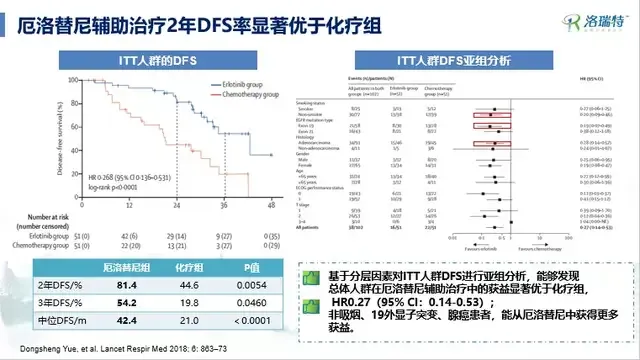
The erlotinib arm experienced a statistically significant 30% reduction in the relative risk of death compared with those receiving placebo (hazard ratio [HR] = 0.70; P < 0.001).
How long can you take erlotinib?
You continue taking erlotinib for as long as it is still working and the side effects aren’t too bad.
What is the most common side effect of erlotinib?
1. Burning, tingling, numbness, or pain in the hands, arms, feet, or legs.
2. Cough or hoarseness.
3. Diarrhea (severe)
4. Difficult or labored breathing.
5. Fever or chills.
6. Lower back or side pain.