
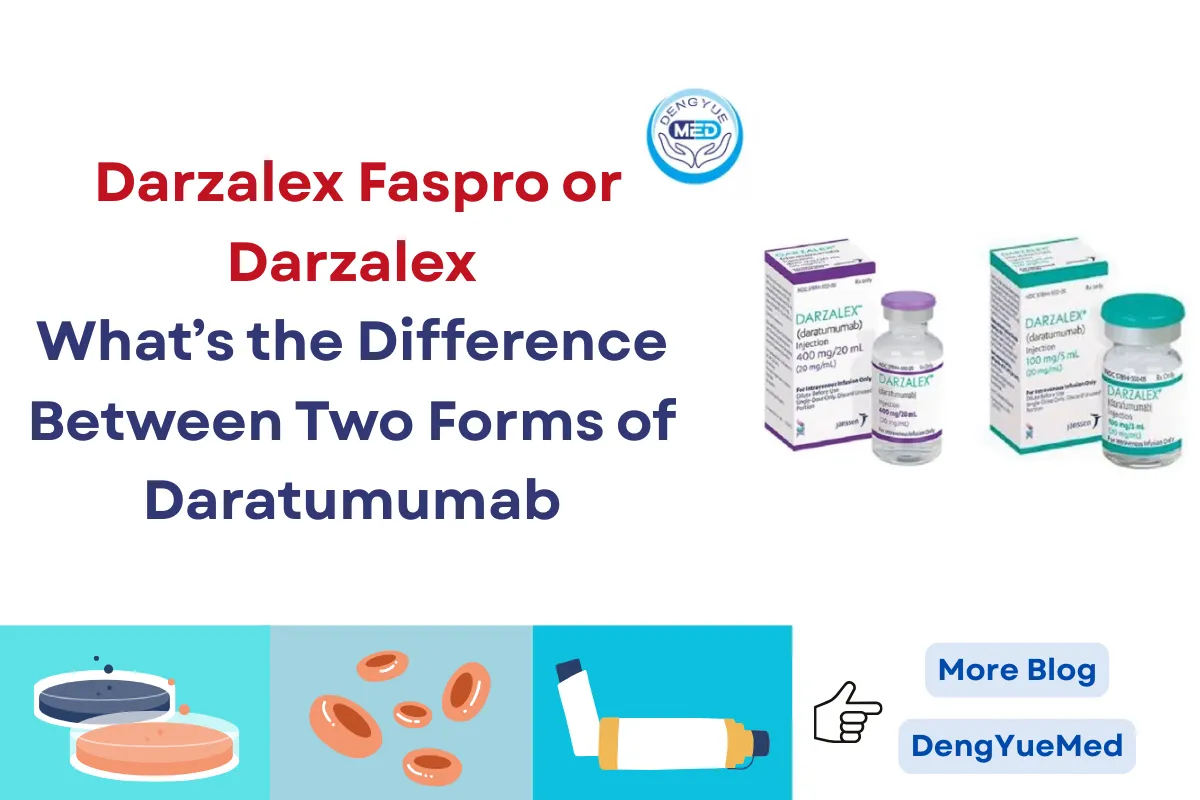
Darzalex Faspro or Darzalex: What’s the Difference Between Two Forms of Daratumumab
Multiple myeloma is a chronic and often relapsing hematologic malignancy that requires long-term, repeated treatment. Over the past decade, therapeutic advances—particularly the introduction of monoclonal antibodies—have significantly improved patient outcomes.
✨ Among these, Daratumumab has become a cornerstone therapy across multiple lines of treatment, widely known in clinical practice as Darzalex and Darzalex Faspro.
The choice between Darzalex Faspro or Darzalex lies in subcutaneous versus intravenous administration, not in the active antibody.
At DengYue Medicine, we aim to provide clear, evidence-based insights into these differences to support informed clinical decision-making. Understanding how IV and SC administration compare is essential for optimizing treatment delivery, patient experience, and healthcare efficiency.
Daratumumab Injection: An Overview of Its Mechanism of Action
Daratumumab injection is an antibody-based therapy developed for the treatment of multiple myeloma.
As a fully human monoclonal antibody, it specifically targets CD38, a transmembrane glycoprotein that is highly expressed on malignant plasma cells. Through precise molecular targeting, daratumumab injection has become an essential component of modern multiple myeloma treatment strategies.
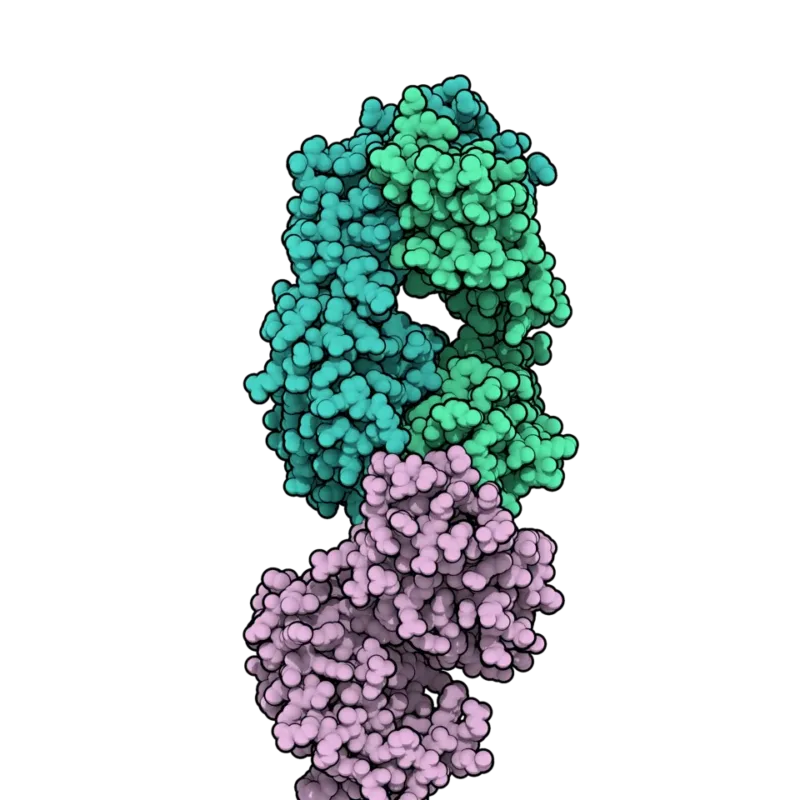
Available in both intravenous and subcutaneous formulations, daratumumab injection is designed to deliver consistent therapeutic activity while allowing flexibility in clinical administration.
👉 Understanding its pharmacological basis is key to appreciating its broad clinical application.
Mechanism of Action
Daratumumab exerts its anti-myeloma effects by binding to CD38 on the surface of tumor cells and activating multiple complementary mechanisms.
One primary pathway involves immune-mediated cytotoxicity, including antibody-dependent cell-mediated cytotoxicity (ADCC), complement-dependent cytotoxicity (CDC), and antibody-dependent cellular phagocytosis (ADCP).
These processes recruit immune effector cells to recognize and eliminate malignant plasma cells.
In addition to immune-mediated mechanisms, daratumumab can directly induce apoptosis of myeloma cells through cross-linking–dependent signaling.
The antibody also demonstrates important immunomodulatory effects, reducing populations of CD38-expressing immunosuppressive cells and enhancing anti-tumor immune responses.
Crucially, these mechanisms are inherent to the daratumumab molecule itself and remain unchanged across different formulations and routes of administration, forming the pharmacological foundation for both intravenous and subcutaneous daratumumab injection.
Clinical Indications and Real-World Use of Daratumumab
These pharmacological properties have translated into meaningful clinical outcomes, supporting the use of daratumumab throughout the multiple myeloma disease course.
Daratumumab is approved for the treatment of multiple myeloma across a broad range of clinical settings. It is indicated for use in both newly diagnosed multiple myeloma (NDMM) and relapsed or refractory multiple myeloma (RRMM), highlighting its applicability throughout the disease course.
Depending on the treatment setting, daratumumab may be used as monotherapy or in combination with established agents such as immunomodulatory drugs, proteasome inhibitors, and corticosteroids.
🔬 Clinical studies have consistently demonstrated the therapeutic benefit of daratumumab-containing regimens.
In both frontline and relapsed settings, the addition of daratumumab has been associated with substantially higher overall response rates (ORR) compared with backbone therapies alone, with response rates in combination regimens commonly exceeding 80–90% in newly diagnosed patients.
Importantly, daratumumab-based combinations have also shown deeper responses, including higher rates of very good partial response and complete response.
Beyond response rates, daratumumab has demonstrated a significant impact on progression-free survival (PFS).
Across multiple clinical trials in relapsed or refractory disease, daratumumab-containing regimens have reduced the risk of disease progression or death by approximately 50–60% compared with standard therapies, reflecting a durable and clinically meaningful benefit across different lines of treatment.
Owing to this robust clinical evidence, daratumumab has been incorporated into multiple international treatment guidelines as a key component of standard-of-care regimens for multiple myeloma.
With its efficacy and clinical value firmly established, attention has increasingly shifted from whether the drug works to how it is delivered in real-world clinical practice, paving the way for comparisons between intravenous and subcutaneous administration.
Key Differences Between Darzalex Faspro or Darzalex—IV and SC of Daratumumab
Daratumumab is available in two administration routes: intravenous (IV) infusion and subcutaneous (SC) injection. The IV formulation requires delivery directly into the bloodstream over a controlled infusion period, typically within a dedicated infusion setting.
By contrast, the SC formulation combines daratumumab with hyaluronidase, allowing the antibody to be administered into subcutaneous tissue and absorbed efficiently.
Although both approaches deliver the same active antibody, differences in administration route lead to important variations in treatment logistics, safety profile, and patient experience.
| Aspect | Intravenous (IV) Daratumumab | Subcutaneous (SC) Daratumumab |
| Route of administration | Intravenous infusion | Subcutaneous injection |
| Administration time | Several hours (especially first doses) | Typically completed within minutes |
| Dose calculation | Weight-based dosing | Fixed-dose formulation |
| Infusion/injection-related reactions | Higher incidence, especially early | Lower overall incidence; mostly mild local reactions |
| Clinical workflow | Requires infusion setup and monitoring | Simplified administration process |
| Patient convenience | Longer clinic visits | Shorter visits, improved convenience |
👉 One of the most notable advantages of SC daratumumab is the substantial reduction in administration time, which significantly decreases the treatment burden for patients and improves throughput in clinical settings. The simplified workflow also reduces the need for prolonged monitoring, particularly during early treatment cycles.
👉 In terms of safety, SC administration has been associated with a lower rate of administration-related reactions compared with IV infusion. When reactions do occur, they are generally mild and localized, further supporting the tolerability of the SC formulation.
Despite these logistical and tolerability differences, clinical data demonstrate that the therapeutic efficacy of daratumumab is maintained regardless of administration route. Subcutaneous daratumumab has shown non-inferior efficacy to the IV formulation across key endpoints, including response rates and disease control.
This confirms that the primary distinction between IV and SC daratumumab lies not in what the drug does, but in how it is delivered.
Clinical Efficacy and Safety Outcomes of Darzalex Faspro or Darzalex
While intravenous and subcutaneous daratumumab differ in how the drug is administered, a key clinical question remains whether these differences translate into meaningful changes in treatment outcomes.
To address this, clinical trials have directly compared the efficacy and safety of IV and SC daratumumab formulations.
Comparable Efficacy Across IV and SC Administration
Clinical evidence demonstrates that subcutaneous (SC) daratumumab provides efficacy outcomes comparable to those achieved with intravenous (IV) administration. In pivotal clinical studies, including the phase III COLUMBA trial, SC daratumumab met the criteria for non-inferiority to IV daratumumab with respect to overall response rate (ORR).
In COLUMBA, the ORR was approximately 41% for SC daratumumab versus 37% for IV daratumumab in patients with relapsed or refractory multiple myeloma, with similar depth of response across treatment arms.
Key efficacy endpoints, including rates of very good partial response (VGPR) or better and progression-free survival (PFS), were also consistent between the two formulations. These findings confirm that changing the route of administration does not compromise the antitumor activity of daratumumab.
Importantly, because both formulations deliver the same monoclonal antibody targeting CD38, the pharmacodynamic effects and clinical benefits observed with daratumumab remain fundamentally unchanged, regardless of whether the drug is administered intravenously or subcutaneously.
Safety Profile and Administration-Related Reactions
While overall safety profiles are broadly similar between IV and SC daratumumab, meaningful differences emerge in terms of administration-related reactions.
Infusion-related reactions (IRRs) are a well-recognized adverse event associated with IV daratumumab, particularly during the first infusion, with reported incidence rates of approximately 35–40% in early clinical studies.
By contrast, SC daratumumab is associated with a substantially lower rate of administration-related reactions.
In the COLUMBA trial, injection-related reactions occurred in approximately 13% of patients receiving SC daratumumab, and these events were predominantly mild to moderate in severity. Most reactions occurred during the first administration and rarely recurred with subsequent doses.
Systemic adverse events commonly associated with daratumumab—such as hematologic toxicities and infections—were comparable between IV and SC formulations, reflecting the shared mechanism of action and systemic exposure.
Local injection-site reactions with SC administration were generally mild and transient, further supporting its favorable tolerability profile.
Clinical Interpretation and Treatment Implications
Taken together, available data indicate that IV and SC daratumumab deliver equivalent clinical efficacy, while SC administration offers improved tolerability related to drug delivery.
The reduced incidence of administration-related reactions, combined with significantly shorter administration times, has important implications for both patients and healthcare systems.
- From a clinical perspective, these findings support the use of SC daratumumab as a more convenient and patient-friendly option without sacrificing therapeutic outcomes.
- For healthcare providers, the simplified administration process may improve clinic efficiency, reduce chair time, and ease the overall treatment burden—particularly in the context of long-term or combination therapy regimens.
👉 As treatment paradigms in multiple myeloma continue to evolve, the choice between IV and SC daratumumab increasingly reflects considerations of safety, convenience, and real-world practicality, rather than differences in clinical efficacy.
Conclusion
Daratumumab has firmly established itself as a cornerstone therapy in the treatment of multiple myeloma, supported by a well-defined mechanism of action, broad indications across disease stages, and robust clinical evidence. As clinical experience has grown, the discussion around Darzalex Faspro or Darzalex has increasingly shifted from questions of efficacy to considerations of treatment delivery.
✨ In this context, choosing between Darzalex Faspro or Darzalex is not about selecting different therapeutic agents, but about determining the most appropriate delivery strategy for long-term disease management. As multiple myeloma increasingly requires ongoing and repeated treatment, optimizing how therapy is administered has become an integral part of patient-centered care.
As a global pharma partner, we are committed to providing clear, evidence-based insights into evolving treatment options and focus on bridging evidence-based treatment options with their practical implementation in real-world healthcare settings.

FAQ about Darzalex Faspro or Darzalex
Is Darzalex Faspro chemo or immunotherapy?
It is not chemotherapy. It’s a type of immunotherapy called a monoclonal antibody and is given as an injection under the skin.
What is the indication of Darzalex Faspro?
DARZALEX FASPRO® as monotherapy is indicated for the treatment of adult patients with high-risk smoldering multiple myeloma.
Does Darzalex Faspro cause hair loss?
Typically, people who take Darzalex Faspro (daratumumab) don’t report hair loss as a side effect.
What is the difference between Darzalex and Darzalex Faspro?
Darzalex Faspro is a newer formulation of Darzalex that is administered as a subcutaneous (SQ) injection.



I appreciate the focus on the patient’s experience here. It’s interesting how something as simple as the delivery method can make such a big difference in treatment outcomes, especially in a chronic condition like multiple myeloma.