China Pharmaceutical Procurement Process Guide: RFQ, Compliance, Payment & Global Delivery
With the continuous restructuring of the global healthcare supply chain, China has become one of the most important sources of international pharmaceutical procurement.
An increasing number of healthcare institutions, pharmaceutical distributors, research organizations, and medical trading companies are sourcing stable and cost-efficient pharmaceutical products through the China pharmaceutical procurement process.
However, pharmaceutical procurement is fundamentally different from general commodity trading. Its complexity comes from multiple dimensions, including regulatory compliance requirements, product qualification verification, cross-border logistics, and customs clearance procedures.
🎯 Therefore, a clear and standardized China pharmaceutical procurement process is essential to ensure procurement safety and delivery efficiency.
About China Pharmaceutical Wholesaler DengYueMed
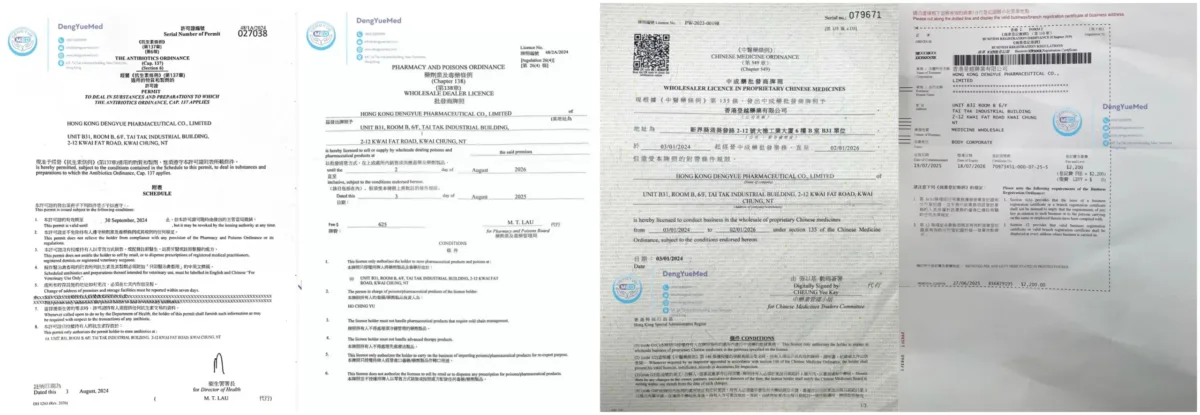
DengYueMed is a pharmaceutical import and export wholesaler and distributor licensed by the Hong Kong Department of Health.
The company specializes in innovative drugs for major chronic diseases, specialty pharmaceuticals, and prescription/non-prescription medicines within global supply chain services, while also covering both standard pharmaceuticals and cold-chain products.
With a comprehensive system covering procurement, agency services, customs clearance, logistics, and distribution, DengYueMed serves clients across multiple global markets, including healthcare institutions, pharmacies, research organizations, and pharmaceutical wholesalers.
Its business network spans Europe, the United States, Japan, Switzerland, and Southeast Asia.
The company strictly adheres to compliance-driven operations, ensuring that all processes within the China pharmaceutical procurement process comply with relevant regulatory requirements in Hong Kong and target markets.
If you wish to further understand DengYueMed’s capabilities in global pharmaceutical distribution, regulatory support, and cross-border supply chain integration, you may refer to our in-depth article: 👇
Overview of the China Pharmaceutical Procurement Process
The standard China pharmaceutical procurement process typically includes four core stages:
● RFQ submission (Request for Quotation stage)
● Compliance review and official quotation generation
● Order confirmation and payment execution
● Cross-border logistics and final delivery
This workflow covers the complete end-to-end supply chain, from initial demand to final delivery, and represents one of the most common operational models in international pharmaceutical trade.

Stage 1: RFQ Submission (Request for Quotation)
In the first step of the pharmaceutical procurement process, customers submit a Request for Quotation (RFQ) to define their requirements.
Typical information includes:
● Drug name (generic or brand name)
● Specification and dosage
● Purchase quantity
● Target country or region
● Use case (hospital procurement, distribution, clinical research, etc.)
● Expected delivery timeline
After submission, the supply chain team conducts an initial evaluation, including supply feasibility, regulatory restrictions, and potential alternative solutions.
In cases of supply limitations, alternative products or equivalent specifications may be provided as reference options to ensure procurement requirements can still be fulfilled.
Stage 2: Compliance Review & Official Quotation Generation
Compliance review is one of the most critical steps in pharmaceutical procurement.
As a compliant pharmaceutical distributor, DengYueMed conducts multi-dimensional evaluations for each order, including:
- Product regulatory compliance review, including manufacturing authorization, export licensing, and target market approval requirements.
- Quality system assessment, such as GMP compliance and availability of quality documentation.
- Transportation compliance evaluation, including whether the product requires cold-chain logistics or temperature-controlled shipping conditions.
👉 On the client side, basic qualification verification may also be required, such as procurement purpose, import authorization, and end-market regulatory requirements.
After completion of the review, a Proforma Invoice (PI) is issued, including:
● Product pricing and total amount
● Packaging specifications
● Delivery timeline
● Shipping method
● Payment terms
● Quotation validity period
The PI serves as the core reference document for subsequent order execution and payment confirmation in the China pharmaceutical procurement process.
Stage 3: Order Confirmation & Payment Execution
After the client confirms the Proforma Invoice (PI), the order enters the formal execution stage.
1️⃣ Clients are required to review all PI details, including product specifications, quantities, pricing, delivery terms, and shipping arrangements.
Once confirmed, the order enters a locked status. Further execution strictly follows the confirmed terms to ensure consistency and accuracy within the supply chain.
2️⃣ The payment stage then begins.
The most common international payment method is Telegraphic Transfer (T/T), while some long-term cooperation models support staged payments, such as partial prepayment and final balance before shipment. This structure helps reduce transaction risks and improve operational efficiency.
3️⃣ After payment confirmation, the order moves into the fulfillment stage, including procurement or allocation.
In-stock products are directly released from compliant warehouse systems, while non-stock products enter supply chain allocation or sourcing processes.
The key focus at this stage is inventory matching, batch number management, and shipment preparation to ensure smooth downstream logistics execution.
Stage 4: Cross-Border Logistics & International Delivery
After payment confirmation, the order enters the cross-border logistics stage, which is one of the most complex phases in the China pharmaceutical procurement process.
First, complete export documentation should be prepared, including:
● Commercial Invoice
● Packing List
● Quality documentation
● Transport and compliance-related documents
Depending on product characteristics, international shipping methods are arranged, including:
● Air Freight
● Cold Chain Logistics
● Temperature-Controlled Transportation (for sensitive pharmaceuticals)
🚀 Logistics models typically include:
● Airport-to-Airport
● Door-to-Airport
● Door-to-Door (available in selected countries)
Finally, the pharmaceuticals are delivered through compliant customs clearance procedures to the customer’s designated location or destination airport.
Core Advantages of the China Pharmaceutical Procurement Process (DengYueMed System)
This standardized process provides several key advantages:
✅ Process standardization ensures that each order follows a unified operational logic, improving supply chain efficiency and transparency.
✅ A compliance-first mechanism ensures that pharmaceuticals meet regulatory requirements in Hong Kong and target markets throughout the procurement and export process.
✅ A multi-layer quality control system ensures checkpoints from product review to logistics execution.
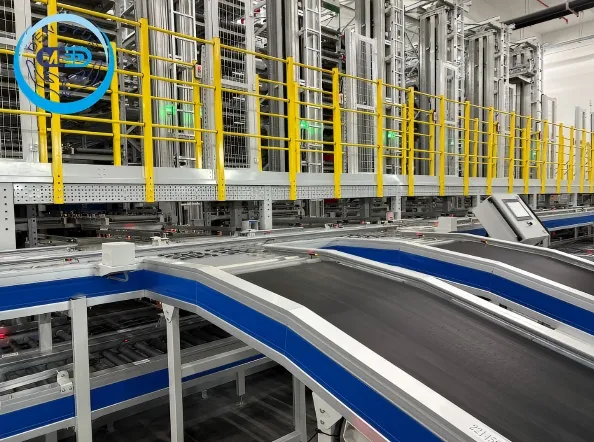
✅ Global logistics capabilities support flexible transportation and customs environments across different countries.
✅ Supply chain flexibility supports in-stock supply, long-term cooperation, and diversified procurement requirements.
Applicable Customer Segments
This China pharmaceutical procurement process is suitable for a wide range of international procurement scenarios, including:
● International pharmaceutical distributors
● Healthcare procurement departments
● Pharmaceutical trading companies
● Overseas import registration companies
● Regional supply chain partners
Conclusion
The China pharmaceutical procurement process is fundamentally a structured global supply chain coordination system that integrates compliance review, supply management, cross-border logistics, and quality control.
✨ Through standardized process design, DengYueMed provides global clients with stable, secure, and efficient pharmaceutical supply chain support, making international procurement more predictable and executable.
If you wish to further explore cooperation models or obtain customized supply chain solutions, you are welcome to contact our team for further communication.
FAQ about China Pharmaceutical Procurement Process
What is the China pharmaceutical procurement process?
It refers to a structured workflow for sourcing medicines from China, typically including RFQ submission, compliance review, quotation confirmation, payment, and international delivery. This process helps ensure both regulatory compliance and efficient supply execution.
What documents are required when sourcing medicines from China?
Common documents include the Proforma Invoice (PI), commercial invoice, packing list, and quality certificates such as COA. Depending on the destination country, additional import or regulatory documents may also be required.
How long does it take to procure pharmaceuticals from China?
The timeline depends on product availability and logistics arrangements. In-stock medicines may be delivered within 1–2 weeks, while specialized or regulated products can take several weeks.
How is compliance ensured in international pharmaceutical procurement?
Compliance is maintained through regulatory checks, proper documentation, and adherence to standards such as GMP and Good Distribution Practice (GDP). Working with experienced distributors further reduces regulatory and quality risks.