China Medicine Wholesale Distributor Leads Global Expansion Via The Belt and Road Initiative
As China’s healthcare industry continues to evolve, China medicine wholesale distributors are stepping beyond domestic borders to build stronger global connections.
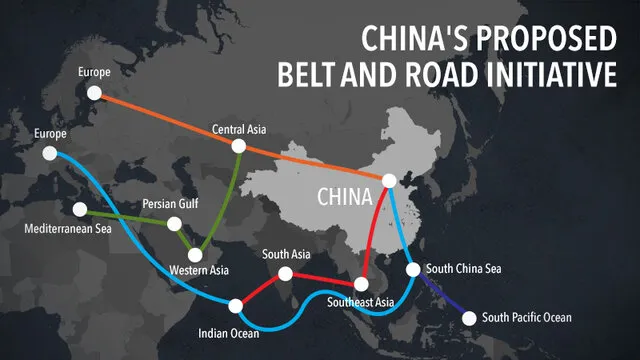
The Belt and Road Initiative (BRI), launched in 2013, has become a catalyst for international pharmaceutical trade, enabling Chinese distributors to expand their reach across Asia, Africa, the Middle East, and Eastern Europe.
This wave of globalization is not just about exporting medicines—it’s about building a shared health ecosystem through cooperation, innovation, and trust.
The Global Rise of Chinese Medicine Distributors
In the past decade, China’s pharmaceutical industry has achieved remarkable transformation.
✨ Once primarily a manufacturing powerhouse, China is now emerging as a key export hub for finished drugs, medical devices, and healthcare products.
💁♂️ At the center of this transformation stand China medicine wholesale distributors, who connect domestic pharmaceutical companies with overseas buyers, hospitals, and public health systems.
- 💰 According to recent trade data, China’s pharmaceutical exports have grown steadily, reaching over USD 25 billion in 2024, covering more than 200 countries and regions.
- 🌐 Over 60% of these exports are facilitated through established wholesale distribution networks, which manage complex logistics, customs, and regulatory coordination.
This global outreach is supported by China’s policy encouragement, digital logistics infrastructure, and international certifications, allowing distributors to compete globally while ensuring safety and compliance.
The Belt and Road: A Health Bridge between Nations
The Belt and Road Initiative has become an essential platform for expanding medical and pharmaceutical cooperation.
Under the framework of the “Health Silk Road” China has signed multiple agreements with partner countries to enhance public health systems, share disease prevention expertise, and promote medicine accessibility.
Key examples include:
- 👥 China–ASEAN Medical Cooperation: Distributors play a key role in delivering essential drugs and vaccines to Southeast Asian countries through efficient cold-chain logistics.
- 👦🏾 Africa Health Partnerships: Chinese distributors collaborate with African hospitals and NGOs to provide affordable generic medicines and medical equipment.
- ✅Middle East Supply Chain Projects: Several Chinese companies have established local warehouses in Dubai and Riyadh to support regional pharmaceutical distribution.
Through these collaborations, China medicine wholesale distributors are not only exporting products but also sharing standards, technologies, and healthcare solutions.
Building Global Networks and Logistics Infrastructure
The success of cross-border pharmaceutical trade depends on strong logistics capabilities.
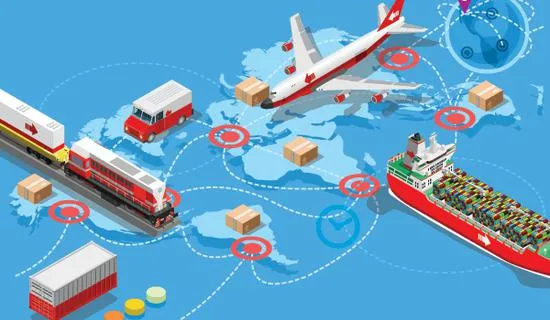
Chinese distributors have invested heavily in modern logistics parks, bonded warehouses, and cross-border e-commerce platforms, enabling fast, traceable, and compliant delivery of medical goods.
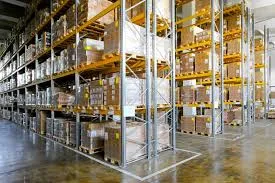
- Smart Warehousing: Advanced temperature-controlled systems and real-time tracking ensure drug safety and compliance with international GDP standards.
- Digital Trade Platforms: B2B portals such as Alibaba Health and Sinopharm’s e-commerce platform connect global buyers directly with certified Chinese suppliers.
- Local Service Hubs: By setting up overseas subsidiaries, distributors reduce shipping times, streamline customs clearance, and provide after-sales support.
These networks are reshaping the image of China medicine wholesale distributors—from traditional traders to global supply chain innovators.
Regulatory Alignment and Global Standards
As Chinese distributors expand abroad, regulatory compliance becomes crucial.
To build global credibility, many have adopted international quality and safety certifications, including:
- ✅ EU Good Distribution Practice (GDP)
- 👉 ISO 9001/14001 Quality Management Systems
- ⚕️ WHO-prequalified logistics standards
Furthermore, partnerships with multinational pharmaceutical companies help Chinese distributors align with ethical trade principles, pharmacovigilance requirements, and anti-counterfeiting systems—boosting transparency and trust across borders.
Opportunities and Challenges in Global Expansion
Despite strong growth momentum, internationalization also presents challenges for China’s pharmaceutical distributors:
Challenges
- Complex and varying regulatory systems across countries
- Cultural and communication barriers in global business negotiation
- Need for deeper understanding of intellectual property and pricing systems
Opportunities
- Growing demand for affordable, high-quality medicines in developing nations
- Rising reputation of “Made-in-China” innovative drugs
- Digital trade and e-commerce lowering traditional entry barriers
Forward-thinking China medicine wholesale distributors are already investing in local partnerships, AI-based logistics, and multilingual customer service, positioning themselves as reliable long-term global partners.
The Future: From Trade to Global Health Collaboration
Looking ahead, the mission of China’s pharmaceutical distributors will go beyond logistics.
They will become strategic players in global public health, contributing to disease prevention, drug accessibility, and medical innovation under the “Health Silk Road” vision.
Future trends include:
- 🚚 Localized distribution centers in BRI countries
- 🔬 Joint R&D projects with international pharmaceutical firms
- 🌐 Data-driven transparency systems to track global medicine flows
- 📦 Sustainable and carbon-efficient logistics aligned with ESG goals
In essence, the next decade will witness the evolution of Chinese distributors into international healthcare ecosystem enablers.
Conclusion
The globalization of China medicine wholesale distributors marks a pivotal shift in how the world accesses medicines and healthcare solutions.
Through the Belt and Road Initiative, these distributors are not only expanding their business footprint but also helping bridge health equity gaps between nations.
By combining policy support, digital transformation, and sustainable logistics, Chinese distributors are shaping a new model of international cooperation—one that is open, resilient, and dedicated to improving global health for all.
About DengYueMed—HK Drug Wholesale Distributor
As a legally compliant drug import and export company, DengYueMed is certified by the Pharmacy & Poisons Board of Hong Kong—you can verify our qualification on their official website.

HK DengYue provides detailed medicine information, transparent pricing, and responsive support to ensure a smooth and reliable buying experience.
Feel free to reach out anytime to discuss your needs or ask questions about the medicine.
We welcome you to contact us for a consultation.
FAQ about China Medicine Wholesale Distributor
How many types of wholesale are there?
6 Types of Wholesaling.
Wholesaling plays a vital role in the supply chain, linking manufacturers with retailers and consumers by purchasing goods in bulk and reselling them in smaller quantities.
What are the three types of sourcing?
There are three primary different types of sourcing in procurement: sole sourcing, single sourcing, and multi-sourcing.
Each sourcing type has its own advantages and considerations, and each plays pivotal roles in different procurement strategies.
How many types of suppliers are there?
Types of Suppliers: Wholesale, Traders, Manufacturers.
While most people think the suppliers are the manufacturers of the product itself, they can actually be third parties, such as a wholesaler or a trader.
Each of these supplier types functions in a unique way.
Is it legal to buy directly from China?
You do not need an import license to buy directly from a factory in China.
However, depending on the product you are trying to buy, you may need some form of certification or license to import the product to your final destination.