
Africa Pharmaceutical Industry Challenges — Analysis of Supply Structure and Drug Accessibility
Currently, africa pharmaceutical industry challenges are increasingly recognized as a key issue in the global healthcare supply system. These challenges extend beyond drug access and also involve quality assurance, supply stability, and cross-border distribution efficiency.
Overall, the African pharmaceutical system faces several key issues: 🔽
- Heavy reliance on imports, resulting in supply uncertainty
- Underdeveloped logistics and cold chain infrastructure
- Drug accessibility and pricing pressures
- Regulatory and cross-border distribution complexity
- Limited supply chain resilience
In the context of continuous changes in the global supply chain environment, these factors interact and compound, creating challenges at every stage from production to patient delivery.
Therefore, understanding africa pharmaceutical industry challenges from a systemic perspective is essential for improving drug accessibility.
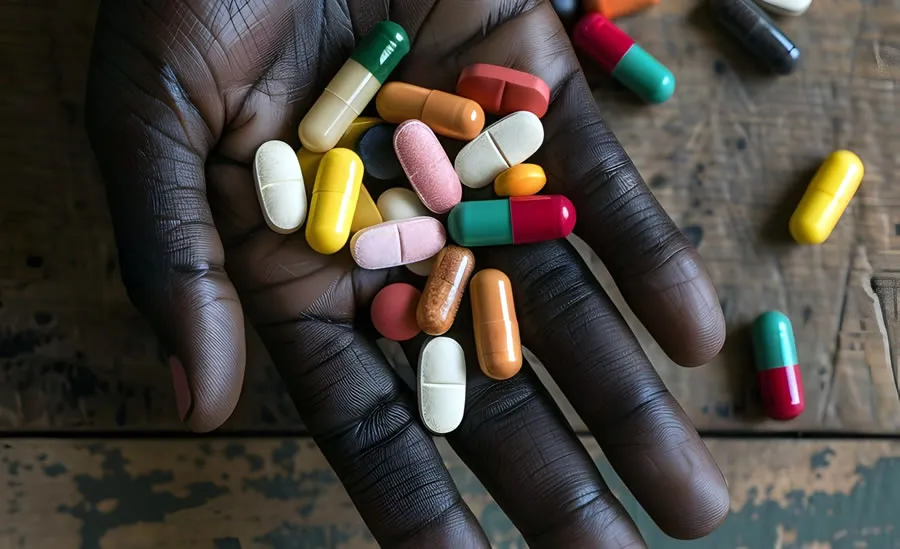
Major Challenges Facing the African Pharmaceutical System
1. Heavy Import Dependence and Supply Vulnerability
Most African countries rely heavily on imported medicines. Data shows that more than 70% of pharmaceuticals are sourced from overseas, with even higher dependence for specialty medicines such as oncology drugs.
While this structure can function under stable conditions, once the global pharmaceutical supply chain is disrupted—such as through transportation delays or cost fluctuations—the impact is often amplified.
Due to limited alternative supply sources, any change in supply cycles can directly affect healthcare providers and patients.
2. Inadequate Logistics and Cold Chain Infrastructure
The distribution of medicines from manufacturers to patients depends on a complete logistics and distribution system. In some regions, port efficiency, inland transportation conditions, and cold chain logistics coverage remain uneven.
For conventional medicines, this may result in longer delivery times. However, for temperature-sensitive drugs, including certain anticancer therapies, maintaining stable transportation and storage conditions is critical.
Uncertainty in logistics not only affects delivery efficiency but also increases supply risks.
3. Drug Accessibility and Pricing Pressures
Supply chain structures and logistics factors ultimately impact patients.
Due to import costs, transportation expenses, and distribution layers, some medicines remain financially burdensome. At the same time, unequal distribution of healthcare resources leads to disparities in medicine availability across regions.
For patients requiring long-term treatment, both affordability and continuity of supply are essential.
4. Regulatory and Cross-Border Distribution Complexity
Cross-border pharmaceutical distribution involves strict regulatory requirements, including product registration, certification, document review, and customs clearance. Differences in regulatory standards between countries increase the complexity of market entry.
While these compliance processes are essential for ensuring drug safety, they also add time costs and uncertainty, affecting overall supply efficiency.
These factors further contribute to africa pharmaceutical industry challenges in cross-border circulation.
5. Limited Supply Chain Resilience
Overall, the African pharmaceutical system demonstrates a typical characteristic: heavy reliance on imports combined with logistics, regulatory, and distribution challenges results in relatively limited supply chain resilience.
This does not mean the system cannot function, but rather that external disruptions are more easily amplified.
Therefore, enhancing supply chain stability and diversification has become an important direction in addressing africa pharmaceutical industry challenges.
The Importance of Diversified Supply and Stable Distribution
Against the backdrop of these challenges, a consensus is emerging: a single-source or single-channel supply system is insufficient to sustain long-term stable access to medicines.
Establishing diversified pharmaceutical sourcing and improving cross-border distribution efficiency can help maintain greater stability during supply fluctuations.
At the same time, standardized and traceable distribution systems contribute to reducing quality risks and strengthening trust in healthcare systems.
The Role of Chinese Medicines in Africa’s Supply System
A single supply source often cannot simultaneously ensure quality, stability, and efficiency. Introducing diversified sources with large-scale production capacity and mature supply systems has become a key pathway to improving drug accessibility in Africa.
In this process, Chinese medicines play an important role in the global supply system:
✅ Supply stability: Large-scale production capacity supports continuous supply during demand fluctuations
✅ Logistics and delivery efficiency: Established export systems improve distribution efficiency
✅ Cost and accessibility: Economies of scale help alleviate pricing pressures
✅ Diversified supply: Providing more options for import-dependent markets and reducing reliance on a single channel
Therefore, the value of Chinese medicines lies not only in manufacturing capacity but also in their comprehensive contribution to accessibility and supply efficiency.
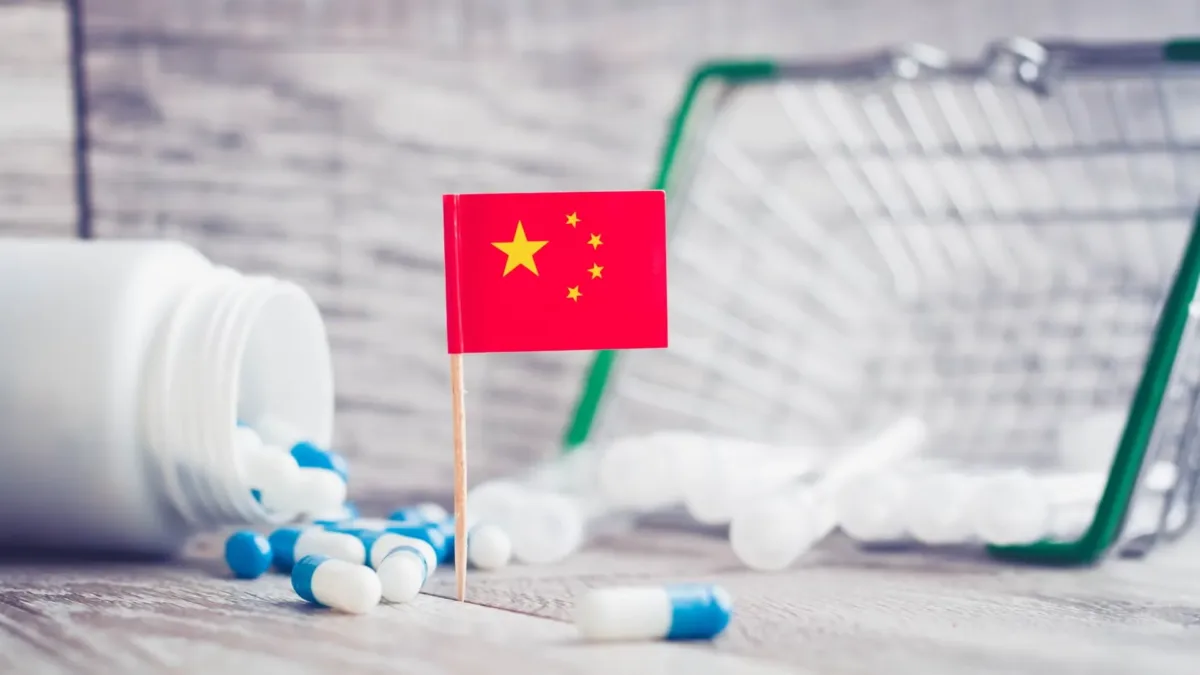
The Role of Chinese Pharmaceutical Wholesalers in Improving Accessibility
Beyond manufacturing, the journey from factory to patient depends on efficient and compliant distribution systems. In this process, the role of professional distributors is becoming increasingly important.
Chinese pharmaceutical wholesaler DengYueMed enhances the stability and efficiency of cross-border pharmaceutical distribution by integrating supply chain resources, focusing on the following aspects:
1️⃣ Standardized Channels and Traceable Supply
Establishing compliant procurement channels and traceable supply systems improves transparency and reliability, strengthening quality assurance at the source.
2️⃣ Stable Supply and Demand Coordination
Through supply coordination and inventory management, clients can maintain more stable access to medicines under fluctuating conditions.
3️⃣ Multi-Path Logistics and Transportation Coordination
Integrating air, sea, and regional transit solutions helps respond to transportation uncertainties and reduces risks associated with single-route logistics.
4️⃣ Regulatory and Cross-Border Delivery Support
Providing documentation preparation and process support for different countries’ import requirements improves customs clearance efficiency and reduces delays.
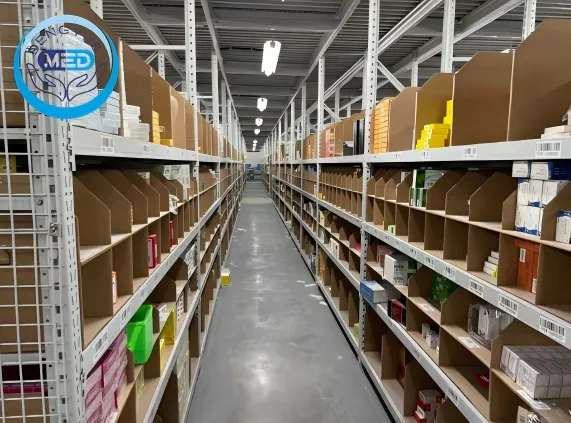
Conclusion
In summary, africa pharmaceutical industry challenges are not caused by a single factor, but by the combined effects of supply, logistics, regulatory complexity, and accessibility constraints.
In a continuously evolving global supply chain environment, improving drug accessibility requires a systemic approach, including diversification of supply sources and optimization of cross-border distribution efficiency.
✨ In this context, HongKong DengYue Medicine contributes to addressing africa pharmaceutical industry challenges by continuously improving supply chain coordination and logistics capabilities, supporting better access to medicines and more efficient global distribution.
FAQ about Africa Pharmaceutical Industry Challenges
What are the main pharmaceutical industry challenges in Africa?
The main challenges include heavy import dependence, limited supply chain resilience, and underdeveloped logistics infrastructure. In addition, regulatory complexity and uneven drug accessibility further affect the stability of medicine supply.
Why is drug accessibility still limited in Africa?
Drug accessibility is influenced by high import costs, logistics constraints, and uneven healthcare resource distribution. These factors make it difficult for some regions to maintain consistent and affordable access to essential medicines.
How does import dependence affect Africa’s pharmaceutical supply?
High reliance on imported medicines increases vulnerability to global supply chain disruptions. Any delays in transportation or changes in costs can directly impact availability at healthcare facilities and patient access.
What can improve pharmaceutical supply stability in Africa?
Improving supply stability requires diversified sourcing, stronger logistics networks, and better cross-border coordination. Enhancing regulatory efficiency and building more resilient supply chains also play a critical role.