

Is Diffuse Large B-cell Lymphoma Still an Unsolved Puzzle in Precision Oncology?
Diffuse large B-cell lymphoma (DLBCL) is the most common type of non-Hodgkin lymphoma (NHL), accounting for about 30-40% of all NHL cases.
It is an aggressive but potentially curable cancer, with treatment advancements improving survival rates.
This article explores DLBCL’s symptoms, prognosis, and the latest treatments, including three key drugs: Ripertamab, Polatuzumab Vedotin-piiq (Polivy), and Zuberitamab.
🔬 What is a Diffuse Large B-cell Lymphoma?
DLBCL is a fast-growing cancer of B-lymphocytes, a type of white blood cell. It can arise in lymph nodes or extranodal sites (e.g., stomach, bone, or brain). Key characteristics:
- Highly aggressive: Grows rapidly without treatment.
- Heterogeneous: Subtypes (e.g., germinal center B-cell vs. activated B-cell) affect prognosis.
- Treatable: Many patients achieve remission with immunochemotherapy.
⚠️ Diffuse Large B-cell Lymphoma Symptoms
Early signs may be subtle, but common symptoms include:
- Neurological issues (if CNS lymphoma develops)
- Painless, swollen lymph nodes (neck, armpit, groin)
- B symptoms (fever, night sweats, weight loss >10%)
- Fatigue, shortness of breath (if lymphoma affects the chest)
- Abdominal pain (if GI tract involved)
📊 How Aggressive is Diffuse Large B-cell Lymphoma?
Diffuse Large B-cell Lymphoma is considered one of the most aggressive lymphomas:
- Rapid progression: Can double in size within weeks to months.
- Metastasis risk: Can spread to bone marrow, liver, or CNS.
- High relapse rate: ~30-40% of patients relapse after initial therapy.
📈 What is the Prognosis for Aggressive B‑cell Lymphoma?
DLBCL is aggressive but highly treatable. Without therapy, median overall survival is under one year.
With modern treatment regimens like R‑CHOP, 5‑year survival rates are approximately 60–70% overall, though outcomes vary by risk group.
Early‑stage disease (stage I/II) can have a 5‑year survival of over 95%, while advanced stages (III/IV) still exceed 90% in some cohorts.
Prognosis is influenced by factors like age, stage, LDH level, extranodal involvement, and performance status, as assessed by the International Prognostic Index (IPI).
💊 Diffuse Large B-cell Lymphoma Treatment
Standard First‑line Therapy
The R‑CHOP regimen—rituximab plus cyclophosphamide, doxorubicin, vincristine, and prednisone—is the cornerstone, achieving 60–70% cure rates in germinal center B‑cell subtypes.
Intensive regimens like DA-R-EPOCH may offer better outcomes for high‑risk variants (e.g., double‑hit).
Novel Targeted Therapies
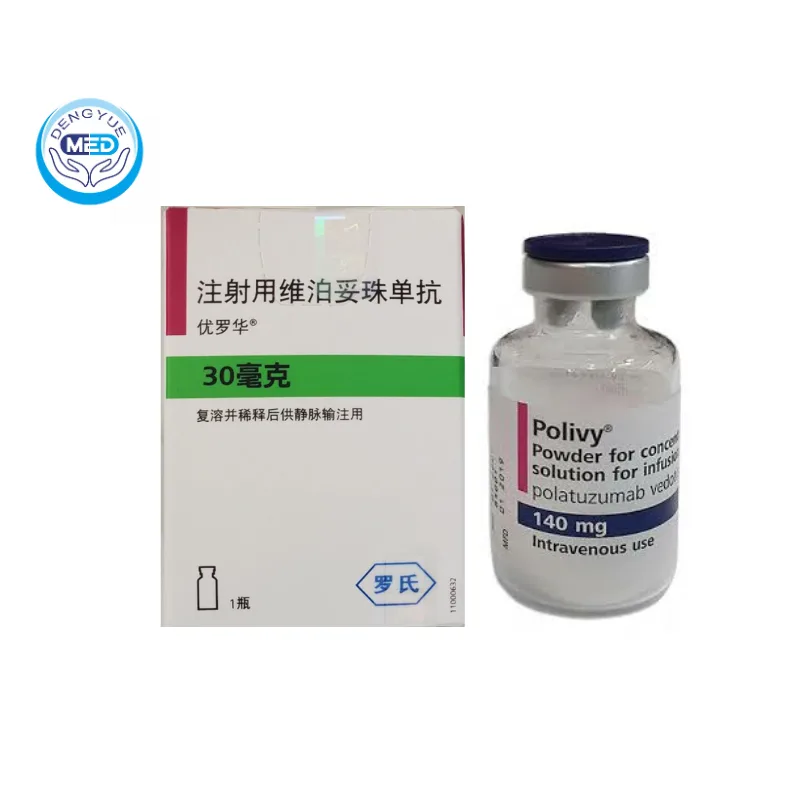
Polatuzumab vedotin modernizes frontline DLBCL care and offers new hope for relapsed patients.
- Mechanism: Antibody–drug conjugate targeting CD79b on B cells, delivering MMAE toxin
- First‑line approval: In April 2023, the FDA approved it combined with R‑CHP (Polivy®) for untreated DLBCL (IPI ≥ 2), based on POLARIX data showing improved progression‑free survival (HR 0.73, p = 0.0177)
- Relapsed/refractory setting: In the POLARGO Phase III trial, adding polatuzumab to R‑GemOx cut death risk by 40% (HR 0.60; p = 0.0017) in transplant‑ineligible patients
- Side effects: Neutropenia, peripheral neuropathy, fatigue, GI symptoms; infusion reactions and febrile neutropenia (15%) noted
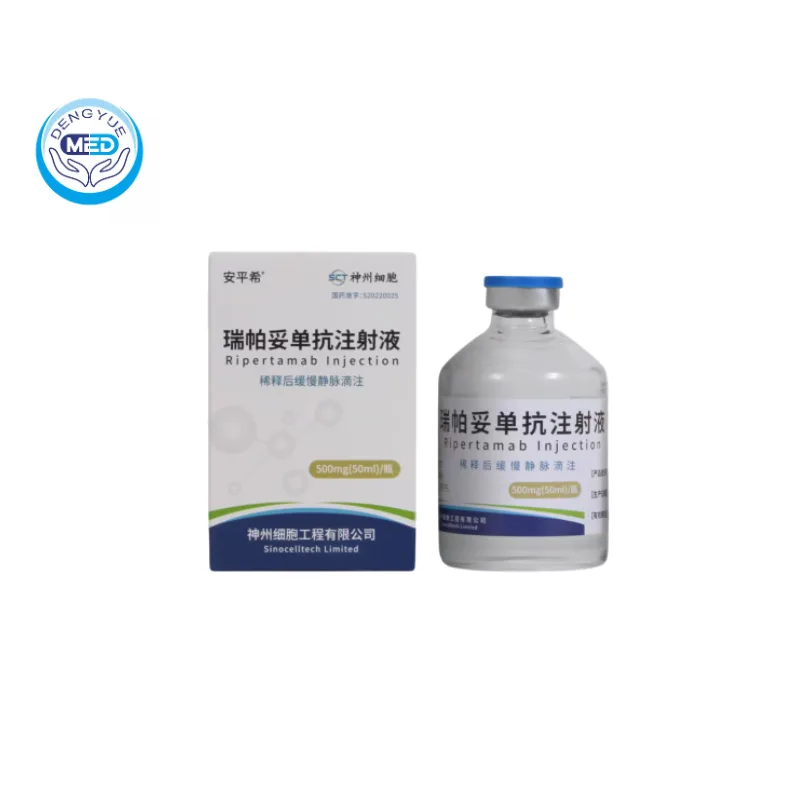
Ripertamab is an emerging bispecific antibody under early clinical development for DLBCL, designed to engage both tumor antigens and T cells.
Initial studies suggest enhanced T-cell-mediated killing, potentially improving over single‑target therapies.
Full clinical data and regulatory progress are pending.
(Note: Detailed peer‑reviewed results are not yet publicly available.)
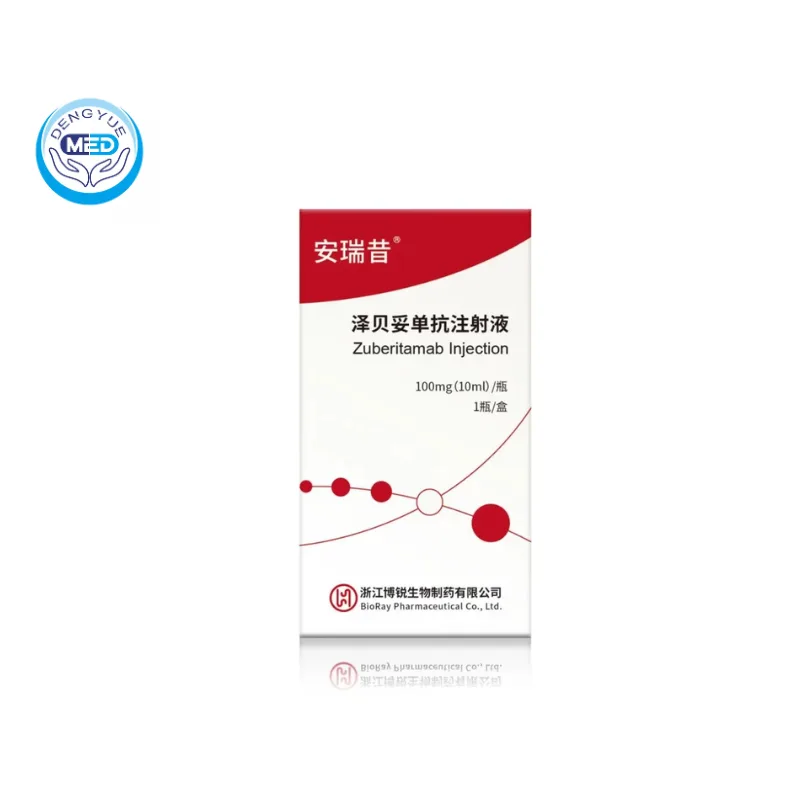
Zuberitamab is a novel antibody‑drug conjugate targeting a tumor‑specific B‑cell antigen (e.g., CD22).
It’s in Phase I/II trials showing promising preliminary efficacy and tolerability in relapsed/refractory DLBCL. Updated trial results are anticipated in upcoming oncology meetings.
🔍 How Curable is Diffuse Large B-cell Lymphoma?
With current standard and targeted therapies, many patients are effectively cured:
- R‑CHOP frontline: CR rate 60–70%, long-term survival 30–40%
- IPI stratification: Low‑risk patients show 4‑year OS of ~94%, intermediate risk ~79%, high risk ~55%
- CAR‑T cell therapies: In relapsed/refractory patients, CAR‑T like axicabtagene ciloleucel achieve durable 1‑year PFS ~67% in select biological subtypes
📊 What is the Survival Rate for Diffuse Large B-cell Lymphoma?
- Overall 5‑year survival: ~60–70% for all-comers ▶
- Early-stage (I): ~80% 5‑year survival ▶
- Limited-stage (I/II): >95% 5‑year survival ▶
- Advanced-stage (III/IV): >90% in some cohorts, but depends on subtype and treatment ▶
Ten‑year survival sits around 51%, varying by risk.
🔑 Summary
DLBCL is a serious but treatable lymphoma. Standard regimens like R‑CHOP cure many, with targeted therapies offering improved outcomes:
- Polatuzumab vedotin‑piiq is FDA‑approved for frontline and relapsed settings, significantly improving outcomes.
- Ripertamab and Zuberitamab are promising in early trials, aiming to further enhance anti‑tumor efficacy via bispecific targeting or novel ADC mechanisms.
Optimizing treatment—including risk stratification, subtype analysis, and embracing new therapies—continues to improve survival and quality of life in DLBCL.
Inquire now for details on DLBCL treatment options.
About DengYueMed – HK Drug Wholesale Distributor
As a legally compliant drug import and export company, DengYueMed is certified by the Pharmacy & Poisons Board of Hong Kong — you can verify our qualification on their official website.

Our efforts to improve the affordability of Diffuse Large B-cell Lymphoma treatment aim to ensure that more patients can benefit from this important medication.
HK DengYue provides detailed medicine information, transparent pricing, and responsive support to ensure a smooth and reliable buying experience.
Feel free to reach out anytime to discuss your needs or ask questions about the medicine. We welcome you to contact us for a consultation.
FAQ About Diffuse Large B-cell Lymphoma
Does Diffuse Large B-cell Lymphoma Metastasize?
DLBCL is systemic from the onset and often spreads along the lymphatic system to extranodal sites, such as the bone marrow, spleen, liver, CNS, and skin.
What is the Survival Rate for Stage 4 Diffuse Large B-cell Lymphoma?
The 5-year survival rate for stage 4 DLBCL is approximately 50-60% with standard R-CHOP therapy.
How Quickly Does DLBCL Spread?
Weeks to months if untreated; early detection improves outcomes.
How Long is Chemo for DLBCL?
6 cycles (18 weeks) of R-CHOP is standard.
Can DLBCL Be Fatal?
Yes, if untreated or refractory, median survival is <1 year in aggressive cases.