NMPA Approves GSK Depemokimab in China for Severe Eosinophilic Asthma with Twice-Yearly Dosing
On March 27, 2026, the National Medical Products Administration (NMPA) of China officially approved GSK Exdensur (depemokimab) in China for marketing. The approval covers maintenance treatment of adults and adolescents aged 12 years and older with severe eosinophilic asthma (SEA).
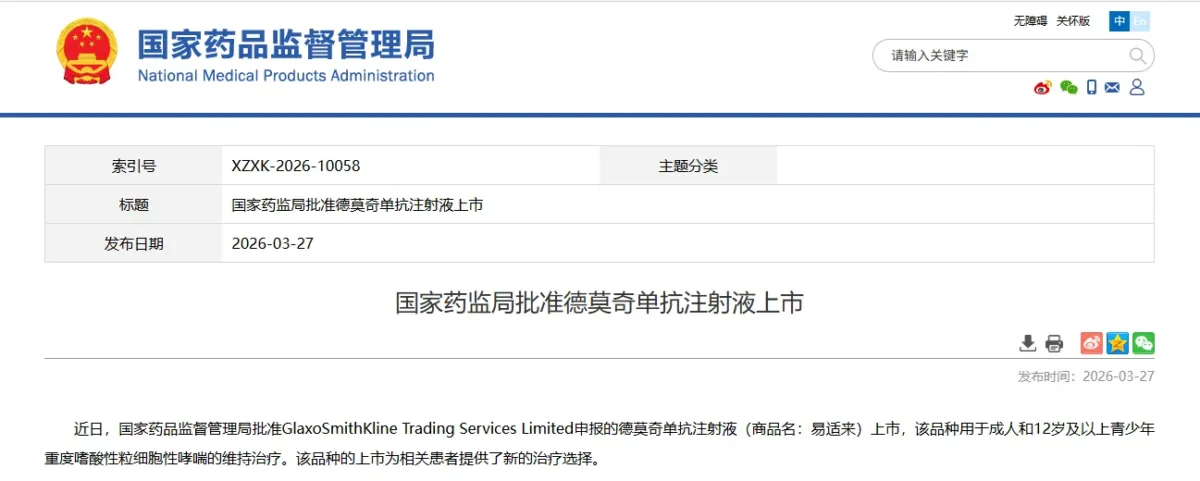
✨ GSK Depemokimab is the first globally available anti-IL-5 monoclonal antibody therapy that enables twice-yearly dosing, marking a new step toward reduced dosing frequency in biologic therapy for severe asthma.
As a leading China pharmaceutical wholesaler, DengYueMed continuously monitors approvals like NMPA Approves GSK Depemokimab in China, as well as global market trends, to understand the evolving pharmaceutical landscape and cross-border drug accessibility.
Treatment Challenges in Severe Eosinophilic Asthma
Severe eosinophilic asthma is a chronic respiratory disease characterized by airway eosinophilic inflammation. Patients often have limited response to conventional inhaled therapies and may experience frequent exacerbations, hospitalizations, or emergency visits, significantly affecting quality of life.
Globally, asthma affects more than 300 million people, and approximately 5–10% of patients are considered to have severe disease that remains difficult to control.
Within this group, eosinophilic inflammation represents a major disease subtype associated with frequent exacerbations, reduced lung function, and increased healthcare utilization.
Mechanistically, interleukin-5 (IL-5) is a key cytokine regulating eosinophil production, activation, and survival, including:
- Promoting eosinophil generation
- Activating eosinophil functions
- Extending eosinophil survival
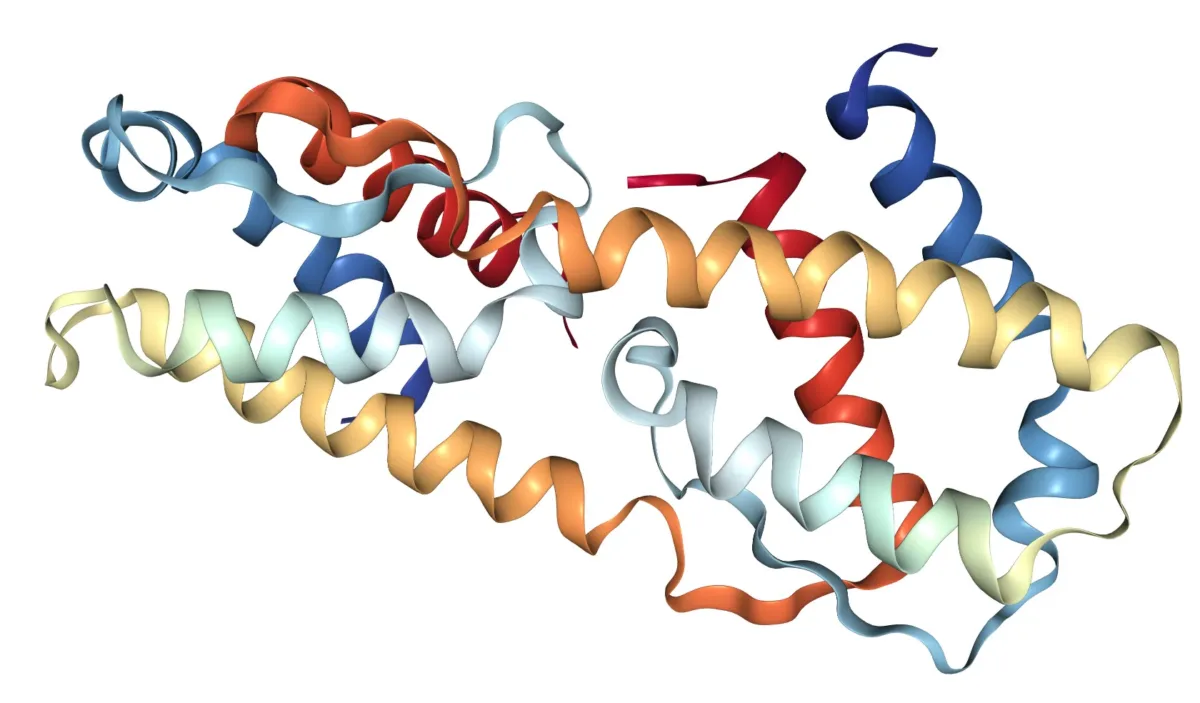
🎯 Targeting the IL-5 pathway with biologic therapies has thus become a central strategy for managing severe eosinophilic asthma.
Depemokimab: Long-Acting IL-5 Monoclonal Antibody Therapy
Exdensur (Depemokimab) is a next-generation anti-IL-5 monoclonal antibody developed by GSK. Through molecular engineering and antibody optimization, the drug demonstrates increased binding affinity and an extended half-life compared with earlier IL-5 inhibitors.
These pharmacological properties allow Depemokimab to be administered once every six months, enabling a twice-yearly dosing schedule. 👇
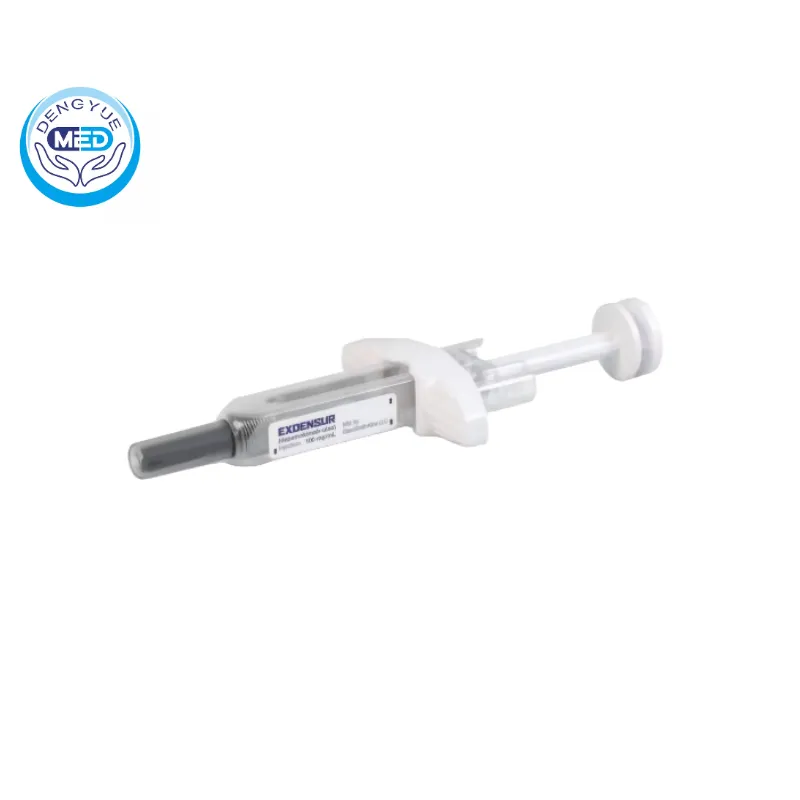
✅ This contrasts with earlier biologic therapies that typically require injections every 4–8 weeks. Reducing the number of injections may help improve patient adherence, a key challenge in chronic disease management.
The approval milestone NMPA Approves GSK Depemokimab in China therefore reflects not only regulatory recognition but also an advancement in biologic drug design aimed at improving treatment convenience.
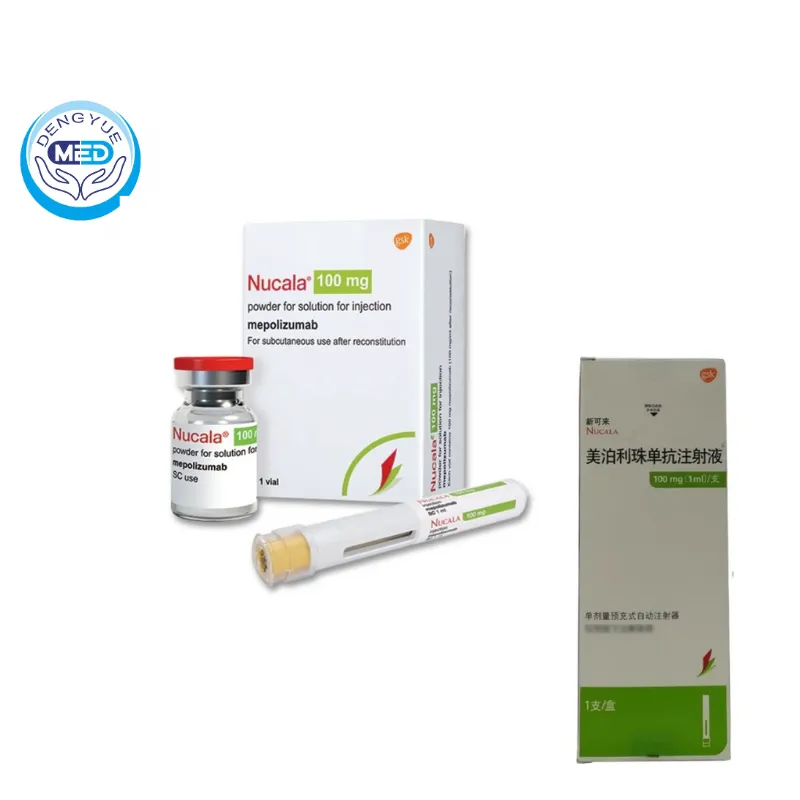
In the IL-5 therapeutic category, GSK previously introduced Mepolizumab, one of the first IL-5 monoclonal antibodies approved for severe eosinophilic asthma. The product achieved global sales of approximately $2.2 billion in 2024, highlighting the clinical demand for targeted biologic therapies in asthma management.
Exdensur is widely viewed as a long-acting technological evolution of this treatment class.
Phase III Clinical Trials: SWIFT-1 and SWIFT-2
The decision NMPA Approves GSK Depemokimab in China was primarily supported by data from two pivotal Phase III clinical trials: SWIFT-1 and SWIFT-2.
These randomized, double-blind, placebo-controlled, multicenter studies evaluated the efficacy and safety of Depemokimab in patients with severe asthma associated with type-2 inflammation.
Both studies had a 52-week treatment duration, with patients receiving injections at baseline and week 26.
A total of 792 patients were enrolled in the trials, and 762 patients were included in the final pooled efficacy analysis:
- 502 patients received Depemokimab
- 260 patients received placebo
Participants continued their background standard asthma therapy throughout the study.
Key Results from SWIFT-1 and SWIFT-2 Phase III Trials
Both trials met their primary endpoints. In the pre-specified pooled analysis, Depemokimab significantly reduced annual asthma exacerbation rates by 54% compared with placebo (p < 0.001).
SWIFT-1 and SWIFT-2 Phase III Clinical Results
| Endpoint | SWIFT-1 Depemokimab | SWIFT-1 Placebo | SWIFT-2 Depemokimab | SWIFT-2 Placebo |
|---|---|---|---|---|
| N | 250 | 132 | 252 | 128 |
| Clinically Significant Annualized Asthma Exacerbation Rate | 0.46 | 1.11 | 0.56 | 1.08 |
| Rate Ratio | 0.42 | 0.42 | 0.52 | 0.52 |
| p-value | <0.001 | <0.001 | <0.001 | <0.001 |
| FEV1 Mean Change from Baseline (ml) | 160 | 160 | 240 | 184 |
| Between-Group Difference (ml) | -1 | -1 | 56 | 56 |
| 52-Week ACQ-5 Response Rate (%) | 52 | 55 | 54 | 53 |
In pooled analyses:
👉 Risk of severe exacerbations requiring hospitalization or emergency visits was reduced by 72% (p = 0.002).
Safety Profile of Depemokimab
The safety profile of Exdensur was generally favorable and comparable to placebo.
Across both clinical trials, the incidence of any adverse events (AEs) was similar between groups:
- SWIFT-1: 73% in both Depemokimab and placebo groups
- SWIFT-2: 72% in the Depemokimab group vs. 78% in the placebo group
No deaths or treatment-related serious adverse events were identified during the studies.
These findings supported the overall benefit-risk assessment behind the decision NMPA Approves GSK Depemokimab in China.
Biologic Therapy Market for Severe Asthma in China
The market for biologic therapies targeting severe asthma has expanded rapidly in recent years, both globally and in China.
Currently available biologic options include:
1️⃣ Mepolizumab — IL-5 targeted antibody
2️⃣ Benralizumab — IL-5 receptor targeted therapy
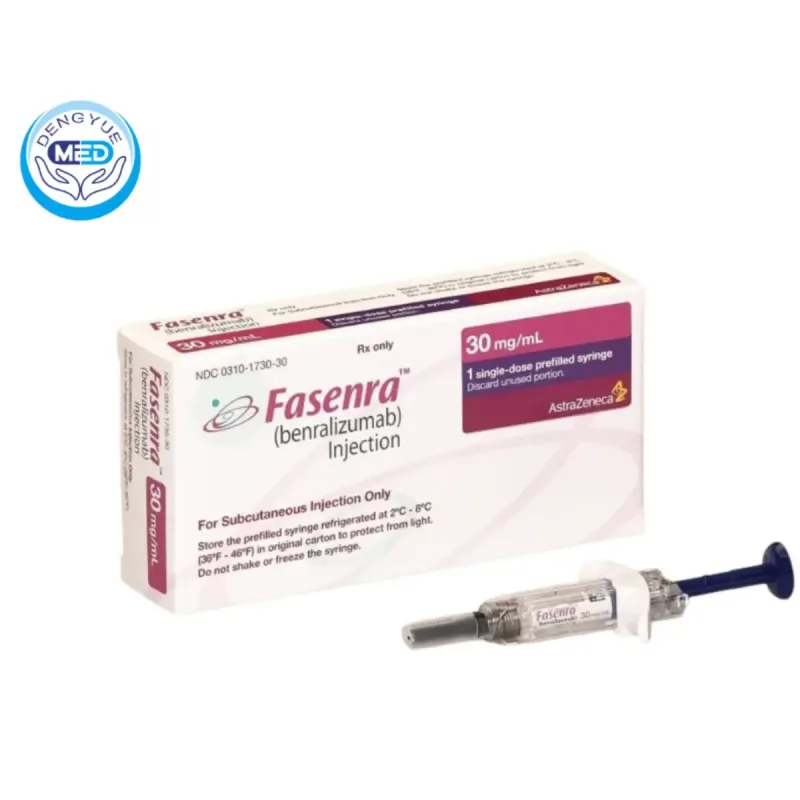
Benralizumab is typically administered approximately six times per year after an initial loading phase.
Compared with these therapies, Depemokimab’s twice-yearly dosing schedule represents one of the lowest administration frequencies among asthma biologics.
NMPA Approves GSK Depemokimab in China: Global Approvals and Future Indications
Before entering China, GSK Exdensur (depemokimab) had already been approved in multiple regions:
- December 2025: FDA approval in the United States for severe asthma
- February 2026: European Commission approval for severe asthma and chronic rhinosinusitis with nasal polyps
GSK is also actively investigating Depemokimab in other eosinophil-driven diseases, including:
- Chronic Obstructive Pulmonary Disease (COPD)
- Hypereosinophilic syndrome
- Allergic granulomatosis vasculitis
Relevant Phase III clinical trials are ongoing, highlighting the broader potential of the therapy that contributed to NMPA Approves GSK Depemokimab in China.
Conclusion
With the NMPA approval of GSK depemokimab in China, treatment options for severe eosinophilic asthma are further expanded. Its twice-yearly dosing offers a new paradigm for chronic disease management, improving convenience while supporting long-term disease control.
As ongoing clinical studies explore additional indications, Depemokimab has the potential to benefit a broader population of patients with type 2 inflammation-driven diseases.
HongKong DengYue Medicine continues to monitor NMPA approvals and global market developments, helping stakeholders understand pharmaceutical industry trends, improve drug accessibility, and facilitate cross-border pharmaceutical distribution.
FAQ about NMPA Approves GSK Depemokimab in China
Has Exdensur (Depemokimab) been approved in China?
Yes. Depemokimab has been approved in China by the National Medical Products Administration for the maintenance treatment of patients aged 12 years and older with severe eosinophilic asthma. The approval expands treatment options for patients with uncontrolled severe asthma.
What is Depemokimab and how does it work for severe eosinophilic asthma?
Depemokimab is a long-acting monoclonal antibody developed by GlaxoSmithKline. It targets interleukin-5 (IL-5), a key driver of eosinophilic inflammation, helping reduce asthma exacerbations in patients with severe eosinophilic asthma.
How often is Depemokimab administered for severe asthma?
Depemokimab is designed for twice-yearly dosing, meaning patients may receive injections once every six months. This extended dosing interval may help improve treatment adherence compared with biologics that require more frequent injections.
What clinical trials supported the approval of Depemokimab?
The approval was supported by the Phase III SWIFT-1 and SWIFT-2 clinical trials. These studies showed that Depemokimab significantly reduced asthma exacerbation rates in patients with severe eosinophilic asthma.