
Yinuoqing (Efsubaglutide Alfa Injection) – T2DM | HongKong DengYue Medicine
- Generic Name/Brand Name: Efsubaglutide alfa injection/Yinuoqing
- Indications: T2DM
- Dosage Form: Syringe
- Specification: 1 mg & 3mg × 2
Efsubaglutide alfa Injection Application Scope
Efsubaglutide alfa is a long-acting glucagon-like peptide-1 receptor agonist (GLP-1RA) indicated for blood glucose control in adult patients with type 2 diabetes mellitus (T2DM). It is used as an adjunct to diet and exercise to improve glycemic control.
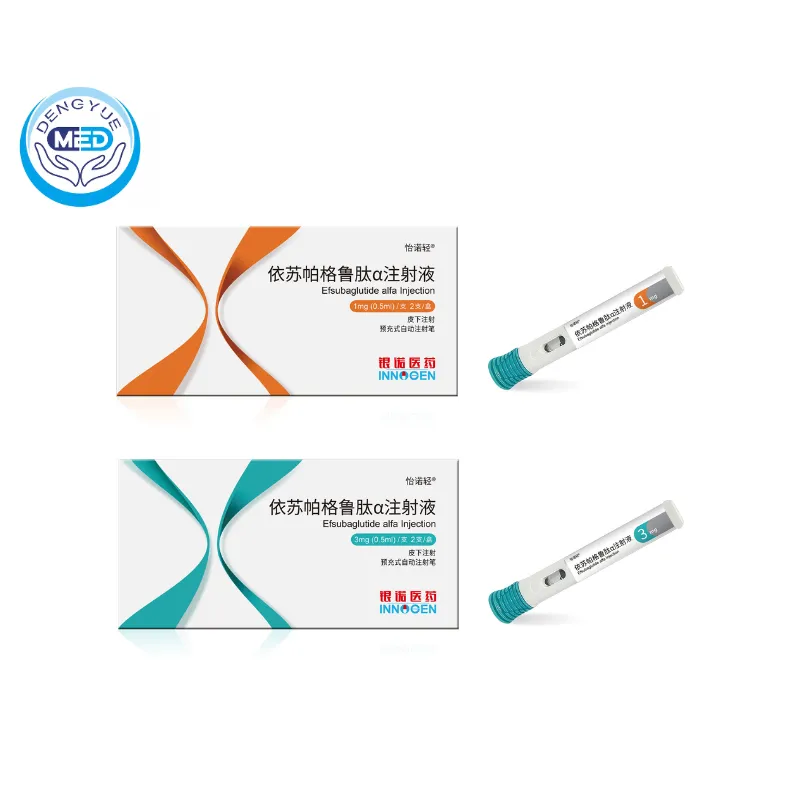
Efsubaglutide alfa Injection Characteristics
-
Ingredients: Recombinant fusion protein consisting of human glucagon-like peptide-1 (GLP-1) fused with the Fc fragment of human immunoglobulin G2 (IgG2).
-
Properties: Clear solution for subcutaneous injection. It acts as a GLP-1 receptor agonist, stimulating glucose-dependent insulin secretion, suppressing glucagon release, slowing gastric emptying, and promoting satiety. The fusion design extends half-life to approximately 182-215 hours, allowing for once-weekly or biweekly dosing. Molecular modifications enhance receptor affinity and reduce immunogenicity.
-
Packaging Specification: The primary marketed formulation is 3 mg (0.5 mL) in a pre-filled injection pen. This specification facilitates patient convenience and improves medication adherence.
-
Storage: Store refrigerated at 2-8°C (36-46°F); do not freeze. Protect from light. Once in use, may be stored at room temperature up to 30°C (86°F) for a limited period (consult product labeling).
-
Expiry Date: The drug remains stable until the expiration date printed on the packaging when stored at the recommended temperature range.
-
Executive Standard: Compliant with China National Medical Products Administration (NMPA) standards for biologics.
-
Approval Number: S20250009 (国药准字S20250009)
-
Date of Revision: January 24, 2025
-
Manufacturer: Shanghai Yinnuo Pharmaceutical Technology Co., Ltd.
Guidelines for the Use of Efsubaglutide alfa Injection
-
Dosage and Administration:
-
Recommended Dose: 1 mg or 3 mg once weekly, based on Phase III trial data. Start with a lower dose (e.g., 1 mg) and titrate as needed for efficacy and tolerability. In some trials, doses up to 10 mg weekly were explored with titration (e.g., starting at 1 mg, increasing every 2 weeks: 1 mg → 5 mg → 10 mg).
-
Administration: Administer subcutaneously in the abdomen, thigh, or upper arm. Rotate injection sites. No need for reconstitution; use as provided in pre-filled device.
-
Missed Dose: If a dose is missed, administer as soon as possible if there are at least 3 days until the next scheduled dose. Otherwise, skip and resume regular schedule. Do not double dose.
-
-
Adverse Reactions:
-
Common Adverse Reactions: Gastrointestinal symptoms including nausea, vomiting, diarrhea, and decreased appetite. These are typically mild to moderate and decrease over time.
-
Serious Adverse Reactions: Rare; may include pancreatitis, hypersensitivity reactions, or thyroid C-cell tumors (as with other GLP-1RAs). In clinical trials, no serious adverse events (SAEs) leading to discontinuation were reported in some studies, but monitor for severe GI events or injection-site reactions.
-
-
Contraindications: Hypersensitivity to efsubaglutide alfa or any component. Personal or family history of medullary thyroid carcinoma (MTC) or Multiple Endocrine Neoplasia syndrome type 2 (MEN 2). Not recommended in patients with a history of pancreatitis unless benefits outweigh risks.
-
Precautions:
- Monitor for signs of pancreatitis (severe abdominal pain, vomiting). Discontinue if suspected. Use caution in patients with renal impairment (no dose adjustment needed based on eGFR, but monitor). Risk of hypoglycemia when combined with insulin or sulfonylureas—adjust concomitant therapies. Advise on injection technique to minimize site reactions. Not studied in type 1 diabetes or diabetic ketoacidosis. Pregnancy and lactation: Avoid unless essential; animal data suggest potential fetal harm
Efsubaglutide alfa Injection Interactions
- No clinically significant pharmacokinetic interactions with digoxin or metformin; no dose adjustments required. Potential for additive effects with other antidiabetic agents (e.g., increased hypoglycemia risk with insulin). Monitor when combining with drugs that affect gastric motility. No data on interactions with warfarin, statins, or other common medications, but typical GLP-1RA profile suggests minimal CYP450 involvement.
Note:
- If there is a new packaging for the drug, the new packaging shall prevail. The above information is sourced from DengYue Medicine.
- This content is for reference only. Prescription drugs must be used under a doctor’s guidance and purchased from authorized sources.
Related products
-

Prednisone Acetate Tablets|Immune Inflammatory Diseases
-
Tetrabenazine Tablets | Huntington’s Disease | DengYueMedicine
-
Elaprase Idursulfase | Mucopolysaccharidosis Type II | DengYueMedicine
-
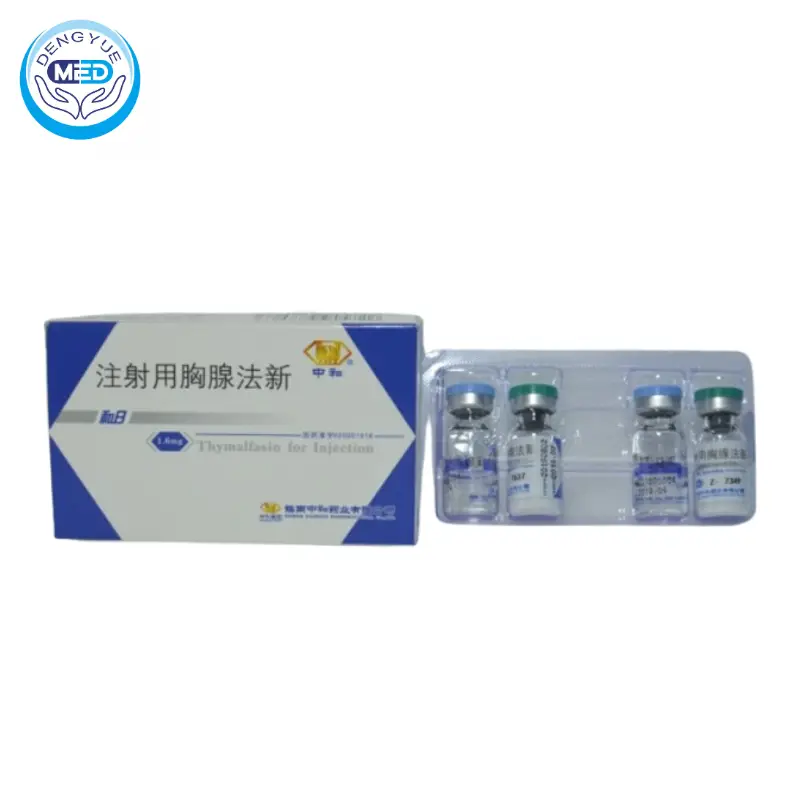
Thymalfasin for Injection – Adjuvant for Influenza Vaccine
-
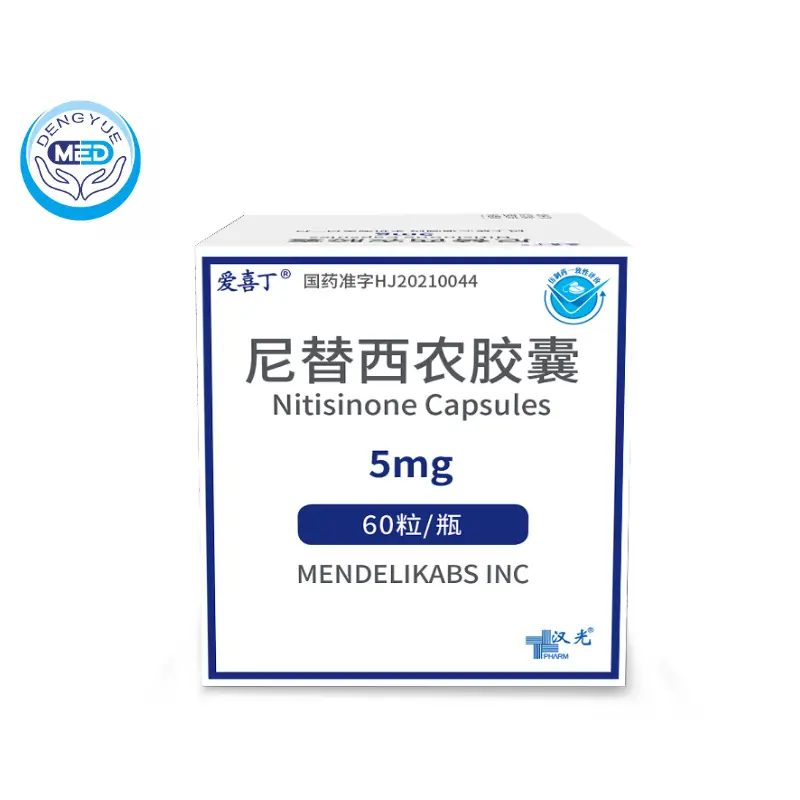
Nitisinone Capsules | Hereditary Tyrosinemia Type 1
-
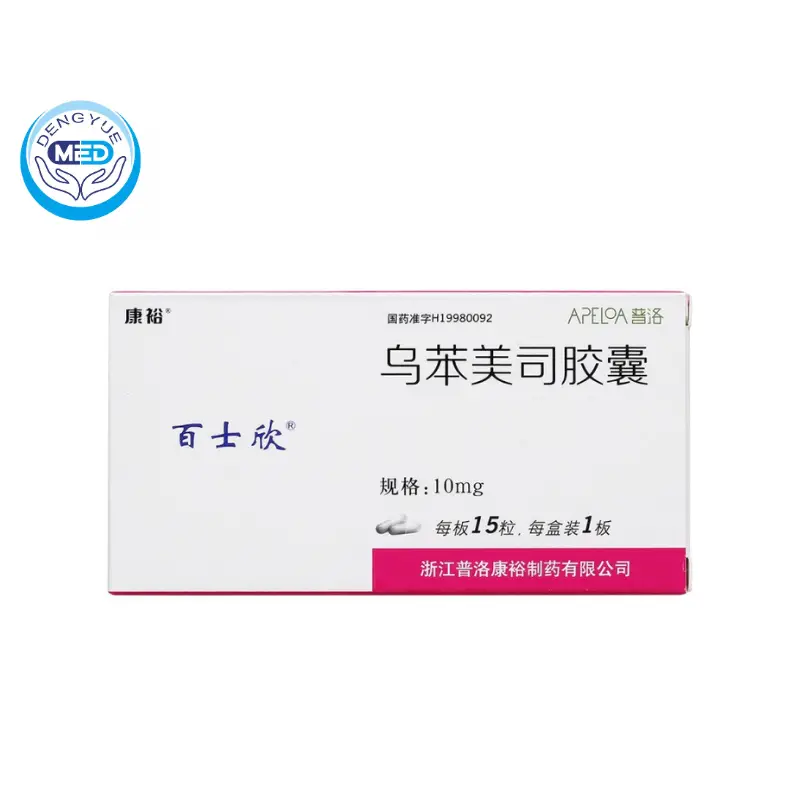
Ubenimex Capsules|Enhancement of immune function
-
Spesolimab Injection | Psoriatic Arthritis Treatment
-
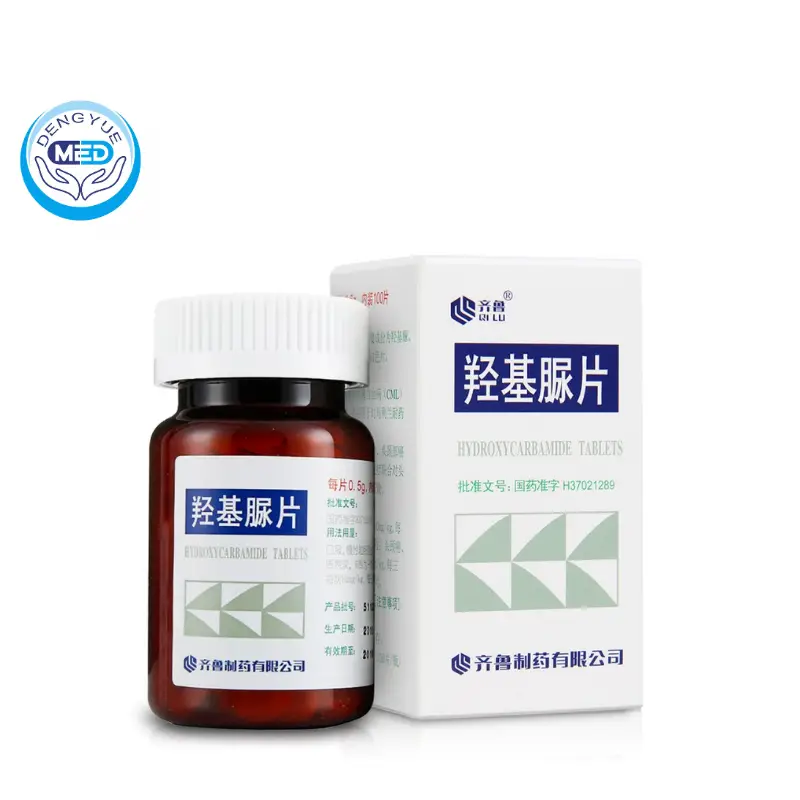
Hydroxycarbamide Tablets | Treatment of Leukemia

Reviews
There are no reviews yet.