
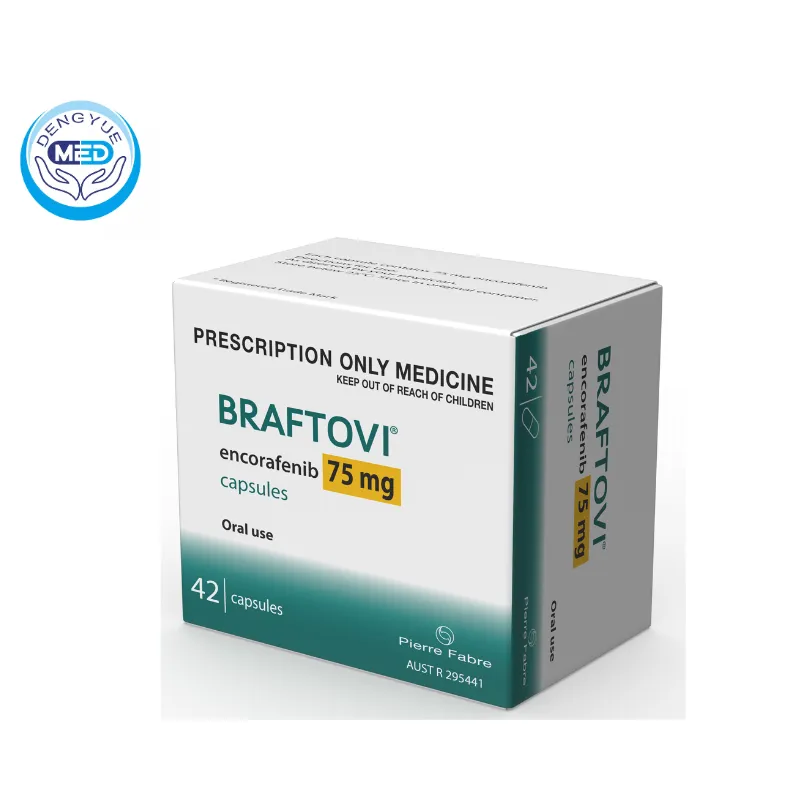
Encorafenib|Non-Small Cell Lung Cancer|HongKong DengYue Medicine
- Generic Name/Brand Name: Encorafenib / Braftovi
- Indications: Advanced non-small cell lung cancer (NSCLC)
- Dosage Form: Capsules for oral administration
- Specification: Available as 75 mg hard gelatin capsules
Encorafenib Application Scope
Encorafenib is indicated for the treatment of:
Unresectable or metastatic melanoma with BRAF V600E or V600K mutations, in combination with binimetinib.
Metastatic colorectal cancer (CRC) with a BRAF V600E mutation, in combination with cetuximab, after prior therapy.
Advanced non-small cell lung cancer (NSCLC) with a BRAF V600E mutation, in combination with binimetinib.
Characteristics
Ingredients:
Inactive Ingredients: Microcrystalline cellulose, lactose monohydrate, croscarmellose sodium, magnesium stearate, and other excipients.
Properties:
Encorafenib is an ATP-competitive RAF kinase inhibitor that targets BRAF mutations, leading to decreased tumor cell proliferation.
Packaging Specification:
Supplied in cartons containing two bottles of 60 or 90 capsules each.
Storage:
Store at 20°C to 25°C (68°F to 77°F); excursions permitted between 15°C and 30°C (59°F and 86°F).
Expiry Date:
Refer to the packaging for the expiration date.
Executive Standard:
Complies with FDA and EMA regulatory standards.
Approval Number:
FDA NDA #210496.
Date of Revision:
Refer to the latest prescribing information for the most recent revision date.
Manufacturer:
Originally developed by Array BioPharma Inc.; currently marketed by Pfizer Inc.
Guidelines for the Use of Encorafenib
Dosage and Administration:
Melanoma (with binimetinib): 450 mg (six 75 mg capsules) orally once daily.
Colorectal Cancer (with cetuximab): 300 mg (four 75 mg capsules) orally once daily.
NSCLC (with binimetinib): 450 mg orally once daily.
Adverse Reactions:
Common side effects include:
Fatigue
Nausea
Diarrhea
Vomiting
Abdominal pain
Arthralgia
Contraindications:
Known hypersensitivity to encorafenib or any component of the formulation.
Precautions:
Monitor for QT prolongation; use caution in patients with a history of QT prolongation or those on medications that may prolong QT interval.
Assess for new malignancies; dermatologic evaluations are recommended before, during, and after treatment.
Evaluate liver function tests periodically during treatment.
Interactions
Drug Interactions:
Avoid coadministration with strong or moderate CYP3A4 inhibitors (e.g., ketoconazole, clarithromycin) as they can increase encorafenib plasma concentrations.
Avoid grapefruit juice during treatment.
If coadministration with CYP3A4 inhibitors is unavoidable, dose adjustments of encorafenib may be necessary.
Note:
- If there is a new packaging for the drug, the new packaging shall prevail. The above information is sourced from DengYue Medicine.
- It is only for internal discussion among medical staff and does not serve as a basis for medication. For specific medication guidelines, please consult the attending physician.
Related products
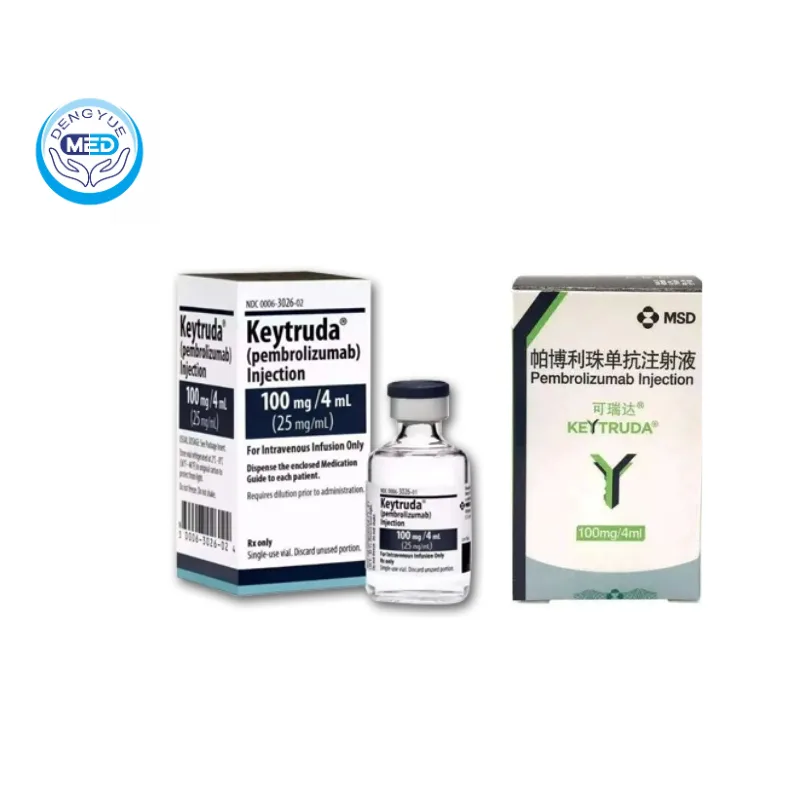
Keytruda (Pembrolizumab) – NSCLC | HongKong DengYue Medicine
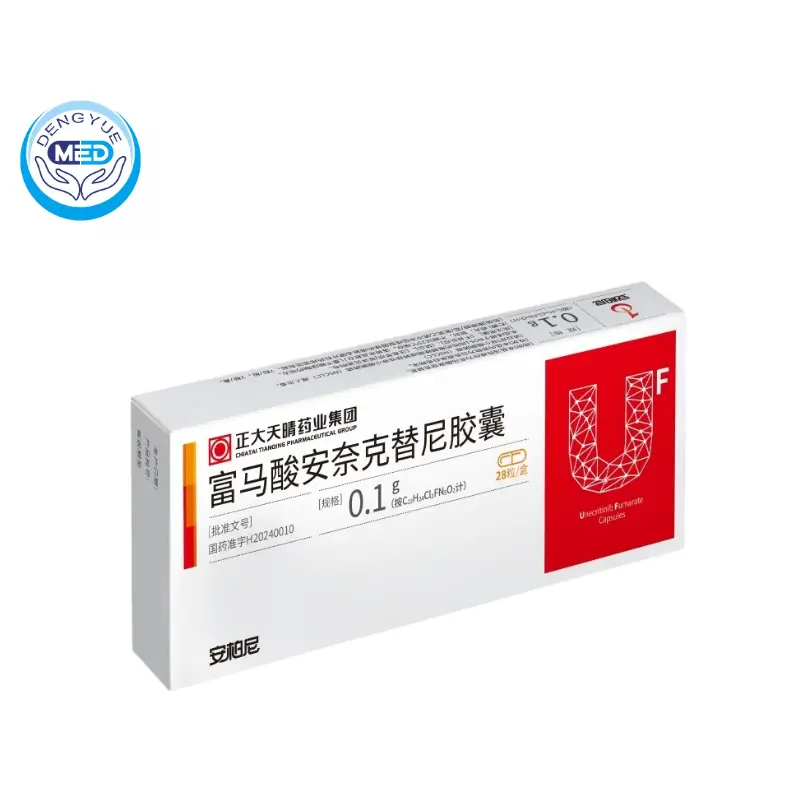
Unecritinib Fumarate Capsules | Lung Cancer
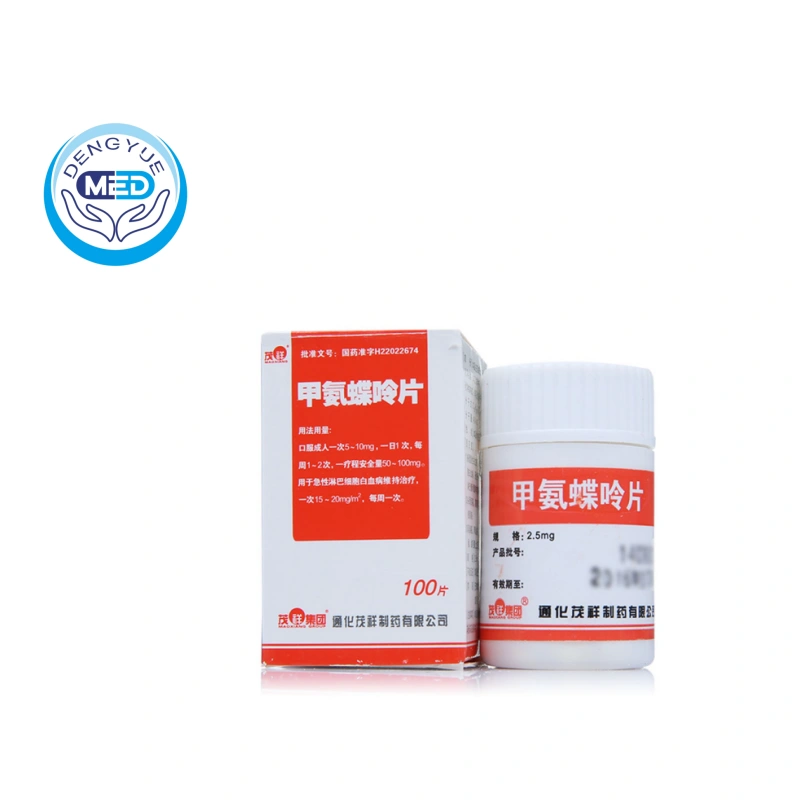
Methotrexate 2.5mg Tablets | Cancer Chemotherapy

Tetrandrine Tablets | Anti Rheumatism | Lung Cancer
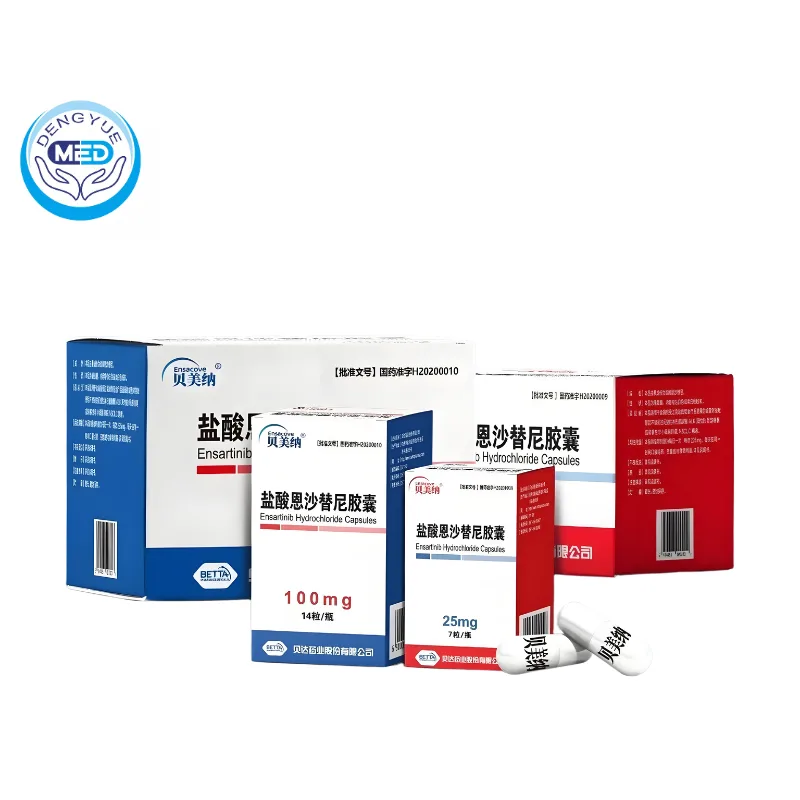
Ensartinib | Non-small Cell Lung Cancer | HongKong DengYue Medicine
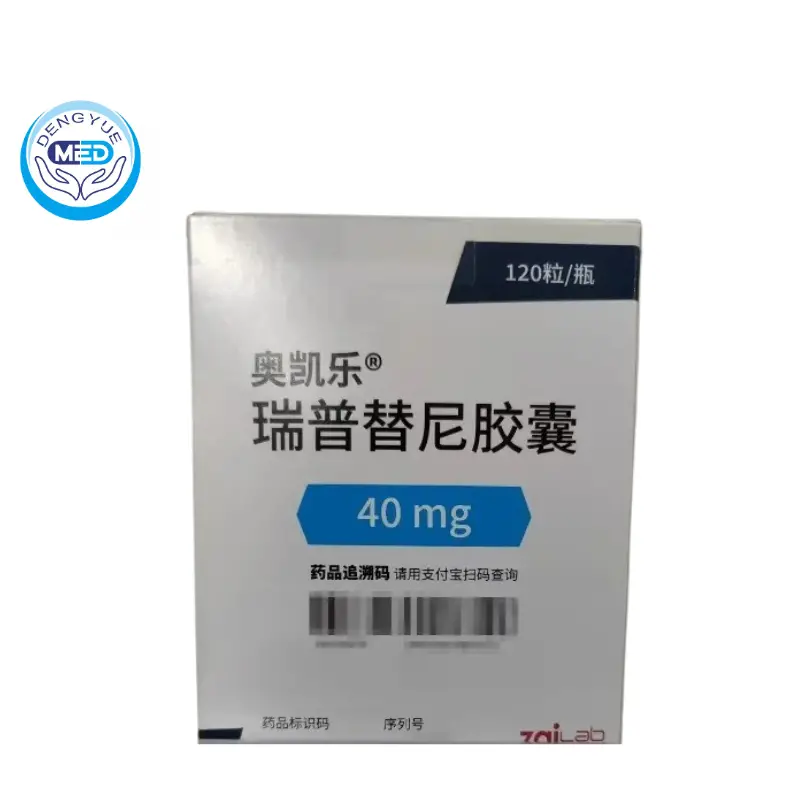
Repotrectinib NTRK | Non-small Cell Lung Cancer
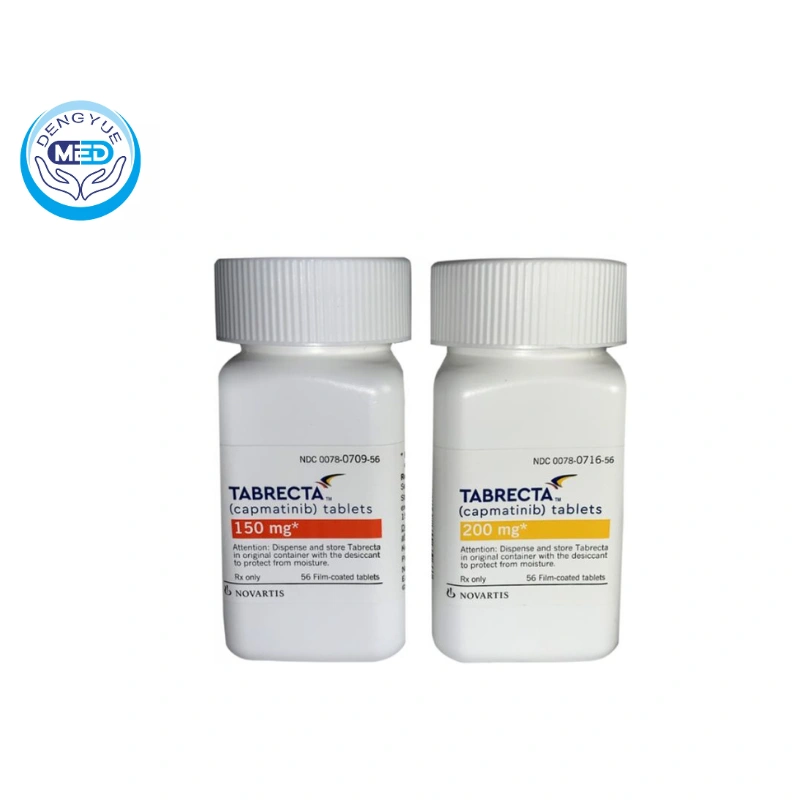
Capmatinib|Non-Small Cell Lung Cancer (NSCLC)
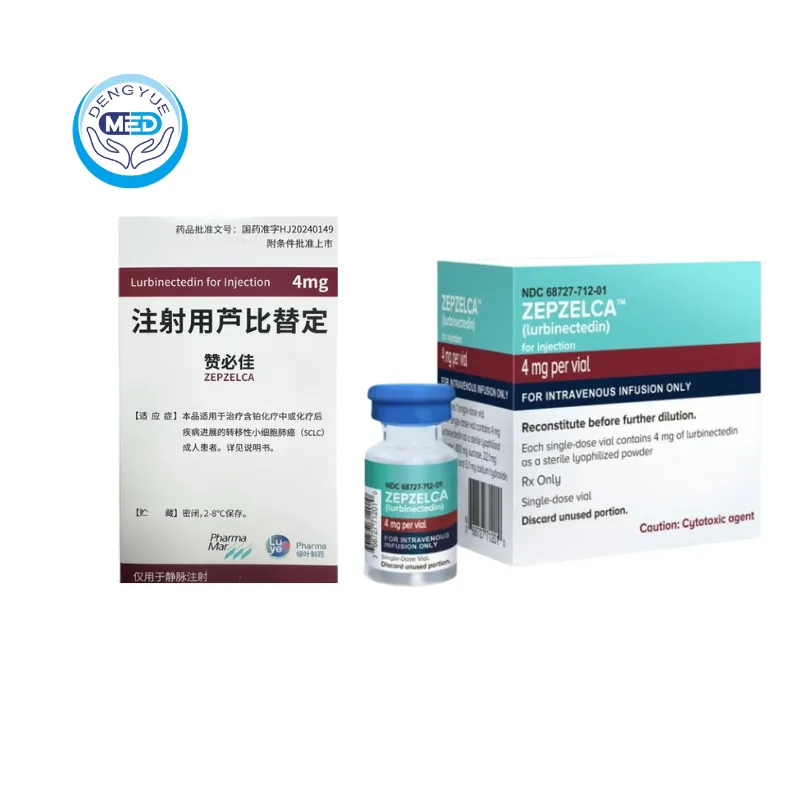
Zepzalca (Lurbinectedin) – NSCLC|HongKong DengYue Medicine
Reviews
There are no reviews yet.