
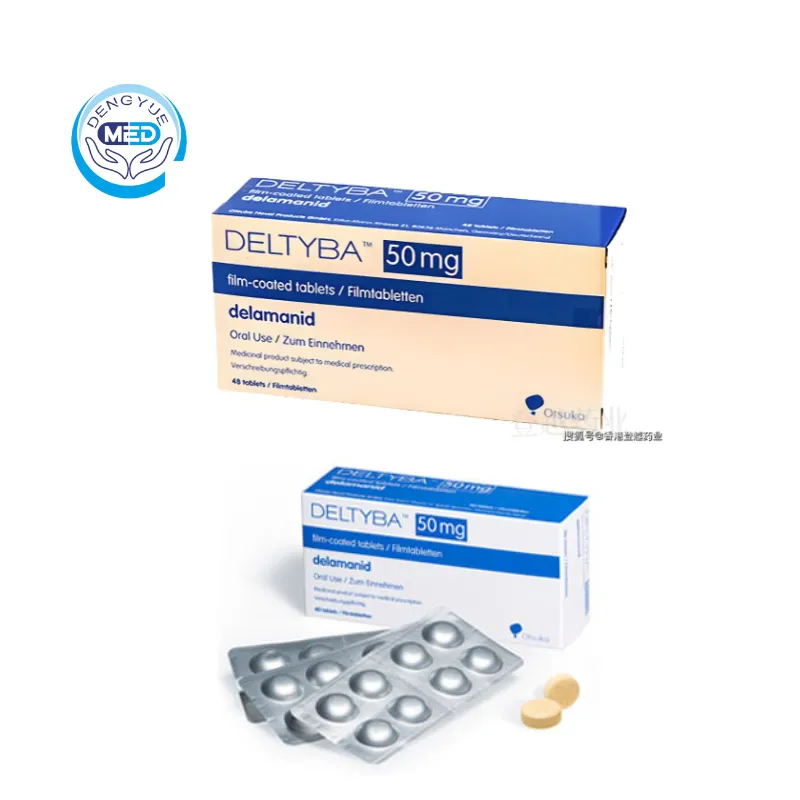
Deltyba (delamanid) – MDR-TB | HongKong DengYue Medicine
- Generic Name/Brand Name:Delamanid/Deltyba™
- Indications:MDR-TB
- Dosage Form: Film-coated tablet,Dispersible tablet
- Specification: 50 mg film-coated tablet/per pack
Delamanid Application Scope
Delamanid is indicated for the treatment of pulmonary multidrug-resistant tuberculosis (MDR-TB) as part of an appropriate combination regimen in:
Adults and adolescents (≥6 years old) with confirmed MDR-TB
Children aged ≥3 years (using age-appropriate formulations)
When effective treatment cannot otherwise be provided due to resistance or intolerance
deltyba delamanid
Delamanid Characteristics
Ingredients:
Active: Delamanid 50 mg per film-coated tablet (or 25 mg dispersible tablet in pediatrics)
Excipients: includes lactose monohydrate (100 mg per 50 mg tablet); full list in SmPC section 6.1
Properties:
Oral nitro‑imidazooxazole‑class antibiotic that inhibits the synthesis of mycolic acids in Mycobacterium tuberculosis, causing bacterial cell‑wall destabilization and death
Bactericidal agent active against MDR‑TB when used in combination regimen
Packaging Specification:Round, yellow film‑coated tablets, 11.7 mm diameter, debossed with “DLM” and “50” (for 50 mg tablet), or round white to off‑white dispersible tablets for pediatric strengths
Storage:Store at room temperature; protect from moisture; follow local label storage specifics (SmPC)
Expiry Date:As per packaging label; typically 24 months (check manufacturing label specifics). Standard expiry is end of stated month on the label. (Exact shelf‑life not specified in sources.)
Executive Standard: EMA EU marketing authorisation under EU/1/13/875 for Deltyba® for MDR‑TB therapy
Approval Number:
EMA conditional marketing authorisation granted April 28, 2014 (Deltyba®)
Also approved by Japan’s PMDA in July 2014 (as OPC‑67683 / Deltyba)
Date of Revision:Most recent SmPC revision published ~4 months ago per EMA product information document accessed recently
Manufacturer:Otsuka Pharmaceutical Co., Ltd. (Japan), marketed in EU and globally under the brand name Deltyba®
Guidelines for the Use of Deltyba
Dosage and Administration:
Recommended Dose: 100 mg twice daily (total daily dose 200 mg) taken orally for 24 weeks, in combination with an appropriate multidrug regimen for MDR-TB.
For pediatric patients (≥6 years and ≥20 kg): 50 mg twice daily (total 100 mg/day).Administration: Administer orally with food to improve absorption. Tablets should be swallowed whole with water and not crushed or chewed. Pediatric dispersible tablets may be dispersed in water for easier administration.
Missed Dose: If a dose is missed, it should be taken as soon as possible on the same day. If a full day is missed, do not double the dose the next day; continue with the regular dosing schedule.
Adverse Reactions:
Common Adverse Reactions (≥5% and >3% higher than placebo):
Nausea
Vomiting
Dizziness
QT prolongation
Hypokalemia
Serious Adverse Reactions:
QT prolongation with potential risk of cardiac arrhythmia
Hypokalemia requiring correction
Hepatic enzyme elevations (ALT, AST) in some patients
Electrocardiogram (ECG) abnormalities
Contraindications:
Known hypersensitivity to delamanid or any excipients
Severe liver impairment (Child-Pugh C)
QTc interval >500 ms at baseline
Concomitant use of strong CYP3A4 inducers (e.g., rifampicin, carbamazepine)
Precautions:
QT Prolongation:
Monitor ECG and electrolytes (K⁺, Mg²⁺, Ca²⁺) regularly. Avoid concomitant QT-prolonging drugs when possible.Hepatic Function:
Use with caution in patients with hepatic impairment; monitor liver enzymes regularly.Pregnancy and Lactation:
Not recommended during pregnancy or breastfeeding unless clearly needed. Women of childbearing potential should use effective contraception during treatment and for 5 months after.
Delamanid Interactions
- Delamanid may interact with drugs that prolong the QT interval or induce CYP3A4 enzymes, such as rifampicin, which can reduce its effectiveness or increase cardiac risk.
Note:
- If there is a new packaging for the drug, the new packaging shall prevail. The above information is sourced from DengYue Medicine.
- This content is for reference only. Prescription drugs must be used under a doctor’s guidance and purchased from authorized sources.
Related products
Agalsidase Alfa | Anti Fabry Disease
SIRTURO (Bedaquiline) – MDR-TB | HongKong DengYue Medicine
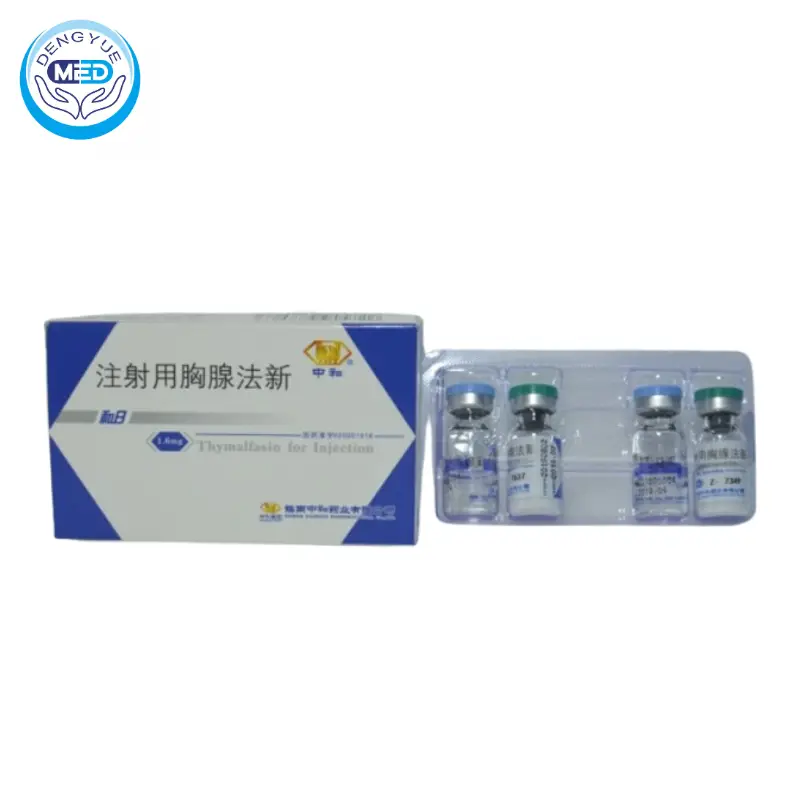
Thymalfasin for Injection – Adjuvant for Influenza Vaccine
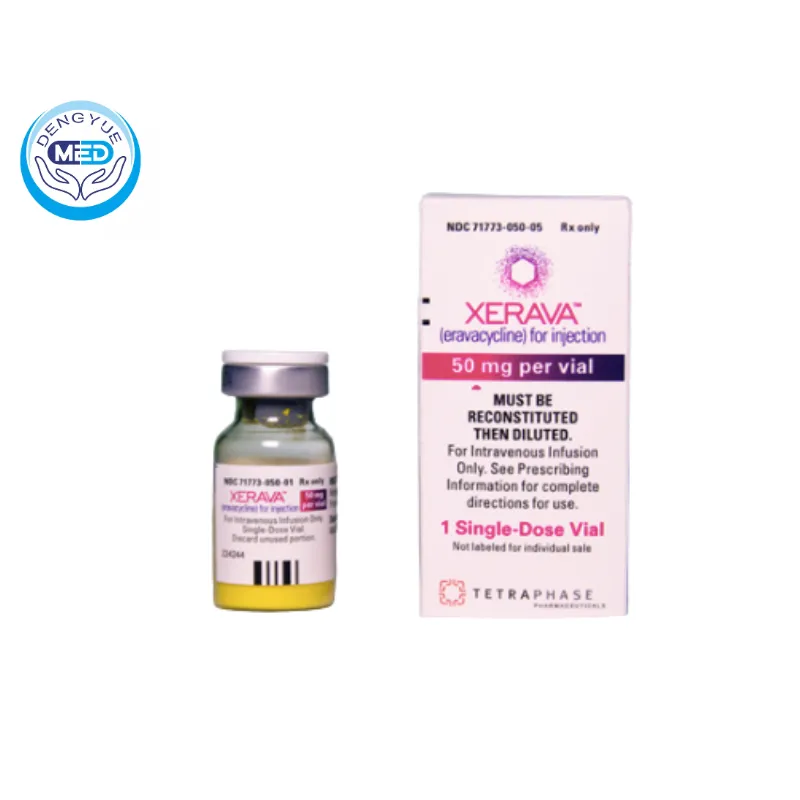
Xerava (Eravacycline) | CIAIs | HongKong DengYue Medicine
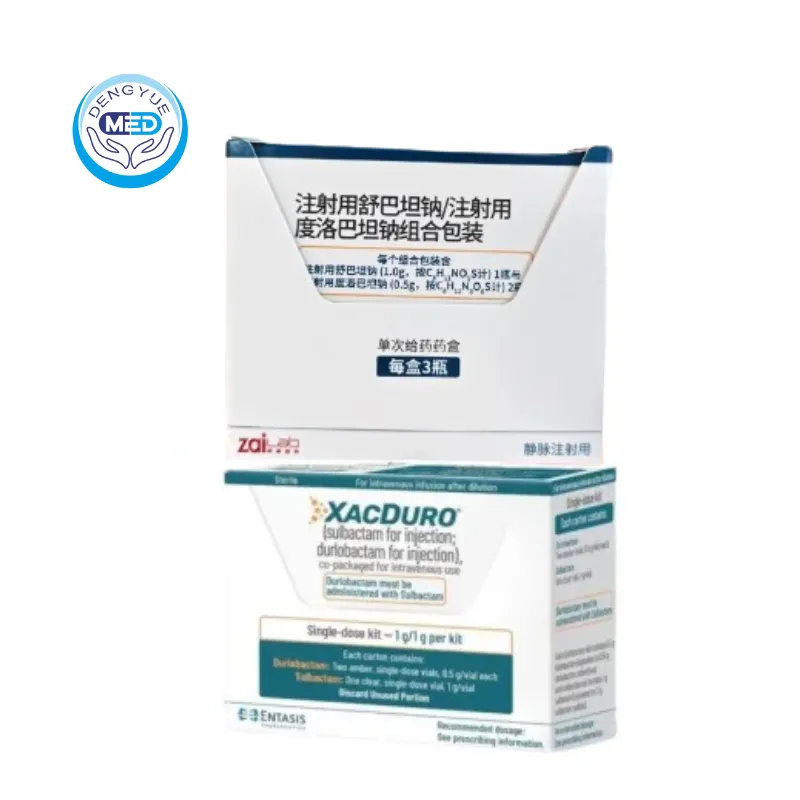
Sulbactam Durlobactam | Pneumonia | HK DengYue Med
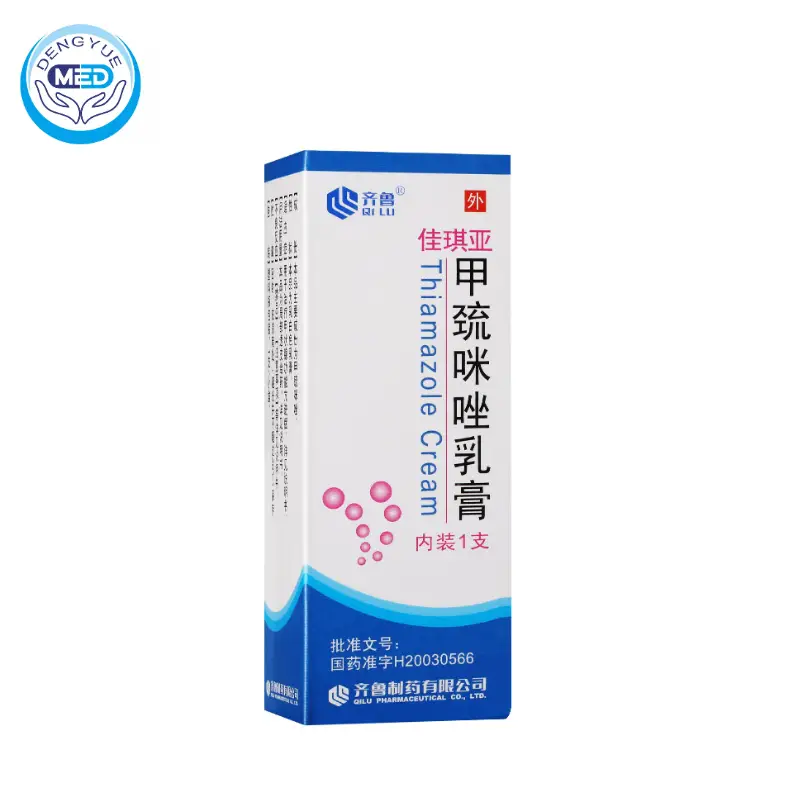
Thiamazole Cream | Anti Hyperthyroidism
Albuvirtide Injection (Aikening) – HIV | HongKong DengYue Medicine
Zavicefta (Ceftazidime and Avibactam Sodium) | CIAI | DengYue
Reviews
There are no reviews yet.