
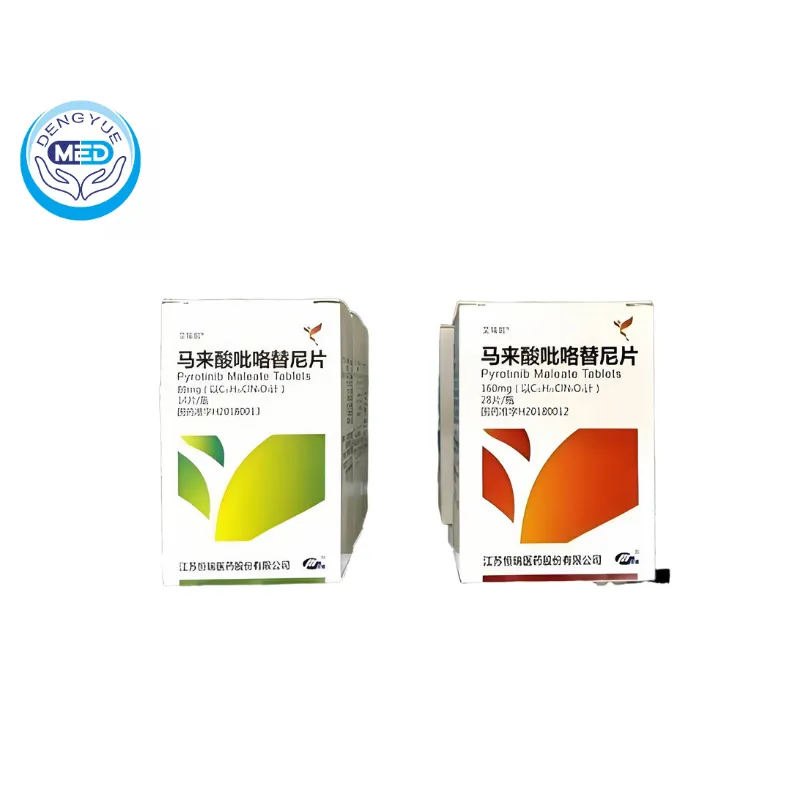
Irene (Pyrotinib) | Breast Cancer | HongKong DengYue Medicine
- Generic Name/Brand Name: Pyrotinib/Irene
- Indications: Breast cancer
- Dosage Form: Oral tablet
- Specification: 80mg × 14/100 tablets
Pyrotinib Application Scope
HER2-positive advanced or metastatic breast cancer — usually in patients previously treated with anthracycline/taxane and often alongside capecitabine or trastuzumab. It’s also studied as neoadjuvant therapy.
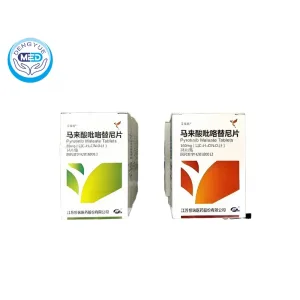
Pyrotinib Characteristics
-
Ingredients:
- Active: Pyrotinib maleate (irreversible dual EGFR/HER2/HER4 tyrosine kinase inhibitor)
-
Properties:
-
Small-molecule pan-ErbB (HER1/2/4) TKI
-
Irreversibly inhibits receptor phosphorylation, downregulating HER2 protein and signaling
-
-
Packaging Specification:
-
Strength: Typically 80 mg oral tablets
-
Package type: Bottles of 100 tablets (e.g., “80 mg × 100”)
-
-
Storage:
-
For tablets: store at controlled room temperature (manufacturer specifics not public)
-
For research-grade formulation: −20 °C storage (lab reference)
-
-
Expiry Date: Unknown
-
Executive Standard:
-
Approved by China’s NMPA with standards aligned to Chinese pharmaceutical regulations
-
Recognized by national guidelines (e.g., CSCO)
-
-
Approval Number: Approved by China’s NMPA in August 2018 for use with capecitabine in HER2-positive metastatic breast cancer
-
Date of Revision: Unknown
-
Manufacturer: Developed and marketed by Jiangsu Hengrui Medicine Co., Ltd.
Guidelines for the Use of Pyrotinib
-
Dosage and Administration:
-
Standard dosing: 400 mg orally once daily (typically 21-day cycles with breakfast)
-
Dose adjustments: Reduced to 320 mg or 240 mg if adverse effects occur
-
-
Adverse Reactions:
Common adverse events:
-
Diarrhea: up to ~80% of patients; some grade ≥3 (~16–25%)
-
Hematologic: anemia (~69%), neutropenia, leukopenia, thrombocytopenia (~30–70%)
-
Gastrointestinal: nausea/vomiting (~63%)
-
Others: fatigue (~51%), elevated liver enzymes, skin rash/itching, hypomagnesemia, upper respiratory infections (~5–36%)
-
-
Contraindications: No explicit formal contraindications published; likely contraindicated in patients with known hypersensitivity to pyrotinib components.
-
Precautions:
-
Manage diarrhea: standard antidiarrheal treatment (e.g., loperamide) is essential
-
Monitor blood counts and manage cytopenias with dose modifications
-
Liver function: watch for enzyme elevations and bilirubin increase (~5%)
-
Skin reactions: rash or pruritus require supportive care
-
Rare respiratory events (e.g., pneumonitis) — monitor cough or dyspnea
-
Pyrotinib Interactions
- Drug Interactions:
-
CYP3A4 metabolism: concomitant use of strong CYP3A4 inhibitors or inducers could alter plasma levels—avoid or adjust dosing
-
Antidiarrheals: loperamide used to control diarrhea; no known severe interaction.
-
Trastuzumab/capecitabine combos: widely used; no concerning interaction signals yet
Note:
- If there is a new packaging for the drug, the new packaging shall prevail. The above information is sourced from DengYue Medicine.
- It is only for internal discussion among medical staff and does not serve as a basis for medication. For specific medication guidelines, please consult the attending physician.
Related products
-

Letrozole Tablets|Breast cancer
-
Chloroxoquinoline Capsules | Lung Cancer
-
ENHERTU (Trastuzumab Deruxtecan) – HER2-driven cancers | HongKong DengYue Medicine
-
Herceptin (Trastuzumab) – Breast Cancer | HongKong DengYue Medicine
-
Perjeta (Pertuzumab) | Metastatic Breast Cancer | HongKong DengYue
-
Ibrance (Palbociclib) | Breast Cancer | HongKong DengYue
-
Inavolisib | Metastatic Breast Cancer | HongKong DengYue Medicine
-
Airuikang (Dalpiciclib Isethionate) | Breast Cancer



Reviews
There are no reviews yet.