
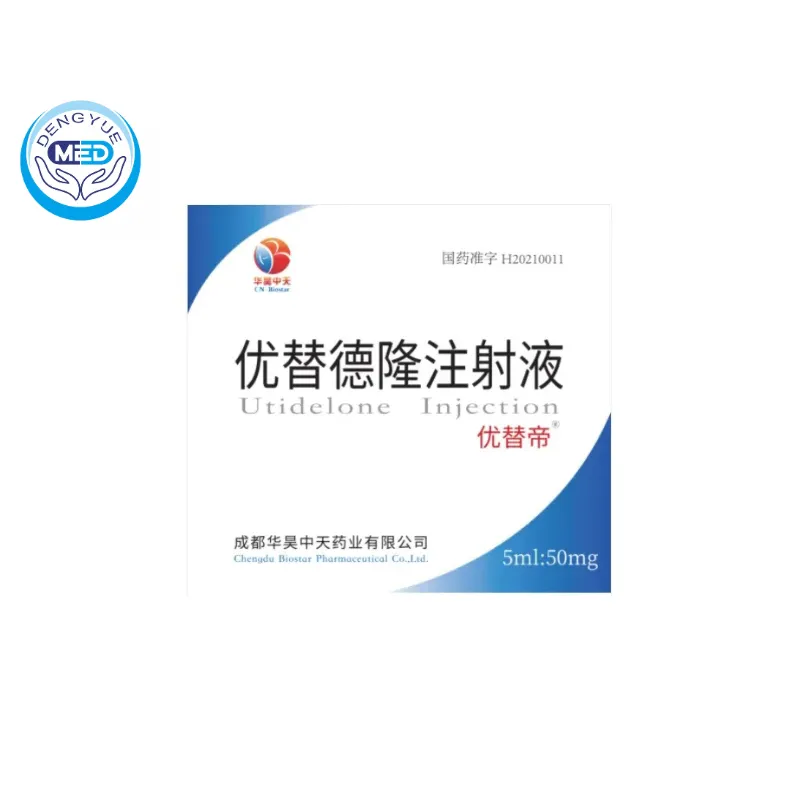
Utidelone Injection | Breast Cancer | HongKong DengYue Medicine
- Generic Name/Brand Name: Utidelone/Utidelone Injection
- Indications: Metastatic breast cancer
- Dosage Form: IV injection, sterile solution
- Specification: 5 mL: 50 mg x 1 vial
Utidelone Application Scope
-
Treatment of metastatic (recurrent or advanced) breast cancer, especially in patients previously treated with anthracyclines and taxanes.
-
Phase III trials underway for non-small cell lung cancer, gastric cancer, breast cancer neoadjuvant therapy, etc.
Characteristics
-
Ingredients:
-
Active ingredient: Utidelone (epothilone D analogue). Produced via microbial fermentation
-
Excipients: Not publicly listed (refer to full prescribing information/manufacturer
-
-
Properties:
-
Epothilone-based microtubule stabilizer distinct from taxanes.
-
Overcomes taxane resistance, crosses blood-brain barrier, low hematologic toxicity, tolerable peripheral neuropathy
-
-
Packaging Specification: 5 mL vial containing 50 mg Utidelone per vial
-
Storage: Unknown
-
Expiry Date: Unknown
-
Executive Standard: Chinese pharmacopoeia and NMPA GMP standards apply; specific number not publicly found.
-
Approval Number: Unknown
-
Date of Revision: Unknown
-
Manufacturer: Beijing Biostar Pharmaceuticals (Biostar Pharma)
Guidelines for the Use of Utidelone
-
Dosage and Administration:
-
Typical regimen: 40 mg/m² IV daily on days 1–5 every 21 days (based on NSCLC trials); breast cancer regimens are similar, often combined with capecitabine
-
Infusion administered under medical supervision; pre-treatment lab tests and monitoring recommended
-
-
Adverse Reactions:
-
Common: peripheral neuropathy (Grade 3 in ~23%), fatigue, diarrhea, nausea, vomiting
-
Hematologic: neutropenia, anemia, myelosuppression (mainly Grade 1–2)
-
Others: myalgia, arthralgia
-
-
Contraindications: Known hypersensitivity to Utidelone or formulation components; severe pre-existing neuropathy or bone marrow suppression implied.
-
Precautions:
-
Monitor blood counts regularly; manage cytopenias with supportive care.
-
Use caution in patients with liver or kidney impairment
-
Monitor for new or worsening neuropathy.
-
Interactions
- Drug Interactions: Potential CYP3A4 substrates—use cautiously with strong inhibitors/inducers; may exacerbate hematologic or neurologic toxicity when combined with other myelosuppressive/neurotoxic agents
Note:
- If there is a new packaging for the drug, the new packaging shall prevail. The above information is sourced from DengYue Medicine.
- It is only for internal discussion among medical staff and does not serve as a basis for medication. For specific medication guidelines, please consult the attending physician.
Related products
-

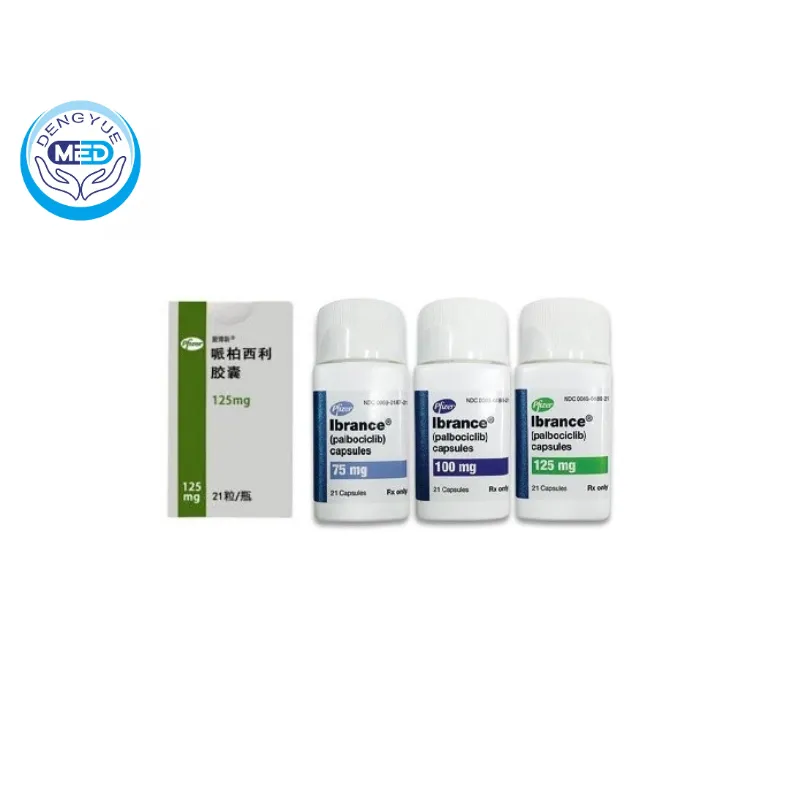
Ibrance (Palbociclib) | Breast Cancer | HongKong DengYue
-
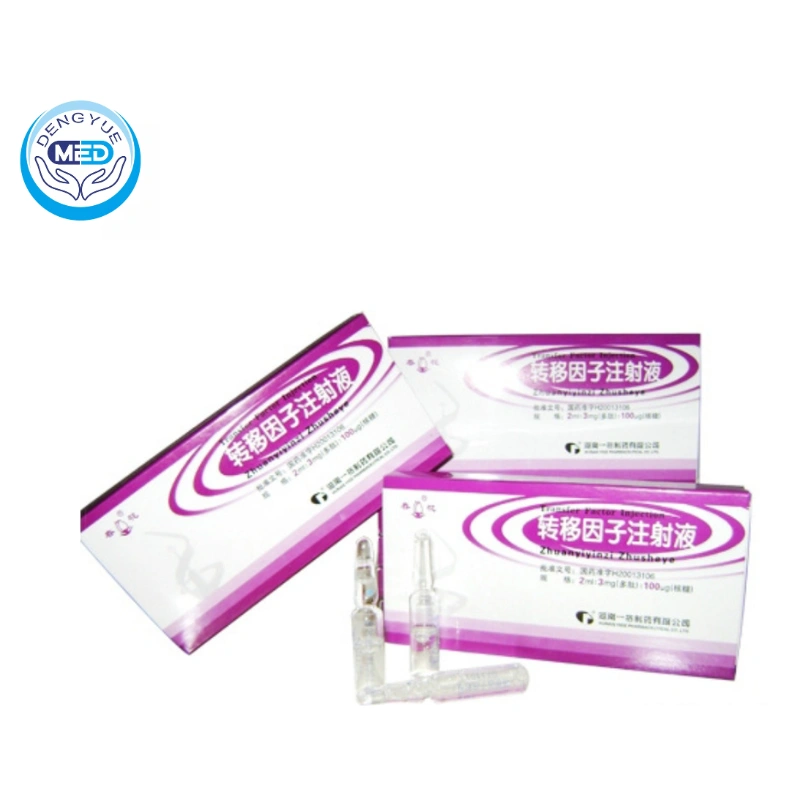
Transfer Factor Injection | Other Tumors | HK DengYueMed
-
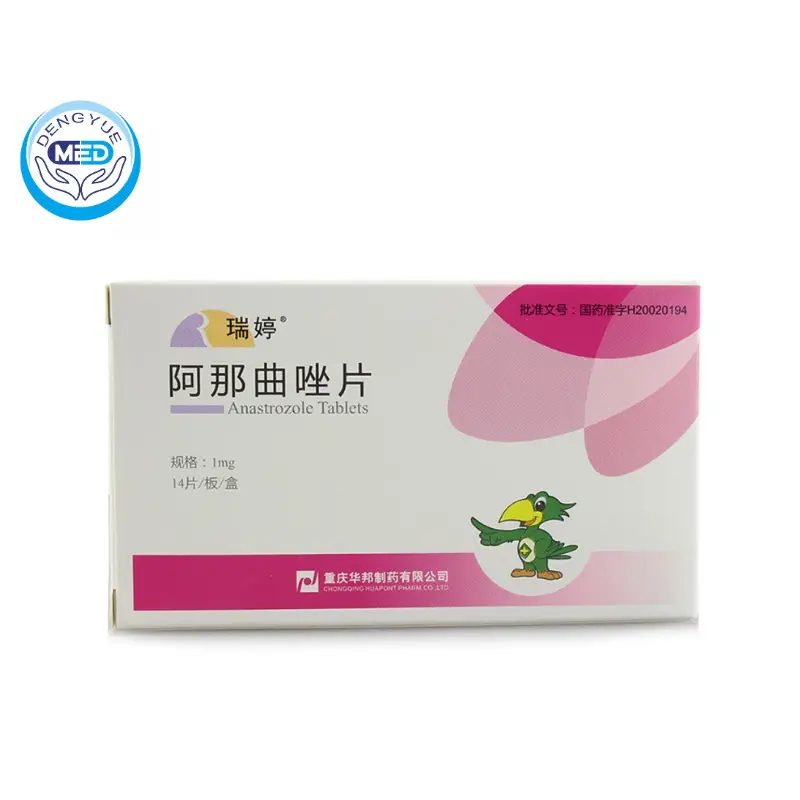
Anastrozole Tablets | Early Breast Cancer | HK DengYueMed
-
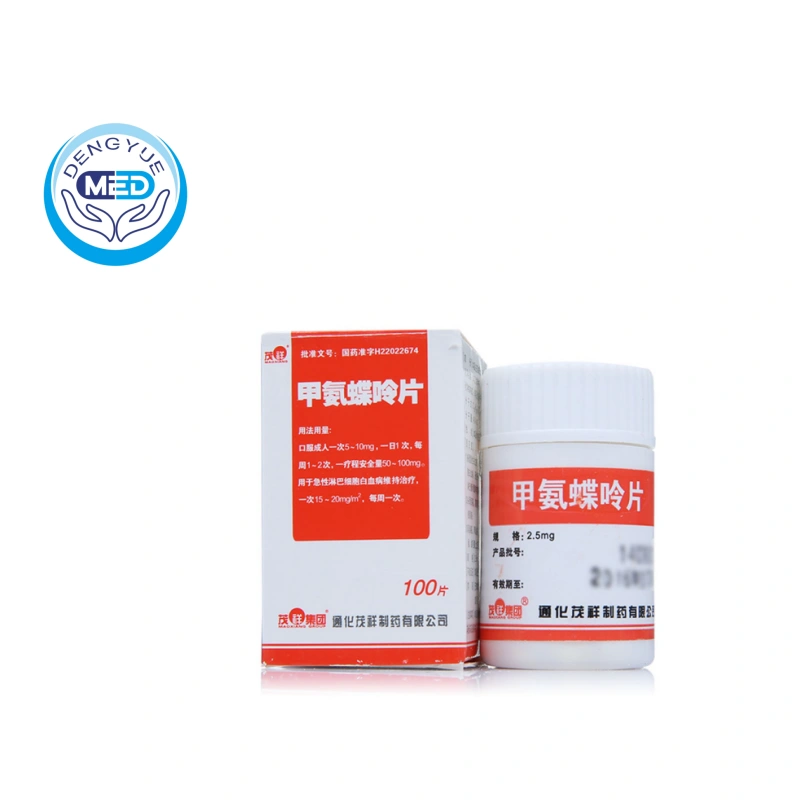
Methotrexate 2.5mg Tablets | Cancer Chemotherapy
-
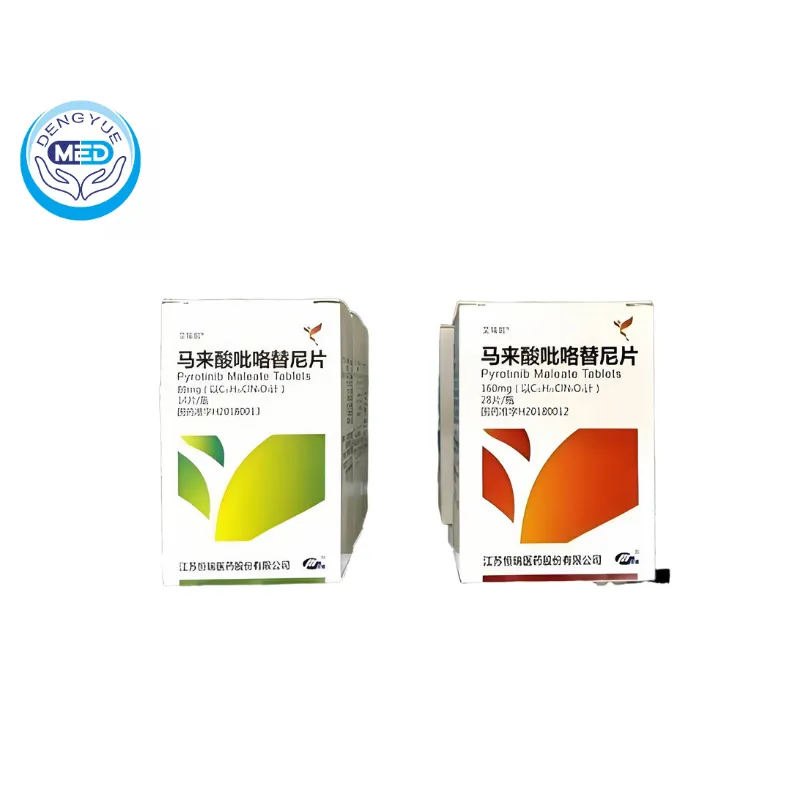
Irene (Pyrotinib) | Breast Cancer | HongKong DengYue Medicine
-
Capecitabine Tablets|Metastatic Breast Cancer
-
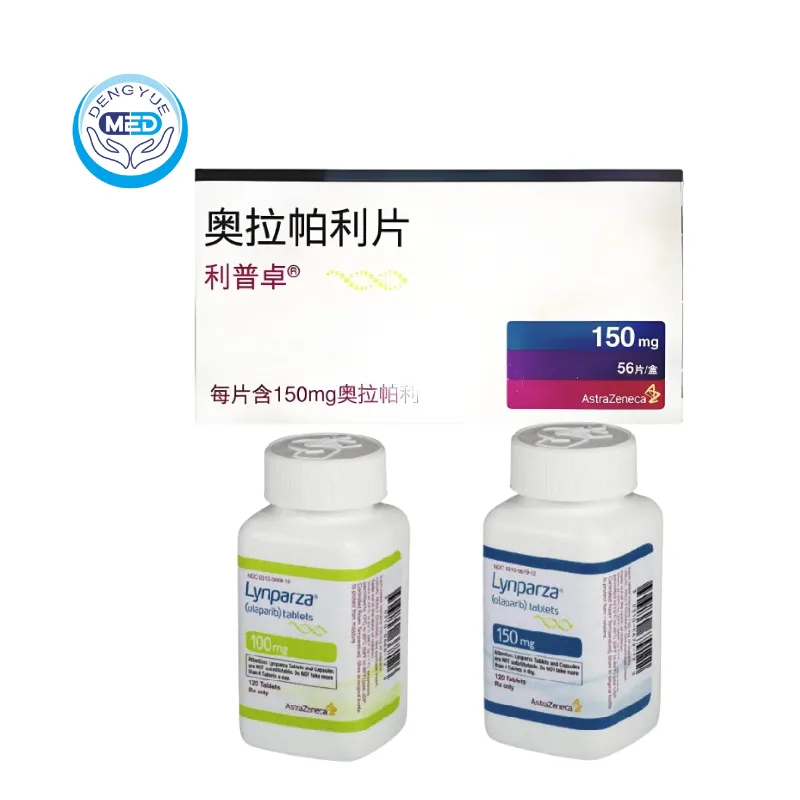
Lynparza (Olaparib) – Ovarian Cancer | HongKong DengYue Medicine
-

Sacituzumab Tirumotecan For Injection|Triple negative breast cancer |HongKong DengYue Medicine

Reviews
There are no reviews yet.