
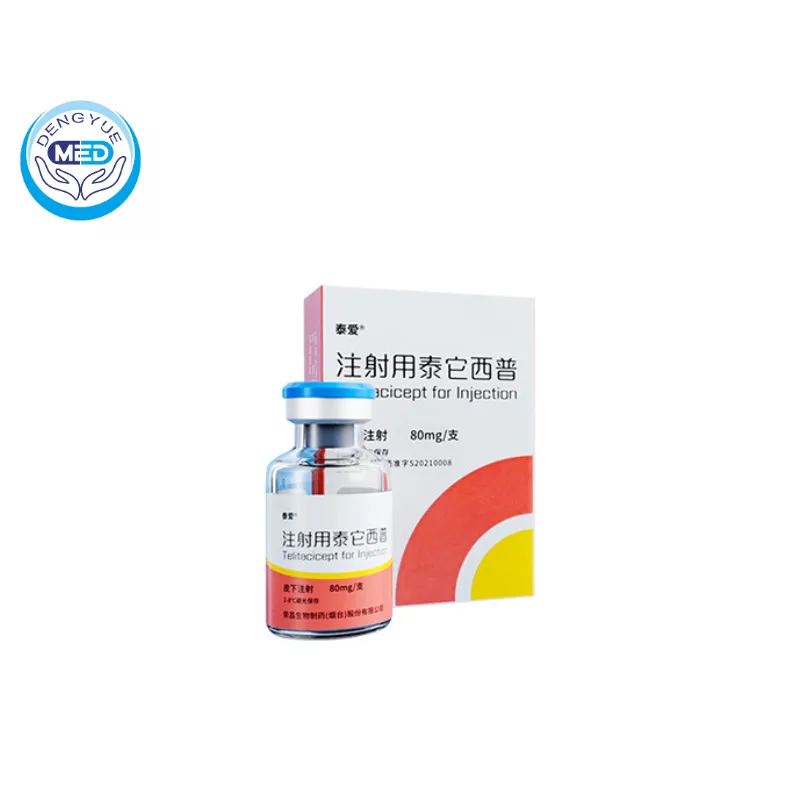
Taiai (Telitacicept) – SLE | HongKong DengYue Medicine
- Generic Name/Brand Name: Telitacicept/Taiai
- Indications: Autoantibody-positive systemic lupus erythematosus (SLE)
- Dosage Form: Lyophilized powder for subcutaneous injection
- Specification: 80 mg x 1 vial
Telitacicept Application Scope
Is indicated (in China) as an add-on therapy for adult patients with active, autoantibody-positive systemic lupus erythematosus (SLE).
It is under clinical investigation (and in some jurisdictions receiving additional approvals or designations) for other B-cell mediated autoimmune diseases such as IgA nephropathy (IgAN), rheumatoid arthritis (RA), primary Sjögren’s syndrome (pSS), generalized myasthenia gravis (gMG), multiple sclerosis (MS), and others.
Recent regulatory updates and company announcements show expanding indications and investigational uses.
Telitacicept Characteristics
Ingredients: Telitacicept
Properties: The lyophilized powder is a white to pale yellow loose mass. After reconstitution, it forms a colorless to pale yellow, clear liquid
Packaging Specification: 80 mg/vial. Packaging: 2 vials / box
Storage: Store at 2-8°C (36-46°F). Protect from light. Do not freeze. Keep in the original carton
Expiry Date: 24 months
Executive Standard: YBS00132021
Approval Number: National Drug Approval Number: S20210008
Date of Revision: For the label revision date, refer to the packaging insert—labels include a “date of revision” or “update” entry.
Manufacturer: Remegen
Guidelines for the Use of Telitacicept
Dosage and Administration:
Recommended Dose: The recommended dose for adults is 160 mg administered subcutaneously once weekly.
After the disease is stable, the dose may be reduced to 80 mg once weekly based on the physician’s assessment of the patient’s safety and toleranceAdministration: Reconstitute lyophilized vial(s) per label (e.g., 80 mg vial reconstituted with specified volume to yield isotonic injection); administer subcutaneously (preferred sites: abdomen, thigh, upper arm — follow local injection guidance). Rotate injection sites. If using prefilled syringes, use per manufacturer instructions. Health professionals should supervise and instruct patients on safe injection technique.
Missed Dose: If a dose is missed, administer it as soon as possible. Then, resume the regular weekly dosing schedule.
Adverse Reactions:
Common Adverse Reactions: Upper respiratory tract infections, urinary tract infections, injection-site reactions, decreased immunoglobulin levels (hypogammaglobulinemia), and transient laboratory abnormalities (e.g., reduced IgG/IgM, changes in blood counts). Overall adverse event rates in trials were similar to placebo for many endpoints; infections are the most common AE group.
Serious Adverse Reactions: Serious infections can occur with B-cell targeting therapies; monitor for signs of infection. Serious adverse events occurred in clinical trials but rates varied; evaluate patient risk (history of recurrent infections, immunodeficiency) before use. Rare but serious immune or neurologic events have been reported with some B-cell agents—monitor per label.
Contraindications:
Known hypersensitivity to telitacicept or any excipients.
Active severe infection or uncontrolled infection (use with caution — defer until infection is controlled).
Follow local product label for full contraindications.
Precautions:
Monitor immunoglobulin levels (IgG/IgM) and B-cell counts as clinically indicated; consider vaccination status prior to initiating therapy (avoid live vaccines while on therapy).
Use with caution in patients with a history of recurrent or chronic infections.
Pregnancy and breastfeeding: consult the label; limited human data — weigh benefits/risks and involve specialists as needed.
Concomitant immunosuppressants may increase infection risk — monitor closely.
Telitacicept Interactions
No formal drug-drug interaction studies have been conducted.
In clinical trials, it has been administered concomitantly with corticosteroids, antimalarials, NSAIDs, and other immunosuppressants (e.g., azathioprine, mycophenolate mofetil, cyclophosphamide, methotrexate) without evidence of clinically significant pharmacokinetic interactions.
Note:
- If there is a new packaging for the drug, the new packaging shall prevail. The above information is sourced from DengYue Medicine.
- This content is for reference only. Prescription drugs must be used under a doctor’s guidance and purchased from authorized sources.
Related products
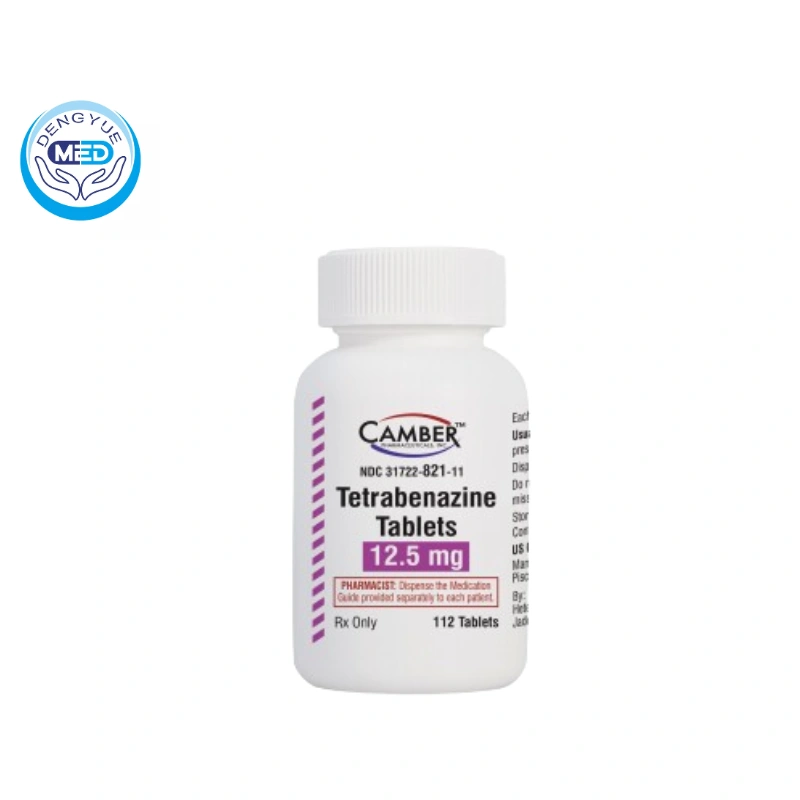
Tetrabenazine Tablets | Huntington’s Disease | DengYueMedicine
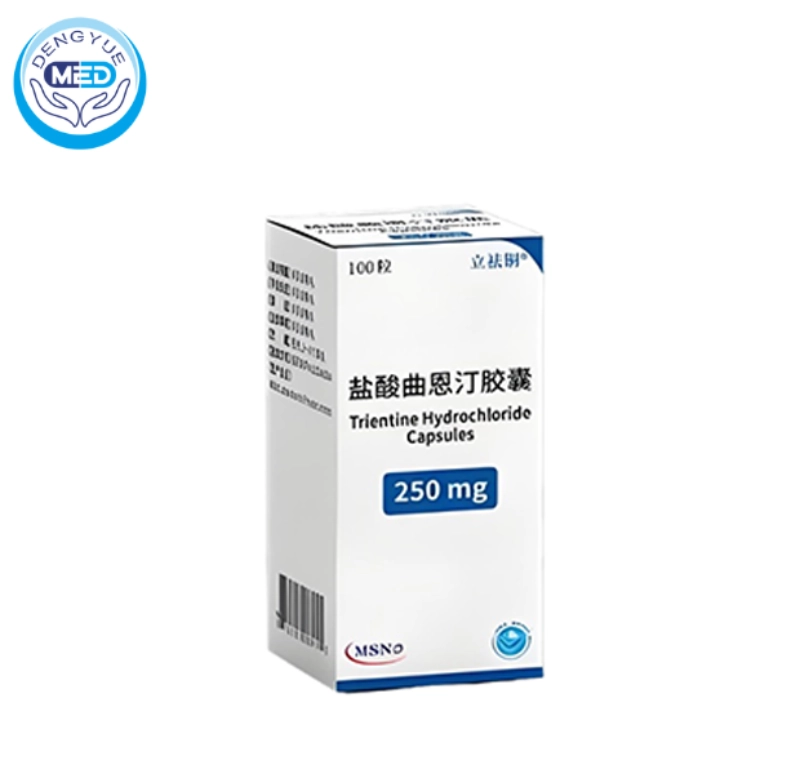
Syprine Trientine Hydrochloride Tablets | Wilson’s Disease | DengYueMedicine

Spesolimab Injection | Psoriatic Arthritis Treatment
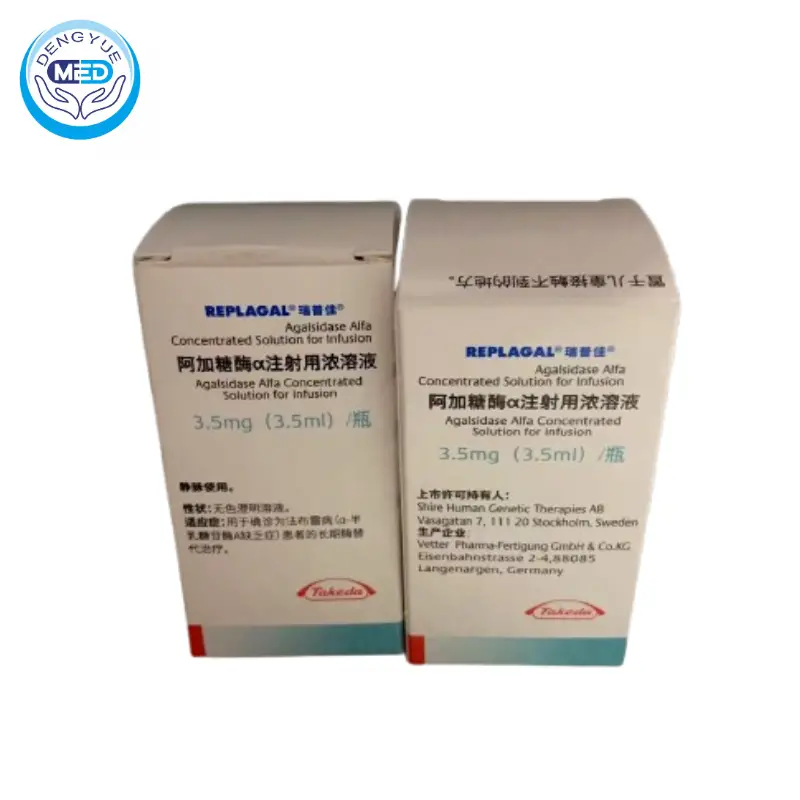
Agalsidase Alfa | Anti Fabry Disease
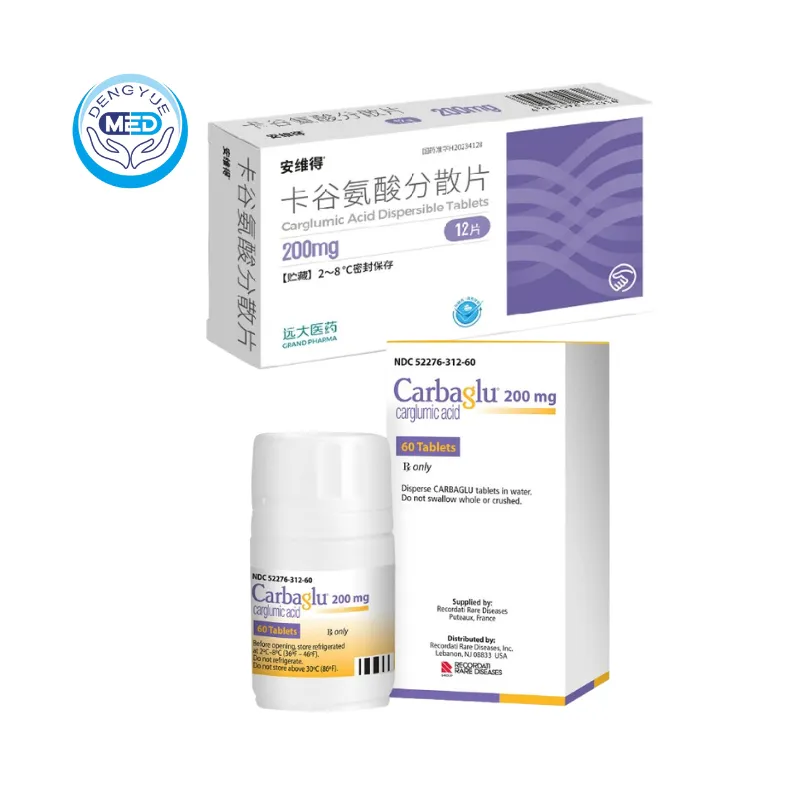
Carbaglu Carglumic Acid | Urea Cycle Disorders | HK DengYueMedicine
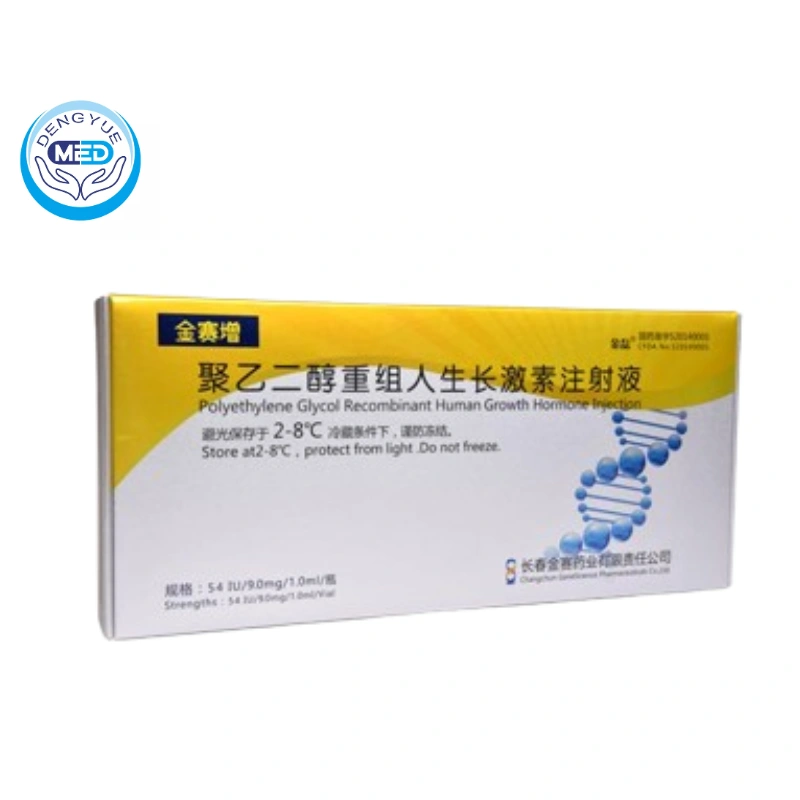
Recombinant Human Somatropin | Growth Hormone Deficiency | DengYueMedicine
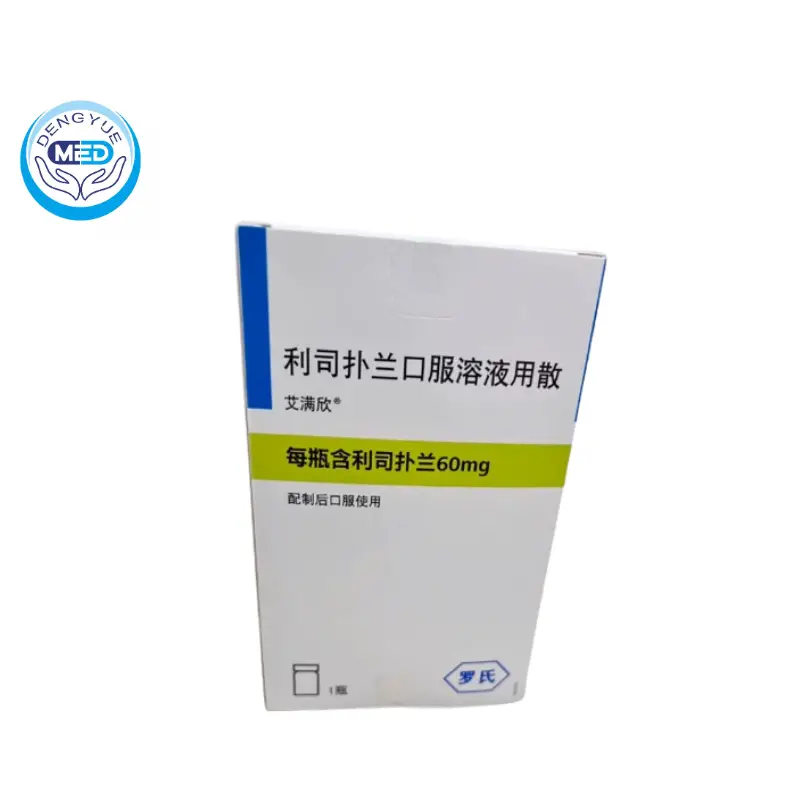
Risdiplam Oral Solution For Spinal Muscular Atrophy
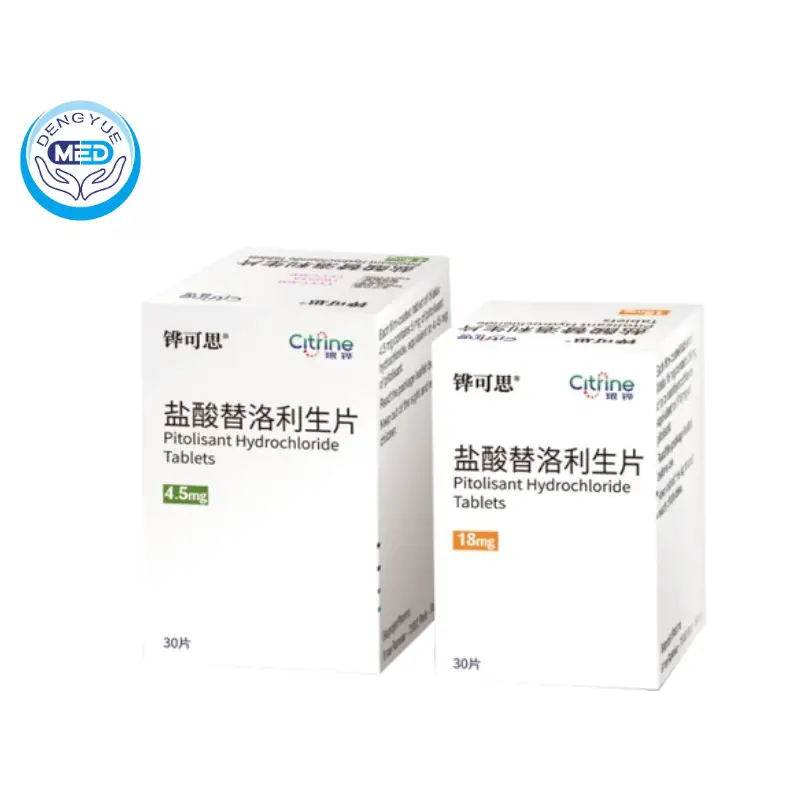
Pitolisant Hydrochloride Tablets
Reviews
There are no reviews yet.