
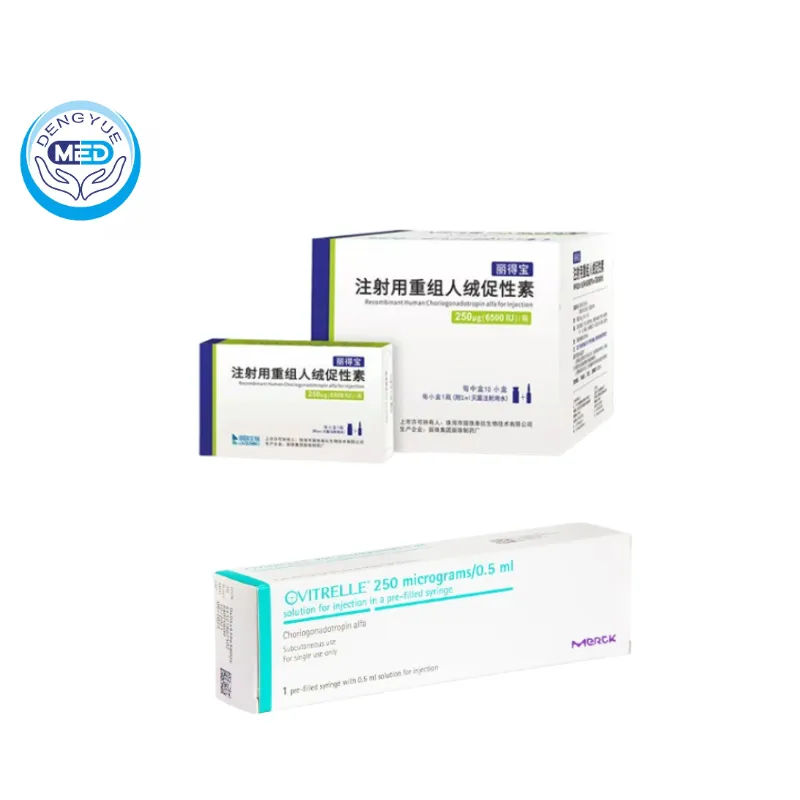
Ovidrel (rhCG) – Ovulation Induction | HongKong DengYue Medicine
- Generic Name/Brand Name: Recombinant Human Chorionic Gonadotropin/Ovidrel
- Indications: Ovulation Induction
- Dosage Form: Injection
- Specification: 250 µg r‑hCG/0.5 mL × 1 pre-filled syringe/pen
Ovidrel Application Scope
Ovidrel is used to trigger final follicular maturation and ovulation in women undergoing fertility treatment (e.g., assisted reproductive technologies, ovulation induction) when adequate follicular development has been achieved under stimulation.
Ovidrel Characteristics
Ingredients: Recombinant Human Chorionic Gonadotropin
Properties: A clear, colorless solution for subcutaneous injection
Packaging Specification: Pre-filled syringe containing 250 mcg (approximately 6,500 IU) of choriogonadotropin alfa in 0.5 ml solution
Storage: Store at 2°C to 8°C (36°F to 46°F)
Expiry Date: As stated on the packaging
Executive Standard: Manufactured under approved biologics standards
Approval Number: Varies by country (e.g., BLA 021-059 in the USA, EU/1/00/145/001 in Europe)
Date of Revision: Please refer to the latest official package insert for the most recent revision date
Manufacturer: EMD Serono, Inc.
Guidelines for the Use of Ovidrel
Dosage and Administration:
Recommended Dose:
For Assisted Reproductive Technology (ART): A single dose of 250 mcg.
For Ovulation Induction (OI): A single dose of 250 mcg.
Administration:
For subcutaneous injection only.
Administer one day following the last dose of follicle-stimulating agent (e.g., FSH or hMG).
Ovulation, or egg retrieval, is expected to occur approximately 36 hours after the Ovidrel injection.
Missed Dose: Contact your physician immediately if you suspect you have missed your dose or administered it at the wrong time. The timing of the injection is critical for the success of the treatment cycle.
Adverse Reactions:
Common Adverse Reactions:
In women: headache, nausea, abdominal pain, injection site reactions (bruising, pain, redness), ovarian hyperstimulation syndrome (OHSS), ovarian cysts, breast pain, fatigue, and irritability.
In men: (Used off-label) Acne, injection site reactions, gynecomastia, and irritability.
Serious Adverse Reactions:
Severe Ovarian Hyperstimulation Syndrome (OHSS): A serious medical condition characterized by enlarged ovaries, abdominal pain, distension, nausea, vomiting, rapid weight gain, and, in severe cases, fluid accumulation in the abdomen and chest, and thromboembolic events. This is the most significant risk.
Ectopic pregnancy and miscarriage.
Thromboembolic events (blood clots).
Allergic reactions (rash, hives, swelling, rarely anaphylaxis)
Contraindications:
Hypersensitivity to hCG or any of the excipients.
Primary ovarian failure.
Uncontrolled thyroid or adrenal dysfunction.
Presence of tumors dependent on gonadotropins (e.g., ovarian, uterine, or prostate cancer).
Active, untreated tumors of the hypothalamus and pituitary gland.
Abnormal uterine bleeding of unknown origin.
Pregnancy (unless used to support the luteal phase under medical supervision).
Precautions:
Ovidrel should only be prescribed by physicians experienced in infertility treatment.
Prior to therapy, perform a thorough gynecological and medical examination to rule out pregnancy, malformations, or other contraindications.
Ovarian Hyperstimulation Syndrome (OHSS) is a recognized risk. Patients should be monitored closely via ultrasound and estrogen levels. Treatment should be withheld if there is an excessive ovarian response.
There is a risk of multiple births following ovulation induction.
In women undergoing ART, the risk of ectopic pregnancy is increased.
Ovidrel Interactions
No specific drug-drug interaction studies have been conducted.
However, Ovidrel is often used in sequence with other fertility medications (e.g., FSH, hMG, and GnRH agonists/antagonists) as part of a controlled treatment protocol.
Note:
- If there is a new packaging for the drug, the new packaging shall prevail. The above information is sourced from DengYue Medicine.
- This content is for reference only. Prescription drugs must be used under a doctor’s guidance and purchased from authorized sources.
Related products
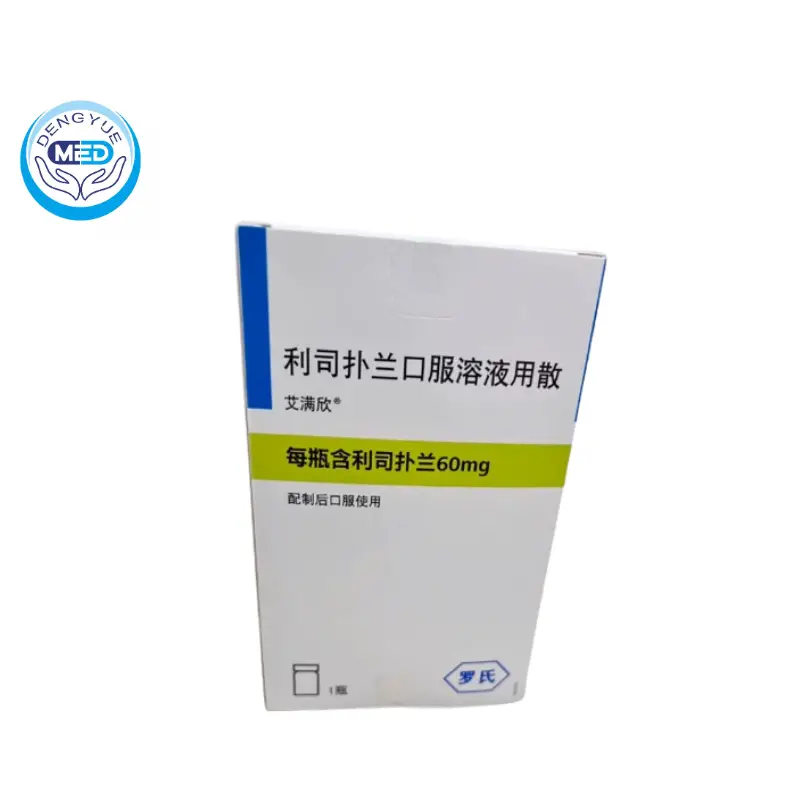
Risdiplam Oral Solution For Spinal Muscular Atrophy
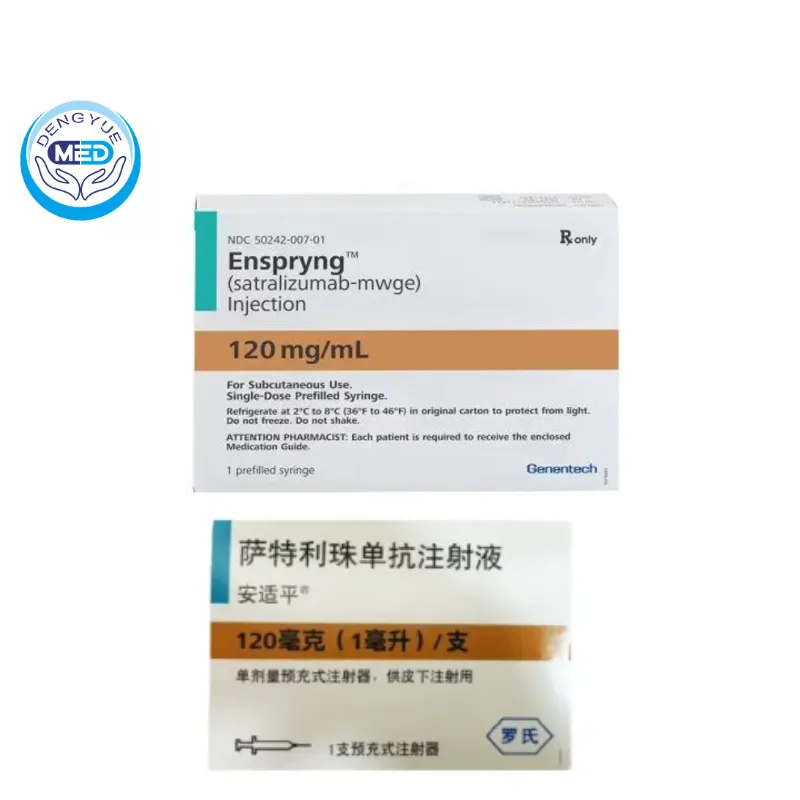
Enspryng Satralizumab | Optic Nerve Myelitis Spectrum Disorders
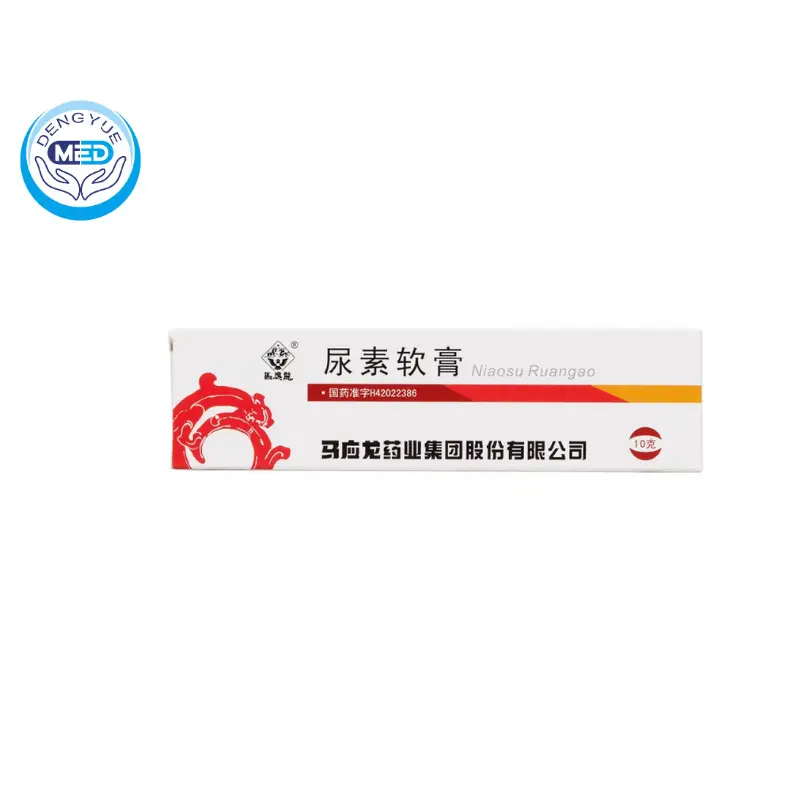
Marinolone Urea Ointment | Chapped Hands And Feet | HK DengYueMedicine
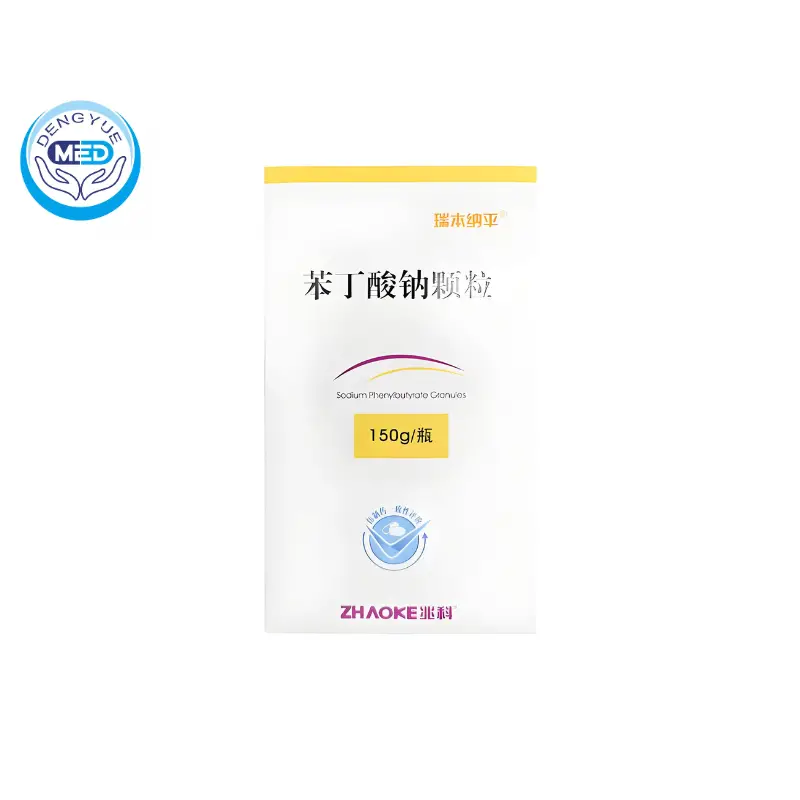
Sodium Phenylbutyrate Granules | Urea Cycle Disorders
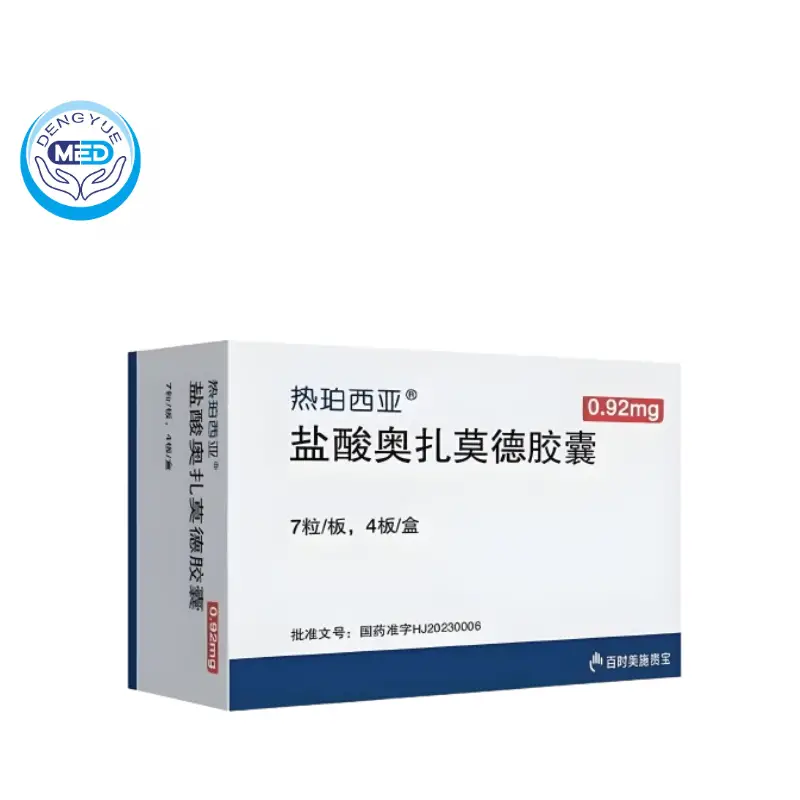
Ozamode/Ozanimod Hydrochloride Capsules
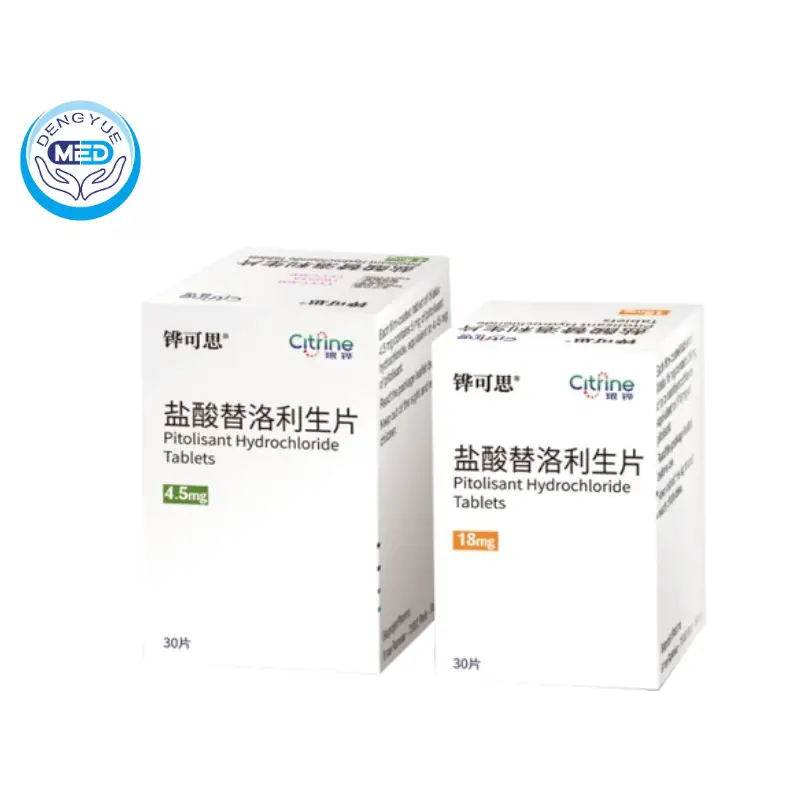
Pitolisant Hydrochloride Tablets
Nitisinone Capsules | Hereditary Tyrosinemia Type 1
Proglycem Diazoxide | Hyperinsulinemic Hypoglycemia | DengYueMedicine
Reviews
There are no reviews yet.