
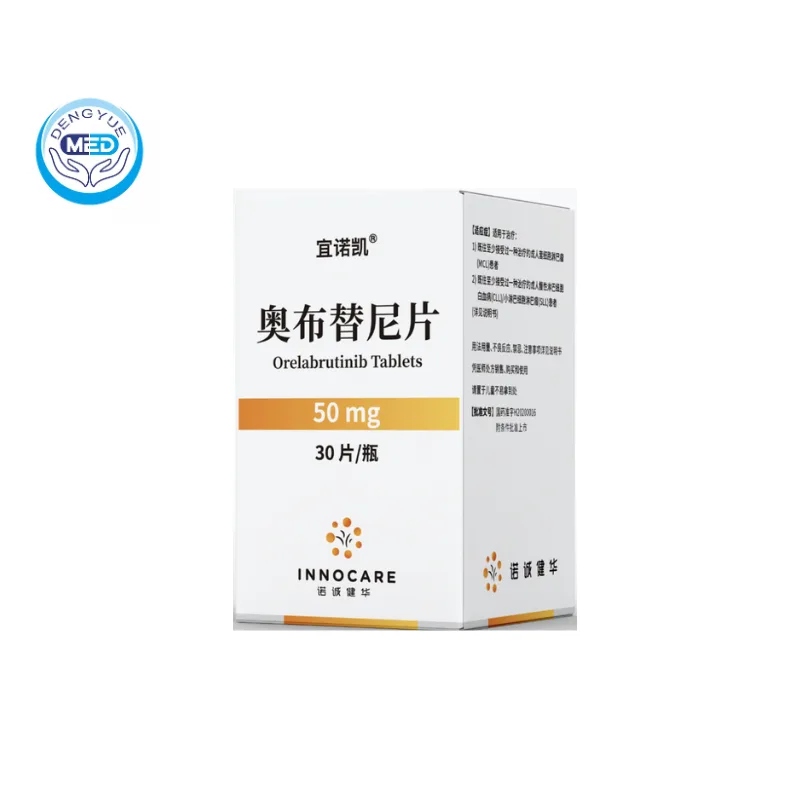
Orelabrutinib – Chronic Lymphocytic Leukemia | DengYueMed
- Generic Name/Brand Name: Orelabrutinib
- Indications: Chronic Lymphocytic Leukemia (Hematology)
- Dosage Form: Capsule
- Specification: 50 mg*30 capsules
Orelabrutinib Application Scope
Orelabrutinib is an oral, highly selective, irreversible Bruton’s tyrosine kinase (BTK) inhibitor used in B‑cell malignancies.
Characteristics
Ingredients: Orelabrutinib
Properties:
Mechanism: Covalent, irreversible inhibition of BTK → blocks B‑cell receptor signaling and malignant B‑cell survival
Selectivity: High BTK specificity; minimal off‑target kinase activity
Packaging Specification:
Typically supplied as film‑coated tablets
Strengths in clinical use: 50 mg, 80 mg, 100–150 mg (study‑dependent)
Storage:
Store at room temperature (20–25 °C)
Protect from moisture and light (standard for oral BTK inhibitors)
Expiry Date: As indicated on packaging, typically 24–36 months from manufacture (standard practice).
Executive Standard:
Chinese NMPA approval standards (with Phase II/III clinical data)
Internationally held to ICH‑GCP guidelines in clinical trials
Approval Number: NMPA-approved in China for CLL/SLL, MCL, MZL (2020)
Specific Chinese drug approval codes not found in the retrieved sources
Date of Revision:
Major clinical updates published in 2023 for Waldenström’s macroglobulinemia;
Phase II MS data in 2023
Manufacturer: InnoCare Pharma (developer in China)
Guidelines for the Use of Orelabrutinib
Dosage and Administration:
Typical dosing in oncology studies: 150 mg once daily until disease progression or unacceptable toxicity
Doses of 50–100 mg QD used in autoimmune and MS studies
Adverse Reactions:
Mostly grade 1–2;
Common events include neutropenia, thrombocytopenia, and pneumonia
Liver enzyme elevations, atrial fibrillation, and mild liver dysfunction
Serious AEs in ~8.5%; treatment discontinuation in ~6–8%
Contraindications:
Known hypersensitivity to orelabrutinib or excipients
Use caution or avoidance with strong CYP3A inhibitors or inducers
Precautions:
Monitor CBC, liver function, ECG (for atrioventricular effects), infections
Use contraception during treatment and for a period after
Adjust dose or interrupt in case of AEs such as cytopenias or atrial arrhythmias
Orelabrutinib Interactions
Drug Interactions:
Substrate of CYP3A; avoid strong CYP3A inducers/inhibitors
Monitor for altered exposure with co‑administered drugs
Note:
- If there is a new packaging for the drug, the new packaging shall prevail. The above information is sourced from DengYue Medicine.
- It is only for internal discussion among medical staff and does not serve as a basis for medication. For specific medication guidelines, please consult the attending physician.
Related products

Fludarabine Phosphate For Injection | Chronic Lymphocytic Leukemia

Meisoindigo Tablets | Chronic Myelogenous Leukemia
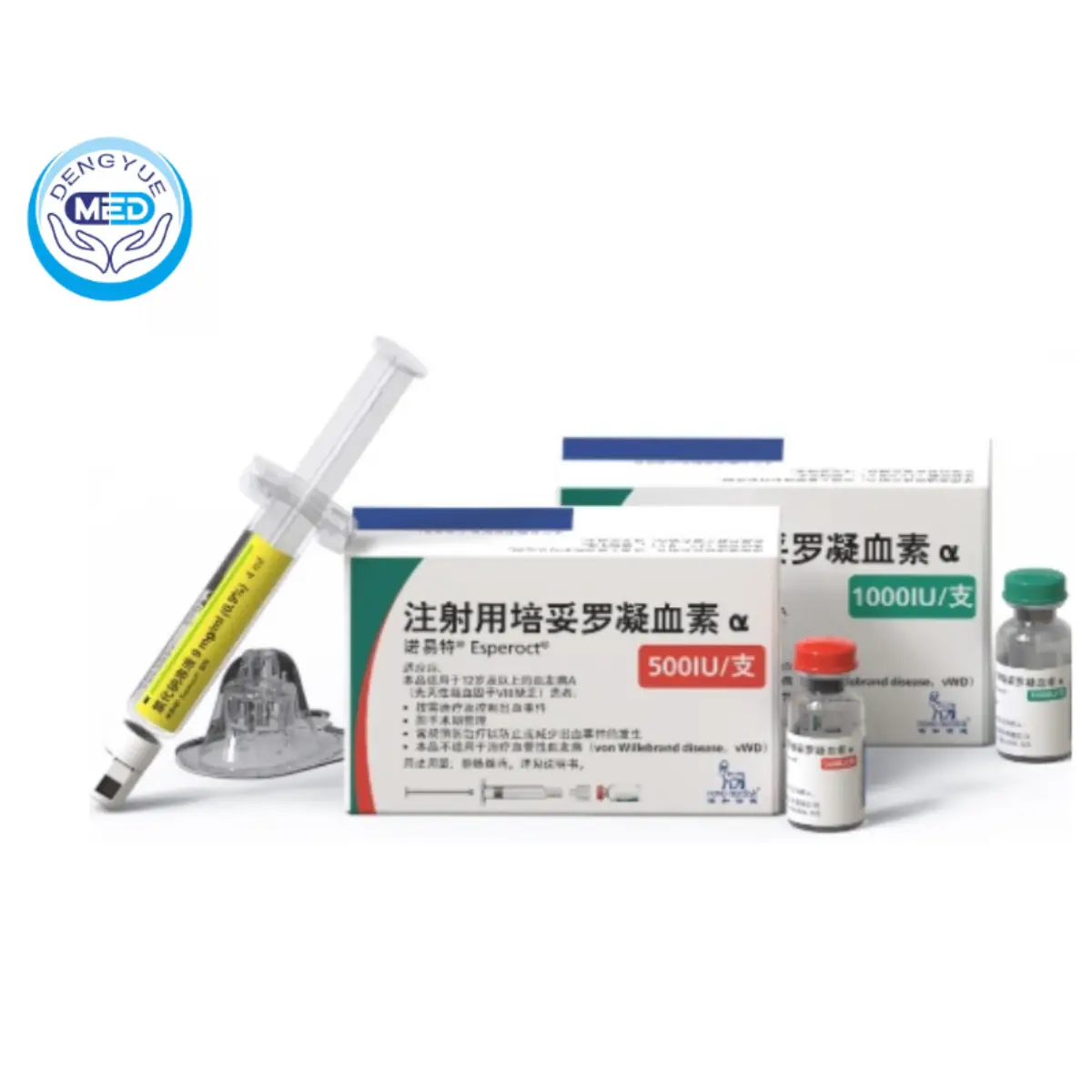
Turoctocog Alfa|Hemophiliac|HongKong DengYue Medicine

Azathioprine Tablets
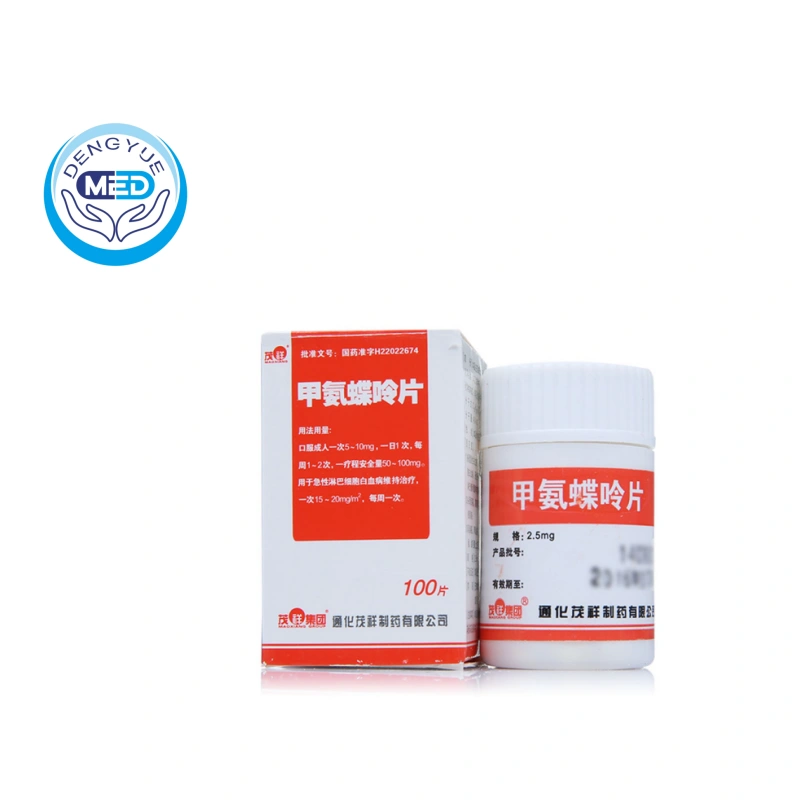
Methotrexate 2.5mg Tablets | Cancer Chemotherapy
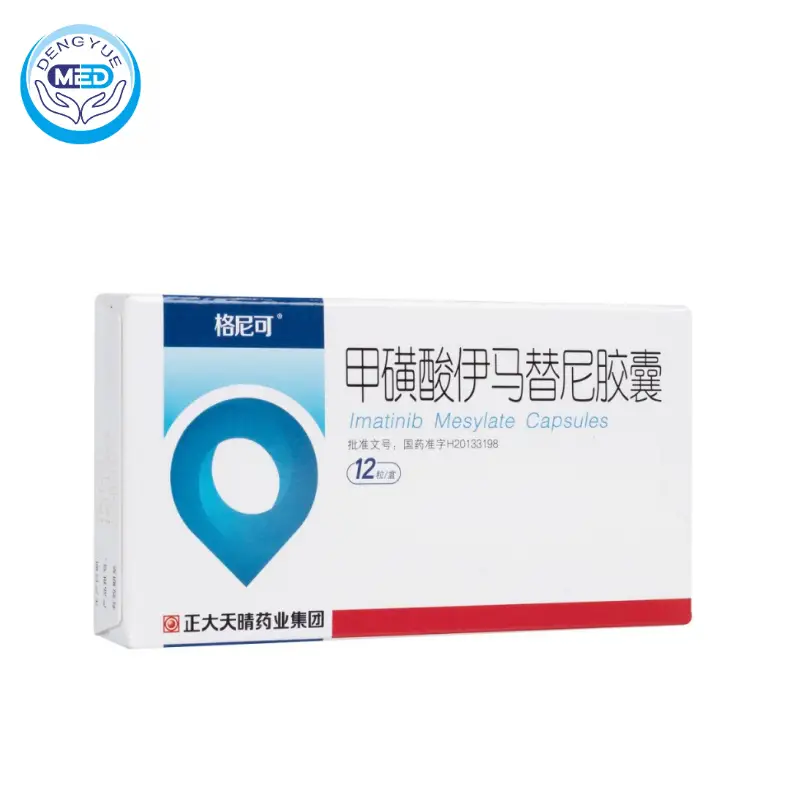
Imatinib Mesylate Capsules | Leukemia Treatment
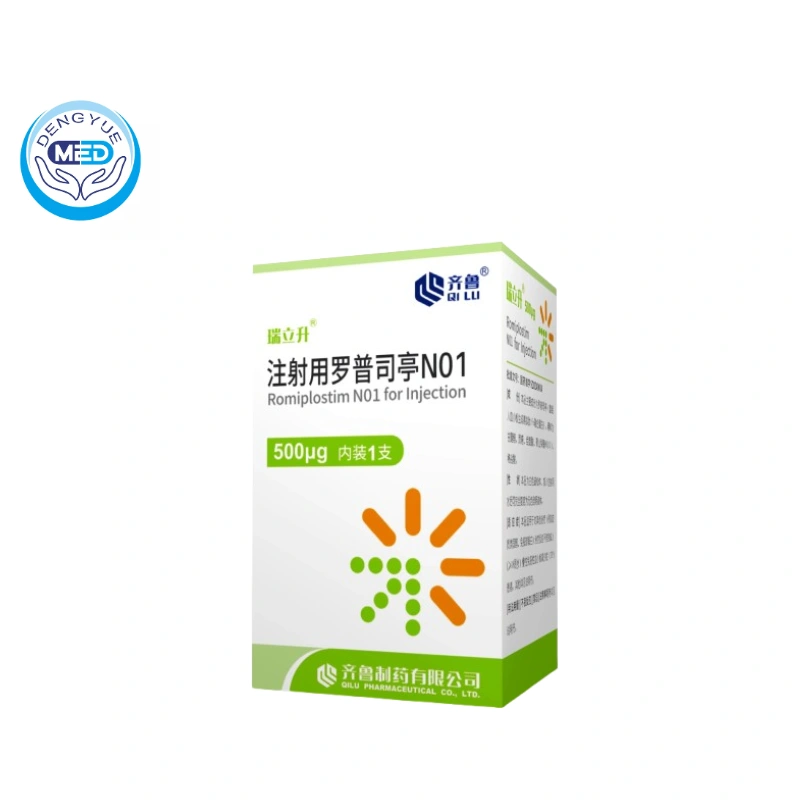
Nplate Romiplostim | Immune Thrombocytopenia | DengYueMedicine
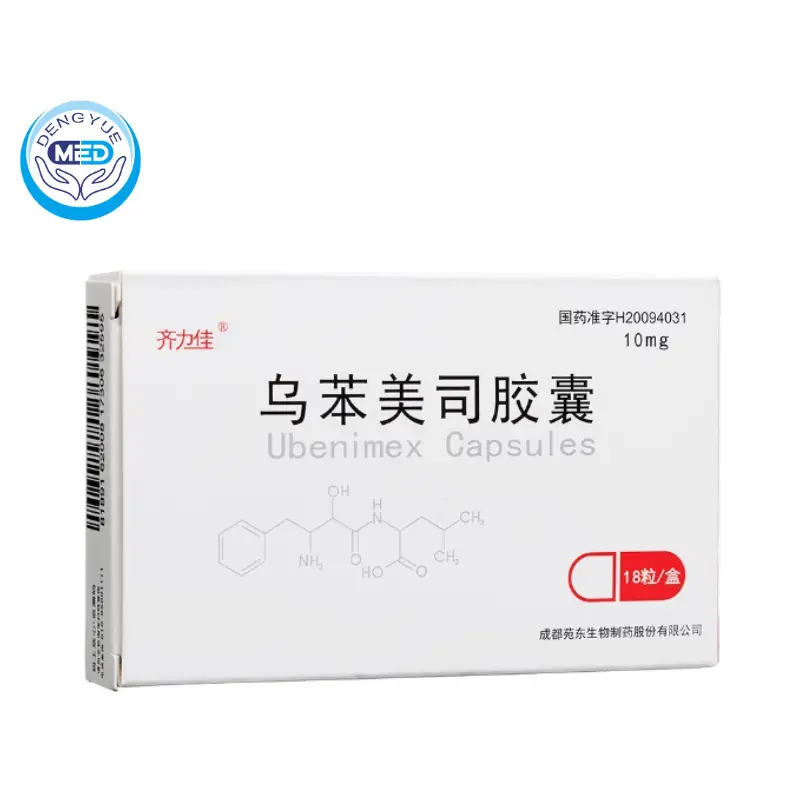
Ubenimex Capsules | Anti-Cancer Chemotherapy
Reviews
There are no reviews yet.