
The Silent Lump: Decoding The Early Whispers Of Soft Tissue Sarcoma
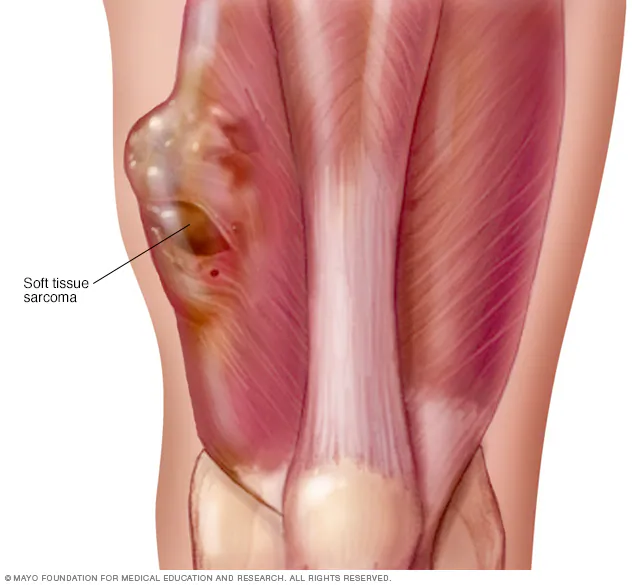
What are the early whispers of soft tissue sarcoma? Soft Tissue Sarcoma (STS) is a rare but formidable type of cancer that arises in the body’s “soft tissues.”
These are the connective tissues that support, surround, and bind other structures—including muscles, fat, blood vessels, nerves, tendons, and joint linings.
The journey to diagnosing soft tissue sarcoma is often fraught with delays.
Its rarity and the deceptive commonality of its early symptoms mean they are frequently mistaken for benign issues like a simple bruise, a pulled muscle, or a harmless lipoma.
However, awareness is your most powerful tool. Understanding the unique characteristics of STS is critical for recognizing when to push for further investigation.
This article delves deep into the early warning signs, focusing on the distinct features that set this condition apart.
Why Soft Tissue Sarcoma Is a Master of Disguise?
Before we explore the symptoms, it’s essential to understand why early detection is so challenging:
- Rarity: Most primary care physicians may see only a handful of cases in their entire careers. A common lump is, statistically, almost always something else.
- The Silent Growth: Early-stage tumors can be small and deep-seated, not pressing on any nerves or causing pain, allowing them to grow unnoticed for some time.
- The Imitator: Its symptoms perfectly mimic everyday injuries and common benign conditions, leading to initial misdiagnosis.
This is why you must be the advocate for your own health. If you notice any of the following signs that are persistent or progressing, it is vital to consult a doctor and insist on a thorough evaluation.
The Red Flags: Key Features of Early Soft Tissue Sarcoma
Soft tissue sarcoma symptoms can vary depending on whether the tumor is in a limb, the trunk, or the abdomen. However, several core features serve as universal red flags.
1. The Painless Lump (The Most Common Sign)
This is the most frequent and most frequently dismissed early indicator.
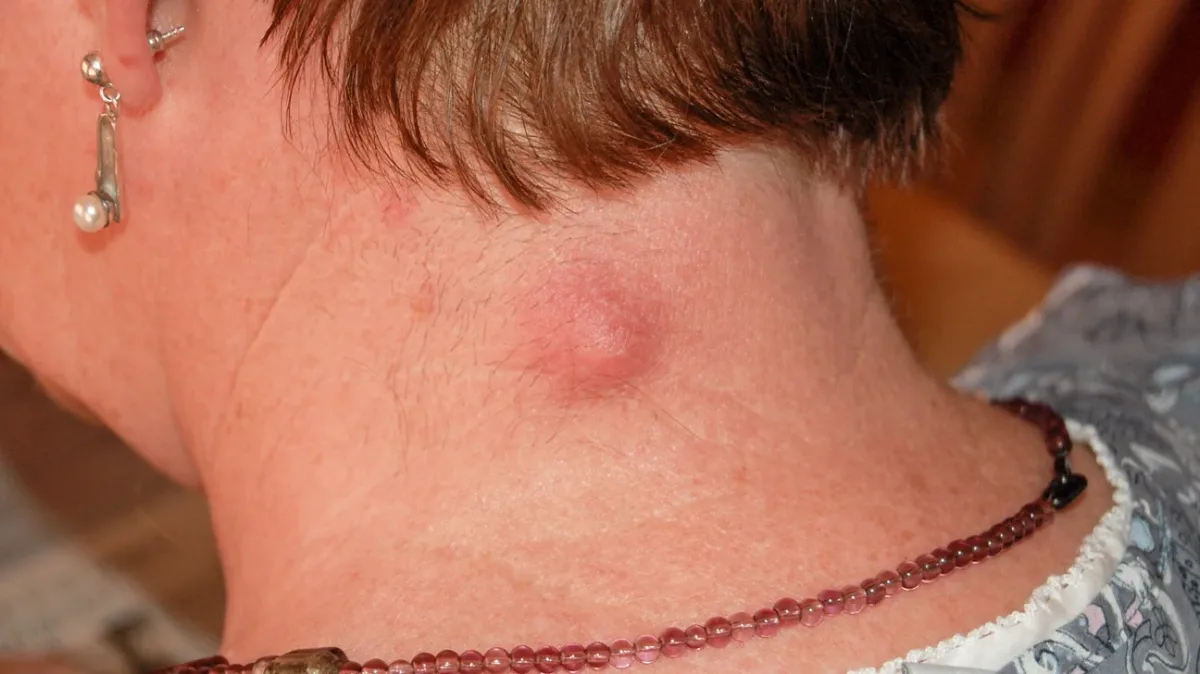
- Characteristic: A new, palpable mass or a known lump that is growing progressively larger.
- The Key Differentiator: Unlike painful infectious or inflammatory lumps, early STS lumps are often painless. It is this very lack of pain that leads to complacency.
- What to Look For:
- Size: Be particularly vigilant about any lump larger than 5 cm (about the size of a golf ball).
- Depth: It may feel deep-seated, firm, and fixed to underlying tissues, rather than soft and movable like a typical lipoma.
- Texture: It often feels firm and solid, not squishy or rubbery.
2. Pain or Tenderness
While pain is not always an initial feature, it becomes a significant clue as the tumor evolves.

- Characteristic: A persistent or intermittent ache or pain that may be tender to the touch.
- The Mechanism: Pain occurs as the expanding tumor begins to press on or irritate nearby nerves, muscles, or organs. A tumor near a joint can cause pain with movement, mimicking arthritis or tendonitis.
- What to Look For: Pain that is unexplained by a recent injury or that persists long after an injury should have healed. Pain that worsens over time or at night is a major red flag.
3. Abdominal Woes (For Intra-Abdominal or Retroperitoneal Sarcomas)
Tumors in the abdomen or behind the abdominal cavity (the retroperitoneum) are the most stealthy. They have vast space to grow silently until they are quite large.

- Characteristic: Symptoms are notoriously vague and can include:
- Early satiety (feeling full after eating very little).
- Unexplained abdominal pain or discomfort.
- Nausea or vomiting.
- Changes in bowel habits (constipation or diarrhea).
- What to Look For: These symptoms are easily attributed to irritable bowel syndrome (IBS), indigestion, or other common GI issues. Often, diagnosis only occurs when the tumor is large enough to cause a visible bulge or a palpable mass, or when it leads to more severe complications like bleeding or obstruction.
4. Functional Impairment
When a sarcoma develops in an arm or leg, it can interfere with normal physical function.

- Characteristic: You might experience:
- A limited range of motion in a nearby joint.
- Unexplained weakness in the limb.
- Difficulty walking or performing routine activities like raising your arm.
- The Mechanism: The tumor may be impinging on muscles responsible for movement or restricting the mechanics of a joint.
5. Other “Alarm Bell” Symptoms
While less common in early stages, these are serious signs that warrant immediate medical attention:
- Unexplained Weight Loss: Significant weight loss without changes in diet or exercise.
- Night Pain: Pain that is severe enough to wake you from sleep is often a sign of bone involvement or aggressive growth.
- Skin Changes: The skin over the lump may become warm, reddened, or may even break down and ulcerate (typically a later sign).
Your Action Plan: What to Do If You’re Concerned
Finding a lump or experiencing these symptoms can be alarming, but remember—the vast majority of lumps are benign. The goal is not to panic but to act prudently.
- Don’t Adopt a “Wait-and-See” Approach: If a lump is persistent, growing, or accompanied by other symptoms over a period of a few weeks, do not ignore it.
- Become a Detective: Note when you first noticed it, its size (measure it if you can), its texture, and any associated symptoms.
- Consult Your Primary Care Physician: Start with your GP. Describe your findings clearly and express your concerns without hesitation.
- Seek a Specialist Referral: If concerns persist, request a referral to a specialist. An orthopedic oncologist or surgical oncologist has the expertise to diagnose and manage these complex cases.
- Insist on Imaging: An ultrasound is often the first-line imaging tool for superficial lumps. For deeper assessment, an MRI (Magnetic Resonance Imaging) is the gold standard for evaluating soft tissue masses. A CT scan is better for abdominal and chest imaging.
- Understand the Biopsy: The only definitive way to diagnose sarcoma is with a biopsy. A sample of tissue is extracted and analyzed under a microscope by a pathologist to determine if the cells are cancerous and identify the specific subtype.
Additional Context: A Note on Treatment & Investigative Therapies
Once a diagnosis is made—ideally through early detection of symptoms—treatment planning begins.
Beyond standard protocols, researchers are continually investigating adjunctive and novel therapies to improve outcomes.
You may encounter discussions about drugs like Ropeginterferon Alfa-2b and Transfer Factor Injection. It is crucial to understand their current role:
Ropeginterferon Alfa-2b: This is a next-generation, long-acting interferon, a type of protein with immunomodulatory and anti-tumor properties.
Its primary approved use is in certain blood cancers, like polycythemia vera. Its application in soft tissue sarcoma is highly experimental and not standard.
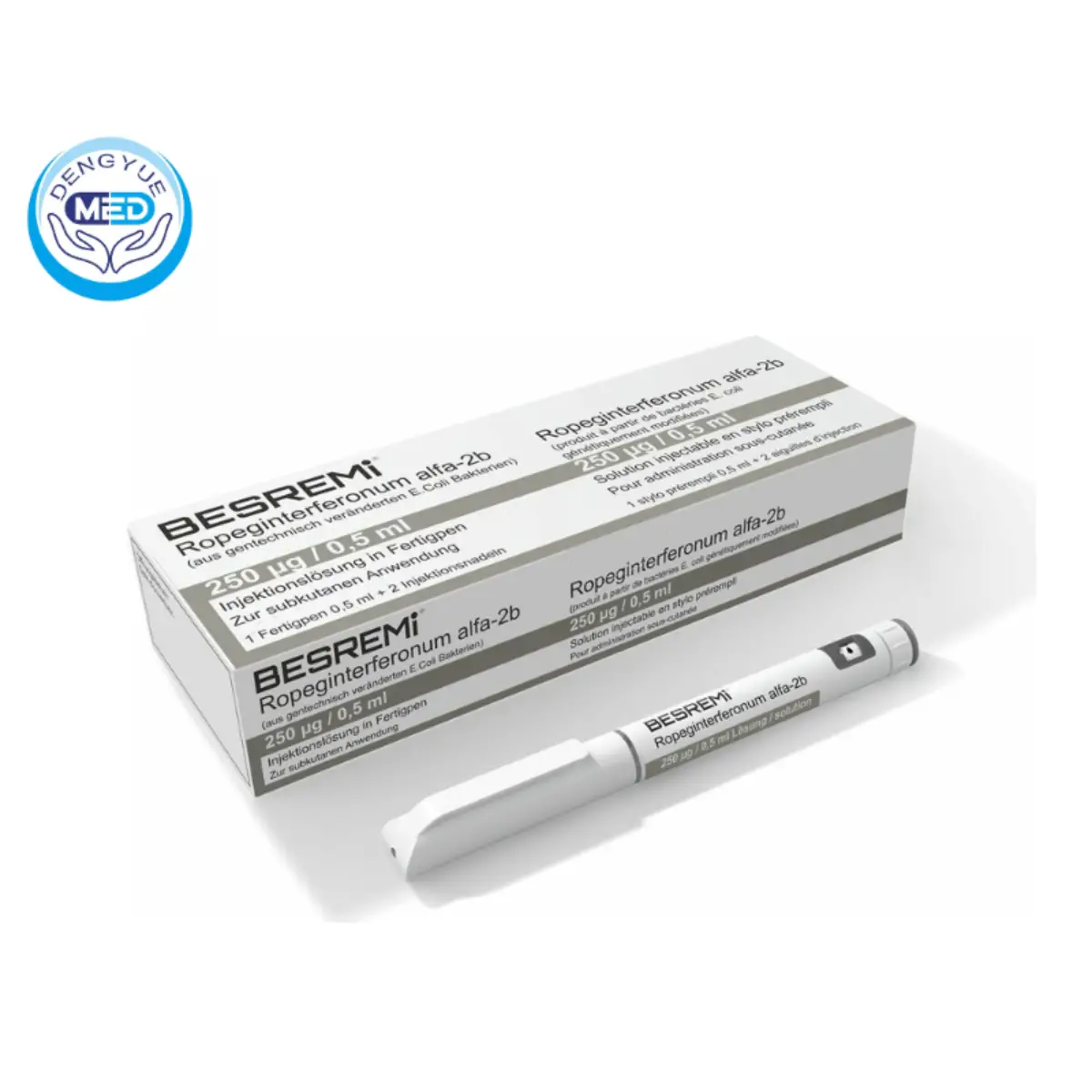
Ropeginterferon Alfa-2b|Soft Tissue Sarcoma
- Generic Name/Brand Name: Ropeginterferon Alfa-2b/BESREMi
- Besremi Indications: Soft Tissue Sarcoma
- Dosage Form: Injection solutions
- Specification: 250 mcg/0.5 mL solution for subcutaneous injection
It may be considered only in very specific clinical trial settings or exceptional off-label cases, but it is not a mainstream treatment option.
Transfer Factor Injection: This is a substance derived from leukocytes that is theorized to transfer immune information from a donor to a recipient, potentially modulating the immune response.
It is sometimes categorized as an immune booster or adjunctive therapy. However, it is not a recognized standard treatment for soft tissue sarcoma in major oncology guidelines.
Evidence for its efficacy is limited to small-scale studies or anecdotal reports, and its use is more common in integrative or complementary medicine contexts outside mainstream oncology.
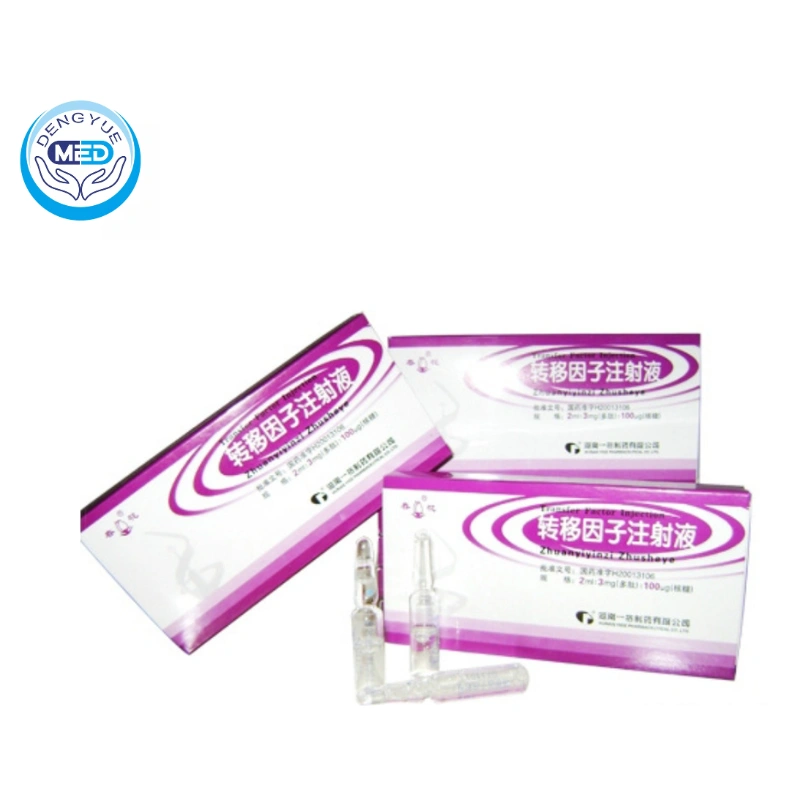
Transfer Factor Injection | Other Tumors | HK DengYueMed
- Generic Name/Brand Name: Transfer Factor Injection /Hunan Yige Pharmaceutical
- Indications: Soft Tissue Sarcoma, Other Tumors
- Dosage Form: White loose solid
- Specification: 2 ml: 3 mg (peptide): 100 mcg (ribose)
At Hong Kong DengYue Medicine, we emphasize that The goal of recognizing early symptoms is to achieve a timely diagnosis.
Treatment should be guided exclusively by a specialist sarcoma team using evidence-based, proven protocols.
Discussions about investigative therapies like those mentioned above should only be had with your oncologist in the context of clinical trials or as part of a comprehensive, medically supervised plan.
Never self-prescribe or pursue these options in lieu of standard care.
Conclusion: Trust Your Instincts
The early whispers of soft tissue sarcoma are subtle and non-specific. The central message is this:
Pay attention to any new, growing, or unexplained lump or symptom on your body. You know your body better than anyone.
In medicine, “rare” does not mean “impossible.” If something feels wrong, even if it doesn’t check every box on a list, it deserves medical attention.
Proactive advocacy and timely investigation are your strongest allies in confronting any health challenge, especially a silent one like soft tissue sarcoma.
By decoding its early whispers, we can break the cycle of delayed diagnosis and pave the way for successful treatment.
FAQ about The Silent Lump: Decoding The Early Whispers of Soft Tissue Sarcoma
Do you feel ill with sarcoma?
Yes. Sarcoma in the tummy (abdomen) can cause pain and swelling in the tummy, vomiting (being sick), and constipation.
What size tumor is considered large?
A tumor less than 2 cm is considered stage T1.
Experts consider a tumor between 2 and 5 cm to be stage T2.
If the tumor is greater than 5 cm, it’s typically stage T3.
A tumor at stage T4 has spread into the chest wall or skin.
Can you get sarcoma in your calf?
Yes.Soft tissue sarcoma can happen anywhere in the body
What is the main cause of sarcoma?
Sarcomas form when immature bone or soft tissue cells have changes to their DNA, and they develop into cancer cells that grow in an unregulated way.